Common Periwinkle (Vinca Minor)
When it comes to versatile and visually appealing plants, common periwinkle (Vinca minor) stands out as an exceptional choice for various landscaping and.
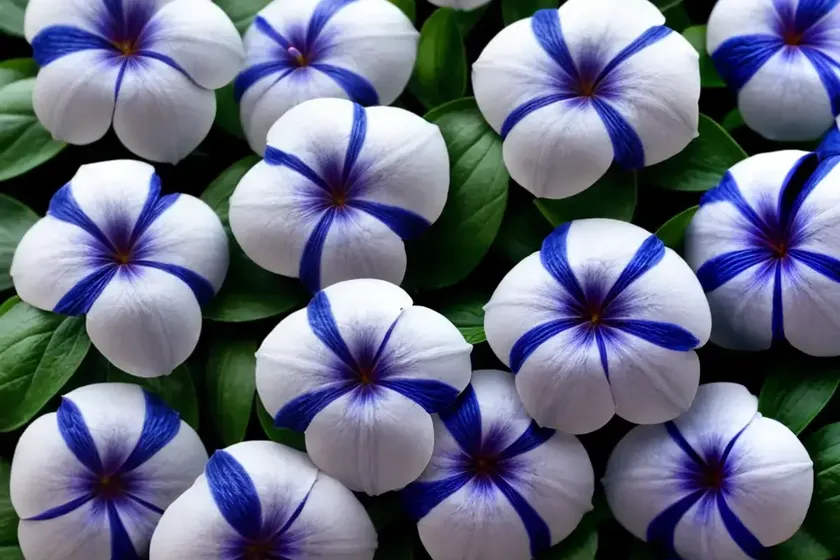
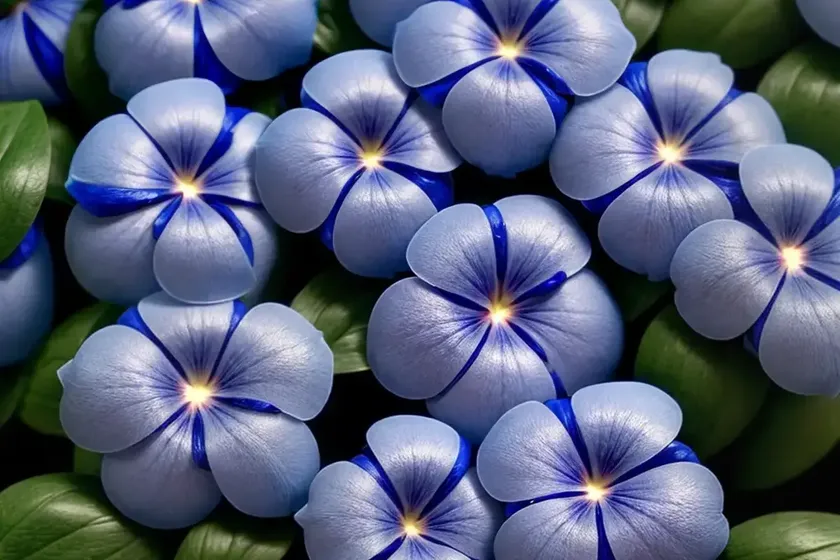
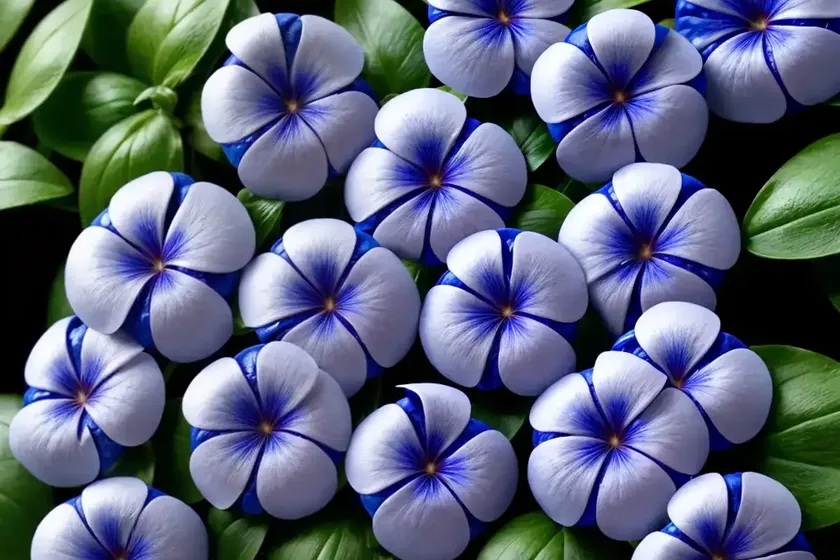
When it comes to versatile and visually appealing plants, common periwinkle (Vinca minor) stands out as an exceptional choice for various landscaping and gardening purposes. The low maintenance and evergreen nature of this perennial plant make it a favorite among gardeners and landscaping enthusiasts alike. In this comprehensive guide, we will embark on an enlightening journey into the world of common periwinkle, exploring its culture, uses, maintenance, and much more. Whether you are a novice gardener or a seasoned botanist, this article is your go-to resource for unlocking the potential of Vinca minor in your outdoor spaces.
What is Plant: Common Periwinkle (Vinca minor)?
Common periwinkle, scientifically known as Vinca minor, is a species of flowering plant in the dogbane family (Apocynaceae) native to the central and southern regions of Europe. Also commonly referred to as ‘lesser periwinkle’ or ‘small periwinkle,’ this trailing vine exhibits captivating beauty with its delicate blue to violet flowers and glossy green leaves. This evergreen ground cover plant has found widespread use in various landscaping and gardening applications due to its adaptability and aesthetic appeal.
Key Takeaways – Common Periwinkle (Vinca minor)
Before delving deeper into the intricacies of common periwinkle, here are the key takeaways encapsulating its essential attributes and utility:
- Plant Name: Common Periwinkle (Vinca minor)
- Scientific Classification: Kingdom: Plantae, Order: Gentianales, Family: Apocynaceae, Genus: Vinca, Species: Vinca minor
- Native Habitat: Central and southern Europe
- Growth Habit: Trailing vine with evergreen foliage
- Flower Color: Blue to violet
- Versatility: Suitable for ground cover, borders, containers, and landscaping
- Attributes: Low maintenance, fast-growing, and adaptable
- Uses: Erosion control, weed suppression, ornamental purposes, medicinal properties
With these foundational insights, let’s embark on a captivating journey to understand the nuances of common periwinkle, uncovering its cultural requirements, uses, maintenance practices, and much more.
Culture of Common Periwinkle (Vinca minor)
Understanding the cultural requirements of common periwinkle is pivotal for ensuring its thriving growth and visual splendor in diverse outdoor settings. From sunlight exposure to soil preferences, let’s explore the essential facets of the cultural environment that fosters the optimal development of Vinca minor.
Water
Common periwinkle thrives in moderately moist soil conditions; however, it displays commendable tolerance to drought once established. It is essential to provide regular watering, especially during the initial establishment phase and extended periods of dry weather. Adequate moisture retention in the soil is crucial for nurturing the lush green foliage and prolific blooms of this beloved ground cover plant.
Sunlight
When it comes to sunlight exposure, common periwinkle exhibits remarkable versatility. It flourishes in both partial shade and full shade environments, making it an ideal choice for shaded areas in gardens, under trees, or along the perimeters of buildings. However, it is important to provide adequate indirect light to facilitate healthy growth and profuse flowering.
Soil
Vinca minor thrives in well-draining soil with a slightly acidic to neutral pH range. It showcases adaptability to various soil types, including loamy, sandy, or clay soils, as long as they offer good drainage. Amending the soil with organic matter can enhance its fertility and structure, promoting an optimal growing environment for common periwinkle.
Fertilizer
During the growing season, a balanced and diluted fertilizer application can contribute to the vigor and blooming capacity of common periwinkle. Opt for a general-purpose liquid fertilizer or a slow-release granular fertilizer, applying it according to the manufacturer’s recommendations. It is advisable to refrain from over-fertilization, as excessive nutrients can lead to lush foliage growth at the expense of flowering.
Pruning
Pruning plays a pivotal role in maintaining the compact and tidy appearance of common periwinkle, preventing it from becoming invasive in certain environments. Occasional pruning can help control the growth of this ground cover plant and rejuvenate its foliage for a more aesthetically pleasing display. Use sharp pruning shears to trim back any straggling or overgrown stems, focusing on removing spent blooms and promoting a more uniform growth habit.
Propagation
Propagating common periwinkle offers a wonderful opportunity to expand its presence in your garden or share its beauty with fellow gardening enthusiasts. This versatile plant can be propagated through various methods, including division, stem cuttings, and layering. Here’s a brief overview of these propagation techniques:
- Division: During the early spring or fall, carefully divide mature clumps of common periwinkle, ensuring that each division possesses healthy roots and sufficient foliage. Plant the divisions at appropriate intervals, providing them with adequate moisture and indirect light to support their establishment.
- Stem Cuttings: Utilize healthy stem cuttings with several leaf nodes, and remove the lower leaves to create a clean insertion point. Dip the cut ends in rooting hormone to stimulate root development and plant the cuttings in a well-draining potting mix. Maintain consistent moisture levels and warmth to facilitate the rooting process.
- Layering: Encourage the development of roots on a low-growing stem by gently bending it towards the ground and securing it in place with a small weight or peg. Once roots have formed at the point of contact with the soil, sever the stem from the parent plant and transplant the rooted section to a suitable location.
Container Popularity
Common periwinkle’s adaptability and low maintenance nature make it a popular choice for container gardening, allowing individuals to introduce its charm to patios, balconies, and other confined spaces. When opting for container cultivation, ensure that the containers offer adequate drainage and sufficient space for the plant to spread and thrive. Choose a high-quality potting mix that provides essential nutrients and promotes superior drainage, fostering a conducive environment for common periwinkle’s growth.
Container Uses
The versatility of common periwinkle extends to its use in containers, enhancing the visual appeal of outdoor spaces and offering a cascading display of vibrant blooms and lush foliage. Consider incorporating common periwinkle in container arrangements, hanging baskets, or window boxes, complementing its alluring appearance with the convenience of contained cultivation.
Common Diseases
While common periwinkle generally exhibits resilience to many common plant diseases, it may be susceptible to certain issues under unfavorable conditions. Understanding the potential diseases and implementing preventive measures is crucial for preserving the health and vitality of Vinca minor.
Disease Diagnosis
Common periwinkle may encounter fungal diseases such as leaf spot and stem rot, particularly in environments with poor air circulation and excessive moisture. Keep a vigilant eye for any signs of leaf discoloration, wilting, or unusual lesions, and promptly address any suspected disease issues. Implementing proper cultural practices, such as providing adequate air flow and avoiding overhead watering, can reduce the risk of diseases in common periwinkle.
Common Pests
Pests pose a potential threat to the well-being of common periwinkle, although it typically demonstrates good resistance to many common garden pests. However, certain pests, including aphids, spider mites, and scale insects, may sporadically afflict this ground cover plant. Regular monitoring of the foliage and stems is imperative to detect any pest infestations in their early stages, enabling prompt intervention through appropriate control measures, such as insecticidal soaps or horticultural oils.
Botanist’s Tips
Unveiling the intricate nuances of common periwinkle through a botanist’s lens offers valuable insights into its growth patterns, ecological significance, and potential applications. Here are some expert tips to enhance your understanding of this enchanting plant:
- Optimal Spacing: When planting common periwinkle, consider the recommended spacing guidelines to accommodate its natural spread while preventing overcrowding. Maintaining appropriate spacing facilitates air circulation, reduces competition for resources, and promotes the overall health of the plants.
- Mulching Benefits: Applying a layer of organic mulch around common periwinkle serves multiple purposes, including moisture retention, weed suppression, and insulation. Mulching also contributes to the visual appeal of the planting area, accentuating the vibrant foliage and blooms of this revered ground cover plant.
- Companion Planting: Explore compatible companion plants that harmonize with common periwinkle to create visually captivating and ecologically beneficial garden compositions. Select plants with similar cultural requirements and complementary aesthetics to curate harmonious plant communities.
Fun Facts
Delving into the realm of fun facts unravels the captivating allure and ecological significance of common periwinkle, offering a deeper appreciation for its distinctive qualities and contributions to diverse ecosystems. Let’s uncover some fascinating tidbits about Vinca minor:
- The genus name ‘Vinca’ is derived from the Latin word for ‘binding,’ alluding to the trailing or vining growth habit of common periwinkle.
- Common periwinkle is traditionally associated with symbolism representing everlasting love, memories, and loyalty, reflecting its enduring nature and timeless beauty.
- In addition to its ornamental value, common periwinkle has been historically prized for its medicinal properties, with applications in traditional herbal medicine for various ailments.
- The glossy foliage of common periwinkle serves as a valuable source of cover and forage for small wildlife, contributing to the ecological diversity and habitat suitability of natural landscapes.
Links to External Resources
Exploring additional resources and expert insights on common periwinkle provides an enriching learning experience and broadens your perspectives on its multifaceted attributes and applications. Here are some valuable links to external resources offering comprehensive information on Vinca minor:
- Vinca Minor Plant Care Guide
- Growing Vinca Minor as a Ground Cover
- Vinca Minor as a Medicinal Plant
- Landscaping Ideas with Common Periwinkle
- Tips for Container Gardening with Vinca Minor
In conclusion, common periwinkle (Vinca minor) stands as a symbol of resilience, beauty, and versatility in the realm of ornamental and functional plants. By unraveling its cultural requirements, ecological significance, and practical uses, we have embarked on a transformative journey, enriching our understanding and appreciation for this captivating ground cover plant. Whether adorning garden landscapes, providing ecological benefits, or captivating the hearts of gardeners, common periwinkle continues to enthrall with its enduring charm and boundless potential.
Embrace the enchanting world of Vinca minor, and let its timeless allure become an integral part of your outdoor oasis, weaving a tapestry of natural splendor and enduring grace.
[References]
1. The Spruce, “Vinca Minor Plant Profile” [Online]. Available: https://www.thespruce.com/vinca-minor-plant-profile-4789834
2. Gardening Know How, “Growing Vinca Minor as a Ground Cover” [Online]. Available: https://www.gardeningknowhow.com/ornamental/groundcover/periwinkle/growing-vinca-minor.htm
3. WebMD, “Vinca Minor as a Medicinal Plant” [Online]. Available: https://www.webmd.com/vitamins/ai/ingredientmono-1230/vinca-minor
4. BobVila.com, “Landscaping Ideas with Common Periwinkle” [Online]. Available: https://www.bobvila.com/articles/vinca-minor/
5. HGTV, “Tips for Container Gardening with Vinca Minor” [Online]. Available: https://www.hgtv.com/outdoors/flowers-and-plants/vinca-minor