Plant Scientist’s Guide: Sedum telephium ‘Karfunkelstein’ (Stonecrop)
Sedum telephium ‘Karfunkelstein’ is a beautiful and versatile plant that belongs to the family Crassulaceae. This perennial succulent is commonly known as Stonecrop and is prized for its drought tolerance, low maintenance requirements, and attractive foliage. In this comprehensive guide, we will explore the culture, uses, care requirements, propagation methods, common diseases, and key tips for cultivating Sedum telephium ‘Karfunkelstein’. Whether you’re a seasoned gardener or a beginner looking to add this stunning plant to your collection, this guide has everything you need to know to ensure the success of your Stonecrop.
What is Sedum telephium ‘Karfunkelstein’ (Stonecrop)?
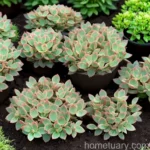
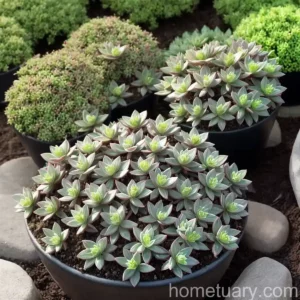
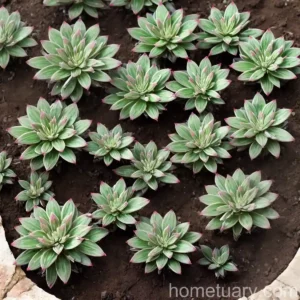
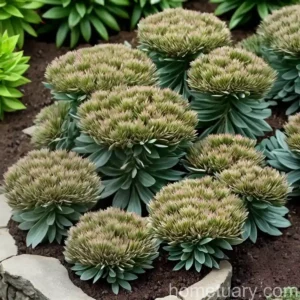
Sedum telephium ‘Karfunkelstein’, commonly known as Stonecrop, is a herbaceous perennial plant that is native to Europe and Asia. This plant is characterized by its fleshy, succulent leaves and dense clusters of star-shaped flowers that bloom in late summer to early fall. ‘Karfunkelstein’ is a specific cultivar of Sedum telephium, known for its vibrant, deep pink flowers and compact growth habit.
Key Takeaways – Sedum telephium ‘Karfunkelstein’ (Stonecrop)
- Plant Family: Crassulaceae
- Common Names: Stonecrop, Karfunkelstein
- Characteristics: Fleshy, succulent leaves, star-shaped flowers
- Growth Habit: Compact, clump-forming
- Flowering Season: Late summer to early fall
- Water Needs: Low to moderate
- Sunlight: Full sun to partial shade
- Uses: Ground cover, borders, rock gardens, containers
- Drought Tolerance: High
- Soil Requirements: Well-draining, sandy or gravelly soil
- Hardiness Zones: 4-9
Culture
Sedum telephium ‘Karfunkelstein’ is a resilient and adaptable plant that thrives in a variety of growing conditions. Understanding its cultural preferences is essential for providing the best environment for its growth and development.
Water
Stonecrop is known for its remarkable drought tolerance and is therefore well-suited to xeriscaping and water-wise gardening. While it can survive extended periods of dryness, regular watering during prolonged droughts is beneficial, especially for potted plants. However, it’s crucial to avoid overwatering, as Sedum telephium is susceptible to root rot in waterlogged soils.
Sunlight
This plant thrives in full sunlight to partial shade. When grown in full sun, Sedum telephium ‘Karfunkelstein’ develops intense flower colors and maintains a compact, sturdy growth habit. In regions with hot summers, providing afternoon shade can protect the plant’s foliage from scorching and maintain its vitality.
Fertilizer
Stonecrop is a low-maintenance plant that generally does not require heavy feeding. In fertile soils, excessive fertilization can lead to excessive vegetative growth at the expense of flowering. A light application of a balanced, slow-release fertilizer in early spring can support healthy growth and flower production.
Soil
Well-draining soil is essential for the success of Sedum telephium ‘Karfunkelstein’. It thrives in sandy or gravelly soils with moderate fertility. Good drainage is crucial for preventing root rot and ensuring the plant’s overall health.
Pruning
Pruning is generally minimal for Sedum telephium ‘Karfunkelstein’. Removing spent flower heads after the blooming period can encourage the plant to produce new buds and extend the flowering season. Additionally, pruning any damaged or withered foliage helps maintain the plant’s overall appearance.
Propagation
The propagation of Sedum telephium ‘Karfunkelstein’ can be achieved through several methods, including division, stem cuttings, and leaf cuttings.
-
Division: Divide mature clumps of Sedum telephium ‘Karfunkelstein’ in early spring, ensuring that each division has a healthy, established root system. Replant the divisions in well-draining soil and provide adequate water and sunlight.
-
Stem Cuttings: Take 4-6 inch stem cuttings from healthy, non-flowering shoots in spring or early summer. Allow the cut ends to callus for a few days before planting them in a well-draining potting mix. Regular misting can promote root development.
-
Leaf Cuttings: Select healthy leaves and remove them cleanly from the stem. Place the leaves on a well-draining substrate and keep them slightly moist until new plantlets emerge from the leaf nodes.
Container Popularity
Sedum telephium ‘Karfunkelstein’ is highly popular for container gardening due to its compact growth habit and striking visual appeal. When grown in containers, it’s essential to provide well-draining potting mix and adequate sunlight. Containers allow for greater control over the plant’s growing environment and are ideal for showcasing the vivid colors of the Stonecrop.
Common Diseases
While Sedum telephium ‘Karfunkelstein’ is relatively resistant to pests and diseases, it is susceptible to a few common issues that can affect its health and appearance.
Disease Diagnosis
-
Powdery Mildew: This fungal disease appears as a white, powdery substance on the plant’s leaves. It thrives in humid conditions and can be mitigated through proper air circulation and the use of fungicidal sprays.
-
Root Rot: Excessive moisture in the soil can lead to root rot, characterized by wilting, yellowing foliage, and a foul odor from the roots. Improving soil drainage and reducing watering frequency can help prevent this issue.
Common Pests
Sedum telephium ‘Karfunkelstein’ is relatively resistant to pest infestations, but occasional issues with aphids, mealybugs, and scale insects can occur. These pests can be controlled through the use of insecticidal soaps or horticultural oils, ensuring thorough coverage of the affected plant parts.
Botanist’s Tips
-
Companion Plants: Pair Sedum telephium ‘Karfunkelstein’ with other drought-tolerant perennials such as Lavandula angustifolia (English Lavender), Echinacea purpurea (Purple Coneflower), and Achillea millefolium (Yarrow) to create a vibrant, water-wise garden bed.
-
Native Habitat: Sedum telephium is native to rocky slopes and dry, gravelly areas in Europe and Asia. Replicating these conditions in the garden can promote the plant’s health and vigor.
Fun Facts
-
The name “Stonecrop” is derived from the plant’s natural tendency to grow amongst rocky outcrops and cliffs.
-
Sedum telephium ‘Karfunkelstein’ is a pollinator-friendly plant, attracting bees, butterflies, and other beneficial insects to the garden.
Now that we’ve covered the essential aspects of Sedum telephium ‘Karfunkelstein’ (Stonecrop), let’s explore some external resources for further information and inspiration.
Links to External Resources
- Plant Care Guide from The Royal Horticultural Society
- Gardening Tips from The Old Farmer’s Almanac
- Propagation Methods from Gardening Know How
- Disease Prevention and Control from University of California Agriculture and Natural Resources
Sedum telephium ‘Karfunkelstein’ (Stonecrop) is a stunning plant with a wealth of characteristics and uses that make it a valuable addition to any garden or landscape. Its hardiness, low maintenance requirements, and striking appearance make it a favorite among gardeners and landscaping professionals alike. By following the care guidelines and tips outlined in this guide, you can cultivate a thriving and visually captivating display of Sedum telephium ‘Karfunkelstein’ in your own outdoor spaces. Whether you’re drawn to its resilience, beautiful flowers, or architectural foliage, this versatile plant is sure to bring enduring beauty to your garden for years to come.