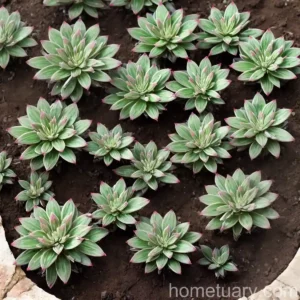
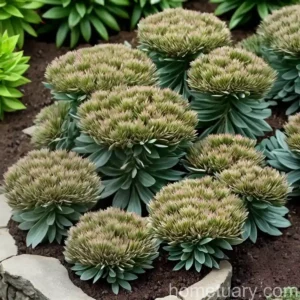
Stonecrop (Sedum rupestre ‘Making Progress’)
In the world of landscaping and gardening, one plant that is gaining popularity for its versatility and adaptability is the stonecrop (Sedum rupestre ‘Making Progress’). This hardy and low-maintenance succulent is known for its ability to thrive in various conditions and its beautiful, colorful foliage. In this comprehensive guide, we will explore the key characteristics of the stonecrop, its cultivation, care, landscaping uses, and much more.
What is Stonecrop (Sedum rupestre ‘Making Progress’)?
Stonecrop, scientifically known as Sedum rupestre ‘Making Progress’, is a perennial flowering plant that belongs to the Crassulaceae family. This plant is native to mountainous regions of Europe and Asia, where it can be found growing in rocky, well-drained soils. The name “stonecrop” is derived from the plant’s natural habitat, as it often grows on rocky cliffs and walls.
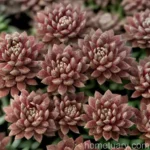
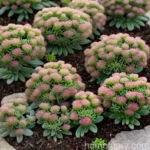
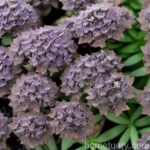
Sedum rupestre ‘Making Progress’ is a low-growing succulent that forms spreading mats of foliage, making it an ideal choice for ground cover, rock gardens, and container plantings. The plant is characterized by its fleshy, succulent leaves and clusters of star-shaped flowers that bloom in summer, adding a pop of color to the landscape.
Key Takeaways – Stonecrop (Sedum rupestre ‘Making Progress’)
Before delving into the specifics of stonecrop care and cultivation, let’s take a look at some key takeaways about this remarkable plant:
- Plant Name: Stonecrop (Sedum rupestre ‘Making Progress’)
- Family: Crassulaceae
- Plant Type: Perennial Succulent
- Native Habitat: Mountainous regions of Europe and Asia
- Characteristics: Fleshy, succulent leaves, star-shaped flowers, low-growing habit
- Cultivation: Well-drained soil, full sun to partial shade
- Uses: Ground cover, rock gardens, container plantings
- Hardiness Zones: 3-9
- Low-maintenance: Yes
- Drought Tolerance: High
- Attracts Wildlife: Yes
Now, let’s explore each of these aspects in more detail, from the plant’s cultural requirements to its landscaping uses and potential challenges that may arise in its care.
Culture
Cultivating stonecrop (Sedum rupestre ‘Making Progress’) involves understanding its specific requirements in terms of water, sunlight, soil, and maintenance. Here are the key cultural aspects to consider when growing this plant:
Uses
Stonecrop (Sedum rupestre ‘Making Progress’) serves multiple purposes in the garden and landscape. Some of its most common uses include:
- Ground Cover: The low-growing, spreading habit of stonecrop makes it an excellent ground cover plant, particularly for areas where other plants may struggle to thrive.
- Rock Gardens: Its ability to thrive in rocky, well-drained soils makes stonecrop an ideal choice for rock gardens and alpine plantings.
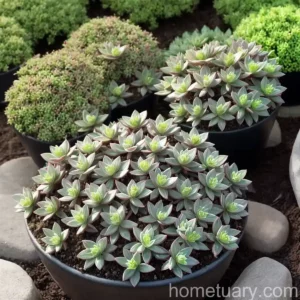
- Container Plantings: Due to its low-maintenance nature and visual appeal, stonecrop is often used in container gardens and succulent arrangements.
- Erosion Control: The dense mat of foliage formed by stonecrop helps prevent soil erosion on slopes and embankments.
Water
Stonecrop (Sedum rupestre ‘Making Progress’) is known for its drought tolerance and ability to thrive in dry conditions. While the plant is adapted to withstand periods of limited water, it’s essential to provide adequate moisture, especially during the establishment phase. Once the plant is well-rooted, it can survive with minimal irrigation, making it an excellent choice for water-wise landscapes and xeriscaping.
Sunlight
When it comes to sunlight requirements, stonecrop thrives in full sun to partial shade. In regions with hot summers, providing some afternoon shade can help prevent leaf scorch and maintain the plant’s vibrant coloration. However, in cooler climates, the plant can tolerate full sun without issue.
Fertilizer
One of the remarkable qualities of stonecrop (Sedum rupestre ‘Making Progress’) is its ability to thrive in nutrient-poor soils. Therefore, the plant generally does not require regular fertilization. In fact, excessive fertility can lead to leggy growth and reduced flower production. If needed, a light application of a balanced, low-nitrogen fertilizer in early spring can support healthy growth and flowering.
Soil
The key to success with stonecrop lies in providing well-drained soil. This plant is highly intolerant of waterlogged conditions, as its roots are prone to rot in excessively moist environments. Therefore, a sandy or gravelly soil with good drainage is essential for cultivating stonecrop. Amending heavy clay soils with organic matter and perlite can improve drainage and create an optimal growing medium for the plant.
Pruning
Pruning requirements for stonecrop (Sedum rupestre ‘Making Progress’) are minimal. However, removing spent flower heads after the bloom period can help maintain the plant’s appearance and encourage new growth. Additionally, trimming back any leggy or overgrown stems can promote a more compact growth habit.
Propagation
Stonecrop can be easily propagated through stem cuttings, division, or by collecting and sowing seeds. Stem cuttings taken in spring or early summer can root readily in a well-draining potting mix. Division of mature plants in spring or fall is another effective method of propagation, which also helps rejuvenate older clumps and promote healthy growth.
Container Popularity
The adaptability and visual appeal of stonecrop (Sedum rupestre ‘Making Progress’) make it a popular choice for container plantings. Its low-maintenance nature and ability to thrive in confined spaces make it well-suited for various types of containers, from traditional pots to hanging baskets and succulent arrangements.
Common Diseases and Pests
While stonecrop is generally resistant to most pests and diseases, certain issues may arise under specific conditions. Understanding these potential challenges can help in proactive management and maintaining the plant’s health.
Disease Diagnosis
One of the most common diseases affecting stonecrop is powdery mildew, a fungal infection that appears as a white powdery coating on the leaves. This issue is often associated with high humidity and poor air circulation. Ensuring proper spacing between plants, providing good airflow, and avoiding overhead watering can help prevent powdery mildew.
Common Pests
Stonecrop is relatively resistant to pests, but certain insects, such as aphids and scale, can occasionally infest the plant. Regular monitoring for signs of infestation, particularly on new growth and the undersides of leaves, can help detect pest problems early. Insecticidal soaps or horticultural oils can be used to manage minor pest issues, while more severe infestations may require targeted insecticides.
Botanist’s Tips
Incorporating stonecrop (Sedum rupestre ‘Making Progress’) into the landscape can bring numerous benefits, along with a few considerations to maximize its potential. Here are some botanist’s tips for successful cultivation and landscape design with stonecrop:
- Companion Plants: Pair stonecrop with other drought-tolerant perennials, such as ornamental grasses, lavender, yarrow, and coreopsis, to create visually appealing, water-wise plantings.
- Wildlife Attraction: Stonecrop’s nectar-rich flowers attract pollinators, including bees and butterflies, making it an excellent addition to wildlife-friendly gardens.
- Textures and Colors: Utilize the diverse foliage colors and textures of different stonecrop varieties to create contrast and visual interest in container gardens and mixed plantings.
- Low-Maintenance Landscapes: Incorporate stonecrop into low-maintenance landscapes, such as rock gardens and dry slopes, to minimize the need for irrigation and upkeep.
Fun Facts
- Stonecrop (Sedum rupestre ‘Making Progress’) is commonly known as “reflexed stonecrop” due to the downward-curved orientation of its fleshy leaves.
- The plant’s ability to store water in its leaves makes it well-adapted to arid environments and periods of drought.
- Certain varieties of stonecrop develop striking, bronze-colored foliage in response to cold temperatures, adding seasonal interest to the landscape.
Links to External Resources
For further information on stonecrop (Sedum rupestre ‘Making Progress’), its care, and landscaping uses, consider exploring the following resources:
- Sedum rupestre varieties
- Sedum rupestre ‘Making Progress’ plant care
- Stonecrop Sedum rupestre characteristics
- Sedum rupestre ‘Making Progress’ propagation
- Stonecrop Sedum rupestre cultivation
- Sedum rupestre ‘Making Progress’ growth habit
- Stonecrop Sedum rupestre varieties
- Sedum rupestre ‘Making Progress’ landscaping uses
Continued at: External Resources Continued
This guide provides an in-depth overview of stonecrop (Sedum rupestre ‘Making Progress’) and its various aspects, from cultural requirements to landscaping uses and additional resources for further exploration. By understanding the unique characteristics and needs of this plant, gardeners and landscaping enthusiasts can harness its potential to create beautiful, low-maintenance landscapes and container plantings.