Sambucus Racemosa (Red Elderberry)
Sambucus racemosa, commonly known as Red Elderberry, is a captivating plant species that holds important cultural, historical, and ecological significance..
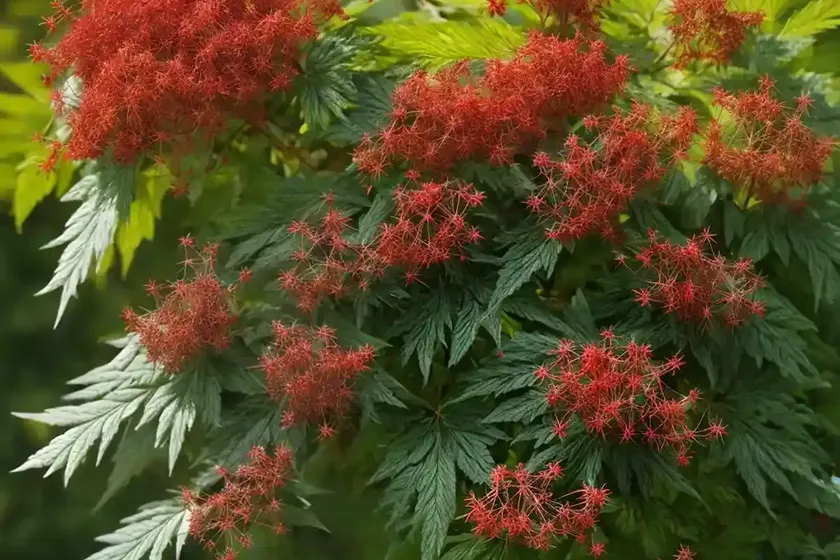
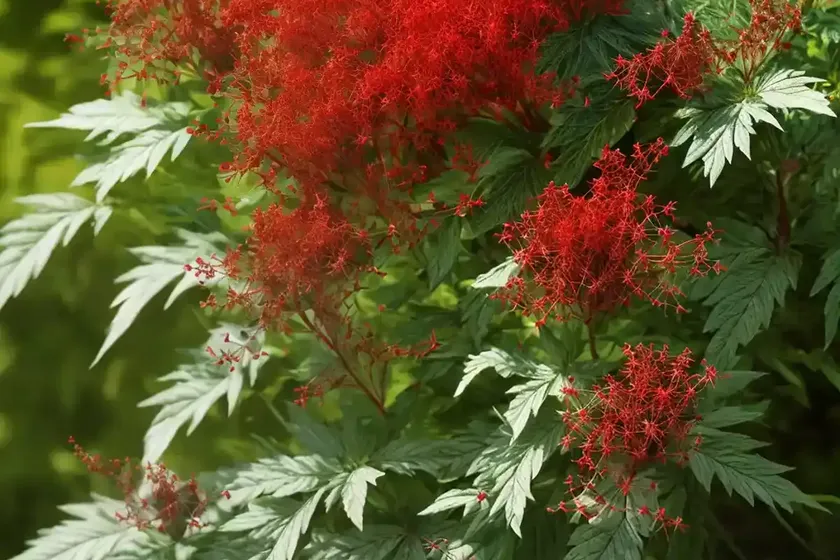
Sambucus racemosa, commonly known as Red Elderberry, is a captivating plant species that holds important cultural, historical, and ecological significance. This native plant has been utilized for centuries by various cultures for its medicinal properties, vibrant berries, and ecological role in supporting wildlife. In this comprehensive guide, we will delve into the characteristics, cultural significance, uses, and conservation importance of Sambucus racemosa, providing valuable insights for plant enthusiasts, conservationists, and individuals interested in ethnobotany and natural remedies.
What is Sambucus racemosa (Red Elderberry)?
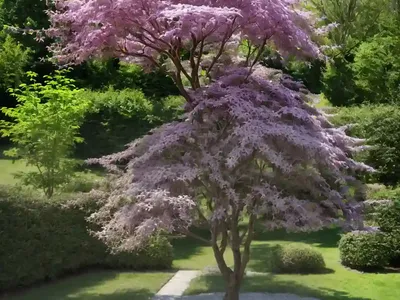
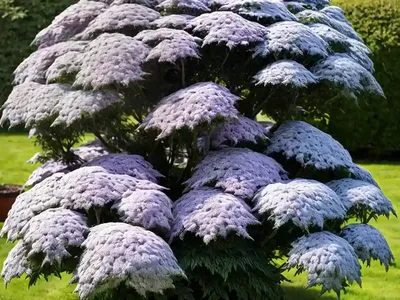
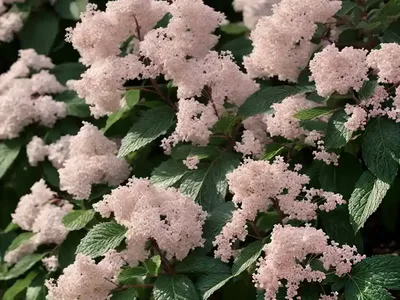
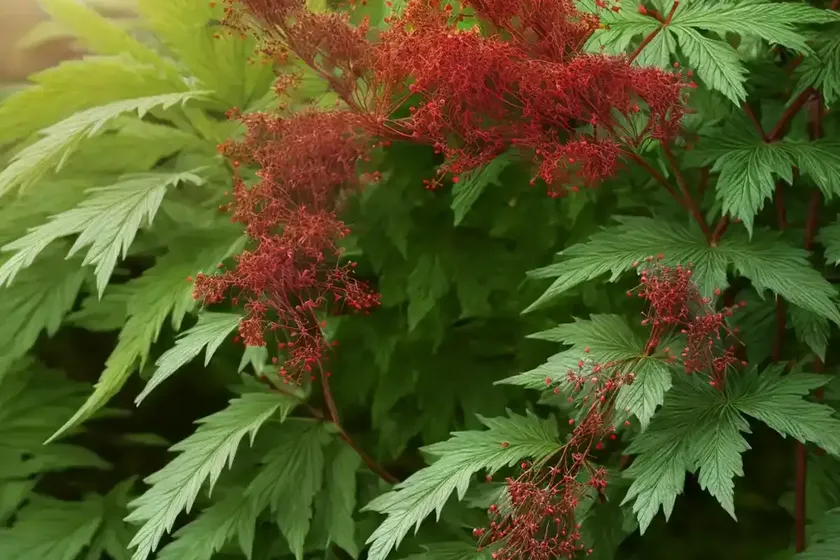
Sambucus racemosa, belonging to the Adoxaceae family, is a deciduous shrub that is native to temperate regions of North America, Europe, and Asia. This plant typically grows to a height of 5-12 feet and displays attractive clusters of bright red berries that are popular among wildlife. Its distinguishing features include pinnate leaves, creamy white flowers, and clusters of small, bright red berries. The Red Elderberry’s scientific name, Sambucus racemosa, is derived from the Greek word “sambuke” and the Latin word “racemus,” referring to musical instruments and clusters of berries, respectively, due to its historical uses and distinctive berry clusters.
Key Takeaways – Sambucus racemosa (Red Elderberry)
Culture
Sambucus racemosa is deeply rooted in various cultures and has been revered for its diverse uses and folklore. Across different regions, the Red Elderberry has been incorporated into traditional medicine, arts and crafts, and culinary practices, serving as a symbol of abundance, protection, and healing.
Uses
The uses of Red Elderberry are multifaceted, ranging from traditional medicine and culinary applications to its role as an important wildlife food source. Its berries have been utilized in the preparation of jams, jellies, and syrups, while also being recognized for their medicinal properties and significance in folklore and myths.
Water
Red Elderberry, being a versatile plant species, displays moderate water needs. It thrives in moist soil conditions and benefits from regular watering, especially during its initial establishment and periods of drought.
Sunlight
When considering the ideal growing conditions for Sambucus racemosa, it is important to provide it with partial to full sunlight. While it can tolerate partial shade, ample sunlight supports the plant’s growth and encourages abundant flowering and fruit production.
Fertilizer
During its growing season, applying a balanced fertilizer, such as a 10-10-10 formulation, can promote healthy growth and berry development. However, this plant generally thrives in nutrient-rich soil without excessive reliance on fertilizers.
Soil
Red Elderberry prefers well-draining, humus-rich soil with a slightly acidic to neutral pH. Amending the soil with organic matter and ensuring proper drainage is crucial for its overall health and vigor.
Pruning
Pruning plays a vital role in maintaining the shape and vigor of Sambucus racemosa. It is typically recommended to conduct pruning during the dormant season to encourage new growth and maintain an open structure.
Propagation
Red Elderberry can be propagated through various methods such as hardwood cuttings, softwood cuttings, and seeds. These propagation techniques enable the cultivation and preservation of this valuable plant species.
Container Popularity
While Red Elderberry can thrive in containers, it is essential to select large, well-draining containers to accommodate its extensive root system and maximize growth potential.
Common Diseases
The Red Elderberry is generally resistant to pests and diseases, although it may occasionally be susceptible to powdery mildew, leaf spot, and aphid infestations.
Disease Diagnosis
Regular monitoring for symptoms such as powdery mildew on the leaves and abnormal growth patterns can aid in early disease diagnosis and prompt treatment.
Common Pests
Although relatively pest-resistant, Red Elderberry may attract aphids, which can be managed through natural predators or insecticidal soaps.
Botanist’s Tips
For enthusiasts and botanists interested in growing Sambucus racemosa, careful attention to soil moisture, sunlight exposure, and proper pruning techniques can contribute to its successful cultivation.
Fun Facts
- The bright red berries of Sambucus racemosa are highly attractive to birds and animals, contributing to its ecological importance.
- Throughout history, the Red Elderberry has been associated with various folklore, traditions, and cultural practices, representing diverse meanings across different societies.
Links to External Resources
- The Plant List – Sambucus racemosa
- USDA Plants Database – Sambucus racemosa
- Missouri Botanical Garden – Sambucus racemosa
As a plant scientist, it is fascinating to explore the diverse aspects of Sambucus racemosa, from its ecological role as a wildlife food source to its cultural significance and traditional uses. By understanding the characteristics, uses, and conservation importance of Red Elderberry, we can appreciate its contribution to ecosystems and its enduring appeal in various cultural practices.