Vaccinium Myrsinites (Evergreen Blueberry)
Vaccinium myrsinites, commonly known as Evergreen Blueberry, is a fascinating and valuable plant that offers an array of benefits. This remarkable species.
Introduction
Vaccinium myrsinites, commonly known as Evergreen Blueberry, is a fascinating and valuable plant that offers an array of benefits. This remarkable species belongs to the Vaccinium genus, which encompasses several economically important plants, including blueberries and cranberries. In this extensive guide, we will explore the key aspects of the Vaccinium myrsinites plant, ranging from its cultural requirements, uses, diseases, and much more. Whether you are a seasoned gardener or a novice enthusiast, this guide will equip you with the knowledge needed to cultivate and care for Evergreen Blueberry plants effectively.
About Vaccinium myrsinites (Evergreen Blueberry)
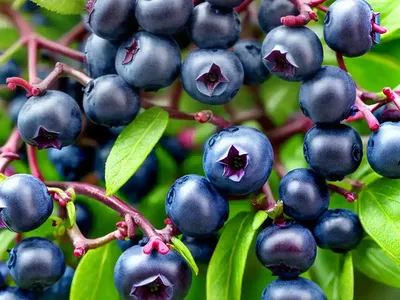
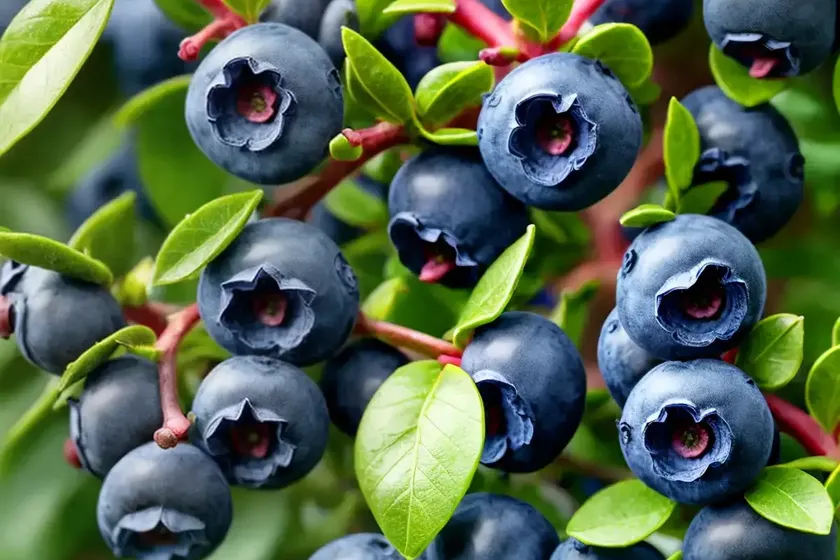
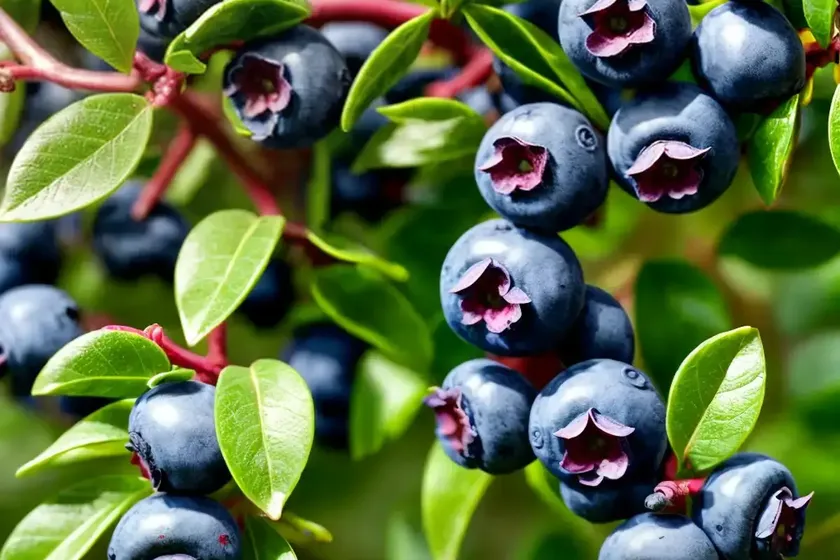
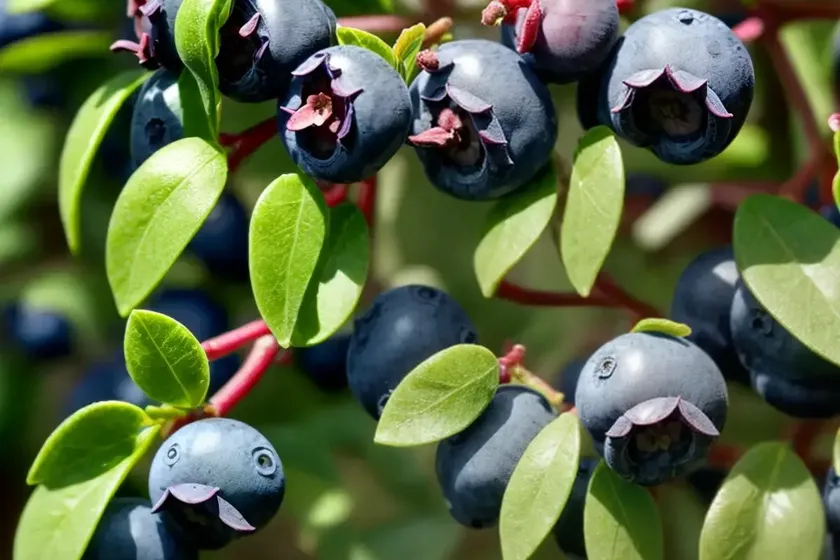
Vaccinium myrsinites, or Evergreen Blueberry, is a species of blueberry native to the southeastern United States. It is a low-growing, evergreen shrub that thrives in acidic soils, typically found in pinelands, bogs, and sandy woods. This species is well-adapted to its natural environment, featuring small, glossy, oval leaves, small bell-shaped flowers, and delicious blueberries that ripen in the spring.
The Evergreen Blueberry plant is renowned for its ornamental appeal and its production of delectable blueberries. This combination of aesthetic charm and culinary utility makes it a popular choice for both ornamental and edible landscaping.
Key Takeaways – Vaccinium myrsinites (Evergreen Blueberry)
Culture
- Native Habitat: Evergreen Blueberry is indigenous to the southeastern United States, where it thrives in acidic soils, particularly in pinelands, bogs, and sandy woods.
- Soil: The plant requires well-draining, acidic soil with a pH level between 4.5 and 5.2 for optimal growth.
- Sunlight: It flourishes in full to partial sunlight, making it suitable for both sunny and partially shaded locations.
- Watering: Evergreen Blueberry plants necessitate consistent moisture, and they are particularly sensitive to drought conditions.
- Hardiness Zones: It is best suited for USDA hardiness zones 7 to 9.
Uses
- Ornamental: Evergreen Blueberry is valued for its ornamental attributes, including its glossy green foliage, delicate flowers, and attractive fruit.
- Edible: The species produces flavorful, small blueberries that are suitable for fresh consumption or culinary applications, such as baking, jams, and preserves.
Fertilizer
- Acidic Fertilizer: To support the plant’s specialized soil requirements, use a fertilizer specifically formulated for acid-loving plants, such as those designed for azaleas or rhododendrons.
Pruning
- Pruning Techniques: Regular pruning is essential to maintain the plant’s shape, remove dead or diseased branches, and promote fruit production.
Propagation
- From Seeds: Evergreen Blueberry plants can be propagated from seeds, which should be sown in well-draining, acidic soil mixtures.
Container Popularity
- Container Gardening: The compact size and ornamental appeal of Evergreen Blueberry plants make them well-suited for container gardening, allowing individuals with limited outdoor space to cultivate these plants effectively.
Common Diseases
- Leaf Diseases: Evergreen Blueberry is susceptible to common fungal leaf diseases, such as anthracnose and powdery mildew, which can be managed through proper cultural practices and, if necessary, targeted fungicide applications.
Disease Diagnosis
- Symptom Identification: Promptly diagnosing and addressing symptoms of disease, such as spotted or disfigured leaves, can aid in the prevention and control of potential infections.
Common Pests
- Insect Pests: Blueberry maggot, aphids, and mites are among the primary insect pests that can affect Evergreen Blueberry plants, necessitating proactive pest management strategies.
Botanist’s Tips
- Soil Acidity: Maintaining the appropriate soil pH is crucial for the plant’s overall health and productivity.
- Hydration: Regular and consistent watering is paramount, especially during the fruiting period, to ensure the development of high-quality blueberries.
- Pruning Prudence: Adhering to recommended pruning techniques and schedules can optimize fruit production and maintain plant vigor.
Fun Facts
- Evergreen Blueberry plants are valuable for wildlife, attracting birds and other small animals with their fruit.
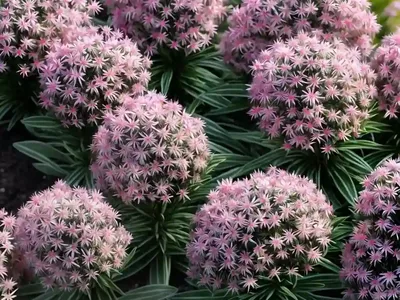
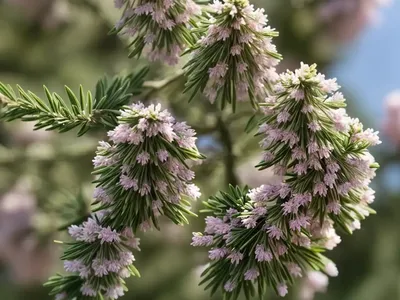
- The plant’s delicate, bell-shaped flowers provide aesthetic appeal and serve as an important food source for pollinators.
External Resources
For additional information on Vaccinium myrsinites (Evergreen Blueberry), explore the following resources:
- University of Florida IFAS Extension: Blueberry Gardener’s Guide
- North Carolina State University: Production and Management of Blueberries in North Carolina
- The United States National Arboretum: Vaccinium myrsinites
Through these reputable sources, you can further enrich your understanding of Evergreen Blueberry cultivation, care, and utilization.
As you embark on your journey of cultivating and caring for Vaccinium myrsinites (Evergreen Blueberry), these insights and guidelines will undoubtedly assist you in fostering healthy, productive plants. Whether you seek to savor the delectable blueberries, enhance your landscape with ornamental beauty, or contribute to wildlife conservation, this remarkable species offers an array of rewards for gardeners and nature enthusiasts alike.