Sedum sieboldii ‘Mediovariegatum’ (October Daphne Stonecrop)
What is a plant?
A plant is a multicellular organism of the kingdom Plantae, predominantly photosynthetic eukaryotes of the land, water, and air environment. They vary in sizes from tiny duckweeds to giant sequoias and comes in a variety of shapes, sizes, and colors. Plants have the capacity of producing their own food and hence, are also known as autotrophs. They convert light energy from the sun into chemical energy stored in molecules within their cells. Plants are crucial for life on earth as they provide food, oxygen, and habitat for organisms, control climate, and help maintain the water cycle.
Introduction to Sedum sieboldii ‘Mediovariegatum’ (October Daphne Stonecrop)
Sedum sieboldii ‘Mediovariegatum’ is a beautiful and versatile succulent that is beloved by many gardeners for its unique foliage and low-maintenance nature. Commonly known as the October Daphne Stonecrop, this plant is a cultivar of Sedum sieboldii, a species of flowering plant in the family Crassulaceae. Native to Japan, this plant is an excellent addition to rock gardens, containers, or as ground cover due to its trailing habit and stunning visual appeal.
Key Takeaways – Sedum sieboldii ‘Mediovariegatum’ (October Daphne Stonecrop)
- Botanical Name: Sedum sieboldii ‘Mediovariegatum’
- Common Name: October Daphne Stonecrop
- Family: Crassulaceae
- Plant Type: Perennial Succulent
- Mature Size: 6-8 inches tall, 12-24 inches wide
- Sun Exposure: Full sun to partial shade
- Soil Type: Well-draining, sandy soil
- Hardiness Zones: 6-9
- Bloom Time: Late summer to early fall
- Flower Color: Pink
- Drought Tolerance: High
Plant Profile
Sedum sieboldii ‘Mediovariegatum’ is a visually appealing succulent with multiple characteristics that make it a desirable addition to gardens and landscapes. Let’s explore the plant profile of the October Daphne Stonecrop and understand its distinctive traits.
| Characteristic | Description |
|---|---|
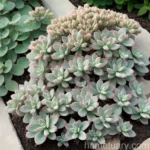
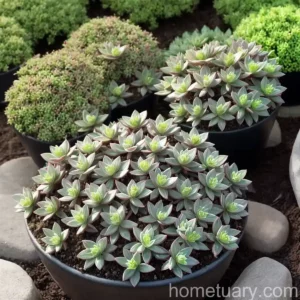
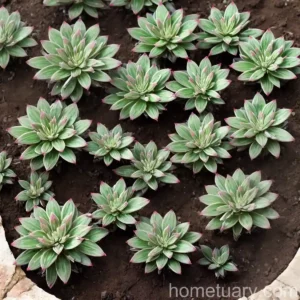
| Foliage | Rounded, fleshy, blue-green leaves with creamy white edges |
| Flowers | Star-shaped pink flowers in late summer to early fall |
| Growth Habit | Trailing and spreading, creating a lush carpet of foliage |
| Maintenance | Low maintenance, requiring minimal care and attention |
| Landscaping Uses | Ground cover, rock gardens, containers, borders, and edging plants |
| Companion Plants | Succulents, ornamental grasses, and other low-maintenance perennials |
Culture
Uses
Sedum sieboldii ‘Mediovariegatum’ has several uses in gardening and landscaping due to its ornamental features and adaptability to various growing conditions. Some common uses include:
- Ground Cover: Its trailing habit makes it an excellent choice for covering bare ground in sunny locations.
- Rock Gardens: The low-growing nature and attractive foliage make it a perfect addition to rock gardens, particularly in combination with other succulents.
- Containers: Due to its spreading habit and visual appeal, it is well-suited for container gardening, including hanging baskets and mixed planters.
- Borders and Edging: The low-growing nature and colorful foliage make it an ideal border or edging plant for garden beds.
Water
Proper watering is crucial for the health and vitality of Sedum sieboldii ‘Mediovariegatum’. Being a succulent, it is sensitive to overwatering and requires a well-draining soil to prevent waterlogged conditions, which can lead to root rot. Here are some key points to consider regarding watering requirements:
- Frequency: Water deeply but infrequently, allowing the soil to dry out between watering sessions.
- Established Plants: Once established, it is relatively drought-tolerant and can withstand short periods of dryness.
- Avoid Overwatering: Overwatering can lead to root rot and other issues, so it is essential to exercise caution and monitor soil moisture levels.
Sunlight
Sedum sieboldii ‘Mediovariegatum’ thrives in bright sunlight and is well-suited to sunny locations in the garden or landscape. Adequate sunlight is essential for the plant’s growth, foliage color, and overall health. Some key points related to sunlight requirements include:
- Full Sun to Partial Shade: It performs best in full sun, but can tolerate partial shade, particularly in hot climates.
- Foliage Color: Intense sunlight enhances the blue-green coloration of the leaves and promotes compact growth.
- Indoor Cultivation: When grown indoors, it should be placed in a location that receives bright, indirect sunlight.
Fertilizer
Fertilization is an important part of maintaining the health and vigor of Sedum sieboldii ‘Mediovariegatum’. However, it is not a heavy feeder like some other plants and requires minimal fertilization. Here are some key considerations regarding fertilizing this succulent:
- Frequency: Apply a balanced, slow-release fertilizer in spring to provide essential nutrients for the growing season.
- Dilution: Always dilute the fertilizer to half strength to avoid burning the plant’s roots.
- Avoid Over-fertilization: Excessive fertilization can lead to leggy growth and reduced drought tolerance.
Soil
The right soil conditions are crucial for the successful growth of Sedum sieboldii ‘Mediovariegatum’. It requires well-draining soil to prevent waterlogging and root rot. Here are some essential aspects of soil requirements for this plant:
- Well-Draining: It thrives in loose, well-draining soil that prevents water from pooling around the roots.
- Sandy Soil: A sandy or rocky soil mixture is ideal for replicating its natural habitat and ensures proper drainage.
- pH Level: It prefers slightly acidic to neutral soil with a pH range of 6.0-7.0.
Pruning
Pruning is generally minimal for Sedum sieboldii ‘Mediovariegatum’, as it has a naturally compact and tidy growth habit. However, occasional trimming may be necessary to remove dead or decaying foliage and encourage bushy growth. Some key points related to pruning include:
- Deadheading: Remove spent flower heads to promote further blooming and maintain a neat appearance.
- Propagation: Trim healthy stems for propagation purposes, as discussed in the next section.
Propagation
Propagating Sedum sieboldii ‘Mediovariegatum’ is a straightforward process and can be achieved through stem cuttings or division. Here are the primary methods of propagation for this plant:
- Stem Cuttings: Take 2-3 inch stem cuttings and allow them to callous before planting them in a well-draining potting mix.
- Division: Divide mature plants in spring, separating the offsets and planting them in individual containers or garden locations.
- Rooted Cuttings: Once the cuttings have established roots, they can be transplanted into their permanent growing positions.
Container Popularity
The October Daphne Stonecrop is a popular choice for container gardening due to its cascading growth habit and stunning foliage. When grown in containers, it adds a touch of elegance to patios, balconies, and outdoor living spaces. Some of the key aspects related to its container gardening popularity include:
- Versatility: It works well in both standalone container plantings and mixed planters, complementing a wide range of companion plants.
- Drought Tolerance: Its ability to withstand periods of dryness makes it an excellent choice for low-maintenance container gardens.
- Winter Care: Containers offer the advantage of mobility, allowing the plant to be moved to a protected location during harsh winter conditions.
Common Diseases
While Sedum sieboldii ‘Mediovariegatum’ is relatively resistant to diseases, it may occasionally face issues that can impact its health and growth. Recognizing and addressing common diseases is essential to ensure the plant’s well-being. Some common diseases that may affect this succulent include:
- Powdery Mildew: This fungal disease can cause a powdery white coating on the leaves, leading to reduced photosynthesis and vigor.
- Root Rot: Overwatering can lead to root rot, causing the plant to wilt and exhibit overall decline.
- Leaf Spot: Fungal leaf spot diseases can lead to the development of dark spots on the foliage, affecting its visual appeal.
Disease Diagnosis
Correctly diagnosing diseases that affect Sedum sieboldii ‘Mediovariegatum’ is crucial for implementing appropriate management strategies. Here are some key steps for disease diagnosis:
- Symptom Recognition: Carefully observe the plant for any unusual symptoms such as discoloration, wilting, or abnormal growth.
- Laboratory Analysis: In severe cases, a laboratory analysis of the affected tissue can help identify the specific pathogen responsible for the disease.
- Professional Consultation: Seek guidance from a plant health specialist or extension service if unsure about the nature of the disease affecting the plant.
Common Pests
Pests can pose a threat to the health and vitality of Sedum sieboldii ‘Mediovariegatum’, although it is relatively resistant to pest infestations. However, being aware of potential pests and their management is essential for maintaining the plant’s well-being. Some common pests that may affect this succulent include:
- Aphids: These small, sap-sucking insects can cause distorted growth and transmit viral infections.
- Spider Mites: These tiny arachnids can create fine webbing on the plant and cause damage to the foliage.
- Snails and Slugs: These mollusks feed on the tender foliage and can cause significant damage if left unchecked.
Additional Tips
As a plant scientist, I would like to provide some additional tips for growing and caring for Sedum sieboldii ‘Mediovariegatum’ based on my expertise:
- Winter Protection: In areas with harsh winters, provide winter protection by mulching around the base of the plant to insulate the roots.
- Companion Plants: Consider planting it alongside other drought-tolerant succulents and ornamental grasses for a visually striking display.
- Wildlife Gardens: The nectar-rich flowers of the October Daphne Stonecrop attract butterflies and bees, making it a valuable addition to wildlife gardens.
- Indoor Cultivation: It can be grown indoors in containers, provided it receives adequate sunlight and good air circulation.
Fun Facts
Here are some fun and fascinating facts about Sedum sieboldii ‘Mediovariegatum’ (October Daphne Stonecrop) to further enrich your knowledge about this lovely succulent:
- The specific epithet “sieboldii” honors Philipp Franz von Siebold, a German physician, botanist, and traveler who introduced many Japanese plants to the Western world.
- This plant is known for its resilience and is often used in xeriscaping projects due to its drought tolerance and low water requirements.
- Sedum sieboldii ‘Mediovariegatum’ is an ideal candidate for green roof installations due to its ability to thrive in shallow soil and harsh environmental conditions.
Links to External Resources
Sedum sieboldii ‘Mediovariegatum’ Plant Care
For comprehensive information about October Daphne Stonecrop care, propagation, and maintenance, I recommend referring to the following reliable resources:
- Gardeners’ World – Sedum sieboldii ‘Mediovariegatum’
- Royal Horticultural Society – Sedum sieboldii ‘Mediovariegatum’ Plant Profile
- The Spruce – October Daphne Stonecrop Care Guide
These resources offer valuable insights into the care, propagation, and landscaping uses of Sedum sieboldii ‘Mediovariegatum’ and can serve as excellent references for plant enthusiasts and gardeners.
In conclusion, Sedum sieboldii ‘Mediovariegatum’ (October Daphne Stonecrop) is a captivating succulent with a versatile nature and remarkable adaptability to various environmental conditions. Its stunning foliage and low-maintenance attributes make it an excellent choice for gardeners seeking a visually appealing and resilient plant for their outdoor or indoor spaces. By understanding its specific requirements and growth habits, enthusiasts can ensure the successful cultivation and enjoyment of this beautiful succulent in their gardens and landscapes.
Remember, the joy of growing plants lies in discovering and appreciating their unique characteristics and embracing the nuances of their care. As a plant scientist, I encourage all gardening enthusiasts to explore the beauty and diversity of plants like Sedum sieboldii ‘Mediovariegatum’ and embark on a journey of horticultural discovery.
As always, the world of plants offers endless opportunities for learning, and I hope this guide inspires you to delve deeper into the fascinating realm of succulent plants and their captivating allure.
Happy gardening!