Rosa ‘Wickwar’ (Rambling Rose)
Rosa ‘Wickwar’, also known as the Rambling Rose, is a strikingly beautiful and robust plant that belongs to the Rosa genus. This variety is cherished for.
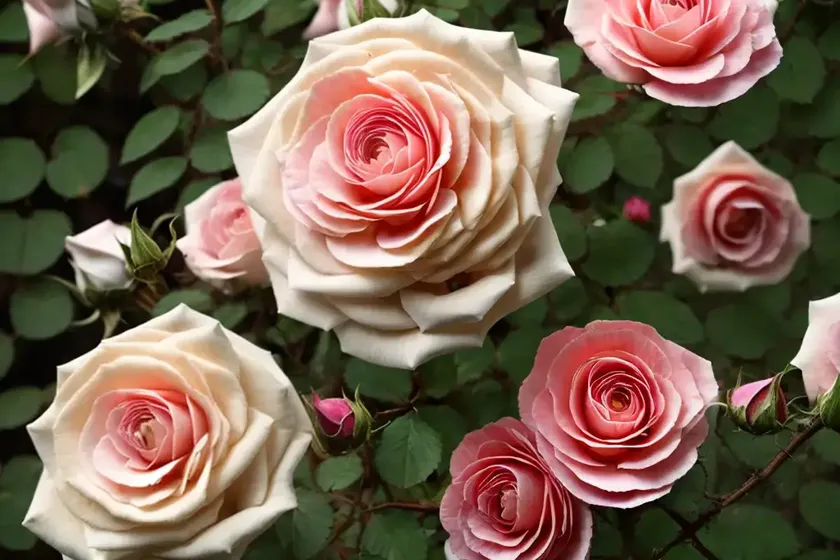

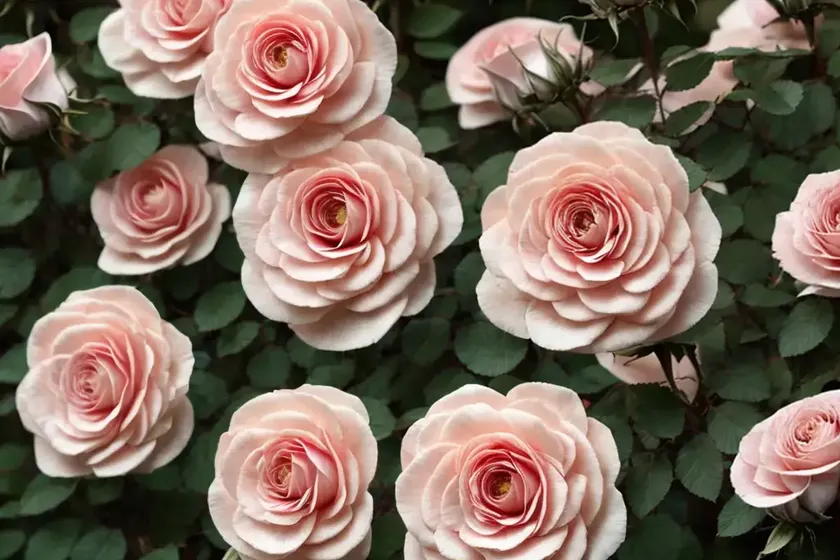
Rosa ‘Wickwar’, also known as the Rambling Rose, is a strikingly beautiful and robust plant that belongs to the Rosa genus. This variety is cherished for its vigorous growth habit, fragrant flowers, and ability to cover large areas with its cascading canes. In this guide, we will delve into the various aspects of cultivating and caring for this exquisite plant, including its cultural requirements, uses, propagation methods, common diseases and pests, as well as some fun and interesting facts. Whether you are a seasoned gardener or just starting with your green thumb, this article aims to equip you with the essential knowledge to nurture and enjoy the charming Rosa ‘Wickwar’ in your own garden landscape.
Key Takeaways – Rosa ‘Wickwar’ (Rambling Rose)
Before we venture deeper into the specifics of cultivating and caring for Rosa ‘Wickwar’, let’s first recap some key points about this delightful variety:
- Belongs to the Rosa genus.
- Recognized for its vigorous growth and trailing or climbing habits.
- Produces fragrant and visually appealing flowers.
- Suitable as a climber or for use in a garden landscape.
- Requires proper pruning and maintenance for optimal growth and flowering.
Now that we have a snapshot of what Rosa ‘Wickwar’ has to offer, let’s explore the in-depth care and requirements for nurturing this magnificent plant.
Culture
Understanding the culture and habitat requirements of Rosa ‘Wickwar’ is crucial for ensuring its optimal growth and performance in the garden. Here’s a detailed look at the cultural aspects of this exquisite variety:
Water
- Rosa ‘Wickwar’ thrives in well-draining soil and appreciates regular watering, especially during periods of dry weather.
- While it is important to maintain adequate soil moisture, it is equally essential to prevent waterlogging, as this can lead to root rot and other moisture-related issues.
- When watering, it’s best to apply the water at the base of the plant to avoid wetting the foliage excessively, which can make the plant susceptible to diseases such as powdery mildew.
Sunlight
- This variety of Rambling Rose prefers a location that receives at least six hours of direct sunlight per day.
- Adequate sunlight exposure ensures prolific flowering and robust growth, making it imperative to select a planting spot that receives ample sunlight.
Fertilizer
- To support the vigorous growth and blooming of Rosa ‘Wickwar’, regular feeding with a balanced fertilizer is beneficial.
- Apply a high-quality fertilizer formulated for flowering plants during the growing season, following the manufacturer’s recommendations for application rates and frequency.
- Additionally, incorporating organic matter into the soil during planting or as a topdressing can provide valuable nutrients to support the plant’s overall health and vigor.
Soil
- Well-drained, fertile soil forms the ideal growing medium for Rosa ‘Wickwar’.
- Prior to planting, amend the soil with organic matter such as compost to improve its structure and fertility.
- A slightly acidic to neutral pH range (6.0-7.0) is generally favorable for the cultivation of this variety.
Pruning
Pruning plays a pivotal role in shaping the growth and overall appearance of Rosa ‘Wickwar’. Proper pruning not only encourages abundant flowering but also helps maintain the plant’s desired form and size. Here are some essential considerations for pruning this rambling rose variety:
-
Timing: Prune Rosa ‘Wickwar’ during late winter or early spring before new growth emerges. This timing allows for the removal of dead, damaged, or diseased wood while promoting vigorous regrowth during the upcoming growing season.
-
Techniques: When pruning, focus on removing spent flowers, thinning out overcrowded growth, and shaping the plant as desired. Additionally, the removal of weak or crossing canes helps improve air circulation and reduces the risk of disease.
-
Tools: Utilize sharp, clean pruning shears to make precise cuts, minimizing the potential for damage and disease transmission.
By adhering to appropriate pruning practices, you can harness the full potential of Rosa ‘Wickwar’ and maintain its health and visual appeal.
Propagation
Propagation offers a means to expand your collection of Rosa ‘Wickwar’ plants or share its beauty with fellow gardening enthusiasts. While this variety can be propagated through various methods such as cuttings, layering, or division, here’s an overview of propagation via stem cuttings:
Stem Cuttings:
-
Preparation: Select healthy, disease-free stems for taking cuttings. Choose semi-hardwood stems, typically from the current season’s growth, for optimal success.
-
Cutting Preparation: Using sharp, sterilized pruners, take cuttings that are around 6-8 inches long, ensuring each cutting possesses at least two sets of leaves.
-
Rooting Medium: Prepare a well-draining rooting medium, such as a mix of perlite and peat, and make planting holes using a dibber or pencil.
-
Planting: Dip the cut end of the stem in a rooting hormone to encourage root development, then carefully insert the cutting into the prepared planting holes.
-
Care: Place the cuttings in a warm, lightly shaded location and maintain consistent moisture levels to support root initiation and development.
By carefully tending to the propagated cuttings, you can look forward to establishing new Rosa ‘Wickwar’ plants that mirror the characteristics and charm of the parent specimen.
Uses
Rosa ‘Wickwar’ boasts versatile uses in the garden landscape, from adorning arches and trellises to creating captivating cascades of blooms. Let’s explore some common uses that make this rambling rose variety a cherished addition to any outdoor space:
-
Climbing and Trailing: Due to its vigorous growth and flexible canes, Rosa ‘Wickwar’ is well-suited for training and supporting along fences, pergolas, and other structures, imparting an elegant and romantic ambiance to the garden.
-
Garden Borders: Planting Rosa ‘Wickwar’ along garden borders or as a backdrop to other perennial or annual plants introduces a charming visual element and contributes to the overall aesthetic appeal of the garden.
-
Containers: While traditionally known for its use in larger landscapes, Rosa ‘Wickwar’ can also be cultivated in large containers, allowing gardeners with limited space to enjoy its beauty on patios or balconies.
-
Wildlife Habitat: The abundant blooms of Rosa ‘Wickwar’ attract pollinators such as bees and butterflies, elevating its value in wildlife-friendly garden designs.
With its adaptability to various garden settings and its ability to enhance the natural beauty of outdoor spaces, Rosa ‘Wickwar’ stands out as a versatile and sought-after plant for horticultural and landscape applications.
Popularity
The enduring popularity of Rosa ‘Wickwar’ is a testament to its enchanting characteristics and its ability to captivate the hearts of garden enthusiasts and landscaping professionals alike. Its timeless appeal and versatile uses have secured its place as a beloved plant variety in horticultural circles and garden landscapes across the globe.
Garden Design:
-
In garden design, Rosa ‘Wickwar’ is often employed to create captivating focal points, enhance vertical elements, and infuse areas with its captivating fragrance and visual allure.
-
Its popularity in landscape applications extends to both residential and public gardens, where the plant’s cascading canes and profusion of blooms contribute to creating memorable and picturesque outdoor settings.
Historical Significance:
-
The historical significance of Rosa ‘Wickwar’ further elevates its popularity, with its heritage and legacy rooted in its timeless beauty and enduring qualities.
-
Whether adorning historical estates, botanical gardens, or contemporary landscapes, the allure of Rosa ‘Wickwar’ transcends time and continues to enchant successive generations of plant enthusiasts and nature admirers.
Common Diseases
While Rosa ‘Wickwar’ exhibits robust growth and disease resistance, it is still susceptible to certain common diseases that can affect the health and vitality of the plant if left unaddressed. Familiarizing yourself with these potential issues equips you to implement preventive measures and early intervention when necessary.
Disease Diagnosis:
-
Powdery Mildew: This fungal disease manifests as a white powdery coating on the leaves and stems, potentially leading to leaf distortion and reduced photosynthetic efficiency. Adequate air circulation and prompt treatment with fungicidal sprays help manage powdery mildew.
-
Black Spot: Black spot presents as dark spots on the upper leaf surfaces, often accompanied by yellowing and premature defoliation. Enhanced air circulation, regular sanitation, and fungicidal treatments aid in controlling black spot.
-
Botrytis Blight: Also known as gray mold, botrytis blight causes a grayish mold to develop on flowers and foliage, particularly in humid conditions. Removing affected plant parts, maintaining dry foliage, and providing ample spacing between plants assist in managing botrytis blight.
By monitoring the plant for signs of these diseases and implementing appropriate cultural practices and treatments, you can safeguard the health and vitality of Rosa ‘Wickwar’ in your garden.
Common Pests
In addition to diseases, several pests have the potential to infest Rosa ‘Wickwar’ and compromise its growth and blooming performance. Identifying these pests and implementing proactive pest management strategies is essential for maintaining the plant’s vigor and flowering ability.
-
Aphids: These small sap-sucking insects can congregate on new growth, causing distortion and stunted development. Natural predators, insecticidal soaps, and horticultural oils are effective in controlling aphid populations.
-
Spider Mites: Spider mites are diminutive pests that thrive in hot and dry conditions, causing stippling and webbing on the foliage. Regular misting and the application of miticides help manage spider mite infestations.
-
Japanese Beetles: These voracious feeders consume the foliage and petals of Rosa ‘Wickwar’, requiring diligent handpicking and the use of beetle traps to reduce their impact on the plant.
By keeping a watchful eye on the plant and promptly addressing pest issues through suitable control measures, you can shield Rosa ‘Wickwar’ from the detrimental effects of pest infestations.
Botanist’s Tips
As a plant scientist, I’d like to share some valuable tips to enhance your success in cultivating and caring for Rosa ‘Wickwar’:
-
Mulching: Apply a layer of organic mulch around the base of the plant to conserve soil moisture, suppress weed growth, and provide insulation against temperature fluctuations.
-
Support Structures: Ensure sturdy and reliable support structures for training the canes of Rosa ‘Wickwar’, particularly when utilizing it as a climber or trailing plant.
-
Regular Inspection: Schedule routine inspections of the plant to promptly detect and address any signs of diseases, pests, or cultural issues, safeguarding its overall health and growth.
-
Winter Protection: In regions with harsh winters, consider providing winter protection such as mulching around the base and gently securing the canes to prevent winter damage.
By integrating these expert recommendations into your approach to nurturing Rosa ‘Wickwar’, you can cultivate a flourishing and visually captivating specimen in your garden landscape.
Fun Facts
-
The Rosa ‘Wickwar’ variety is celebrated for its captivating fragrance, often described as a blend of delicate floral notes with hints of citrus and spice, adding an olfactory delight to garden settings.
-
The flexible canes of Rosa ‘Wickwar’ enable creative and artistic pruning and training, making it a favorite for creating enchanting arches, trellises, and cascading displays of blooms.
-
The blooms of Rosa ‘Wickwar’ are renowned for their alluring colors, spanning from soft pastels to vibrant hues, offering a diverse palette to complement various garden themes and color schemes.
-
Rosa ‘Wickwar’ holds a place in folklore and literature, symbolizing love, beauty, and elegance, further enriching its appeal and cultural significance.
Now armed with insights into the cultural practices, uses, propagation methods, and common issues associated with Rosa ‘Wickwar’, you are poised to cultivate, care for, and appreciate the timeless charm and allure of this remarkable rambling rose variety.
Links to External Resources
For further exploration of Rosa ‘Wickwar’ and related horticultural topics, we recommend the following external resources:
- American Rose Society
- Royal Horticultural Society – Roses
- University of Georgia Extension – Growing Roses in Georgia
- Missouri Botanical Garden – Growing Roses
These reputable sources provide valuable insights, guidelines, and inspiration for enthusiasts and professionals eager to delve deeper into the captivating world of roses, including the alluring Rosa ‘Wickwar’.
In conclusion, Rosa ‘Wickwar’ exemplifies a timeless and captivating addition in garden landscapes, with its vigorous growth, fragrant blooms, and elegant trailing or climbing habits. By embracing the care practices and insights shared in this comprehensive guide, you are empowered to cultivate and savor the enchanting beauty and enduring charm of this impressive rambling rose variety. Whether adorning arches, cascading over trellises, or gracing garden borders, Rosa ‘Wickwar’ promises to infuse outdoor spaces with its captivating allure and aromatic richness, becoming a beloved focal point in any garden sanctuary.


