All About Sedum ‘Mr Goodbud’ (Stonecrop)
Sedum ‘Mr Goodbud’, commonly referred to as Stonecrop, is a versatile and attractive perennial plant that belongs to the Crassulaceae family. With its ability to thrive in various conditions, this plant has gained popularity among gardeners and landscaping enthusiasts. In this comprehensive guide, we will delve into the characteristics, cultivation, and uses of Sedum ‘Mr Goodbud’, providing valuable insights and practical tips for its maintenance and propagation.
What is Sedum ‘Mr Goodbud’ (Stonecrop)?
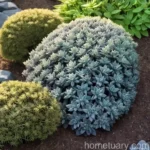
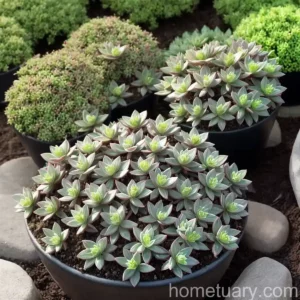
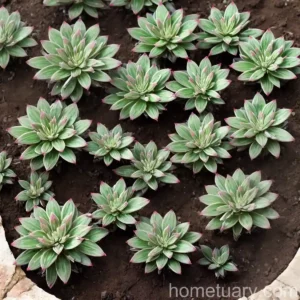
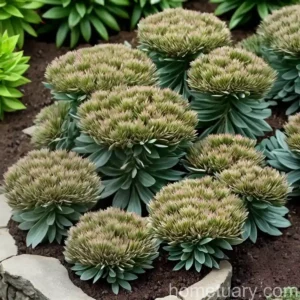
Sedum ‘Mr Goodbud’ is a resilient and low-maintenance succulent plant characterized by its fleshy, succulent leaves and clusters of star-shaped flowers. This particular variety of Sedum is known for its compact growth habit and its ornamental value, making it an excellent choice for both garden beds and container gardens. With its ability to thrive in challenging environmental conditions, such as dry and rocky terrain, Sedum ‘Mr Goodbud’ has become a preferred plant for xeriscaping and low-water landscaping.
Key Takeaways – Sedum ‘Mr Goodbud’ (Stonecrop)
Before we delve into the specifics of cultivating and caring for Sedum ‘Mr Goodbud’, let’s highlight some key takeaways about this versatile plant.
- Botanical Name: Sedum ‘Mr Goodbud’
- Common Name: Stonecrop
- Family: Crassulaceae
- Plant Type: Perennial succulent
- Growth Habit: Compact and low-spreading
- Attributes: Drought-tolerant, low-maintenance, ornamental foliage, and flowers
Now, let’s explore the various aspects of cultivating and caring for Sedum ‘Mr Goodbud’ to ensure its optimal growth and aesthetic appeal.
Culture
When it comes to the culture of Sedum ‘Mr Goodbud’, it’s essential to understand the plant’s requirements in terms of water, sunlight, soil, and overall maintenance.
Uses
Sedum ‘Mr Goodbud’ is a versatile plant with multiple uses in both garden and landscaping settings. Its low-maintenance nature and ornamental features make it well-suited for various applications, including:
- Ground Cover: Due to its low-spreading growth habit, Sedum ‘Mr Goodbud’ is an excellent choice for ground cover in garden beds and landscape borders.
- Rock Gardens: The compact growth and drought tolerance of Sedum ‘Mr Goodbud’ make it a perfect addition to rock gardens, where it can thrive in dry and rocky conditions.
- Container Gardens: This variety of Sedum is well-suited for container gardening, adding visual interest and texture to both indoor and outdoor spaces.
- Xeriscaping: Given its ability to thrive in low-water environments, Sedum ‘Mr Goodbud’ is a preferred plant for xeriscaping and water-wise landscaping projects.
Water
Understanding the water requirements of Sedum ‘Mr Goodbud’ is crucial for its successful cultivation. Here are some key points to consider when it comes to watering this plant:
- Well-Draining Soil: Ensure that the soil is well-draining to prevent waterlogged conditions, which can be detrimental to the plant’s roots.
- Establishment Period: During the initial establishment period after planting, water the Sedum ‘Mr Goodbud’ moderately to help it develop a strong root system.
- Drought Tolerance: Once established, this variety of Sedum exhibits excellent drought tolerance and can thrive with minimal supplemental watering, especially in regions with sufficient rainfall.
Sunlight
Proper sunlight exposure is essential for the growth and flowering of Sedum ‘Mr Goodbud’. Consider the following sunlight requirements for this plant:
- Full Sun to Partial Shade: Sedum ‘Mr Goodbud’ thrives in locations with full sun exposure, although it can also tolerate partial shade, particularly in regions with intense summer heat.
- Optimal Flowering: Providing ample sunlight is crucial for promoting the formation of flower buds and enhancing the plant’s ornamental value.
Fertilizer
While Sedum ‘Mr Goodbud’ is generally a low-maintenance plant, judicious fertilization can support its growth and overall health. Here are some fertilizer-related considerations:
- Minimal Fertilization: Avoid excessive fertilization, as Sedum ‘Mr Goodbud’ thrives in lean soil and can be susceptible to issues such as leggy growth if over-fertilized.
- Organic Amendments: Incorporating organic matter, such as compost, into the soil during planting can provide essential nutrients without the risk of overfeeding the plant.
Soil
Understanding the soil preferences of Sedum ‘Mr Goodbud’ is crucial for creating an optimal growing environment. Here are some key points to consider regarding soil requirements:
- Well-Draining Soil: Sedum ‘Mr Goodbud’ thrives in well-draining soil, which helps prevent waterlogging and root rot.
- Sandy or Gravelly Soil: A sandy or gravelly soil composition is well-suited for this variety of Sedum, mimicking its native habitat and supporting its drought tolerance.
- pH Level: While Sedum ‘Mr Goodbud’ can adapt to a range of soil pH levels, a slightly acidic to neutral pH (6.0-7.0) is generally ideal for its growth.
Pruning
Pruning is an essential aspect of maintaining the compact and tidy appearance of Sedum ‘Mr Goodbud’. Consider the following tips for pruning this plant:
- Deadheading Spent Flowers: Removing faded flowers not only enhances the plant’s aesthetics but also encourages the development of new flower buds.
- Trimming Leggy Growth: If the plant exhibits leggy or elongated growth, particularly in shaded conditions, pruning back the stems can help promote a more compact and bushy habit.
Propagation
Propagating Sedum ‘Mr Goodbud’ can be a rewarding endeavor, allowing you to expand your plant collection and share this attractive variety with fellow gardening enthusiasts. Here are some methods for propagating Sedum ‘Mr Goodbud’:
- Division: Divide mature clumps of Sedum ‘Mr Goodbud’ by carefully separating the root mass into individual sections, each with its own stem and root system.
- Stem Cuttings: Take stem cuttings from healthy, non-flowering stems of Sedum ‘Mr Goodbud’ and root them in a well-draining potting mix to establish new plants.
Container Popularity
Sedum ‘Mr Goodbud’ is a popular choice for container gardening, offering a range of benefits and visual appeal in various container settings. Here’s why this variety of Sedum is well-suited for container cultivation:
- Compact Growth: The low-spreading and compact growth habit of Sedum ‘Mr Goodbud’ makes it an ideal choice for containers, where it can serve as a trailing or spilling element.
- Drought Tolerance: In container gardens, where soil moisture levels can fluctuate, the drought tolerance of Sedum ‘Mr Goodbud’ is advantageous, reducing the need for frequent watering.
Common Diseases
While Sedum ‘Mr Goodbud’ is generally resistant to many common garden diseases, it’s crucial to be aware of potential issues that can affect its health and vigor. Here are some common diseases that may impact this plant:
- Powdery Mildew: In humid or poorly ventilated conditions, Sedum ‘Mr Goodbud’ may be susceptible to powdery mildew, characterized by a white powdery growth on the leaves.
- Root Rot: Excessive moisture and poorly draining soil can lead to root rot in Sedum ‘Mr Goodbud, causing wilting, yellowing foliage, and overall decline.
Disease Diagnosis
Diagnosing and addressing potential diseases in Sedum ‘Mr Goodbud’ is essential for maintaining plant health and preventing the spread of issues. Here’s how to diagnose and manage common diseases that may affect this variety of Sedum:
- Monitoring Symptoms: Regularly inspect the plant for any signs of discoloration, wilting, or unusual growth, which can indicate the presence of a disease.
- Prompt Action: If disease symptoms are detected, promptly isolate the affected plant to prevent the spread of the issue and consider targeted treatments, such as fungicidal sprays for powdery mildew.
Common Pests
While Sedum ‘Mr Goodbud’ is relatively pest-resistant, certain insects and pests may pose a threat to its health and appearance. Here are some common pests that may affect this plant:
- Aphids: These small, sap-sucking insects can cluster on the tender growth of Sedum ‘Mr Goodbud’, leading to distorted foliage and potential virus transmission.
- Mealybugs: Mealybugs are another potential pest that may infest Sedum ‘Mr Goodbud, feeding on its sap and secreting honeydew, which can attract other pests and lead to sooty mold growth.
Botanist’s Tips
To ensure the successful cultivation of Sedum ‘Mr Goodbud’ and enhance its overall performance, consider these insightful tips and recommendations from botanists and gardening experts:
- Selecting the Right Site: Choose well-draining locations with ample sunlight to provide an optimal growing environment for Sedum ‘Mr Goodbud’ in the garden or landscape.
- Moderate Watering: During the establishment phase, provide moderate watering to help the plant develop a strong root system, and gradually transition to minimal supplemental watering once it’s well-established.
- Pruning for Vigor: Regular deadheading and occasional pruning of leggy growth can help maintain the compact and vigorous appearance of Sedum ‘Mr Goodbud’.
Fun Facts
In addition to its practical and ornamental value, Sedum ‘Mr Goodbud’ also boasts some interesting and delightful attributes. Here are some fun facts about this fascinating plant:
- Attracts Pollinators: The nectar-rich flowers of Sedum ‘Mr Goodbud’ attract various pollinators, including butterflies, bees, and other beneficial insects, making it a valuable addition to pollinator-friendly gardens.
- Winter Interest: Even during the winter months, the dried flower heads and resilient foliage of Sedum ‘Mr Goodbud’ can add visual interest to the garden, particularly in landscapes with a focus on winter appeal.
Links to External Resources
For additional insights, resources, and information about Sedum ‘Mr Goodbud’ (Stonecrop), consider exploring the following external links:
- Sedum ‘Mr Goodbud’ Plant Profile
- Growing Stonecrops in Containers
- Low-Water Landscaping with Sedum Varieties
By considering the comprehensive insights and practical tips provided in this guide, you can cultivate and care for Sedum ‘Mr Goodbud’ (Stonecrop) with confidence, unlocking the ornamental and adaptive qualities of this remarkable perennial plant. Whether used as a ground cover, a container specimen, or an element in xeriscaping, Sedum ‘Mr Goodbud’ offers enduring beauty and resilience in diverse garden and landscape settings.