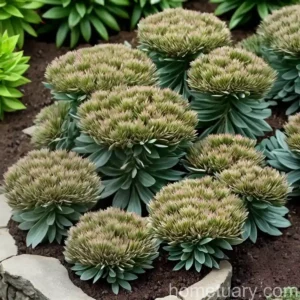
Plant Scientist Blog: Uncovering the Charms of Sedum rupestre ‘Angelina’ (Stonecrop)
Plants hold a special place in the natural world, offering a myriad of benefits and adding beauty to our surroundings. One such plant that has been gaining popularity in the horticultural world is Sedum rupestre ‘Angelina’, also known as Stonecrop. With its striking appearance and low-maintenance nature, it has captured the hearts of plant enthusiasts and gardeners alike. In this comprehensive guide, we will delve deep into the world of Sedum rupestre ‘Angelina’, exploring its cultural significance, uses, care requirements, and much more.
What is Sedum rupestre ‘Angelina’ (Stonecrop)?
Before we delve into the specifics of Sedum rupestre ‘Angelina’, let’s take a moment to understand what this plant is all about.
Sedum rupestre ‘Angelina’ is a low-growing, mat-forming perennial plant that belongs to the Crassulaceae family. Originating from the mountainous regions of Europe and Asia, it has garnered attention for its vibrant foliage and adaptability to various growing conditions. Its common name, Stonecrop, reflects its natural habitat and ability to thrive in rocky or gravelly environments.
The plant is renowned for its succulent leaves that exhibit a stunning golden-yellow hue, particularly during the cooler months. As a perennial, it is capable of returning year after year, delighting gardeners with its resilience and decorative appeal. With these foundational insights, let’s embark on a journey to uncover the key aspects of Sedum rupestre ‘Angelina’.
Key Takeaways – Sedum rupestre ‘Angelina’ (Stonecrop)
Culture
Cultivating Sedum rupestre ‘Angelina’ involves a consideration of its cultural needs and preferences. Understanding its native habitat and growth habits can significantly contribute to successful cultivation.
- Native Habitat: Rocky or gravelly environments, mountainous regions of Europe and Asia.
- Growth Habits: Low-growing, mat-forming, succulent leaves, sprawling/trailing nature.
Uses
The versatility of Sedum rupestre ‘Angelina’ extends to various uses, making it a valuable addition to landscapes and gardens.
- Landscaping: Ground cover, rock gardens, edging, container gardening.
- Garden Design: Versatile landscape plant, trailing growth, borders and edging.
Water
The water requirements of Sedum rupestre ‘Angelina’ play a crucial role in ensuring its health and vigor. Understanding its preferences for moisture levels is essential for providing optimal care.
- Water Requirements: Drought-tolerant, water-wise plant, low water requirements.
Sunlight
As with many plants, Sedum rupestre ‘Angelina’ showcases distinct preferences for sunlight exposure, directly influencing its growth and appearance.
- Sun Requirements: Sun-loving, thrives in full sun to partial shade, requires adequate sunlight for vibrant foliage.
Fertilizer
Supplementing the soil with appropriate nutrients can enhance the growth and overall well-being of Sedum rupestre ‘Angelina’. Understanding its fertilizer needs is pivotal in promoting healthy development.
- Fertilizer: Low-fertility soil, minimal fertilizer requirements, balanced application during the growing season.
Soil
The soil composition and structure exert a profound impact on the growth and sustenance of Sedum rupestre ‘Angelina’. Tailoring the soil conditions to its preferences is instrumental in fostering an optimal environment.
- Soil Preferences: Well-draining, sandy or gravelly soil, adaptable to poor soil conditions, thrives in rocky substrates.
Pruning
Pruning serves as a valuable practice for maintaining the appearance and vigor of Sedum rupestre ‘Angelina’. Understanding the techniques and timing for pruning is essential for effective plant care.
- Pruning: Minimal pruning requirements, trim back in early spring to encourage new growth.
Propagation
The ability to propagate Sedum rupestre ‘Angelina’ offers opportunities for expansion and sharing its beauty with others. Exploring the propagation methods can unlock avenues for multiplying the plant.
- Propagation: Easily propagated from stem cuttings, division, and seed propagation.
Container Popularity
The compact and versatile nature of Sedum rupestre ‘Angelina’ makes it an excellent choice for container gardening, offering a host of possibilities for creative arrangements.
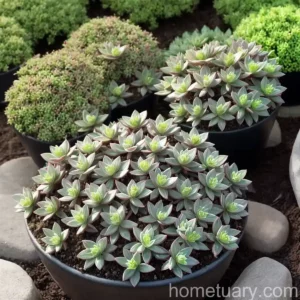
- Container Gardening: Ideal container plant, suitable for mixed containers, rockery plant.
Common Diseases
Understanding the potential diseases that can afflict Sedum rupestre ‘Angelina’ is crucial for implementing preventive measures and prompt intervention.
- Disease Risks: Susceptible to root rot if exposed to prolonged moisture, fungal issues in excessively wet conditions.
Disease Diagnosis
A keen understanding of the symptoms and signs of common diseases aids in the early detection and effective management of potential issues.
- Diagnosis: Monitor for wilting, yellowing leaves, and signs of decay, examine the roots for rot or discoloration.
Common Pests
- Pest Risks: Occasionally affected by aphids, mealybugs, and scale insects, particularly in crowded or stressed conditions.
Botanist’s Tips
Embracing the insights of botanists can provide invaluable guidance for nurturing Sedum rupestre ‘Angelina’ and unlocking its full potential.
- Tips: Provide well-draining soil, avoid overwatering, and monitor for signs of stress or disease, select suitable companions for planting combinations.
Fun Facts
- Versatile Companion: Sedum rupestre ‘Angelina’ complements a wide range of companion plants, contributing to diverse and captivating garden compositions.
- Pollinator Attraction: The subtle blooms of Sedum rupestre ‘Angelina’ offer nectar sources for pollinators, enhancing the ecological value of garden spaces.
Links to External Resources
For further exploration and in-depth information on Sedum rupestre ‘Angelina’, the following external resources offer valuable insights: