Rosa ‘Veilchenblau’ (Rambling Rose)
Plants are not only essential for providing oxygen and food but also for their beauty and ability to enhance our surroundings. Among the diverse and.
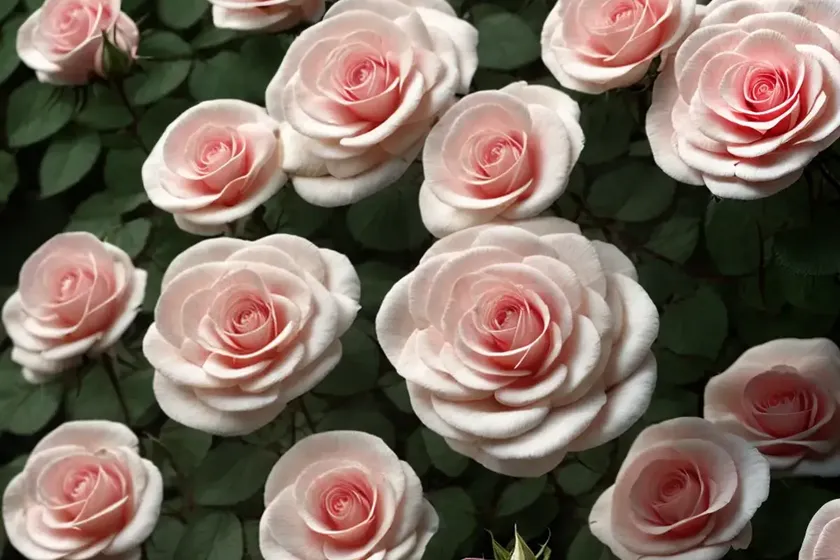
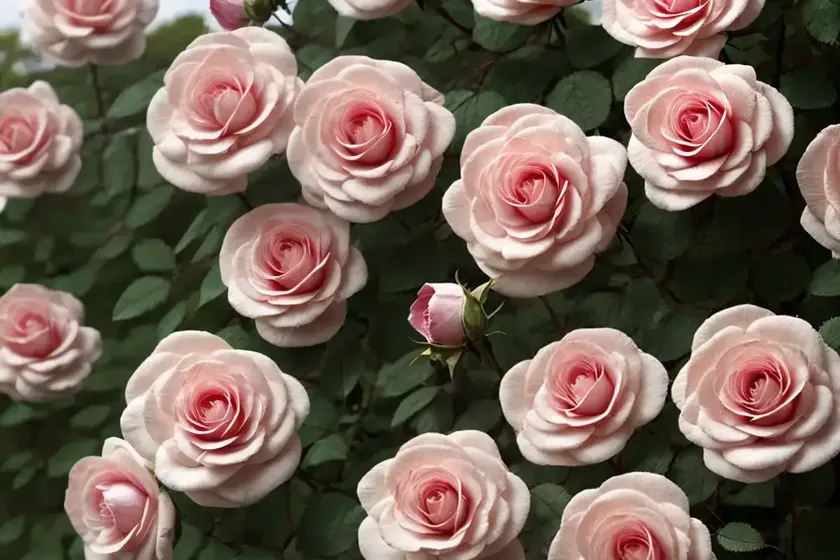
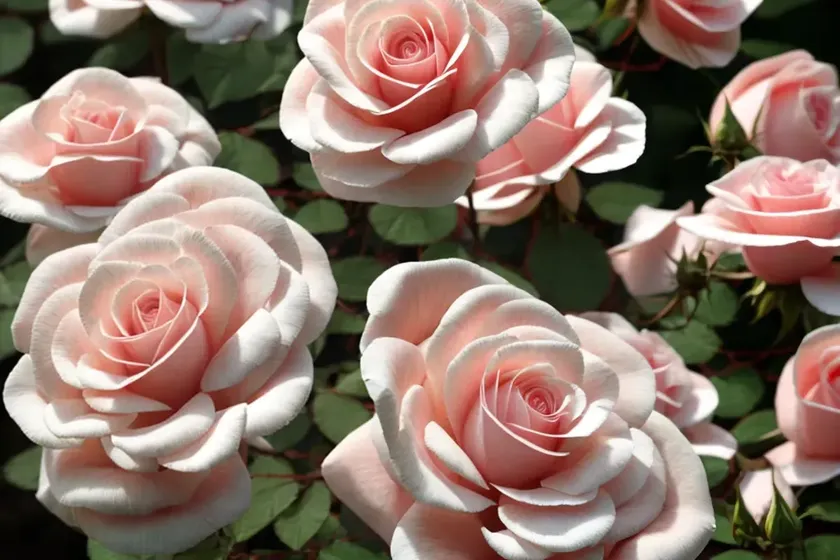
Plants are not only essential for providing oxygen and food but also for their beauty and ability to enhance our surroundings. Among the diverse and captivating plants found in nature, the Rosa ‘Veilchenblau’ or Rambling Rose stands out for its captivating appearance, hardiness, and ease of cultivation. In this comprehensive guide, we will delve into the intricacies of this stunning plant, covering everything from its characteristics to its care requirements.
What is Rosa ‘Veilchenblau’?
The Rosa ‘Veilchenblau’ is a rambling rose known for its striking appearance and vigorous growth. It is a deciduous shrub that belongs to the Rosaceae family and is characterized by its clusters of small, semi-double, cupped flowers that bloom in a range of beautiful colors, and its vigorous climbing or rambling habit. The plant is native to a wide range of climatic conditions, making it a versatile and resilient addition to gardens and landscapes.
Key Takeaways
Before we delve deeper into the cultivation and care of the Rosa ‘Veilchenblau’, let’s take a look at some key takeaways that will guide our exploration.
Rosa ‘Veilchenblau’ (Rambling Rose)
- Botanical Name: Rosa ‘Veilchenblau’
- Common Name: Rambling Rose
- Family: Rosaceae
- Growth Habit: Vigorous climber
- Flower Characteristics: Small, semi-double, cupped flowers in various colors
- Hardiness Zone: 5-9
- Sunlight Requirements: Full sun to partial shade
- Watering Needs: Regular watering
- Soil Preferences: Well-draining, fertile soil
- Uses: Ornamental, landscaping, cut flowers
- Disease Resistance: Moderate
- Pest Control: Regular monitoring and management required
Now, let’s explore each of these aspects in detail to understand how we can best cultivate and care for this stunning plant.
Culture
Cultivating Rosa ‘Veilchenblau’ requires an understanding of its growth habits, ideal growing conditions, and cultural practices that promote its health and vigor.
Growth Habits
The Rosa ‘Veilchenblau’ is renowned for its vigorous climbing habit, making it well-suited for training on trellises, arbors, and fences. Its flexible canes allow it to serve as an excellent rambling rose, adding an enchanting touch to any garden or landscape. The plant can reach impressive heights and spread extensively, creating a stunning visual display when in full bloom.
Uses
The versatile nature of Rosa ‘Veilchenblau’ makes it a popular choice for various landscaping and gardening applications. Some of its common uses include:
- Ornamental Planting: The stunning appearance of the Rosa ‘Veilchenblau’ makes it a perfect choice for ornamental planting, adding color and charm to garden borders and landscapes.
- Cut Flowers: The abundant and colorful blooms of the Rosa ‘Veilchenblau’ make it an excellent choice for cut flower arrangements, bringing the beauty of the outdoors indoors.
- Landscaping: Its climbing habit and captivating flowers make it an ideal addition to landscaped areas, where it can be trained to cover structures or create natural, floral boundaries.
Water
Proper watering is crucial for the health and vitality of Rosa ‘Veilchenblau’. While the plant is relatively resilient, it thrives in consistently moist but well-draining soil. Adequate watering is especially important during the growing season and dry spells to promote lush, healthy growth and abundant flowering.
Sunlight
Rosa ‘Veilchenblau’ flourishes in full sun to partial shade. It requires at least 6-8 hours of direct sunlight to encourage robust growth and prolific flowering. When planted in areas with partial shade, it is important to ensure that the plant still receives an adequate amount of sunlight to support its growth and blooming potential.
Fertilizer
Appropriate fertilization is essential for supporting the growth and blooming of Rosa ‘Veilchenblau’. A balanced, slow-release fertilizer applied in early spring and again after the first bloom cycle can provide the necessary nutrients for healthy foliage and abundant flowers. Additionally, incorporating organic matter into the soil during planting can help improve soil fertility and support the long-term health of the plant.
Soil
Well-draining, fertile soil is ideal for the cultivation of Rosa ‘Veilchenblau’. The plant benefits from soil that retains moisture without becoming waterlogged, providing it with the necessary nutrients and support for vigorous growth and flowering. Amending the soil with organic matter, such as compost, can improve its structure and fertility, creating an optimal growing environment for the plant.
Pruning
Proper pruning is essential for maintaining the health, shape, and blooming potential of Rosa ‘Veilchenblau’. Pruning practices should be tailored to the specific growth habits and flowering characteristics of the plant to ensure its ongoing beauty and vigor.
Pruning Tips
- Deadheading: Regular deadheading of faded flowers promotes continuous blooming and prevents the formation of seed heads, directing the plant’s energy towards new growth and flower production.
- Thinning Out: Thinning out older canes and removing weak or damaged growth helps improve air circulation and light penetration, reducing the risk of disease and encouraging new, healthy growth.
- Training: Training the vigorous canes of Rosa ‘Veilchenblau’ to climb or ramble in the desired direction allows for effective and aesthetically pleasing management of the plant’s growth.
Propagation
The propagation of Rosa ‘Veilchenblau’ allows for the expansion of its presence in gardens and landscapes, enabling more individuals to enjoy its captivating beauty. Understanding effective propagation techniques is key to successfully propagating this stunning plant.
Propagation Techniques
- Cuttings: Taking cuttings from healthy, established plants in late spring or early summer and rooting them in a suitable growing medium provides an effective means of propagating Rosa ‘Veilchenblau’.
- Layering: Encouraging the plant to develop roots from a low-growing stem while it is still attached to the parent plant allows for the creation of new individuals that can be transplanted once established.
- Division: In some cases, dividing mature plants can be used to propagate Rosa ‘Veilchenblau’, allowing for the creation of new plants from established specimens.
Container Popularity
The beauty and versatility of Rosa ‘Veilchenblau’ make it a popular choice for container planting, allowing individuals with limited gardening space to enjoy its captivating presence.
Container Uses
- Patio Planting: Placing a container-grown Rosa ‘Veilchenblau’ on a patio or terrace adds a touch of natural beauty and fragrance to outdoor living spaces, enhancing the overall ambiance.
- Balcony Gardening: Individuals with balconies or limited outdoor space can still cultivate this stunning plant by choosing appropriate containers and providing the necessary care for its growth and blooming.
- Small Garden Solutions: Container planting provides an effective solution for individuals with limited outdoor space, allowing them to enjoy the beauty of Rosa ‘Veilchenblau’ without the need for extensive garden beds or borders.
Common Diseases
While Rosa ‘Veilchenblau’ is relatively resilient, it is susceptible to certain diseases that can impact its health and vigor. Understanding common diseases and their prevention is crucial for maintaining the plant’s beauty and longevity.
Disease Diagnosis
Powdery Mildew
Symptoms:
– White, powdery spots on leaves and stems
– Distorted growth and reduced vigor
Prevention and Management:
– Ensuring proper spacing and airflow around plants
– Regular monitoring and early intervention with fungicidal treatments if necessary
Black Spot
Symptoms:
– Dark spots with yellowing leaves
– Premature defoliation
Prevention and Management:
– Raking and disposing of fallen leaves
– Applying fungicidal treatments as necessary to prevent the spread of the disease
Botrytis Blight
Symptoms:
– Gray mold on flowers and buds
– Rapid deterioration of affected plant parts
Prevention and Management:
– Removing and disposing of affected plant parts
– Providing proper air circulation and reducing excessive humidity to prevent the development of the disease
Common Pests
In addition to diseases, Rosa ‘Veilchenblau’ may be prone to attacks from various pests that can impact its growth and flowering. Vigilant monitoring and appropriate pest control measures are essential for mitigating pest damage and ensuring the plant’s health.
Pest Control
Aphids
Symptoms:
– Clusters of small, soft-bodied insects on new growth
– Distorted growth and reduced vigor
Management:
– Introducing natural predators, such as ladybugs, to control aphid populations
– Using insecticidal soaps or horticultural oils to manage infestations as necessary
Spider Mites
Symptoms:
– Fine webbing on leaves and stems
– Stippling and discoloration of foliage
Management:
– Spraying the plant with a strong stream of water to dislodge mites
– Applying miticidal treatments as necessary to control infestations
Japanese Beetles
Symptoms:
– Skeletonized foliage
– Presence of the adult beetles on the plant
Management:
– Handpicking adult beetles and disposing of them
– Using pheromone traps or insecticidal treatments to manage populations as needed
Botanist’s Tips
As a plant scientist with a passion for preserving natural beauty and diversity, I have accumulated several tips for the successful cultivation and care of Rosa ‘Veilchenblau’. These insights are based on scientific knowledge and practical experience, offering valuable guidance for those seeking to incorporate this stunning plant into their outdoor spaces.
Fun Facts
Before we conclude our exploration of Rosa ‘Veilchenblau’, let’s take a moment to appreciate some fun and fascinating facts about this remarkable plant.
- The name “Veilchenblau” translates to “violet blue” in German, capturing the enchanting color of the rose’s blossoms.
- Along with its captivating appearance, Rosa ‘Veilchenblau’ exudes a delightful fragrance, making it a sensory delight for garden enthusiasts.
- Rambling roses, such as Rosa ‘Veilchenblau’, have a rich history intertwined with human cultivation and admiration, reflecting their enduring appeal across cultures and time periods.
Links to External Resources
For further exploration of Rosa ‘Veilchenblau’ and related topics, I recommend the following external resources:
- Royal Horticultural Society
- Missouri Botanical Garden
- American Rose Society
- University of California, Davis – Integrated Pest Management
In conclusion, Rosa ‘Veilchenblau’ embodies the timeless allure of rambling roses, captivating us with its beauty and showcasing the resilience and adaptability of plant life. By understanding its growth habits, care requirements, and significance in horticulture, we can fully appreciate and nurture the magnificence of this exceptional plant.
Throughout this guide, we have explored the essential aspects of cultivating and caring for Rosa ‘Veilchenblau’, from its cultural preferences to its resistance to pests and diseases. Armed with this knowledge, individuals are equipped to embark on an enriching journey of incorporating this alluring plant into their gardens and landscapes, enhancing the natural beauty that surrounds them.


