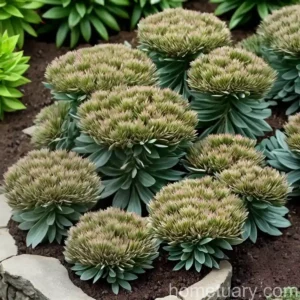
Sedum ‘Carl’ (Stonecrop): The Ultimate Guide to Growing and Caring for this Versatile Plant

Sedum ‘Carl’, commonly known as Stonecrop, is a remarkable plant celebrated for its versatility, low maintenance, and vibrant display of foliage and flowers. This succulent plant is a favorite among gardeners, renowned for its ability to thrive in various conditions and enhance landscapes with its ornamental appeal. In this comprehensive guide, we will delve into the detailed description, care guidelines, planting instructions, propagation tips, pruning techniques, disease prevention, and pest control methods for Sedum ‘Carl’ (Stonecrop). Additionally, we will explore its uses in landscaping, container gardening, its resilience to environmental factors, wildlife attraction, and its medicinal properties. So, let’s embark on this botanical journey to uncover the many facets of Sedum ‘Carl’ (Stonecrop)!
What is Sedum ‘Carl’ (Stonecrop)?
Sedum ‘Carl’ is a herbaceous perennial plant that belongs to the Crassulaceae family, commonly known as the stonecrop family. This family consists of around 1,400 species of succulent plants, characterized by their water-storing leaves and a remarkable ability to thrive in diverse climates and soil conditions. The genus Sedum, to which ‘Carl’ belongs, comprises over 400 species distributed across the Northern Hemisphere, with a significant presence in the mountainous regions of Europe and Asia.
Sedum ‘Carl’ (Stonecrop) Description
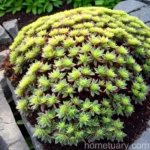
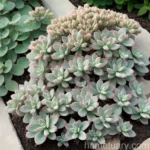
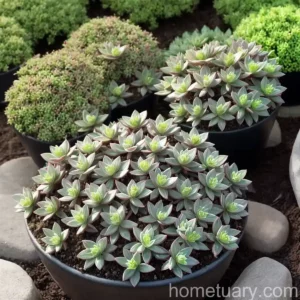
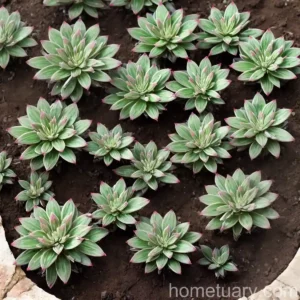
Sedum ‘Carl’ is revered for its striking, succulent foliage and its abundance of star-shaped flowers, which come in a wide array of colors, adding a captivating visual appeal to gardens and landscapes. The plant typically forms low mounds or spreads as ground cover, showcasing its adaptability and versatility in different growing environments.
Now that we have a basic understanding of what Sedum ‘Carl’ is, let’s delve into the key components of caring for this remarkable plant.
Key Takeaways – Sedum ‘Carl’ (Stonecrop)
Culture
Sedum ‘Carl’ (Stonecrop) is a hardy and adaptable plant that thrives in a variety of conditions, making it an excellent choice for both novice and experienced gardeners. The following are the key cultural aspects of growing Sedum ‘Carl’:
- Versatile and adaptable to various soil types and climatic conditions
- Requires minimal maintenance, making it an ideal choice for low-maintenance landscaping
- Suitable for both container gardening and outdoor landscaping
Uses
The uses of Sedum ‘Carl’ (Stonecrop) are manifold, ranging from ornamental purposes to medicinal applications. Some of its primary uses include:
- Ornamental plant for garden borders, rock gardens, and as ground cover
- Medicinal properties for traditional herbal remedies
- Wildlife habitat and pollinator-friendly plant
Water
Sedum ‘Carl’ is renowned for its drought tolerance, making it an ideal choice for water-wise gardening. Its water needs are minimal, and it can thrive in arid conditions without frequent watering.
Sunlight
Being a sun-loving plant, Sedum ‘Carl’ thrives in full sun to partial shade. Its requirement for sunlight makes it an excellent option for brightening up garden spots that receive ample sunlight.
Fertilizer
Sedum ‘Carl’ has modest fertilizer requirements and is not heavily reliant on external feeding. A balanced, slow-release fertilizer applied in spring is generally sufficient to support its growth and flowering.
Soil
This plant exhibits a preference for well-draining soil, and it can thrive in various soil types, including sandy, loamy, and rocky soils. The adaptability of Sedum ‘Carl’ to different soil conditions is a testament to its resilience and versatility.
Pruning
Minimal pruning is required for Sedum ‘Carl’, primarily to remove spent flowers or control its spread in garden beds. Pruning also aids in maintaining the plant’s compact shape and encourages new growth.
Propagation
Propagating Sedum ‘Carl’ can be achieved through several methods, including division, stem cuttings, and leaf cuttings. These propagation techniques enable gardeners to expand their plant collection and share the beauty of Sedum ‘Carl’ with others.
Container Popularity
Due to its low maintenance requirements and ornamental appeal, Sedum ‘Carl’ is popular for container gardening, which allows individuals to cultivate this versatile plant in various outdoor and indoor settings.
With these key takeaways in mind, let’s delve deeper into each aspect to gain a comprehensive understanding of cultivating and caring for Sedum ‘Carl’ (Stonecrop).
Sedum ‘Carl’ (Stonecrop) Care Guide
Water Needs
Sedum ‘Carl’ exhibits a remarkable tolerance to drought, making it an excellent choice for water-wise gardening and regions with limited water availability. Its succulent leaves enable it to store water, reducing its dependence on frequent irrigation. When establishing Sedum ‘Carl’ in the garden or containers, it’s essential to provide adequate moisture during the initial phase to promote root establishment. Once established, the plant requires minimal watering, typically thriving in rainfall patterns and soil moisture levels common to its growing region.
Sunlight Requirements
Sunlight is a critical factor influencing the growth and flowering of Sedum ‘Carl’. To ensure optimal performance, it is recommended to plant this sun-loving species in locations that receive at least 6 hours of direct sunlight per day. In regions with intense sun exposure, providing partial shade during the hottest part of the day can assist in preventing leaf scorch and maintaining the plant’s vitality.
Soil Preferences
Sedum ‘Carl’ thrives in well-draining soil and displays remarkable adaptability to various soil types, including sandy, loamy, and rocky soils. Its resilience to differing soil conditions positions it as a versatile plant suitable for diverse landscapes and garden styles. When planting Sedum ‘Carl’, amending the soil with organic matter can enhance its growth and support its establishment, particularly in areas with nutrient-poor soils.
Fertilization
The modest fertilizer requirements of Sedum ‘Carl’ align with its resilience and adaptability. Applying a balanced, slow-release fertilizer in early spring can satisfy the plant’s nutritional needs and support its growth and flowering. Over-fertilization should be avoided, as excessive nutrients can lead to vigorous foliage growth at the expense of flower production.
Pruning Techniques
Pruning Sedum ‘Carl’ is primarily aimed at removing spent flowers and controlling its spread in garden beds. The process involves the removal of the flower stalks after flowering, which not only maintains the plant’s appearance but also encourages subsequent flowering. Additionally, pruning can be utilized to shape the plant and prevent it from encroaching on other garden specimens.
Propagation Tips
Propagating Sedum ‘Carl’ can be achieved through various methods, each offering gardeners the opportunity to expand their plant collection and share the beauty of this versatile succulent. Some common propagation techniques for Sedum ‘Carl’ include:
- Division: Separating mature clumps into smaller sections, each containing roots and shoots, to establish new plants.
- Stem Cuttings: Using stem segments to propagate new plants, typically by allowing the cuttings to callus before planting them in a well-draining mix.
- Leaf Cuttings: Removing individual leaves from the plant and planting them to produce new roots and shoots, resulting in new plants.
Disease Prevention
Sedum ‘Carl’ is relatively resistant to diseases, particularly when cultivated in favorable growing conditions. To minimize the risk of disease, it is essential to provide well-draining soil, adequate air circulation, and moderate water levels to prevent waterlogged conditions, which can lead to root rot. Additionally, practicing good garden hygiene, such as removing debris and spent foliage, can contribute to disease prevention by reducing favorable environments for pathogens.
Pest Control
Sedum ‘Carl’ is generally resistant to most pests due to its succulent nature and resilience. However, specific pests such as aphids and mealybugs may occasionally pose a threat. Implementing vigilant monitoring and using targeted control measures, such as insecticidal soaps or natural predators, can effectively manage pest populations and prevent damage to the plant.
Sedum ‘Carl’ (Stonecrop) Varieties
Sedum ‘Carl’ is part of a diverse genus comprising numerous species and cultivars, each with distinctive characteristics and ornamental attributes. Some notable varieties of Sedum ‘Carl’ and related stonecrops include:
- Sedum spurium ‘Dragon’s Blood’: Known for its vibrant red foliage and low-growing habit, making it an excellent ground cover.
- Sedum album ‘Faro Form’: A white-flowering sedum suitable for rock gardens and container planting.
- Sedum spectabile ‘Neon’: Renowned for its bold, pink flower heads and upright growth habit, adding vertical interest to garden borders.
- Sedum reflexum ‘Blue Spruce’: Featuring striking blue-green foliage reminiscent of the spruce tree and a cascading growth habit, making it ideal for rockeries and slopes.
The diverse array of sedums and stonecrops offers gardeners an extensive palette of colors, textures, and growth habits to choose from, enabling the creation of captivating and dynamic landscapes.
Now that we have explored the core aspects of caring for Sedum ‘Carl’ (Stonecrop), let’s delve into its applications in gardening, landscaping, and its significance in wildlife habitats.
Sedum ‘Carl’ (Stonecrop) in Landscaping
The ornamental value, resilience, and versatility of Sedum ‘Carl’ position it as an invaluable component in landscaping, offering diverse applications that enhance the visual appeal and ecological balance of outdoor spaces.
Ground Cover Uses
Sedum ‘Carl’ and its related species are renowned for their effectiveness as ground cover plants. Their low-growing habit, succulent foliage, and ability to thrive in challenging conditions make them an ideal choice for covering expansive areas, preventing soil erosion, and adding a vibrant tapestry of color to garden beds and slopes.
Rock Garden Ideas
The adaptability of Sedum ‘Carl’ to rocky terrain and its low-maintenance requirements render it a natural fit for rock gardens. Its ability to thrive in nutrient-poor soils and lean conditions makes it an invaluable addition to these specialized garden spaces, providing texture, color, and visual interest to rocky landscapes.
Vertical Gardening
Certain varieties of Sedum ‘Carl’ and related sedums exhibit upright growth habits, presenting opportunities for vertical gardening. The inclusion of these plants in vertical gardens, living walls, or as cascading elements in container arrangements adds a dynamic dimension to garden designs and facilitates the utilization of vertical spaces for plant displays.
Pollinator-Friendly Plant
The abundant clusters of star-shaped flowers borne by Sedum ‘Carl’ are a magnet for pollinators, including bees, butterflies, and other beneficial insects. Its nectar-rich blooms provide a vital food source for pollinators, contributing to the ecological balance of the garden and supporting biodiversity.
Wildlife Garden Attraction
In addition to its appeal to pollinators, Sedum ‘Carl’ serves as an attractive component of wildlife gardens due to its ability to provide shelter and foraging opportunities for small animals and beneficial insects. Its low-growing habit and dense foliage create habitats that support biodiversity and contribute to the overall health of garden ecosystems.
With its myriad uses in landscaping, Sedum ‘Carl’ proves to be a versatile and sustainable choice for creating visually captivating and ecologically beneficial outdoor spaces.
Sedum ‘Carl’ (Stonecrop) Container Gardening
The suitability of Sedum ‘Carl’ for container gardening stems from its adaptability, low maintenance requirements, and ornamental attributes, making it an ideal plant for enhancing outdoor and indoor spaces.
Drought Tolerance
The succulent nature of Sedum ‘Carl’ equips it with exceptional drought tolerance, making it an excellent candidate for container gardening in regions with arid climates or water restrictions. Its ability to thrive with minimal watering aligns with the principles of water-wise gardening and sustainable urban landscapes.
Cold Hardiness
Certain varieties of Sedum ‘Carl’ exhibit remarkable cold hardiness, enabling them to withstand freezing temperatures and frost. This cold tolerance extends the versatility of Sedum ‘Carl’ for container gardening, particularly in areas with fluctuating winter conditions.
Companion Planting
The diverse array of colors, forms, and growth habits offered by different Sedum ‘Carl’ varieties creates opportunities for companion planting in containers. Pairing Sedum ‘Carl’ with other succulents, ornamental grasses, or flowering annuals can result in visually striking and dynamic container arrangements, suitable for patios, balconies, and outdoor living spaces.
Container Design Ideas
The incorporation of Sedum ‘Carl’ in container designs offers creative opportunities to experiment with color contrasts, textural combinations, and spatial arrangements. From cascading over the edges of containers to serving as central focal points, the diverse growth habits of sedums render them versatile elements in container gardening.
Hardy Succulent
The resilience and hardiness of Sedum ‘Carl’ as a succulent plant position it as a durable and enduring choice for container gardening, capable of withstanding the rigors of growing in confined spaces and fluctuating environmental conditions.
The adaptability, resilience, and ornamental appeal of Sedum ‘Carl’ make it a valuable addition to container gardening, offering numerous creative possibilities for enhancing outdoor and indoor living spaces.
Sedum ‘Carl’ (Stonecrop) and Wildlife Habitats
The ecological significance of Sedum ‘Carl’ extends beyond its ornamental appeal, positioning it as a beneficial plant for supporting wildlife habitats and fostering biodiversity.
Air-Purifying Plant
Sedum ‘Carl’ and other succulent plants contribute to enhancing air quality by absorbing carbon dioxide and releasing oxygen, thereby improving the overall environmental conditions in both indoor and outdoor settings.
Deer-Resistant
The succulent foliage and resilience of Sedum ‘Carl’ render it unattractive to browsing deer, making it a valuable addition to gardens and landscapes in regions where deer encounters pose a challenge to plant growth.
Water-Saving Plant
The ability of Sedum ‘Carl’ to thrive in arid conditions and endure periods of drought aligns with its role as a water-saving plant, particularly in areas with limited water resources or during dry spells.
Fire-Resistant Plant
The succulent nature of Sedum ‘Carl’ imparts it with fire-resistant qualities, making it suitable for planting in regions prone to wildfires. The moisture-retaining leaves and low flammability of the plant contribute to its potential role in fire-resistant landscaping.
Wildlife Habitat Plant
Sedum ‘Carl’ provides valuable habitats and foraging opportunities for small animals, insects, and other wildlife, contributing to the overall biodiversity of garden ecosystems and fostering a balanced and sustainable environment.
Medicinal Properties
In addition to its ornamental and ecological contributions, sedums, including Sedum ‘Carl’, are known for their traditional medicinal uses in herbal remedies. While their medicinal properties are not extensively documented, some species have been utilized in traditional medicine for treating various ailments.
Sedum ‘Carl’ (Stonecrop) – Planting Instructions
Outdoor Landscaping
When planting Sedum ‘Carl’ in outdoor landscapes, the following guidelines can ensure the successful establishment and long-term growth of this versatile succulent:
- Site Selection: Choose a location with well-draining soil and ample sunlight, ensuring that the plant receives the necessary exposure to thrive.
- Soil Preparation: Amend the soil with organic matter if needed to improve its structure and fertility, keeping in mind the native soil preferences of Sedum ‘Carl’.
- Planting Depth: When planting potted Sedum ‘Carl’, ensure that the top of the root ball is level with the surrounding soil. For division or propagation, plant the new sections at the same level at which they were previously grown.
- Watering: Provide adequate moisture during the initial establishment phase, allowing the soil to slightly dry out between waterings to encourage deep root growth.
- Maintenance: Conduct periodic grooming and removal of spent flowers to maintain the plant’s appearance and prevent excessive spread.
Indoor Gardening
In indoor settings, the cultivation of Sedum ‘Carl’ demands attention to specific considerations to replicate its preferred growing conditions:
- Light Exposure: Place the plant in a well-lit area receiving bright, indirect sunlight, or provide artificial lighting if natural light is limited.
- Potting Mix: Utilize a well-draining potting mix formulated for succulents and cacti to ensure optimal root health and growth.
- Watering Regimen: Adjust the watering routine to mimic the plant’s natural drought tolerance, allowing the soil to dry out between waterings to prevent waterlogging.
- Temperature and Humidity: Provide suitable environmental conditions with moderate temperatures and adequate air circulation, avoiding excessively humid environments.
By adhering to these guidelines, gardeners can facilitate the successful growth and development of Sedum ‘Carl’ in both outdoor and indoor settings, enabling the plant to thrive and fulfill its ornamental and ecological roles.
Botanist’s Tips for Growing Sedum ‘Carl’ (Stonecrop)
As a plant scientist and enthusiast, I want to share some additional tips and insights to guide gardeners in cultivating and caring for Sedum ‘Carl’ effectively.
Fun Facts about Sedum ‘Carl’
- As a succulent, Sedum ‘Carl’ belongs to a diverse group of plants that have adapted to survive in arid environments by storing water in their leaves, stems, or roots.
- Many sedums, including Sedum ‘Carl’, are known for their ease of propagation, making them excellent choices for beginner gardeners interested in expanding their plant collection.
Botanical Links and Resources
-
American Public Gardens Association: The association’s website offers resources on sustainable landscaping, plant care, and conservation initiatives, providing valuable insights for incorporating sedums and stonecrops into garden designs. American Public Gardens Association
-
The Royal Horticultural Society: As a prominent authority on horticultural practices, the society’s publications and online resources offer comprehensive guidance on growing succulents, including sedums and stonecrops. The Royal Horticultural Society
With their diverse applications in gardening, landscaping, and ecological conservation, sedums and stonecrops, including Sedum ‘Carl’, open up a world of opportunities for creating visually captivating, sustainable, and biodiverse outdoor spaces. By integrating these remarkable plants into garden designs and embracing their unique attributes, gardeners can contribute to the preservation of natural habitats, the promotion of wildlife diversity, and the creation of resilient and vibrant landscapes.
Conclusion
In conclusion, Sedum ‘Carl’ (Stonecrop) stands as a testament to the resilience, adaptability, and ornamental beauty of succulent plants. Its versatile nature, minimal maintenance requirements, and diverse uses in landscaping and gardening render it an invaluable addition to outdoor and indoor environments. From its role as a drought-tolerant ground cover to its significance in wildlife habitats, container gardening, and ecological conservation, Sedum ‘Carl’ embodies a multifaceted plant suitable for a wide range of applications.
By following the care guidelines, planting instructions, and adopting botanist’s tips, gardeners can unlock the full potential of Sedum ‘Carl’ and experience the joy of cultivating a plant that enriches outdoor spaces, supports wildlife, and contributes to the sustainability of garden ecosystems. With its myriad uses and botanical charm, Sedum ‘Carl’ emerges as a versatile and resilient plant that appeals to gardeners, landscapers, and nature enthusiasts, offering not only visual delight but also ecological benefits and a touch of natural splendor to outdoor surroundings.
So, whether you are a