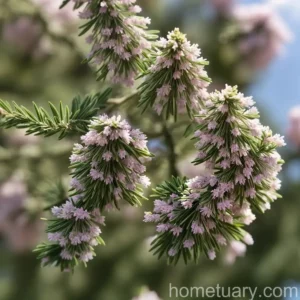
Fragrant Rhododendron ‘Fragrantissimum’: A Plant Scientist’s Comprehensive Guide
Introduction
Plants play a significant role in our ecosystem and contribute to the beauty of our surroundings. One such remarkable plant is the Rhododendron ‘Fragrantissimum’ – a captivating species that is known for its fragrant blooms and ornamental value. As a plant scientist, I am thrilled to share insights into this fascinating plant species, ranging from its cultural needs to its propagation and beyond.
What is Rhododendron ‘Fragrantissimum’?
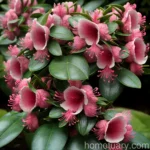
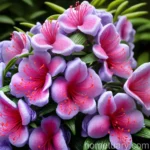
The Rhododendron ‘Fragrantissimum’ is a notable member of the Rhododendron genus, renowned for its fragrant flowers and lush foliage. This species is cherished for its ornamental appeal and is a popular choice for gardens and landscapes around the world. The genus Rhododendron encompasses a diverse range of species, but Fragrantissimum stands out for its distinct fragrance and captivating blooms.
Key Takeaways
Before delving deeper into the specifics of Rhododendron ‘Fragrantissimum’, it’s essential to highlight the key takeaways about this remarkable plant.
- Fragrant Rhododendron: Known for its delightful floral fragrance, Fragrantissimum is popular for its pleasing scent that adds to the allure of any garden.
- Ornamental Value: This species is valued for its ornamental characteristics, making it a sought-after choice for landscaping and horticultural purposes.
- Cultural Requirements: Understanding the cultural needs of Rhododendron ‘Fragrantissimum’ is crucial for its successful growth and development.
Having covered the introductory aspects of this intriguing plant, it’s time to explore its cultural requirements and how to ensure its thriving growth.
Culture
The successful cultivation of Rhododendron ‘Fragrantissimum’ hinges on understanding and meeting its specific cultural requirements. Addressing its needs for water, sunlight, fertilizer, soil, pruning, and propagation is imperative for nurturing healthy and vibrant plants.
1. Water
Adequate moisture is pivotal for the flourishing growth of Rhododendron ‘Fragrantissimum. The following points should be considered regarding watering:
- Consistent Moisture: Fragrantissimum thrives in well-drained, moist soil, and requires regular watering to maintain optimal moisture levels.
- Avoid Waterlogged Soil: While Fragrantissimum enjoys moisture, it’s essential to prevent waterlogging, which can lead to root rot and other detrimental conditions.
2. Sunlight
Proper exposure to sunlight is crucial for the vitality and blooming of Rhododendron ‘Fragrantissimum. Here are some key considerations:
- Partial Shade: Fragrantissimum flourishes in partial shade, where it can benefit from dappled sunlight without being exposed to harsh, direct rays.
- Protection from Midday Sun: Shielding the plant from intense midday sun is recommended to prevent sunburn and foliage damage.
3. Fertilizer
Supplying the appropriate nutrients through fertilization is essential for the overall health and vigor of Rhododendron ‘Fragrantissimum. Key points include:
- Acidic Fertilizer: Fragrantissimum thrives in acidic soil, and it is crucial to use a suitable acidic fertilizer to meet its nutritional needs.
- Avoid Excessive Nitrogen: While fertilization is important, excessive nitrogen should be avoided as it can adversely impact flowering and overall plant health.
4. Soil
The soil composition significantly influences the growth and development of Rhododendron ‘Fragrantissimum. Consider the following:
- Acidic Soil: Fragrantissimum prefers acidic, well-draining soil that is rich in organic matter, such as peat moss or compost.
- Good Air Circulation: Ensuring adequate air circulation within the soil is essential for preventing waterlogged conditions and promoting root health.
5. Pruning
Pruning plays a vital role in shaping and maintaining the form of Rhododendron ‘Fragrantissimum, as well as enhancing its flowering potential. Key points to consider include:
- Prune After Flowering: Fragrantissimum should be pruned after flowering to encourage new growth and shape the plant for the upcoming season.
- Remove Dead Wood: Regularly removing dead or diseased wood is crucial for the overall health and appearance of the plant.
6. Propagation
Understanding the propagation methods for Rhododendron ‘Fragrantissimum enables gardeners to multiply their plants and share them with others. Key points about propagation include:
- Propagation by Cuttings: Fragrantissimum can be propagated through stem cuttings, which should be taken during the appropriate season and treated with rooting hormone for successful establishment.
- Careful Handling: Delicate handling of cuttings and providing optimal conditions for rooting are essential for successful propagation.
Uses
The Rhododendron ‘Fragrantissimum’ boasts a range of uses, from ornamental and horticultural purposes to its potential in companion planting and landscaping designs. Let’s explore its versatile applications:
Ornamental Value
Fragrantissimum is cherished for its ornamental value, and its captivating blooms and fragrant flowers make it a desirable addition to gardens and landscapes. The plant’s lush foliage and appealing form further enhance its ornamental appeal, attracting admirers and garden enthusiasts.
Landscaping and Companion Planting
In landscaping, Rhododendron ‘Fragrantissimum’ serves as a striking feature plant and can be incorporated into mixed borders, woodland gardens, or used as a specimen plant. Its compatibility with a variety of companion plants, especially those that thrive in similar cultural conditions, expands its landscaping potential.
Fragrant Gardens
Given its captivating fragrance, Fragrantissimum is a valuable addition to fragrant gardens, where its scented blooms contribute to the overall sensory experience of the garden environment. In combination with other fragrant plants, it enriches the olfactory aspect of the garden and attracts pollinators and wildlife.
Popularity
The popularity of Rhododendron ‘Fragrantissimum’ is evident in its widespread cultivation and appeal to gardeners and plant enthusiasts. Its distinct fragrance and ornamental characteristics contribute to its allure, making it a sought-after plant in horticultural circles and botanical gardens. The following points shed light on the factors driving its popularity:
- Fragrant Appeal: The delightful fragrance of Fragrantissimum sets it apart from other Rhododendron species, capturing the attention and admiration of those who encounter it.
- Ornamental Significance: The aesthetic value of Fragrantissimum in garden settings and landscaping designs contributes to its popularity and widespread cultivation.
- Cultural Versatility: Its adaptability to various cultural conditions and its suitability for different gardening styles contribute to its widespread appeal.
Common Diseases
While Rhododendron ‘Fragrantissimum’ is a resilient plant, it is susceptible to certain diseases that can affect its health and vigor. Recognizing and addressing these diseases is essential for maintaining the well-being of the plant. Common diseases that can impact Fragrantissimum include:
- Phytophthora Root Rot: This fungal disease can lead to root damage and decline in plant health, often caused by waterlogged conditions and poor soil drainage.
- Powdery Mildew: A fungal infection that manifests as a powdery white coating on the leaves, affecting the plant’s overall appearance and potentially reducing its vitality.
- Botrytis Blight: This fungal disease can impact the flowers and foliage of Fragrantissimum, leading to discoloration, wilting, and decay.
Disease Diagnosis
Diagnosing diseases in Rhododendron ‘Fragrantissimum’ requires keen observation and an understanding of common disease symptoms. Gardeners and plant enthusiasts can look out for the following signs to identify and address potential diseases:
- Leaf Discoloration: Changes in leaf color, including yellowing or browning, can indicate underlying disease issues such as fungal infections or nutrient deficiencies.
- Abnormal Growth Patterns: Distorted growth, wilting, or stunted development may signal the presence of diseases or pest infestations that require prompt attention.
- Fungal Characteristics: The presence of powdery coatings, spots, or mold-like growth on the leaves or flowers suggests potential fungal infections that warrant further inspection and management.
Common Pests
In addition to diseases, Rhododendron ‘Fragrantissimum’ can face challenges from a variety of pests that may impact its growth and overall condition. Understanding these common pests and their potential effects on the plant is crucial for proactive pest management. Some common pests that can affect Fragrantissimum include:
- Spider Mites: These tiny pests can infest the foliage of Fragrantissimum, leading to leaf damage and a reduction in plant vigor.
- Whiteflies: Whiteflies can congregate on the undersides of leaves, causing stress to the plant and potentially transmitting viral diseases.
- Scale Insects: Scale insects can attach themselves to the stems and leaves of Fragrantissimum, impacting its overall health and vitality.
Botanist’s Tips
Drawing on botanical expertise and practical insights, here are some valuable tips for cultivating and caring for Rhododendron ‘Fragrantissimum:
- Cultural Consistency: Maintaining consistent cultural conditions, including watering, sunlight, and soil pH, is crucial for the well-being of Fragrantissimum.
- Observation and Monitoring: Regularly inspecting the plant for signs of diseases, pests, or cultural stress allows for timely intervention and proactive management.
- Pruning with Precision: When pruning Fragrantissimum, precision and care are essential to promote healthy growth and maintain the plant’s desired form.
- Soil Improvement: Enhancing the soil with organic matter, such as compost or well-rotted manure, contributes to the long-term health and vitality of Fragrantissimum.
Fun Facts
To further appreciate the enchanting nature of Rhododendron ‘Fragrantissimum’, here are some fun and fascinating facts about this remarkable plant:
- Historical Significance: The cultivation of Fragrantissimum dates back centuries, with historical references to its ornamental and aromatic qualities.
- Cultural Symbolism: In some cultures, Fragrantissimum is associated with symbolism related to beauty, love, and the natural world, adding layers of meaning to its presence in gardens.
- Fragrant Varieties: While Fragrantissimum is celebrated for its notable fragrance, the Rhododendron genus encompasses a diverse array of fragrant species with unique scents and characteristics.
Links to External Resources
As comprehensive information and resources are invaluable in learning about and cultivating Rhododendron ‘Fragrantissimum’, the following links provide additional insights and guidance:
- American Rhododendron Society
- Royal Horticultural Society – Rhododendrons and Azaleas
- State-by-State Gardening – Growing Rhododendrons
Conclusion
In conclusion, Rhododendron ‘Fragrantissimum’ stands as a captivating and cherished plant species, renowned for its fragrant blooms, ornamental significance, and cultural versatility. As a plant scientist, exploring the nuanced aspects of this remarkable plant provides insights into its care, uses, and broader significance in horticulture and botanical appreciation. By understanding its cultural requirements, addressing potential diseases and pests, and celebrating its ornamental and fragrant allure, gardeners and enthusiasts can cultivate and enjoy the enchanting presence of Fragrantissimum in their outdoor spaces.
In the grand tapestry of plant diversity, Rhododendron ‘Fragrantissimum’ undoubtedly shines as a captivating gem, adding fragrance, beauty, and botanical fascination to gardens and landscapes worldwide.