Sedum ‘Beach Party’ (Stonecrop): A Comprehensive Guide
Sedum ‘Beach Party’, commonly known as Stonecrop, is a delightful succulent plant that thrives in various conditions, making it a sought-after addition to gardens, landscapes, and container arrangements. With its vibrant foliage, low maintenance requirements, and resilience, Sedum ‘Beach Party’ has become a favorite among plant enthusiasts and landscape designers. In this comprehensive guide, we will delve into every aspect of this remarkable plant, from its cultural requirements to its propagation, common diseases, and fun facts.
What is Sedum ‘Beach Party’ (Stonecrop)?
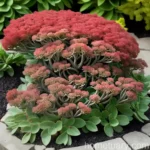
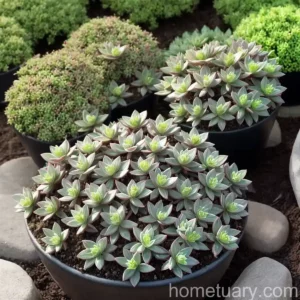
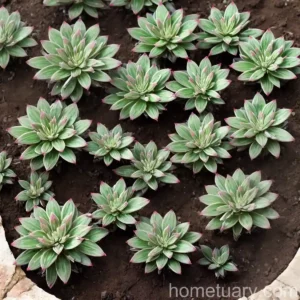
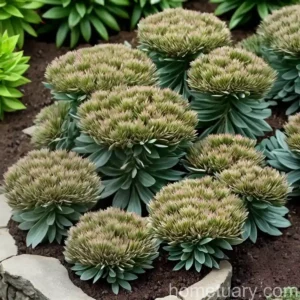
Sedum ‘Beach Party’ (Stonecrop) is a perennial plant belonging to the family Crassulaceae. This species is celebrated for its stunning appearance, characterized by compact rosettes with colorful, scalloped leaves. Sedum ‘Beach Party’ is a cultivar that has gained popularity for its adaptability and visual appeal.
Key Takeaways – Sedum ‘Beach Party’ (Stonecrop)
Before we explore the various aspects of Sedum ‘Beach Party’ in detail, let’s take a quick look at the key takeaways associated with this beautiful plant:
Cultivar: Sedum ‘Beach Party’
Common Name: Stonecrop
Family: Crassulaceae
The following section will provide an in-depth understanding of the culture, uses, water requirements, sunlight preferences, fertilizer needs, soil preferences, pruning techniques, propagation methods, container gardening, popularity, common diseases, disease diagnosis, common pests, and botanist’s tips related to Sedum ‘Beach Party’ (Stonecrop).
Culture
The culture of Sedum ‘Beach Party’ encompasses various factors that contribute to its overall well-being. Understanding its cultural requirements is essential for nurturing vibrant, healthy specimens.
Uses
Sedum ‘Beach Party’ presents a range of uses in different settings, including:
- Groundcover: Its low-growing, spreading nature makes it an ideal choice for groundcover in gardens and landscapes.
- Container Plant: The compact size and striking foliage of Sedum ‘Beach Party’ make it a perfect fit for container gardening.
- Border Plant: The plant’s appealing texture and hues make it an excellent option for border plantings.
Water
Sedum ‘Beach Party’ exhibits moderate water needs. It thrives in well-draining soil and is relatively drought-tolerant once established. Overwatering should be avoided to prevent root rot and other moisture-related issues. It is crucial to monitor the soil moisture and water accordingly.
Sunlight
This succulent plant flourishes in full sun to partial shade, making it adaptable to a variety of light conditions. When provided with ample sunlight, Sedum ‘Beach Party’ displays its vibrant colors and robust growth habits.
Fertilizer
The fertilization of Sedum ‘Beach Party’ should be executed with caution. A balanced, low-nitrogen fertilizer applied sparingly during the growing season promotes healthy foliage and overall vigor. Over-fertilizing must be avoided, as it can lead to an imbalance in the plant’s nutrient uptake.
Soil
Well-draining soil is crucial for the successful cultivation of Sedum ‘Beach Party’. It thrives in various soil types, including sandy, loamy, and rocky substrates, as long as the soil structure allows for proper drainage.
Pruning
Minimal pruning is generally required for Sedum ‘Beach Party’. Removing spent flower clusters and tidying up the plant can promote a neat appearance. Additionally, pruning can help manage the size and shape of the plant, ensuring it remains visually appealing.
Propagation
Sedum ‘Beach Party’ can be propagated through several methods, including:
- Division: Separating the offsets or divisions from the mother plant.
- Stem Cuttings: Utilizing stem cuttings to propagate new plants.
- Leaf Cuttings: Propagating new plants from individual leaves.
Container Popularity
The adaptability of Sedum ‘Beach Party’ makes it a popular choice for container gardening. Its low maintenance requirements and visually appealing foliage contribute to its widespread popularity among container gardeners.
Common Diseases
Despite being a resilient plant, Sedum ‘Beach Party’ is susceptible to a few common diseases that can impact its health and appearance. Understanding these diseases and their potential remedies is essential for maintaining the plant’s vigor.
Disease Diagnosis
Some common diseases that may affect Sedum ‘Beach Party’ include:
- Powdery Mildew: A fungal disease that manifests as a powdery white coating on the foliage.
- Leaf Spot: Characterized by the development of dark, water-soaked spots on the leaves.
- Stem Rot: A fungal infection that can cause the stems and roots to decay.
Disease Management
Preventative measures and prompt action can aid in managing and preventing diseases in Sedum ‘Beach Party. These measures include:
- Proper Air Circulation: Ensuring good airflow around the plant to prevent the development of fungal diseases.
- Water Management: Avoiding overwatering and ensuring proper drainage to prevent root-related diseases.
- Pruning: Removing infected plant parts can help prevent the spread of diseases.
Common Pests
Pests can pose a threat to the health and appearance of Sedum ‘Beach Party’. Identifying and addressing potential pest issues is crucial for preserving the plant’s vitality.
Pest Identification
Common pests that may affect Sedum ‘Beach Party’ include:
- Aphids: Small, sap-sucking insects that can distort the plant’s growth and cause damage to the foliage.
- Mealybugs: White, cottony insects that feed on the plant’s sap, leading to stunted growth and yellowing of the foliage.
- Spider Mites: Tiny arachnids that suck the plant’s juices, leading to stippled, discolored leaves.
Pest Management
Implementing effective pest management practices can help safeguard Sedum ‘Beach Party from infestations. These practices include:
- Natural Predators: Encouraging the presence of beneficial insects that prey on pests, such as ladybugs and lacewings.
- Organic Controls: Utilizing natural, organic pest control methods to manage pest populations without harming beneficial organisms.
- Monitoring: Regularly inspecting the plant for signs of pest activity and taking timely action if infestations are detected.
Botanist’s Tips
As a plant scientist and botanist, I would like to offer the following tips for cultivating and caring for Sedum ‘Beach Party’ (Stonecrop):
- Optimal Drainage: Ensure that the planting site or containers provide excellent drainage to prevent waterlogged conditions.
- Natural Mulching: Consider utilizing natural mulches, such as gravel or pebbles, to conserve soil moisture and deter weed growth around the plants.
- Seasonal Maintenance: Perform seasonal maintenance tasks, such as pruning and fertilization, to support the plant’s growth and resilience.
- Monitoring and Observation: Regularly observe the plant for any signs of stress, disease, or pest activity, and take appropriate action as needed.
Following these tips can contribute to the successful cultivation and long-term health of Sedum ‘Beach Party’.
Fun Facts
Here are some intriguing and fun facts about Sedum ‘Beach Party’ that showcase its unique qualities and appeal:
- Pollinator Attraction: The vibrant clusters of flowers produced by Sedum ‘Beach Party’ attract pollinators, adding an ecological benefit to its ornamental value.
- Seasonal Variations: The foliage of Sedum ‘Beach Party’ may exhibit seasonal color changes, with some varieties displaying striking hues in response to environmental factors.
- Drought Tolerance: This succulent plant’s ability to withstand dry conditions and thrive with minimal water makes it an excellent choice for water-wise landscapes.
These fun facts shed light on the captivating attributes of Sedum ‘Beach Party’.
Links to External Resources
For further information about Sedum ‘Beach Party’ (Stonecrop) and related topics, you may find the following resources helpful:
- The Sedum Society
- Royal Horticultural Society – Sedum Species and Cultivars
- University of Florida IFAS Extension – Sedum Propagation
In conclusion, Sedum ‘Beach Party’ (Stonecrop) stands out as a versatile, visually appealing plant that offers a range of advantages for gardeners, landscapers, and plant enthusiasts. Its low maintenance requirements, adaptability to different growing conditions, and stunning foliage make it a valuable addition to diverse settings. By understanding its cultural needs, potential challenges, and unique characteristics, plant enthusiasts can successfully cultivate and appreciate the beauty of Sedum ‘Beach Party.
I hope this comprehensive guide has provided valuable insights into the world of Sedum ‘Beach Party’ (Stonecrop) and inspired a deeper appreciation for this remarkable plant.
Happy gardening!