Sarracenia Rubra (Sweet Pitcher Plant)
In the world of carnivorous plants, the Sarracenia rubra, commonly known as the sweet pitcher plant, stands out as a fascinating and unique species. This.
Introduction
In the world of carnivorous plants, the Sarracenia rubra, commonly known as the sweet pitcher plant, stands out as a fascinating and unique species. This plant, belonging to the Sarraceniaceae family, is native to North America and is known for its striking red pitchers and captivating insect-trapping mechanism. In this comprehensive guide, we will delve into the culture, uses, care requirements, diseases, and propagation methods of the Sarracenia rubra. We will also explore its significance in wetland conservation and its role as a low-maintenance yet beautiful addition to gardens and natural habitats.
Key Takeaways – Sarracenia Rubra (Sweet Pitcher Plant)
Before we dive into the details of the Sarracenia rubra, let’s take a moment to highlight the key points that will be covered in this guide:
-
Carnivorous plants: Sarracenia rubra is a carnivorous plant, using its specialized pitcher structure to trap and digest insects.
-
Bog plants: These plants are commonly found in boggy, waterlogged areas, and they have evolved to thrive in these unique habitats.
-
Sarracenia genus: Sarracenia rubra belongs to the Sarracenia genus, which comprises a diverse group of carnivorous plants.
-
Red pitcher plant: The distinct red coloration of the pitcher is one of the defining characteristics of Sarracenia rubra.
-
Sweet pitcher plant: The common name “sweet pitcher plant” refers to the nectar secretions that attract insects into the pitchers.
-
Wetland conservation: The cultivation and preservation of Sarracenia rubra contribute to the conservation of wetland ecosystems.
-
Insect-eating plants: Sarracenia rubra is an example of an insect-eating plant with unique adaptations for capturing and digesting prey.
-
Pitcher plant care: Successfully growing and caring for Sarracenia rubra requires understanding its specific care requirements and habitat preferences.
With these key takeaways in mind, let’s embark on a journey to explore the captivating world of the Sarracenia rubra, the sweet pitcher plant.
Plant Name: Sarracenia Rubra (Sweet Pitcher Plant)
Plant Description
Sarracenia rubra, also known as the sweet pitcher plant, is a carnivorous plant that is native to the southeastern United States. It is a herbaceous perennial that typically grows in boggy areas, wet pine savannas, and other waterlogged habitats. What makes this plant truly unique is its specialized pitcher-shaped leaves, which have evolved to attract, capture, and digest insects as a source of nutrients in nutrient-poor environments.
Taxonomy and Classification
- Genus and Family: The Sarracenia rubra belongs to the Sarracenia genus within the Sarraceniaceae family.
- Species: Sarracenia rubra is a specific species within the Sarracenia genus, characterized by its red pitchers and distinctive physiological adaptations for insect trapping.
Morphological Characteristics
The Sarracenia rubra is recognized for its remarkable morphology, which includes the following key features:
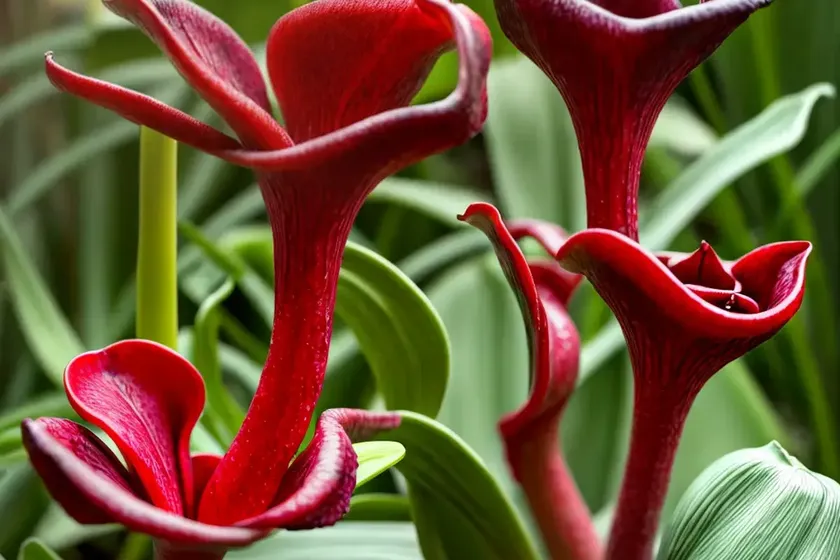
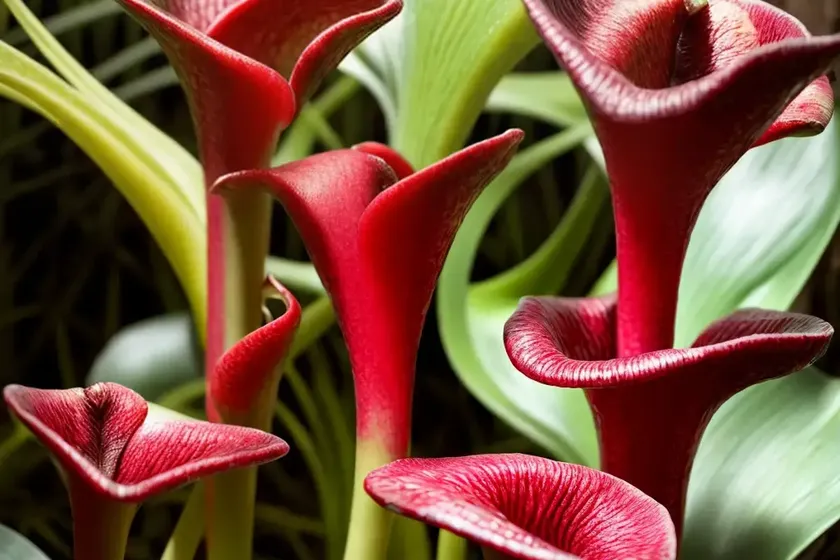
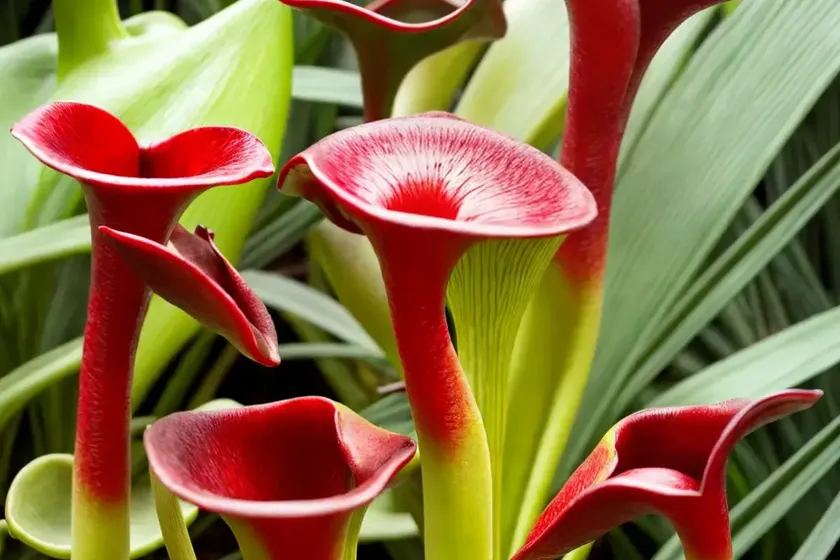
– Pitchers: The most prominent feature of the sweet pitcher plant is its specialized leaves that form pitcher-shaped structures. These pitchers serve as traps for insects and are often brightly colored, ranging from green to red, with intricate veining patterns.
– Flowers: In addition to the pitchers, Sarracenia rubra produces striking flowers that emerge on tall stalks. The flowers are typically red, maroon, or purple, adding to the plant’s visual appeal.
Ecological Significance
As a carnivorous plant, Sarracenia rubra plays a vital role in its native habitats by contributing to insect control, nutrient cycling, and ecological balance. It has coevolved with insects and has developed unique adaptations to thrive in nutrient-poor environments, making it a fascinating subject for ecological studies and conservation efforts.
Culture
Native Habitat
Sarracenia rubra is naturally found in wetland habitats, including bogs, swamps, and wet pine savannas. These ecosystems are characterized by waterlogged soils, acidic conditions, and a diverse array of plant and animal species adapted to these challenging environments.
Natural Range
The natural range of Sarracenia rubra extends across the southeastern United States, specifically in regions such as Alabama, Florida, Georgia, Louisiana, Mississippi, North Carolina, South Carolina, and Virginia. Its distribution within these states reflects its preference for warm, humid climates and water-rich habitats.
Adaptations to Wetland Environments
Sarracenia rubra has evolved a suite of adaptations that allow it to thrive in wetland environments:
– Rhizomatous growth: The plant often spreads through underground rhizomes, allowing it to colonize and form dense stands in suitable habitats.
– Water storage: The pitchers of Sarracenia rubra can store rainwater, which not only aids in the digestion of trapped insects but also provides a water source during dry periods.
– Nutrient acquisition: In nutrient-poor soils characteristic of wetlands, the ability to capture and digest insects provides Sarracenia rubra with essential nutrients, serving as an alternative to traditional root-based nutrient uptake.
Uses
Horticultural Interest
Sarracenia rubra has garnered considerable horticultural interest due to its unique appearance and fascinating biology. It is cultivated by botanical gardens, plant enthusiasts, and conservation organizations for educational and conservation purposes. As a charismatic and captivating species, it serves as an excellent ambassador for raising awareness about wetland conservation and the conservation of carnivorous plants.
Ecological Role
In its natural habitat, Sarracenia rubra contributes to the ecological balance of wetland ecosystems by participating in the food web and nutrient cycling. The plant’s interaction with insects and other organisms is a subject of interest for ecologists and researchers studying wetland ecology and conservation.
Research and Education
Sarracenia rubra serves as an intriguing subject for scientific research, particularly in the fields of botany, ecology, and evolutionary biology. Its specialized adaptations and unique evolutionary history make it a valuable species for studying plant-insect interactions, adaptation to extreme environments, and the conservation of threatened plant species.
Water
Proper watering is crucial for the health and vitality of Sarracenia rubra, as it mimics the natural conditions found in its native wetland habitats.
Watering Practices
- Rainwater or Distilled Water: Sarracenia rubra is sensitive to the minerals and chemicals present in tap water, making rainwater or distilled water the preferred choices for watering. These water sources closely resemble the naturally occurring precipitation that fills the pitchers in the wild.
- Frequent Watering: The soil should be kept consistently moist, simulating the water-saturated conditions of wetlands. However, it is important to avoid waterlogging or water stagnation, as excessive moisture can lead to root rot and other detrimental effects.
Pitcher Maintenance
The pitchers of Sarracenia rubra serve multiple functions, including insect trapping, water storage, and nutrient absorption. Proper care for the pitchers is essential for the plant’s overall well-being:
– Keep Pitchers Filled: It is important to ensure that the pitchers remain filled with water, as this not only aids in insect digestion but also prevents the pitchers from drying out and becoming non-functional.
– Flush Pitchers Regularly: Periodic flushing of the pitchers with fresh water helps prevent the accumulation of debris, algae, and contaminants that may interfere with the plant’s insect-trapping mechanism.
Sunlight
Light Requirements
Sarracenia rubra exhibits distinct preferences for sunlight exposure, influenced by its natural habitat and physiological adaptations:
- Full Sun: In its native habitats, Sarracenia rubra thrives in full sun, receiving direct sunlight for extended periods each day. Adequate sunlight is crucial for photosynthesis and the development of colorful pitchers and robust growth.
- Artificial Lighting: When grown indoors or in regions with limited sunlight, supplemental artificial lighting, such as grow lights, can be used to provide the plant with the necessary light intensity and spectrum for growth and pitcher development.
Photoperiod Considerations
In addition to light intensity, the photoperiod, or the duration of light exposure, can influence certain aspects of Sarracenia rubra’s growth and flowering:
– Long Day Plants: Sarracenia rubra is classified as a long day plant, meaning that it requires longer periods of daylight to initiate flowering. In cultivation, providing extended daylight hours can encourage the plant to produce flowers and contribute to its overall vigor.
Fertilizer
Nutrient Requirements
As a carnivorous plant, Sarracenia rubra has unique nutrient requirements and obtains nutrients from prey captured in its pitchers. However, supplemental feeding and fertilization can be beneficial for supporting the plant’s growth and pitcher development:
- Insect Capture: The primary source of nutrients for Sarracenia rubra is derived from the insects and arthropods that become trapped and decompose within its pitchers. This natural feeding mechanism provides essential nitrogen and other nutrients that are typically scarce in the plant’s native habitats.
Supplementary Feeding
In cultivation, providing occasional supplemental feeding can complement the nutrients obtained from natural insect capture and contribute to robust growth and vibrant pitchers:
– Feeding Frequency: Offering suitable prey, such as small insects and invertebrates, approximately once per month during the growing season can supplement the plant’s nutrient intake and enhance its overall vitality.
Fertilizer Avoidance
Given its specialized nutrient acquisition strategy, Sarracenia rubra is generally sensitive to traditional fertilizers, which can be detrimental to its well-being. Avoiding standard fertilization practices and focusing on the natural insect-trapping capabilities of the plant is crucial for its long-term health.
Soil
Substrate Selection
The choice of substrate or growing medium directly impacts the growth, health, and pitcher development of Sarracenia rubra. The following considerations are essential for creating an optimal growing environment for the plant:
- Acidic pH: Sarracenia rubra thrives in acidic soils, reflecting the pH conditions of its natural habitats. A pH range of 4.5 to 5.5 is ideal for supporting nutrient uptake and pitcher function.
- Aeration and Drainage: Well-draining substrates, such as sphagnum moss, peat moss, or a mixture of perlite and sand, are preferred to prevent waterlogging and facilitate root respiration. Adequate aeration is vital for the health of the plant’s root system and overall growth.
Potting and Repotting
When selecting a container for Sarracenia rubra and during repotting procedures, certain guidelines should be followed to ensure the plant’s well-being:
- Container Size: Choose a container that allows for ample space for the plant to grow and produce multiple pitchers. Consider the rhizomatous growth habit of Sarracenia rubra and anticipate its future expansion when selecting a container size.
- Repotting Frequency: Repotting may be necessary every 2 to 3 years to refresh the growing medium, promote healthy root growth, and prevent the accumulation of mineral deposits that can be harmful to the plant.
Pruning
Maintenance Practices
While pruning in the traditional sense may not be applicable to Sarracenia rubra, certain maintenance practices are essential for ensuring the plant’s well-being and aesthetic appeal:
- Pitcher Removal: If a pitcher becomes damaged, discolored, or non-functional, it can be carefully trimmed to maintain the overall appearance of the plant and prevent the spread of potential diseases or pests.
- Flower Stalk Management: After the flowering period, the spent flower stalks can be trimmed to redirect the plant’s energy towards pitcher production and vegetative growth.
Propagation
Methodologies
Propagation of Sarracenia rubra can be achieved through several methods, each with its advantages and considerations:
- Division: The division of rhizomes is a common method for propagating Sarracenia rubra, especially when mature clumps have developed multiple crowns. Dividing the rhizomes allows for the creation of new plants with established root systems.
- Seed Propagation: Growing Sarracenia rubra from seeds offers the opportunity to introduce genetic diversity and observe the fascinating process of seed germination and seedling development. However, seed propagation requires patience and a longer timeframe to establish mature plants.
Propagation Timing
The timing of propagation activities can influence the success of plant establishment and subsequent growth:
- Early Spring: Division and repotting activities are often conducted in early spring, allowing the newly propagated divisions or seedlings to take advantage of the favorable growing conditions and seasonal growth patterns.
Container Popularity
Horticultural Appeal
Sarracenia rubra’s unique appearance, striking pitchers, and captivating biology contribute to its popularity as a container plant:
- Visual Interest: The vibrant and intricately veined pitchers of Sarracenia rubra make it an eye-catching addition to container gardens, terrariums, and botanical collections.
- Educational Value: As a living example of carnivorous plant adaptation, Sarracenia rubra serves as an educational and conversational focal point, sparking interest in plant biology and ecology.
Container Considerations
When selecting containers for Sarracenia rubra, several factors should be taken into account to provide an optimal growing environment:
- Drainage Holes: Ensure that the containers have adequate drainage to prevent waterlogging and maintain proper soil moisture levels.
- Size and Growth Potential: Choose containers that can accommodate the plant’s growth habit, including the development of multiple pitchers and rhizomatous spread.
Common Diseases
Disease Resistance
Sarracenia rubra displays a notable degree of disease resistance, owing in part to its evolution in waterlogged and nutrient-poor environments:
- Fungal Pathogens: The acidic and water-saturated conditions favored by Sarracenia rubra act as natural barriers against many fungal pathogens that would otherwise pose a risk to the plant’s health.
- Bacterial Diseases: Similarly, the pitcher structure and chemical composition of the plant’s secretions provide a level of protection against bacterial infections that commonly affect other plant species.
Preventative Measures
While Sarracenia rubra exhibits resilience to many common plant diseases, certain preventative measures can further promote its health:
- Pitcher Hygiene: Regularly inspect the pitchers for signs of mold, debris accumulation, or pests, and take appropriate measures to clean and maintain the pitchers to limit disease risks.
- Minimize Stress: Environmental stressors, such as extreme temperature fluctuations or prolonged periods of waterlogging, can weaken the plant’s natural defenses. Ensuring optimal growing conditions minimizes stress and promotes overall disease resistance.
Disease Diagnosis
Common Symptoms
Although Sarracenia rubra is generally resistant to many common plant diseases, certain symptoms may indicate the presence of specific health issues:
- Pitcher Discoloration: Changes in pitcher coloration, such as browning, yellowing, or blackening, can be indicative of physiological stress, environmental factors, or potential disease concerns.
- Leaf Spotting: The development of abnormal spots or lesions on the plant’s leaves may signal the presence of fungal or bacterial pathogens, particularly if the spots continue to enlarge and affect larger portions of the foliage.
Diagnostic Steps
Upon observing potential symptoms of disease or stress, diagnostic steps can be taken to identify the underlying causes and implement appropriate remedies:
- Isolation and Observation: Isolating affected plants and closely monitoring their growth and health can provide insights into the specific conditions or factors contributing to the observed symptoms.
- Laboratory Analysis: In cases of persistent or severe symptoms, collecting samples for laboratory analysis can aid in identifying the presence of pathogens or physiological imbalances affecting the plants.
Common Pests
Pest Resistance
Sarracenia rubra’s carnivorous nature and specialized trapping mechanisms provide a degree of inherent resistance to many insect pests that commonly affect non-carnivorous plants:
- Insect Trapping: The pitchers of Sarracenia rubra act as effective traps for many small insects and arthropods, reducing the impact of these potential pests on the plant itself.
- Natural Pest Control: By capturing and digesting insects, Sarracenia rubra contributes to natural pest control within its immediate environment, serving as a potential biocontrol agent for small insect populations.
Pest Management
While the plant’s natural adaptations offer protection against many pests, certain measures can be taken to address any potential pest-related issues:
- Pitcher Inspection: Regularly inspect the pitchers for signs of excessive pest activity, such as excessive debris, accumulation of prey, or damage to the pitcher structure, and take appropriate actions if necessary.
- Preventative Monitoring: Implement strategies to prevent the introduction and establishment of invasive and potentially harmful pests, particularly when growing Sarracenia rubra within botanical collections or shared growing spaces.
Botanist’s Tips
Environmental Considerations
Understanding and respecting the specific environmental requirements of Sarracenia rubra is essential for successful cultivation and the long-term health of the plants:
- Wetland Simulation: Replicating the natural conditions of wetland habitats, including maintaining acidic and waterlogged soils, adequate sunlight exposure, and appropriate moisture levels, is crucial for supporting the plant’s growth and natural adaptations.
- Winter Dormancy: Recognize and accommodate the plant’s natural dormancy cycle, which may involve reduced growth, pitcher dieback, and adaptations to colder temperatures, as part of its annual growth patterns.
Conservation Mindset
Incorporating a conservation mindset into the care and cultivation of Sarracenia rubra can contribute to the preservation of this unique species and its associated wetland ecosystems:
- Awareness and Education: Raising awareness about the conservation status and ecological significance of Sarracenia rubra can foster a greater appreciation for wetland flora and the importance of preserving these unique habitats.
- Responsible Cultivation: When obtaining Sarracenia rubra plants from reputable sources or participating in propagation activities, prioritize ethical and sustainable cultivation practices to support the conservation of the species and its genetic diversity.
Fun Facts
Adaptations for Insect Trapping
Sarracenia rubra’s unique adaptations for capturing and digesting insects provide a captivating insight into the marvels of plant evolution and ecological interactions:
- Nectar Secretions: The sweet nectar secretions within the pitchers serve as enticements to lure insects into the traps, where they become immersed in digestive fluids and are broken down for nutrient absorption by the plant.
- Slippery Surfaces: The inner surfaces of the pitchers feature a combination of microscopic hairs and waxy coatings that create a slippery, downward-sloping trajectory, ensuring that insects are unable to escape once they enter the pitchers.
Ecological Significance
The role of Sarracenia rubra in wetland ecosystems extends beyond its captivating appearance and unique adaptations:
- Nutrient Cycling: By capturing and digesting insects, Sarracenia rubra contributes to nutrient cycling within wetland habitats, providing a valuable service in nutrient-poor environments and participating in the complex web of ecological interactions.
- Conservation Challenges: Sarracenia rubra’s dependence on intact wetland ecosystems underscores the conservation challenges and importance of preserving its native habitats, which are increasingly threatened by human activities and environmental changes.
Links to External Resources
To further expand your knowledge and appreciation of Sarracenia rubra (Sweet Pitcher Plant), here are some valuable resources and organizations that offer insights into


