Pitcher Plant (Sarracenia ‘Red Bug’)
The Sarracenia ‘Red Bug’, commonly known as the pitcher plant, is a stunning and fascinating carnivorous plant species that has captured the interest of.
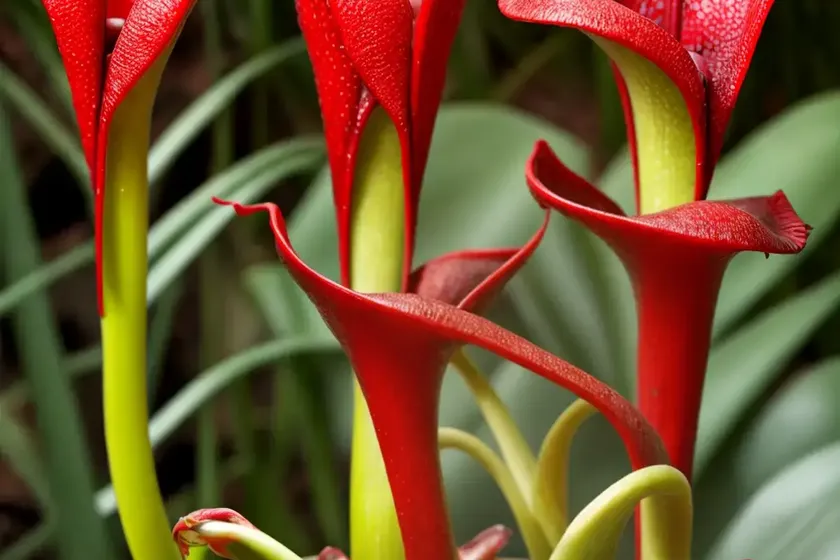
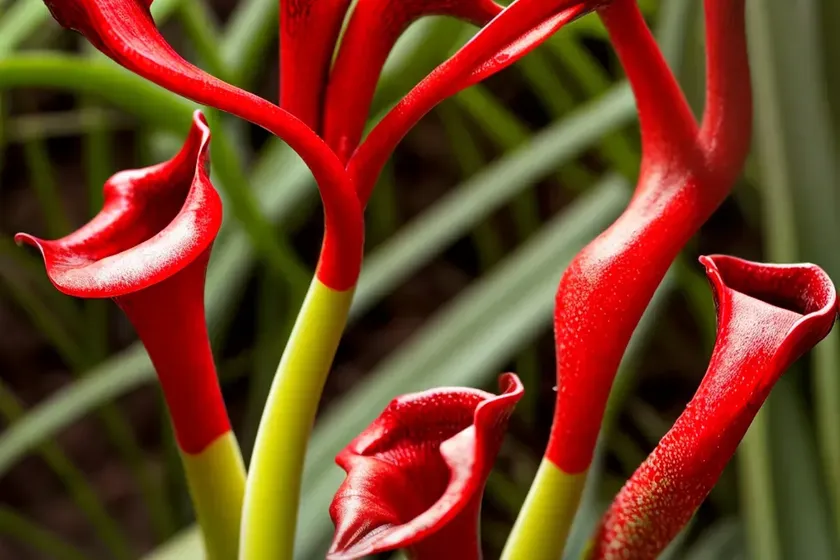
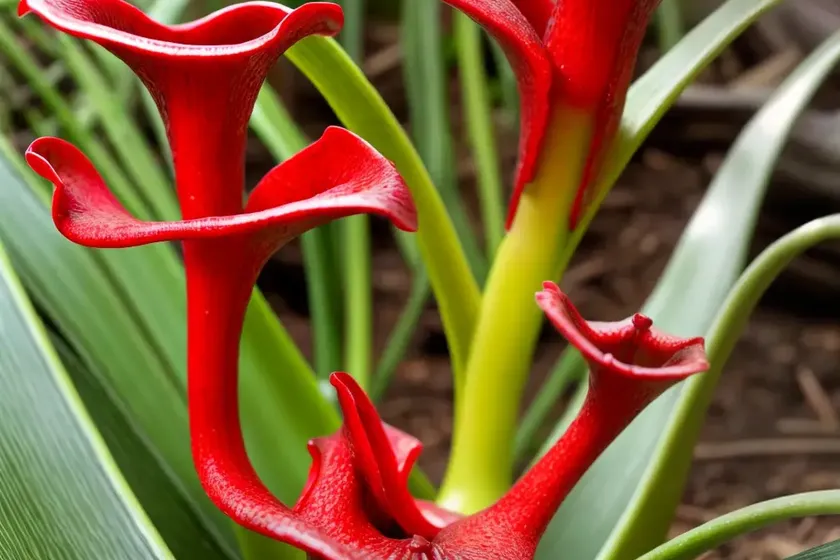
The Sarracenia ‘Red Bug’, commonly known as the pitcher plant, is a stunning and fascinating carnivorous plant species that has captured the interest of plant enthusiasts and botanists alike. With its unique pitcher-shaped leaves and remarkable adaptation to obtain nutrients from trapped insects, the pitcher plant is a captivating addition to any plant collection. In this in-depth guide, we will explore the essential aspects of caring for Sarracenia ‘Red Bug’, including its cultural requirements, habitat information, propagation techniques, common diseases and pests, as well as valuable insights and fun facts about this remarkable plant species.
What is the Pitcher Plant (Sarracenia ‘Red Bug’)?
Sarracenia ‘Red Bug’ is a carnivorous plant species belonging to the Sarraceniaceae family, native to the Southeastern United States. One of the most distinctive features of this plant is its modified leaves that form pitcher-shaped structures, which act as passive pitfall traps for unsuspecting insects. The plant utilizes a combination of nectar, visual lures, and slippery surfaces to attract, trap, and digest its prey, thereby supplementing its nutrient uptake in nutrient-deficient habitats.
The Sarracenia ‘Red Bug’ variety, in particular, is known for its vibrant red coloration, adding a spectacular visual appeal to its already intriguing characteristics. This unique plant species has captivated botanists and plant enthusiasts due to its specialized adaptation and visually stunning appearance, making it an enticing addition to both indoor and outdoor plant collections.
Key Takeaways – Pitcher Plant (Sarracenia ‘Red Bug’)
Before delving into the specific care requirements for Sarracenia ‘Red Bug’, it is essential to understand the fundamental aspects associated with its culture, habitat, uses, and popularity. Let’s take a closer look at the key takeaways for this remarkable plant species.
Culture
- Scientific Name: Sarracenia ‘Red Bug’
- Family: Sarraceniaceae
- Native Habitat: Southeastern United States
- Cultural Significance: Carnivorous plant, cultivated for its unique pitcher-shaped leaves and insect-trapping capabilities
Uses
- Ornamental Purposes: Sarracenia ‘Red Bug’ is commonly cultivated for its aesthetic appeal and distinctive carnivorous nature, adding a unique touch to plant collections and botanical gardens.
Water
- Watering Needs: The pitcher plant requires consistently moist soil, simulating the boggy conditions of its natural habitat. It is crucial to ensure that the plant is never allowed to dry out completely, and distilled water or rainwater is preferred to prevent mineral build-up in the soil.
Sunlight
- Light Requirements: Sarracenia ‘Red Bug’ thrives in bright, indirect light and can tolerate some direct sunlight, especially in the morning or late afternoon. However, prolonged exposure to intense midday sun should be avoided to prevent leaf scorch.
Fertilizer
- Feeding Mechanism: As a carnivorous plant, Sarracenia ‘Red Bug’ obtains nutrients from captured insects and does not rely on traditional fertilization. Avoid using standard fertilizers, as they can harm the plant’s sensitive roots.
Soil
- Growing Medium: The pitcher plant prefers a nutrient-poor, acidic growing medium, such as a mix of sphagnum peat moss and perlite or sand. A well-draining, aerated soil mixture is essential for the plant’s health and growth.
Pruning
- Maintenance: While the pitcher plant does not require regular pruning, it is essential to remove any dead or decaying pitchers to maintain the plant’s overall appearance and prevent the spread of diseases.
Propagation
- Reproduction Techniques: Sarracenia ‘Red Bug’ can be propagated through division, seed germination, or rhizome cuttings, providing opportunities to expand your pitcher plant collection or share it with fellow gardening enthusiasts.
Container Popularity
- Container Gardening: The mesmerizing aesthetic of the pitcher plant, especially the ‘Red Bug’ variety, has made it a popular choice for container gardening, allowing plant lovers to admire its beauty up close.
Common Diseases
- Disease Prevention: Pitcher plants are susceptible to fungal infections, particularly in humid and stagnant conditions. Proper ventilation, controlled moisture levels, and preventive measures are essential for maintaining the plant’s health.
Common Pests
- Pest Control: Although the pitcher plant is an insectivorous species, it may still face threats from pests such as aphids, spider mites, and mealybugs. Vigilance and prompt action are crucial in safeguarding the plant from potential infestations.
Botanist’s Tips
- Expert Recommendations: Insights and advice from experienced botanists and plant enthusiasts can provide valuable guidance in caring for Sarracenia ‘Red Bug’ and unlocking its full potential in cultivation.
Fun Facts
- Fascinating Trivia: Discover intriguing and lesser-known facts about the pitcher plant, from its unique hunting mechanisms to its diverse species variations found in the wild.
Links to External Resources
- Additional Reading: Explore external resources, including botanical publications, research papers, and reputable websites offering further insights into the fascinating world of pitcher plants.
Now that we have established an overview of the essential aspects associated with Sarracenia ‘Red Bug’, we will delve deeper into each of these components to provide comprehensive guidance on caring for this captivating plant species.
Pitcher Plant (Sarracenia ‘Red Bug’) Care Tips
It is crucial to provide optimal growing conditions for Sarracenia ‘Red Bug’ to ensure its health, vigor, and stunning visual appeal. By understanding the specific requirements related to water, sunlight, soil, and more, plant enthusiasts can effectively nurture their pitcher plants and witness their impressive growth and carnivorous behaviors.
How to Grow Pitcher Plants
Cultivating pitcher plants, including the ‘Red Bug’ variety, necessitates attention to their unique habitat requirements and specialized adaptation as carnivorous plants. By following the following essential tips, enthusiasts can create an environment conducive to the successful cultivation of these captivating species:
- Cultural Setting: Mimic the natural boggy habitats of pitcher plants by creating a humid, moist, and aerated environment, utilizing appropriate growing mediums and controlled watering techniques.
- Light Management: Provide bright, indirect light while protecting the plants from prolonged exposure to intense, direct sunlight, especially during the peak hours of midday.
- Watering Technique: Maintain consistent soil moisture using distilled water or rainwater to prevent mineral accumulation and ensure optimal hydration for the pitcher plant.
- Feeding Considerations: Understand the unique nutritional requirements of carnivorous plants and refrain from traditional fertilization, instead allowing the plant to capture and digest its prey for essential nutrients.
Best Conditions for Sarracenia ‘Red Bug’
The Sarracenia ‘Red Bug’ variety thrives when placed in conditions that closely resemble its native habitat, promoting robust growth, vivid coloration, and the development of its characteristic pitchers. Focusing on the following essential aspects can help create an ideal environment for the ‘Red Bug’ pitcher plant to flourish:
- Temperature Range: Maintain temperatures within the pitcher plant’s preferred range, typically between 60°F to 80°F (15°C to 27°C), ensuring optimal growth and metabolic activity.
- Humidity Levels: Provide moderate to high humidity levels to replicate the plant’s natural boggy environment, preventing desiccation and promoting healthy pitcher formation.
- Soil Acidity: Utilize an acidic growing medium with a pH range of 4.5 to 5.5, mimicking the nutrient-poor, acidic soils of the pitcher plant’s native habitats in the Southeastern United States.
Pitcher Plant Habitat Requirements
Understanding the specialized habitat requirements of pitcher plants is essential for creating an environment that encourages their growth and development. By emulating their natural boggy habitats and considering their distinct adaptation as insect-trapping carnivorous plants, enthusiasts can effectively meet the following key habitat requirements:
- Bog Simulation: Create a bog-like setting with consistently moist, nutrient-poor soil, ensuring proper drainage and aeration to prevent waterlogging and root rot.
- Humidity Maintenance: Implement measures to maintain moderate to high humidity levels, such as using pebble trays or humidifiers, particularly in indoor settings where environmental control is essential.
- Light Optimization: Provide bright, indirect light while protecting the plants from excessive heat and intense sunlight, maintaining a balance to avoid leaf scorch and ensure robust growth.
Sarracenia ‘Red Bug’ Characteristics
The ‘Red Bug’ variety of Sarracenia exhibits distinct characteristics that set it apart from other pitcher plant species. From its vibrant red coloration to its unique adaptation as a carnivorous plant, understanding its defining traits allows enthusiasts to appreciate and nurture this remarkable plant effectively:
- Coloration: The ‘Red Bug’ variety showcases striking reddish hues, adding a dramatic and visually captivating element to its appearance, especially when compared to other varieties within the Sarracenia genus.
- Carnivorous Adaptation: Embrace the plant’s carnivorous nature and appreciate its specialized adaptations for capturing and digesting insects, thereby fulfilling its nutritional requirements in nutrient-deficient habitats.
Pitcher Plant Species Guide
Given the diverse range of pitcher plant species and varieties available, enthusiasts can explore various options for cultivation, each offering unique characteristics and visual appeal. A comprehensive species guide provides valuable insights into different pitcher plant species, including the ‘Red Bug’ variety, enabling enthusiasts to make informed decisions regarding their plant selections:
- Species Diversity: Explore the broad array of pitcher plant species beyond Sarracenia ‘Red Bug’, gaining an appreciation for the diverse forms, colors, and ecological adaptations within the Sarracenia genus and related carnivorous plant families.
Sarracenia ‘Red Bug’ Cultivation
Successful cultivation of the Sarracenia ‘Red Bug’ variety relies on an understanding of its specific cultural needs, growth habits, and environmental preferences. By focusing on the following cultivation practices, enthusiasts can create an environment conducive to the healthy development and stunning visual display of this captivating pitcher plant:
- Environmental Simulation: Replicate the boggy, humid conditions of the plant’s native habitats, maintaining optimal soil moisture and humidity to support vigorous growth and vibrant coloration.
- Optimized Light Exposure: Provide sufficient, yet controlled, light exposure to facilitate healthy photosynthesis, pitcher development, and robust plant growth without risking leaf damage from excessive sunlight.
Pitcher Plant Gardening Tips
Incorporating pitcher plants, particularly the ‘Red Bug’ variety, into gardening settings offers a distinctive and visually appealing element, enhancing the overall aesthetics and ecological diversity of the garden space. By integrating the following gardening tips, enthusiasts can effectively incorporate pitcher plants into their outdoor settings:
- Naturalistic Placement: Integrate pitcher plants into bog gardens, wetland features, or container arrangements, creating visually striking displays while supporting the ecological role of these carnivorous species within the garden ecosystem.
- Companion Planting: Explore suitable companion plants that complement the unique characteristics and cultural requirements of pitcher plants, ensuring harmonious coexistence and aesthetic synergy within garden spaces.
Sarracenia ‘Red Bug’ Maintenance Guide
Ongoing maintenance and care are crucial for ensuring the long-term health, vigor, and captivating appearance of the Sarracenia ‘Red Bug’ pitcher plant. By following a comprehensive maintenance guide, enthusiasts can sustain the plant’s beauty and vitality, promoting robust growth and successful prey capture:
- Pitcher Inspection: Regularly inspect the plant for deformed or decaying pitchers, removing them carefully to maintain the overall visual appeal and prevent the spread of potential diseases or pest infestations.
- Soil Moisture Monitoring: Continuously monitor soil moisture levels, adjusting watering frequency as needed to sustain optimal moisture without waterlogging, particularly during warmer weather conditions.
Pitcher Plant Types
Explore the various types of pitcher plants, encompassing a diverse array of species and hybrid varieties, each offering unique attributes, colorations, and growth habits. By familiarizing oneself with the different pitcher plant types, enthusiasts can expand their plant collections and appreciate the rich diversity within the Sarracenia genus and related carnivorous plant families.
Sarracenia ‘Red Bug’ Growing Techniques
Implementing effective growing techniques tailored to the unique requirements of the Sarracenia ‘Red Bug’ variety is essential for promoting healthy growth, vibrant coloration, and the formation of fully functional pitchers. By employing the following growing techniques, enthusiasts can maximize the visual impact and ecological significance of their ‘Red Bug’ pitcher plants:
- Nutrient Absorption: Embrace the plant’s natural insect-trapping capabilities, allowing it to capture and digest insects as a primary source of nutrients, thereby eliminating the need for traditional fertilization.
- Optimized Environmental Control: Maintain consistent growing conditions, including temperature, humidity, and light exposure, creating a supportive environment for robust pitcher formation and sustained growth.
Pitcher Plant Soil Requirements
The soil composition and acidity significantly impact the health and vitality of pitcher plants, including the ‘Red Bug’ variety, necessitating a specialized growing medium that aligns with their natural habitat preferences. By understanding and fulfilling the soil requirements of pitcher plants, enthusiasts can create an environment conducive to their successful cultivation:
- Acidic Soil Medium: Utilize a well-draining, acidic growing medium with a pH range of 4.5 to 5.5, incorporating sphagnum peat moss, perlite, or sand to replicate the nutrient-poor, acidic soils of the plant’s native habitats.
- Avoid Mineral Accumulation: Prevent mineral build-up in the soil by utilizing distilled water or rainwater for watering, minimizing the risk of excessive mineral content that could negatively impact the plant’s health.
Sarracenia ‘Red Bug’ Water Needs
Appropriate watering practices are critical for nurturing healthy pitcher plants, particularly the ‘Red Bug’ variety, ensuring the maintenance of optimal soil moisture without waterlogging or desiccation. By addressing the specific water needs of Sarracenia ‘Red Bug’, enthusiasts can safeguard the plant’s well-being and vibrant appearance:
- Consistent Moisture: Maintain consistently moist soil, simulating the boggy conditions of the plant’s native habitats, while avoiding prolonged periods of waterlogged or dry soil, which can compromise the health of the pitcher plant.
- Water Source Preference: Prioritize the use of distilled water or rainwater to prevent mineral accumulation, safeguarding the plant from potential root damage and maintaining a nutrient-poor growing environment.
Pitcher Plant Propagation Methods
Propagating pitcher plants, including the ‘Red Bug’ variety, offers opportunities to expand plant collections, share the beauty of these unique species, and explore the intricacies of reproductive processes in carnivorous plant species. By utilizing effective propagation methods, enthusiasts can multiply their pitcher plants and contribute to the preservation and appreciation of these captivating species:
- Division: Divide mature pitcher plants, carefully separating rhizomes to create new plant divisions, provided with suitable environmental conditions to promote successful establishment and growth.
- Seed Germination: Explore seed germination techniques, facilitating the growth of new pitcher plant individuals from seeds and contributing to the genetic diversity and cultivation of these unique species.
Sarracenia ‘Red Bug’ Pest Control
While pitcher plants are known for their insect-trapping capabilities, they may still face potential threats from pests such as aphids, spider mites, or mealybugs, impacting the health and appearance of the ‘Red Bug’ variety. Effectively managing pest control measures is essential for safeguarding the plant’s vitality and visual appeal:
- Vigilance: Regularly monitor pitcher plants for signs of pest infestations, addressing any issues promptly to prevent widespread damage and protect the plant from persistent pests.
- Natural Pest Control: Utilize natural pest control methods, such as predatory insects or beneficial nematodes, to manage pest populations without resorting to chemical treatments harmful to the sensitive nature of pitcher plants.
Pitcher Plant Disease Prevention
Preventative measures play a pivotal role in maintaining the long-term health and vitality of pitcher plants, preventing potential disease outbreaks and safeguarding the visual appeal of the ‘Red Bug’ variety. By implementing effective disease prevention strategies, enthusiasts can actively protect their pitcher plants from common fungal infections and other disease threats:
- Adequate Ventilation: Ensure proper air circulation around the plants, reducing humidity levels and preventing stagnant air that can contribute to the development of fungal diseases in pitcher plants.
- Sanitary Practices: Practice clean gardening habits, including removing decaying plant matter and maintaining hygienic conditions, reducing the risk of disease transmission and promoting a healthy growing environment for pitcher plants.
Sarracenia ‘Red Bug’ Fertilization Tips
As a carnivorous plant species, Sarracenia ‘Red Bug’ does not rely on traditional fertilization for its nutritional needs, acquiring essential nutrients from captured insects through its specialized adaptation. Understanding the plant’s unique feeding mechanisms and refraining from standard fertilization ensures the preservation of its sensitive root systems and overall health:
- Natural Nutrition: Allow the plant to capture and digest insects as the primary source of nutrients, avoiding the use of conventional plant fertilizers that can harm the pitcher plant’s specialized adaptations and unique feeding mechanisms.
Pitcher Plant Outdoor Gardening
Incorporating pitcher plants, including the striking ‘Red Bug’ variety, into outdoor garden designs offers a visually captivating and ecologically enriching element, contributing to the overall aesthetic appeal and biodiversity of garden spaces. By integrating pitcher plants into outdoor gardening settings, enthusiasts can create stunning displays and promote the ecological significance of carnivorous plant species:
- Bog Garden Features: Develop dedicated bog garden areas or wetland components within outdoor settings, providing suitable environments for pitcher plants and complementing garden aesthetics with vibrant displays of carnivorous species.
- Landscape Integration: Integrate pitcher plants into landscape designs, creating visually striking focal points and incorporating their unique characteristics into overall garden compositions.
Sarracenia ‘Red Bug’ Indoor Growing
Cultivating pitcher plants, such as the ‘Red Bug’ variety, in indoor settings offers opportunities to nurture these captivating species while ensuring optimal growing conditions and environmental control. By understanding the specific considerations related to indoor cultivation, enthusiasts can create thriving indoor environments for their pitcher plants:
- Humidity Management: Install humidifiers or utilize pebble trays to maintain moderate to high humidity levels, especially in indoor settings where environmental control is vital for supporting healthy pitcher plant growth.
- Light Optimization: Provide bright, indirect light exposure, utilizing windowsills or artificial grow lights to ensure sufficient light for robust photosynthesis and pitcher development.
Pitcher Plant Container Gardening
Plant enthusiasts can explore the possibilities of container gardening with pitcher plants, leveraging the compact nature and visually striking appearance of the ‘Red Bug’ variety to create captivating container displays. By embracing container gardening for pitcher plants, enthusiasts can enjoy the flexibility and visual impact of these unique species in various indoor and outdoor settings:
- Container Selection: Choose suitable containers with adequate drainage, ensuring proper soil aeration and moisture control, while showcasing the unique visual appeal of pitcher plants, especially the vibrant ‘Red Bug’ variety.
- Outdoor Display: Arrange pitcher plant containers on patios, balconies, or garden spaces, creating visually captivating accents and utilizing the compact nature of container-grown pitcher plants.
Sarracenia ‘Red Bug’ Natural Habitat
Understanding the natural habitat of pitcher plants, including the ‘Red Bug’ variety, provides valuable insights into their ecological adaptation, environmental preferences, and conservation significance. By exploring the plant’s natural habitat, enthusiasts can appreciate its specialized adaptation and broader ecological role within native ecosystems:
- Boggy Environments: Appreciate the plant’s affinity for boggy habitats, characterized by consistently moist


