Plant Name: Salvia uliginosa (Bog Sage)
Salvia uliginosa, commonly known as Bog Sage, is a stunning perennial plant that belongs to the family Lamiaceae. This plant is native to South America, where it thrives in wetland environments, such as marshes, pond edges, and riversides. Bog Sage is celebrated for its striking, sky-blue flowers and its ability to attract pollinators to the garden. Its adaptability to wet soil conditions makes it an excellent choice for water gardens, rain gardens, and aquatic plantings.
In this comprehensive guide, we will delve into the characteristics, growing conditions, care tips, landscape uses, propagation methods, and the ecological significance of Salvia uliginosa. Whether you are a beginner gardener or an experienced horticulturist, this article will equip you with the knowledge needed to successfully cultivate and appreciate the beauty of Bog Sage in your own garden.
Salvia uliginosa Characteristics
Salvia uliginosa, or Bog Sage, possesses several distinct characteristics that make it a desirable addition to any garden. Understanding these traits is essential for creating an optimal environment for its growth and development.
Plant Size and Growth Habit
- Bog Sage is a vigorous perennial that typically reaches a height of 3 to 4 feet (about 0.9 to 1.2 meters) in ideal conditions.
- The plant has an upright growth habit, forming tall, elegant stems adorned with attractive foliage and vibrant flowers.
Foliage
- The leaves of Salvia uliginosa are lance-shaped, with a rich green hue that provides an exquisite backdrop to the plant’s blooms.
- The foliage is aromatic when crushed, emitting a pleasant fragrance that adds to the overall appeal of the plant.
Flowers
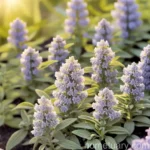
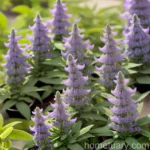
- Bog Sage is renowned for its stunning, sky-blue flowers that are borne on slender spikes.
- The flowers, which resemble delicate yet vibrant wands, have a captivating appearance that makes them a standout feature in any garden setting.
Ecological Importance
- Salvia uliginosa serves as a valuable pollinator plant, attracting bees, butterflies, and hummingbirds with its nectar-rich blossoms.
- Due to its adaptation to wetland habitats, Bog Sage plays a crucial role in supporting and sustaining wildlife, particularly in environments with fluctuating water levels.
Bog Sage Plant Profile
Understanding the basic profile of Salvia uliginosa is the first step in appreciating the plant’s unique attributes and requirements.
Scientific Classification
- Kingdom: Plantae
- Order: Lamiales
- Family: Lamiaceae
- Genus: Salvia
- Species: uliginosa
Common Names
- Bog Sage, Blue Haze Sage, and Meadow Clary
Hardiness Zones
- Salvia uliginosa is ideally suited for cultivation in USDA hardiness zones 7 to 10.
Bloom Time
- The flowering season for Bog Sage typically spans from midsummer to early fall, offering a prolonged display of its enchanting blue blossoms.
Native Habitat
- Salvia uliginosa is native to South America, where it thrives in moist, marshy areas, meadows, and along the edges of ponds, lakes, and streams.
Growing Conditions for Salvia uliginosa
To cultivate Salvia uliginosa successfully, it is crucial to provide the plant with the appropriate growing conditions that mirror its natural habitat. The following factors should be carefully considered when establishing an environment for Bog Sage in the garden.
Water
- Water Requirements: Bog Sage has high water requirements and thrives in consistently moist to wet soil. It is well-suited for water gardens, rain gardens, and locations with periodic waterlogging.
- Drought Tolerance: While Bog Sage appreciates ample moisture, it is not tolerant of prolonged periods of drought. Adequate irrigation is essential, especially during dry spells.
Sunlight
- Light Exposure: Salvia uliginosa flourishes in full sun to partial shade. However, to promote abundant flowering and robust growth, it is advisable to provide the plant with at least 6 to 8 hours of direct sunlight daily.
- Shade Tolerance: While Bog Sage can tolerate some shade, insufficient sunlight may lead to reduced flowering and overall vigor.
Soil
- Soil Type: Bog Sage thrives in rich, well-draining soil with a high organic content. It can tolerate a range of soil types, including loamy, sandy, or clay soils, provided that they retain moisture without becoming waterlogged.
- Soil pH: The ideal soil pH for Salvia uliginosa ranges from slightly acidic to neutral (pH 6.0 to 7.5).
Climate
- Temperature Tolerance: Salvia uliginosa is well-suited for temperate to warm climates, where it can establish strong root systems and produce an abundance of flowers.
- Cold Sensitivity: While Bog Sage is generally hardy, it may benefit from protection during periods of severe frost, especially in colder zones.
Salvia uliginosa Care Guide
Bog Sage plants are relatively low-maintenance once their basic requirements are met. However, a few key care practices can ensure the optimal health and longevity of Salvia uliginosa in the garden.
Watering
- Regular Moisture: Maintain consistent soil moisture for Bog Sage by watering the plant thoroughly during dry spells or when growing in containers.
- Avoid Waterlogging: While Bog Sage appreciates moist conditions, it is essential to prevent the soil from becoming waterlogged, as excessive moisture can lead to root rot and other issues.
Mulching
- Mulch Benefits: Apply a layer of organic mulch, such as shredded bark or compost, around the base of Bog Sage plants to conserve soil moisture and regulate soil temperature.
- Mulch Depth: Aim for a mulch depth of 2 to 3 inches, taking care to keep the mulch away from direct contact with the plant’s stems.
Fertilization
- Organic Amendments: Incorporate organic matter, such as well-rotted compost or aged manure, into the soil around Salvia uliginosa to enrich nutrient levels and promote healthy growth.
- Balanced Fertilizer: If necessary, provide a balanced, slow-release fertilizer to the plant in spring, following the manufacturer’s recommendations for application rates.
Pruning
- Deadheading: Regularly remove spent flowers from Bog Sage to encourage additional blooming and maintain a tidy appearance.
- Spring Pruning: In early spring, prune back any damaged or overgrown stems to rejuvenate the plant and stimulate new growth.
Bog Sage Planting Tips
Successfully establishing Salvia uliginosa in the garden involves strategic planting methods and considerations to ensure its long-term viability and aesthetic appeal.
Planting Location
- Wetland Gardens: Integrate Salvia uliginosa into wetland gardens, pond edges, or rain gardens, where its moisture requirements can be naturally met.
- Container Planting: Consider growing Bog Sage in large containers with adequate drainage to control soil moisture levels and showcase the plant’s striking foliage and flowers.
Spacing
- Crowding Prevention: Allow sufficient space between Bog Sage plants when planting to promote good air circulation, reduce the risk of disease, and prevent overcrowding as the plants mature.
Companion Planting
- Pollinator-friendly Species: Pair Salvia uliginosa with other nectar-rich, pollinator-attracting plants, such as Echinacea (coneflowers), Monarda (bee balm), and Asclepias (milkweed), to create vibrant and ecologically beneficial garden spaces.
Salvia uliginosa Habitat Requirements
Salvia uliginosa, or Bog Sage, has specific habitat requirements that reflect its natural adaptation to wetland and riparian environments. Understanding and replicating these requirements is crucial for cultivating the plant successfully.
Wet Soil Conditions
- Hydrophilic Adaptation: Bog Sage is well-adapted to wet soil and periodically inundated conditions, making it an excellent choice for enhancing and stabilizing the edges of water bodies.
Moisture Retention
- Water Conservation: Salvia uliginosa plays a valuable role in wetland habitats by aiding in moisture retention, preventing erosion, and supporting a diverse range of wildlife.
Ecological Significance
- Wildlife Support: The nectar-rich blooms of Bog Sage attract bees, butterflies, and hummingbirds, providing essential forage and habitat for these pollinators.
Benefits of Salvia uliginosa in Gardens
The inclusion of Salvia uliginosa in garden settings offers various benefits, ranging from aesthetic appeal to ecological contributions and functional uses.
Aesthetics
- Elegant Floral Display: Bog Sage’s striking blue flowers and attractive foliage contribute to visually captivating garden compositions and naturalistic landscapes.
Ecological Value
- Pollinator Support: By attracting and nourishing pollinators, Salvia uliginosa aids in fostering healthy and resilient ecosystems, while also contributing to the diversity of flora and fauna within the garden.
Durability
- Wetland Adaptation: The plant’s capacity to thrive in moist environments, combined with its vigor and resilience, makes it a valuable addition to water-wise and wetland gardens.
Bog Sage Flowering Season
Salvia uliginosa is renowned for its prolonged and abundant flowering season, which adds a vibrant burst of color and interest to garden spaces throughout the late summer and early fall.
Flowering Timeframe
- Long Blooming Period: Bog Sage typically begins flowering in mid to late summer and continues to bloom prolifically well into the fall, providing enduring visual allure and pollinator appeal.
Floral Abundance
- Numerous Blooms: Salvia uliginosa produces a profusion of periwinkle-blue blossoms, creating a stunning focal point within garden beds, borders, and aquatic plantings.
Pollinator Interaction
- Nectar Resources: The extended flowering season of Bog Sage ensures a consistent and reliable food source for bees, butterflies, and other pollinators, contributing to the overall health and biodiversity of the garden.
Salvia uliginosa Landscape Uses
Due to its exceptional adaptability and ornamental appeal, Salvia uliginosa lends itself to a diverse array of landscape applications, each contributing to the beauty and functionality of outdoor spaces.
Wetland Environments
- Pond Edges: Utilize Bog Sage to frame and embellish the edges of ponds, water features, and aquatic gardens, where it can thrive within its preferred wetland habitat.
Rain Gardens
- Stormwater Management: Incorporate Salvia uliginosa into rain gardens to absorb and filter excess water, mitigate runoff, and contribute to sustainable water management practices.
Wildlife Gardens
- Pollinator Habitats: Integrate Bog Sage into wildlife-friendly gardens to attract and support bees, butterflies, and other beneficial insects, fostering biodiversity and ecological balance.
Naturalistic Landscaping
- Native Plantings: Use Salvia uliginosa in naturalistic, native plant landscapes to evoke the beauty and tranquility of natural wetland habitats, while also promoting conservation and environmental stewardship.
How to Propagate Salvia uliginosa
Propagating Salvia uliginosa allows gardeners to expand their plant collection, share the beauty of Bog Sage with others, and further support the ecological significance of the species.
Seed Propagation
- Seed Collection: Harvest seeds from mature Bog Sage plants in the fall, once the seed heads have turned brown and the seeds are fully ripe.
- Sowing Method: Sow the seeds in trays filled with a moist, well-draining seed-starting mix and cover them lightly with a thin layer of soil.
Division
- Established Plants: Divide mature Salvia uliginosa plants in early spring, carefully separating the root ball into sections, each containing healthy stems and roots.
- Transplanting: Replant the divisions in prepared garden beds or containers, ensuring they are kept well-watered during the establishment phase.
Bog Sage Maintenance Tips
Caring for Salvia uliginosa requires minimal maintenance, but certain practices can help to optimize its performance and longevity in the garden.
Deadheading
- Aesthetic Pruning: Remove spent flowers regularly to improve the appearance of Bog Sage plants and stimulate continuous flowering.
Winter Protection
- Cold Climate Precautions: In colder climates, provide a layer of mulch or frost protection to shield Salvia uliginosa from potential damage during winter months.
Pest and Disease Monitoring
- Vigilant Observation: Regularly inspect Bog Sage for signs of pests such as aphids or whiteflies, as well as symptoms of diseases like powdery mildew or root rot, addressing any issues promptly as needed.
Salvia uliginosa Varieties
Several cultivated varieties and cultivars of Salvia uliginosa offer unique features, such as flower color variations, compact growth habits, or enhanced cold tolerance.
‘Blue Sky’
- Distinctive Trait: The ‘Blue Sky’ variety is celebrated for its particularly intense periwinkle-blue flowers and compact, bushy growth habit, making it an excellent choice for small gardens and containers.
‘Solar Blue’
- Floral Abundance: ‘Solar Blue’ is prized for its prolific flowering and extended bloom time, providing an enduring display of sky-blue blossoms throughout the summer and fall.
‘Silver Frost’
- Foliage Highlight: The ‘Silver Frost’ cultivar showcases striking silver-gray foliage that enhances the visual appeal of Salvia uliginosa, adding contrast and interest to the garden.
Importance of Salvia uliginosa in Wetlands
Salvia uliginosa holds significant ecological importance within wetland and riparian ecosystems, where it serves various critical functions and contributes to the health and sustainability of these habitats.
Ecological Services
- Erosion Control: Bog Sage helps stabilize soil in wetland environments, mitigating erosion and enhancing the overall resilience of the ecosystem.
- Water Filtration: The root systems of Salvia uliginosa aid in filtering and purifying water, contributing to improved water quality and environmental health.
Wildlife Support
- Habitat Provision: Bog Sage provides essential forage and shelter for a wide range of wildlife, from pollinating insects to amphibians and small mammals.
Wetland Restoration
- Biodiversity Enhancement: Incorporating Salvia uliginosa into wetland restoration projects facilitates the reintroduction of native plant species and assists in revitalizing degraded wetland areas.
Bog Sage Water Requirements
Understanding the specific water needs of Salvia uliginosa is crucial for providing optimal irrigation and maintaining the health and vitality of the plant.
Moisture Levels
- Consistent Moisture: Bog Sage thrives in consistently moist to wet soil conditions, making it well-suited for locations with periodic or sustained water presence.
- Avoid Water Stress: Prevent the plant from experiencing prolonged periods of dryness, as this can lead to diminished flowering and overall vigor.
Watering Methods
- Deep Watering: When irrigating Salvia uliginosa, ensure thorough penetration of water into the soil to reach the plant’s deep roots, particularly during hot and dry periods.
Potted Plants
- Container Considerations: If growing Salvia uliginosa in containers, monitor the soil moisture levels closely to prevent the root ball from drying out completely, particularly in warm or windy conditions.
Salvia uliginosa as a Pollinator Plant
Salvia uliginosa plays an essential role in supporting pollinators and fostering biodiversity within garden and natural habitats.
Nectar Resources
- Nectar Content: The abundant nectar produced by Bog Sage flowers serves as a valuable food source for bees, butterflies, and hummingbirds, attracting these pollinators to the garden.
Pollinator Diversity
- Species Attraction: Bog Sage’s nectar-rich blooms draw in a diverse array of pollinating insects, contributing to the establishment and sustenance of healthy and resilient ecosystems.
Conservation Impact
- Ecosystem Health: By nurturing pollinators through the provision of nectar and habitat, Salvia uliginosa indirectly supports the maintenance of balanced and sustainable environmental systems.
Benefits of Planting Salvia uliginosa in Ponds
Salvia uliginosa offers numerous advantages when cultivated in pond environments, enhancing the visual appeal and ecological functionality of these aquatic landscapes.
Aesthetic Enhancement
- Waterside Elegance: The tall, graceful stems and vivid blue flowers of Bog Sage provide a striking floral display along the edges of ponds, enhancing their natural beauty.
Habitat Enrichment
- Wildlife Attraction: The presence of Salvia uliginosa in and around ponds supports a range of aquatic and terrestrial wildlife, including pollinators and amphibious species.
Water Quality
- Phytofiltration: Bog Sage aids in purifying and clarifying pond water by absorbing excess nutrients and pollutants, contributing to improved water quality and clarity.
Bog Sage Medicinal Properties
Salvia uliginosa possesses various medicinal and therapeutic properties that have historically been recognized and utilized by indigenous cultures and traditional herbalists.
Herbal Uses
- Traditional Medicine: In certain regions, the leaves and flowers of Bog Sage are used in herbal remedies and infusions to address ailments such as inflammation, respiratory issues, and digestive discomfort.
Aromatic Qualities
- Scented Foliage: The fragrant leaves of Salvia uliginosa release an aromatic scent when crushed, a characteristic that has been valued for its calming and sensory effects.
Ethnobotanical Significance
- Cultural Traditions: Salvia uliginosa holds cultural and symbolic significance in various indigenous traditions, often associated with healing, purification, and spiritual practices.
Salvia uliginosa and Wildlife
The presence of Salvia uliginosa in garden and wetland environments contributes to the provision of vital habitat and forage for a diverse array of wildlife species.
Pollinators
- Bee Forage: The nectar-rich flowers of Bog Sage attract and nourish bees, supporting the health and productivity of bee populations in the surrounding area.
Butterflies
- Butterfly Attraction: Salvia uliginosa serves as a valuable nectar source for butterflies, drawing these delicate and colorful insects to the garden and enhancing its visual allure.
Amphibians
- Shelter and Forage: The moist, sheltered environment provided by Bog Sage plants offers refuge and foraging opportunities for amphibious wildlife, contributing to local biodiversity.
Growing Bog Sage from Seeds
Propagating Salvia uliginosa from seeds allows for the expansion of plantings and the cultivation of new individuals, ensuring the continued presence of Bog Sage within garden and natural landscapes.
Seed Collection
- Maturation Timing: Collect seeds from mature Salvia uliginosa plants in the fall, once the seed heads have dried and turned brown, and the seeds can be easily extracted.
Seed Starting
- Sowing Practices: Sow Bog Sage seeds in trays or containers filled with a well-draining seed-starting medium, covering the seeds with a light layer of soil and maintaining consistent moisture throughout germination.
Germination Period
- Germination Conditions: Provide the seeds with warmth, moisture, and bright, indirect light to promote germination, which typically occurs within 14 to 21 days under optimal conditions.
Salvia uliginosa Companion Plants
Strategic companion planting with Salvia uliginosa provides numerous benefits, including enhanced aesthetic appeal, ecological support, and mutualistic interactions among plant species.
Echinacea purpurea
- Coneflower Complement: Pairing Bog Sage with Echinacea purpurea creates a visually striking combination, while also attracting pollinators