Salvia roemeriana (Cedar Sage): A Comprehensive Guide
Salvia roemeriana, commonly known as Cedar Sage, is a beautiful and versatile plant that has gained popularity among gardeners and plant enthusiasts due to its unique characteristics and myriad of uses. In this comprehensive guide, we will explore the various aspects of Cedar Sage, from its cultivation and maintenance to its cultural significance and ecological contributions. Whether you are a seasoned gardener or a newcomer to the world of plants, this guide will provide valuable insights into the world of Salvia roemeriana.
What is Salvia roemeriana (Cedar Sage)?
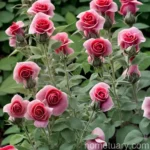
Salvia roemeriana is a species of flowering plant in the mint family, Lamiaceae. It is native to the southwestern United States, particularly Texas, where it is commonly found in limestone soils and rocky habitats. The plant is characterized by its vibrant red to pink tubular flowers and aromatic foliage, making it an attractive addition to gardens, natural landscapes, and ecological restoration projects.
Key Takeaways – Salvia roemeriana (Cedar Sage)
Before delving into the specifics of Cedar Sage cultivation and care, let’s outline the key takeaways to provide a comprehensive overview of its attributes and utility.
- Scientific Name: Salvia roemeriana
- Common Name: Cedar Sage
- Family: Lamiaceae
- Origin: Southwestern United States, particularly Texas
- Plant Type: Perennial flowering plant
- Flower Color: Red to pink
- Foliage: Aromatic, narrow, and green
- Uses: Ornamental gardening, ecological restoration, herbal and medicinal applications, wildlife support
- Cultural Significance: Native American folklore and traditional uses
- Growth Requirements: Well-draining soil, adequate sunlight, moderate watering, and occasional pruning
- Popularity: Increasing popularity in horticulture and landscaping due to its aesthetic and ecological benefits
Now, let’s delve into the specific aspects of Salvia roemeriana, including its cultivation, care, uses, and ecological contributions.
Salvia roemeriana Cultivation
Cultivating Salvia roemeriana requires an understanding of its natural habitat and the specific conditions that support its growth and development. Here are the key factors to consider when cultivating Cedar Sage:
Soil
Cedar Sage thrives in well-draining, alkaline soils with a rocky or limestone substrate, reflecting its natural habitat in the southwestern United States. The soil should be moderately fertile, but not overly rich, as excessive nutrient levels can lead to leggy growth and diminished flowering. Additionally, a slightly acidic to neutral pH range of 6.5 to 7.5 is optimal for robust growth and flowering.
Water
In terms of water requirements, Cedar Sage prefers moderate moisture levels and well-draining conditions. While the plant is drought-tolerant once established, regular watering is essential during the initial establishment phase and periods of prolonged drought. However, consistent overwatering should be avoided, as it can lead to root rot and other moisture-related issues.
Sunlight
Salvia roemeriana thrives in full to partial sunlight, requiring at least 6 hours of direct sun exposure each day for optimal growth and flowering. In regions with intense summer heat, partial shade during the hottest part of the day can be beneficial to prevent sunscald and dehydration. Providing adequate sunlight is crucial for promoting robust foliage and abundant flowering.
Fertilizer
Cedar Sage generally does not require heavy fertilization, especially when grown in well-balanced soils. A light application of a slow-release, balanced fertilizer in the early spring can help support initial growth and flowering. However, excessive nitrogen should be avoided, as it can lead to vegetative overgrowth at the expense of flower production.
Salvia roemeriana Maintenance Tips
Maintaining Cedar Sage involves regular monitoring and care to ensure its health and vitality. Here are some essential maintenance tips for nurturing Salvia roemeriana:
Pruning
Periodic pruning is beneficial for maintaining the compact and bushy growth habit of Salvia roemeriana. Pruning should be performed in the early spring before new growth emerges to remove any dead or leggy stems, promote branching, and shape the plant. Additionally, spent flowers can be deadheaded to encourage prolonged blooming and prevent self-seeding.
Watering
During the growing season, monitor the soil moisture levels and water Cedar Sage deeply but infrequently to encourage deep root growth. Avoid overhead watering, as it can lead to foliar diseases, and aim to water at the base of the plant to minimize moisture on the foliage. In the winter, reduce watering frequency to prevent waterlogged soils and potential root rot.
Winter Protection
In regions with cold winters, providing winter protection is essential to safeguard Cedar Sage from frost damage. Applying a layer of mulch around the base of the plant can insulate the root system and protect it from extreme temperature fluctuations. Additionally, temporary coverings, such as frost cloths, can be utilized during severe cold snaps.
Cedar Sage Plant Characteristics
Salvia roemeriana possesses distinct plant characteristics that contribute to its appeal and functional utility in various settings. Understanding these characteristics is essential for effectively integrating Cedar Sage into gardens, landscapes, and ecological projects. Here are the key plant characteristics of Salvia roemeriana:
- Growth Habit: Compact, bushy, and clump-forming
- Foliage: Narrow, lanceolate leaves with a distinct aromatic scent
- Flowers: Tubular, two-lipped flowers in shades of red to pink, borne in terminal racemes
- Height and Spread: Typically reaches a height of 12 to 18 inches and a spread of 12 to 24 inches
- Blooming Season: Primarily blooms in the spring to early summer, with sporadic flowering throughout the growing season under favorable conditions
- Ecological Contributions: Attracts pollinators, including bees and butterflies, and provides nectar and habitat for wildlife
Cedar Sage Uses
The versatile nature of Salvia roemeriana extends beyond its ornamental value, encompassing a range of practical and ecological uses. From herbal remedies to ecological restoration, Cedar Sage serves diverse purposes that enhance its significance in various contexts. Let’s explore the multiple uses of Salvia roemeriana:
Ornamental Gardening
Cedar Sage is primarily valued for its ornamental attributes, adding vibrant color, texture, and fragrance to gardens, borders, and naturalistic landscapes. Its compact growth habit and striking flowers make it an ideal choice for rock gardens, xeriscapes, and native plantings, where it thrives in well-drained, sunny locations.
Ecological Restoration
In its native range and beyond, Salvia roemeriana plays a crucial role in ecological restoration efforts aimed at reestablishing native plant communities and supporting pollinators and wildlife. Its nectar-rich flowers attract bees, butterflies, and hummingbirds, contributing to the overall biodiversity of the landscape.
Herbal and Medicinal Applications
Cedar Sage has a history of traditional uses in herbal medicine, particularly among Native American communities in Texas. The leaves of Salvia roemeriana are believed to possess medicinal properties, with applications ranging from respiratory ailments to wound healing. However, it is important to exercise caution and consult reputable sources before using any plant for medicinal purposes.
Wildlife Support
As a nectar source for pollinators and a habitat component for beneficial insects, Cedar Sage functions as an ecological cornerstone, fostering biodiversity and providing essential resources for wildlife. By incorporating Salvia roemeriana into garden designs and natural landscapes, individuals can contribute to the conservation of native flora and fauna.
Cedar Sage Propagation Methods
Propagating Salvia roemeriana allows for the expansion of its presence in diverse settings and the preservation of its genetic diversity. Cedar Sage can be propagated through several methods, each offering unique advantages and considerations. Here are the primary propagation methods for Salvia roemeriana:
Seed Propagation
Propagating Cedar Sage from seeds is a straightforward method that allows for the production of a large number of plants. Sow the seeds in a well-draining substrate in the early spring, either indoors or directly in the garden. Lightly press the seeds into the soil, as they require exposure to light for germination. Maintain consistent moisture levels and warmth to facilitate germination.
Division
Division is a simple and effective method for propagating established Cedar Sage plants. In the early spring, carefully lift the plant and separate the clumps into smaller sections, each with a portion of the root system and shoots. Replant the divided sections in prepared soil and provide adequate moisture and care to support their establishment.
Stem Cuttings
Taking stem cuttings from healthy, non-flowering shoots of Cedar Sage offers a reliable means of propagation. Select a 4- to 6-inch section of a young, vigorous stem and remove the lower leaves to expose the nodes. Dip the cut end in a rooting hormone to promote root development and place the cutting in a well-draining rooting medium. Maintain high humidity and consistent moisture until roots form.
Layering
Layering is a method of propagation that involves encouraging the formation of roots on a healthy stem while it is still attached to the parent plant. Select a low-growing stem of Cedar Sage, wound it lightly at a node, and bury the wounded portion in soil while keeping the tip above the surface. Once roots have developed, the new plant can be separated and transplanted.
Cedar Sage Container Gardening
Growing Salvia roemeriana in containers offers flexibility and versatility, allowing individuals with limited outdoor space to cultivate and enjoy this beautiful plant. When engaging in container gardening with Cedar Sage, certain considerations and practices can enhance its performance and aesthetic appeal. Here are the key aspects of Cedar Sage container gardening:
Container Selection: Choose a container with adequate drainage holes and a size that accommodates the mature growth habit of Cedar Sage, allowing for ample root space and stability. Containers made of terracotta, ceramic, or durable plastic are suitable choices for growing Salvia roemeriana.
Growing Medium: Select a well-draining, loamy potting mix that supports the healthy growth of Cedar Sage. Consider incorporating perlite or coarse sand into the mix to improve drainage and aeration, promoting optimal root health and function.
Placement: Position the container in a location that receives at least 6 hours of direct sunlight each day to promote vigorous growth and abundant flowering. In hot climates, providing partial shade during the peak of the day can prevent excessive heat stress on the plant.
Watering: Monitor the moisture levels in the container and water Cedar Sage as needed to maintain moderate soil moisture. Container-grown plants may require more frequent watering than those in the ground, especially during periods of high temperatures and dry weather.
Fertilization: Apply a balanced, water-soluble fertilizer at half-strength every 4 to 6 weeks during the growing season to supply essential nutrients to Cedar Sage. Ensure that the fertilizer is thoroughly dissolved and evenly applied to prevent root burn and nutrient imbalances.
Overwintering: In regions with harsh winters, provide adequate protection for container-grown Cedar Sage to prevent frost damage. Move the container to a sheltered location, insulate it with mulch, or apply temporary coverings to shield the plant from extreme cold.
Cedar Sage Popularity
The growing popularity of Salvia roemeriana in horticulture and landscaping can be attributed to its numerous merits as an ornamental and ecological asset. As more individuals recognize the value and versatility of Cedar Sage, its presence in gardens, natural settings, and conservation projects continues to expand. The increasing popularity of Cedar Sage is evident through its heightened visibility in nurseries, botanical gardens, and online horticultural communities.
Key factors contributing to the popularity of Cedar Sage include:
-
Aesthetic Appeal: The vibrant red to pink flowers and aromatic foliage of Salvia roemeriana contribute to its visual appeal, attracting the attention of gardeners and landscapers seeking plants with distinct beauty.
-
Eco-Friendly Gardening: The ecological benefits of Cedar Sage, such as supporting pollinators and conserving native flora, resonate with individuals interested in sustainable and wildlife-friendly gardening practices.
-
Adaptability: Cedar Sage’s adaptability to diverse growing conditions, including xeriscapes, rock gardens, and container gardening, makes it an attractive choice for gardeners with varying landscape settings and limitations.
-
Native Plant Advocacy: Increasing awareness of the importance of native plants and their role in promoting regional biodiversity has spurred a renewed interest in incorporating Salvia roemeriana into gardens and restoration projects.
-
Cultural Significance: The cultural and historical significance of Cedar Sage, particularly in Native American traditions and folklore, adds to its allure and educational value for enthusiasts and conservationists.
Common Diseases of Cedar Sage
While Cedar Sage is relatively resistant to many common plant diseases, certain environmental conditions and stress factors can predispose the plant to specific issues. Understanding the potential diseases affecting Salvia roemeriana and their management is essential for maintaining its health and vitality. Here are some common diseases that may impact Cedar Sage:
Root Rot
Excessive soil moisture and poor drainage can lead to root rot in Cedar Sage, manifested by wilting, yellowing foliage, and stunted growth. To prevent root rot, cultivate Cedar Sage in well-draining soil and avoid overwatering. If symptoms of root rot appear, assess the extent of damage and consider transplanting affected plants to drier locations.
Powdery Mildew
Powdery mildew, a fungal disease characterized by white, powdery growth on the foliage, can affect Cedar Sage, particularly in humid and crowded conditions. To minimize powdery mildew, ensure proper air circulation around the plants, avoid overhead watering, and apply horticultural oils or fungicides as necessary.
Rust
Rust diseases, identified by orange to reddish-brown pustules on the leaves and stems, can occur in Cedar Sage under prolonged periods of high humidity and poor air circulation. Prune and dispose of any infected plant material, and consider applying fungicidal treatments according to the manufacturer’s recommendations.
Bacterial Leaf Spot
Bacterial leaf spot may impact the foliage of Cedar Sage, causing dark, water-soaked lesions that gradually enlarge and lead to premature leaf drop. Maintain good sanitation practices and provide adequate spacing between plants to reduce the spread of bacterial pathogens. If bacterial leaf spot is prevalent, consider using copper-based bactericides as a management strategy.
Viral Diseases
Several viral diseases, such as mosaic viruses, can affect the overall health and appearance of Cedar Sage. To mitigate viral infections, focus on preventing insect vectors, such as aphids and thrips, which can transmit viruses. Additionally, eliminate infected plants to minimize the spread of the disease within the garden or landscape.
Disease Diagnosis and Management
Diagnosing and managing diseases affecting Salvia roemeriana require attentive observation, prompt intervention, and integrated pest and disease management practices. By taking proactive measures to prevent and address potential issues, gardeners can maintain the vigor and longevity of Cedar Sage. Here are key steps in disease diagnosis and management for Cedar Sage:
Observation and Identification
Regularly inspect Cedar Sage for any signs of disease, including unusual spots, discoloration, wilting, or deformities in the foliage and stems. Accurately identify the symptoms and compare them to known disease indicators to determine the nature and severity of the problem.
Cultural Practices
Implement cultural practices that promote plant health, such as providing optimal growing conditions, maintaining balanced soil moisture, and avoiding excess fertilizer applications. These overarching practices contribute to the resilience of Cedar Sage and reduce its susceptibility to diseases.
Sanitation
Enforce strict sanitation measures in the garden or landscape by removing and disposing of any diseased plant material promptly. This helps prevent the spread of pathogens and reduces the likelihood of disease recurrence in subsequent growing seasons.
Biological Control
Employ beneficial organisms, such as predatory insects and microbial antagonists, to combat pest and disease issues in a natural and sustainable manner. Encouraging a diverse and balanced ecosystem in the garden can contribute to the suppression of harmful pathogens and pests.
Chemical Treatments
When necessary, utilize targeted chemical treatments, such as fungicides and bactericides, to address severe disease outbreaks in Cedar Sage. Select products labeled for ornamental plants and follow the application instructions conscientiously to minimize potential harm to non-target organisms.
Integrated Management
Integrate various disease management strategies, including cultural, biological, and chemical methods, into a cohesive and proactive approach to safeguard Cedar Sage from diseases. By combining multiple measures, gardeners can effectively mitigate disease pressures and maintain the health of their plants.
Common Pests Affecting Cedar Sage
While Cedar Sage is generally resistant to many pests due to its aromatic foliage and natural defenses, several common insect pests may still pose potential challenges to its vitality. Understanding the pests that may affect Salvia roemeriana and implementing appropriate management strategies are crucial for preserving the plant’s health. Here are some common pests that may impact Cedar Sage:
Aphids
Aphids are soft-bodied insects that feed on the sap of Cedar Sage, typically colonizing the undersides of leaves and causing distorted growth and honeydew secretion. Using a strong jet of water, insecticidal soaps, or horticultural oils can effectively reduce aphid populations without causing harm to beneficial insects.
Whiteflies
Whiteflies are small, moth-like insects that feed on the sap of Cedar Sage, leading to chlorotic foliage and the development of sooty mold. Introducing natural predators, such as parasitic wasps, and utilizing reflective mulches can help deter and manage whitefly infestations in the garden.
Spider Mites
Spider mites are tiny pests that thrive in hot, dry conditions, causing stippling and webbing on the foliage of Cedar Sage. Increase air humidity through regular misting and maintain adequate soil moisture to create unfavorable conditions for spider mites. Predatory mites and insecticidal oils can be employed for biological control.
Thrips
Thrips are slender, winged insects that feed on the tender foliage of Cedar Sage, resulting in silvering, distortion, and premature leaf drop. Exclusion netting, reflective mulches, and biological control agents, such as predatory mites, can help mitigate thrips populations and their damage to plants.
Caterpillars
Caterpillars of various moth species may occasionally feed on the foliage of Cedar Sage, consuming leaf tissue and compromising the overall appearance of the plant. Handpicking caterpillars and applying Bacillus thuringiensis (Bt) formulations can effectively manage caterpillar infestations with minimal environmental impact.
Botanist’s Tips
Insights and tips from botanists and plant scientists can offer valuable guidance for successfully cultivating and appreciating Salvia roemeriana. Drawing upon their expertise and research, botanists provide empirically-based recommendations for optimizing the health, aesthetics, and ecological contributions of Cedar Sage. Here are some botanist’s tips for gardening and enhancing the presence of Cedar Sage:
-
Species Selection: When selecting Salvia roemeriana for cultivation, prioritize locally adapted ecotypes and wild-collected seeds to maintain genetic diversity and ensure the resilience of the plant in varying environments.
-
Soil Preparation: Focus on preparing the soil for Cedar Sage by incorporating organic matter, such as compost, to improve nutrient retention and microbial activity. Pay attention to soil structure and drainage, as these factors profoundly influence the health of the plant.
-
Integrated Pest Management: Adopt an integrated pest management approach that emphasizes preventive measures, cultural practices, and biological controls to manage pests and diseases, reducing the reliance on chemical interventions.
-
Habitat Restoration: Utilize Cedar Sage in habitat restoration projects aimed at conserving native plant communities, supporting pollinators, and enhancing the ecological integrity of natural landscapes, such as prairies, meadows, and savannas.