Salvia greggii Mirage Cream (Autumn Sage): A Comprehensive Guide
Salvia greggii Mirage Cream, commonly known as Autumn Sage, is a vibrant and versatile plant that has become a popular choice for gardens, landscapes, and containers. Its unique characteristics, low-maintenance nature, and ornamental value make it an attractive option for both novice and experienced gardeners. In this comprehensive guide, we will delve into the cultural aspects, uses, maintenance, and various other facets of Salvia greggii Mirage Cream. Whether you are interested in planting this stunning cultivar in your garden or wish to learn more about its botanical features, this guide has got you covered.
What is Salvia greggii Mirage Cream (Autumn Sage)?
Salvia greggii Mirage Cream, a hybrid variety of Salvia greggii, is a flowering perennial plant that belongs to the mint family, Lamiaceae. This cultivar is known for its compact size, aromatic foliage, and an abundance of tubular flowers that bloom in a mesmerizing cream color. With its resilience and adaptability to various growing conditions, it has gained popularity as a landscaping plant, particularly in regions with warm climates.
Key Takeaways
Before we delve deeper into the specifics of Salvia greggii Mirage Cream, here are the key takeaways that we will be exploring in this guide:
- Salvia greggii Mirage Cream Characteristics: Understanding the unique features and growth habits of this cultivar.
- Culture: Tips and insights on how to best cultivate and care for Salvia greggii Mirage Cream.
- Uses: Exploring the diverse uses of this plant in landscaping and gardening.
- Water: Understanding its water requirements and tips for effective watering.
- Sunlight: Determining the ideal sunlight conditions for optimal growth.
- Fertilizer: Insights into the fertilization needs of Salvia greggii Mirage Cream.
- Soil: Understanding the soil preferences of this plant for healthy growth.
- Pruning: Techniques and best practices for pruning Salvia greggii Mirage Cream.
- Propagation: Exploring methods for propagating this cultivar.
- Container Popularity: Understanding its suitability for container gardening.
- Common Diseases and Pests: Identifying potential issues and learning about disease management and pest control.
- Botanist’s Tips: Valuable recommendations from experts for successful cultivation.
- Fun Facts: Uncovering interesting and lesser-known facts about Salvia greggii Mirage Cream.
- Links to External Resources: Additional references for further exploration.
Now, let’s embark on a detailed exploration of Salvia greggii Mirage Cream, covering each of the key takeaways mentioned above.
Salvia greggii Mirage Cream Characteristics
Salvia greggii Mirage Cream, a charming member of the Salvia greggii varieties, exhibits several distinct characteristics that contribute to its appeal in garden landscapes. Understanding the plant’s characteristics is essential for creating an optimal environment for its growth and ensuring its visual and functional contributions to the garden.
- Growth Habit: The plant typically grows to a height of 12 to 24 inches, with a spread of 12 to 36 inches. Its compact size makes it well-suited for borders, containers, and mixed perennial beds.
- Foliage: The foliage of Salvia greggii Mirage Cream is renowned for its aromatic nature, emitting a pleasant fragrance when brushed or crushed. The leaves are typically narrow, elongated, and present a gray-green hue.
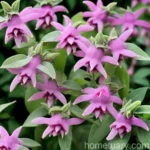
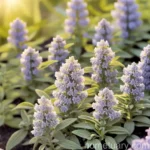
- Flowers: This cultivar is celebrated for its abundant clusters of tubular flowers that bloom in a creamy white color, providing a striking visual contrast against the foliage.
- Flowering Period: With a long flowering period that extends from late spring to the first frost, Salvia greggii Mirage Cream ensures a continuous display of elegant blooms throughout the growing season.
- Wildlife Attraction: The plant’s nectar-rich flowers and aromatic foliage make it an attraction for pollinators, particularly hummingbirds and butterflies.
- Drought Resistance: Salvia greggii Mirage Cream showcases remarkable tolerance to drought conditions, making it an ideal choice for water-wise gardening and landscapes with limited water availability.
- Cold Hardiness: While it thrives in warm climates, this cultivar also possesses a degree of cold hardiness, allowing it to withstand mild frosts and cooler temperatures.
Understanding these characteristics provides a solid foundation for nurturing Salvia greggii Mirage Cream in a manner that leverages its inherent traits and promotes a flourishing and visually captivating presence in the landscape.
Culture
Cultivating and caring for Salvia greggii Mirage Cream involves a set of practices and considerations that are essential for optimizing its growth and ensuring its overall health and vitality. Let’s delve into the cultural aspects that are integral to the successful cultivation of this plant.
Water
Proper watering is crucial for the well-being of Salvia greggii Mirage Cream, especially during its establishment phase and periods of active growth. Here are some key considerations related to watering this cultivar:
- Establishment: During the initial planting phase, it is important to provide regular and adequate water to help the plant establish its root system. This initial phase is critical for the plant’s long-term health and resilience.
- Water Needs: While Salvia greggii Mirage Cream exhibits drought resistance, it thrives when provided with moderate moisture. Once established, it is advisable to allow the soil to dry out slightly between watering sessions to prevent waterlogging and promote healthy root development.
- Watering Techniques: Directing the water towards the base of the plant helps prevent moisture-related issues and ensures efficient water uptake by the roots. Additionally, utilizing mulch around the plant helps conserve soil moisture and regulates the soil temperature.
Understanding the plant’s water needs and applying appropriate watering practices are essential for promoting robust growth and avoiding water-related stress.
Sunlight
Salvia greggii Mirage Cream thrives in sunny conditions and exhibits remarkable adaptability to different light intensities. Understanding its sunlight requirements is vital for creating an environment that fosters its overall vigor and floral abundance.
- Sun Requirements: This cultivar flourishes in full sunlight, enjoying a minimum of 6 to 8 hours of direct sunlight daily. In regions with particularly intense sun exposure, providing some afternoon shade can be beneficial, particularly during the hottest months.
- Light Intensity: While it prefers full sunlight, it can tolerate partial shade, albeit with reduced flowering and potentially elongated growth habits. However, to maximize its ornamental value, a sunny location is preferred.
By providing adequate sunlight, gardeners can ensure that Salvia greggii Mirage Cream thrives and presents its striking floral display throughout the growing season.
Fertilizer
Applying the right fertilization regimen is essential for providing the necessary nutrients to support the growth and flowering of Salvia greggii Mirage Cream. Here are some insights into the fertilization needs of this cultivar:
- Timing: Fertilization is typically carried out in early spring, just as new growth begins to emerge. Additionally, a light application of fertilizer in midsummer can help sustain the plant’s vitality and flowering performance.
- Type of Fertilizer: Utilizing a balanced, slow-release fertilizer that is formulated for flowering perennials is recommended. This ensures a steady supply of essential nutrients over an extended period, supporting sustained growth and flowering.
- Application Method: Applying the fertilizer evenly around the base of the plant and incorporating it into the soil surface ensures efficient nutrient uptake by the roots.
Understanding the plant’s fertilizer needs and incorporating a well-balanced and timely feeding regimen is fundamental for promoting vigorous growth and an abundant display of flowers.
Soil
Selecting and preparing the right soil is crucial for providing Salvia greggii Mirage Cream with a supportive growing medium that facilitates healthy root development and overall vigor. Here are some considerations related to the soil preferences of this cultivar:
- Well-Draining Soil: This cultivar thrives in well-draining soil that prevents waterlogging and facilitates good aeration around the root system. Amending heavy or clay soils with organic matter, such as compost or peat moss, can help improve drainage and provide a favorable soil structure.
- pH Range: Salvia greggii Mirage Cream prefers a slightly acidic to neutral soil pH, ranging from 6.0 to 7.0. Conducting a soil test can help determine the existing pH levels and guide the application of any necessary amendments to achieve the ideal pH range.
- Soil Moisture: While the plant is tolerant of drought conditions, maintaining moderate soil moisture levels is essential, particularly during periods of active growth and flowering.
By providing a well-suited soil environment, gardeners can ensure that Salvia greggii Mirage Cream has the necessary foundation for establishing robust growth and thriving in its designated location.
Pruning
Pruning is an essential aspect of maintaining the health, appearance, and overall productivity of Salvia greggii Mirage Cream. Implementing proper pruning techniques and timing ensures that the plant remains vigorous and presents an attractive and well-structured form throughout the growing season.
Pruning Techniques
Pruning Salvia greggii Mirage Cream involves a set of techniques aimed at removing spent flowers, shaping the plant, and maintaining a compact and tidy appearance. Here are some specific pruning techniques for this cultivar:
- Deadheading: Regular removal of spent flowers encourages continuous blooming and prevents the plant from expending energy on seed production, thereby redirecting its resources towards new growth and flowering.
- Cutting Back: Perform a moderate to severe pruning in early spring, removing approximately one-third to half of the plant’s overall height. This encourages vigorous new growth and promotes a dense and bushy form.
- Seasonal Pruning: Trim back the plant after the first wave of flowering to encourage a second flush of blooms. Additionally, light pruning in late fall helps remove any remaining spent flowers and maintains the plant’s appearance through the winter months.
Adhering to these pruning techniques ensures that Salvia greggii Mirage Cream maintains a tidy and floriferous presence in the garden, promoting its overall aesthetic and functional value.
Propagation
The propagation of Salvia greggii Mirage Cream allows for the proliferation of this captivating cultivar, enabling gardeners to expand its presence in the garden or share it with others. Here are some common methods for propagating this plant:
- Softwood Cuttings: Propagation via softwood cuttings, taken from the plant’s new growth in spring, is an effective method for generating new plants. These cuttings are typically around 4 to 6 inches long and are prepared with a rooting hormone before being planted in a well-draining, moist propagation medium.
- Division: As the plant matures, it develops multiple stems, making division a viable propagation method. Dividing the plant in early spring allows for the separation of individual stems with their own root systems, which can then be replanted to establish new plants.
By utilizing these propagation methods, gardeners can expand their collection of Salvia greggii Mirage Cream and share its beauty with others who appreciate this captivating cultivar.
Container Popularity
Salvia greggii Mirage Cream’s versatility and compact size make it well-suited for container gardening, offering an opportunity to introduce its visual appeal to various outdoor and indoor spaces. Here are some key considerations related to growing this cultivar in containers:
- Container Selection: Choose a container that provides adequate space for the plant’s root system to develop and has drainage holes to prevent waterlogging.
- Potting Mix: Utilize a well-draining, lightweight potting mix that provides good aeration and moisture retention. Incorporating some organic matter, such as compost or peat moss, can enhance the soil structure and nutrient availability.
- Placement: Position the container in a location that receives ample sunlight, ensuring that the plant can thrive and express its full ornamental potential.
Growing Salvia greggii Mirage Cream in containers offers an adaptable and visually captivating option for various settings, allowing gardening enthusiasts to enjoy its beauty and fragrance in confined spaces or as part of larger container compositions.
Uses
The versatile and visually captivating nature of Salvia greggii Mirage Cream extends to its diverse uses in both landscaping and gardening scenarios. Understanding the various applications of this plant allows for its incorporation into a wide range of design concepts and horticultural endeavors. Here are some common uses of Salvia greggii Mirage Cream:
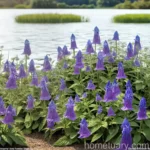
- Border Planting: The compact size and prolific flowering of this cultivar make it an excellent choice for border plantings, where it can create colorful and eye-catching edges along pathways or garden beds.
- Container Gardening: Whether grown in standalone containers or as part of mixed plant compositions, Salvia greggii Mirage Cream adds a vibrant and aromatic dimension to container gardens on patios, balconies, and other outdoor spaces.
- Mixed Perennial Beds: Combining Salvia greggii Mirage Cream with other perennials with complementary growth habits and color palettes allows for the creation of dynamic and visually appealing mixed beds that evolve throughout the seasons.
- Wildlife Gardens: The nectar-rich flowers of this cultivar attract pollinators, making it a valuable addition to gardens designed to support and nurture local wildlife, particularly hummingbirds and butterflies.
By considering these diverse uses, gardeners and landscapers can leverage the presence of Salvia greggii Mirage Cream to enhance the visual appeal and functional aspects of their outdoor spaces.
Common Diseases and Pests
Despite its resilience, Salvia greggii Mirage Cream may be susceptible to certain diseases and pests that can impact its health and appearance. Being aware of these potential issues and their management is essential for maintaining the plant’s vitality. Here are some common diseases and pests that can affect this cultivar:
Disease Diagnosis
- Powdery Mildew: A fungal disease that manifests as a powdery, white coating on the foliage, often observed in conditions of high humidity and reduced air circulation. Selecting disease-resistant cultivars and ensuring proper spacing and ventilation can help minimize the risk of powdery mildew.
- Root Rot: Excessive moisture or poorly draining soil can lead to root rot, resulting in wilting, yellowing foliage, and overall decline in plant health. Implementing proper watering practices and ensuring well-draining soil are essential for preventing root rot.
Common Pests
- Aphids: These small, sap-sucking insects can distort new growth and cause leaf curling. Regular inspection and the use of insecticidal soaps or horticultural oils can help manage aphid infestations.
- Spider Mites: Infestations of spider mites can lead to stippled, discolored foliage and the presence of fine webbing on the plant. Using a strong jet of water to dislodge spider mites and applying neem oil can help control their populations.
By remaining vigilant and promptly addressing any signs of disease or pest infestations, gardeners can safeguard the health and appearance of Salvia greggii Mirage Cream, ensuring its continued vibrancy in the garden.
Botanist’s Tips
Drawing insights from botanists and experts in the field can provide valuable recommendations for successfully cultivating and caring for Salvia greggii Mirage Cream. Here are some expert tips for ensuring the optimal growth and well-being of this captivating cultivar:
- Selecting Disease-Resistant Cultivars: When choosing Salvia greggii Mirage Cream or other Salvia greggii varieties, selecting disease-resistant cultivars can help minimize the risk of common fungal diseases, ensuring a healthier and visually appealing plant.
- Deadheading for Prolonged Blooms: Regular deadheading of spent flowers promotes continuous blooming, ensuring a profusion of elegant blooms throughout the growing season and contributing to a longer-lasting floral display.
- Moderate Fertilization: Avoid excessive fertilization, particularly with high-nitrogen fertilizers, as this can lead to excessive foliage growth at the expense of blooming. A balanced, moderate fertilization regimen supports healthy growth and flowering.
Leveraging these expert recommendations can enhance the success and overall performance of Salvia greggii Mirage Cream in both garden and landscape settings.
Fun Facts
Uncovering interesting and lesser-known facts about Salvia greggii Mirage Cream adds an enriching dimension to the appreciation of this captivating cultivar. Here are some intriguing fun facts about this plant:
- Native Habitat: Salvia greggii, the parent species of Mirage Cream, is native to the southwestern United States and parts of Mexico, thriving in arid and semi-arid regions.
- Medicinal Properties: Some species of Salvia, including Salvia greggii, have been traditionally used for their medicinal properties, with the leaves being infused to make soothing herbal teas.
- Companion Planting: The aromatic foliage of Salvia greggii Mirage Cream can act as a natural deterrent for certain pests, making it a beneficial companion plant when interplanted with susceptible garden crops.
- Drought Tolerance: Salvia greggii Mirage Cream, as a drought-tolerant plant, is well-adapted to xeriscapes and water-wise landscapes, where it contributes to sustainable gardening practices.
These fun facts add depth to the understanding and appreciation of Salvia greggii Mirage Cream, highlighting its ecological significance, cultural heritage, and versatile applications.
Links to External Resources
For additional information and insights on Salvia greggii Mirage Cream, as well as related topics such as landscape design, gardening techniques, and wildlife-friendly plants, the following external resources provide valuable references for further exploration:
- Royal Horticultural Society (RHS) Plant Finder
- American Horticultural Society (AHS) Plant Care Guides
- Botanical Society of America (BSA) Plant Science Resources
By leveraging these external resources, enthusiasts can delve deeper into the cultivation, care, and diverse applications of Salvia greggii Mirage Cream, broadening their knowledge and enhancing their gardening endeavors.
Conclusion
Salvia greggii Mirage Cream, with its captivating cream-colored blooms, aromatic foliage, and low-maintenance nature, stands as a versatile and visually striking addition to gardens, landscapes, and container compositions. By exploring its cultural aspects, uses, maintenance practices, and various other facets, gardeners can gain a comprehensive understanding of this cultivar and its relevance in horticultural settings. Leveraging the insights and recommendations provided in this guide, enthusiasts can foster the optimal growth and vitality of Salvia greggii Mirage Cream, enriching their outdoor spaces with its abundant floral display and ecological contributions. Whether planted as a border accent, incorporated into mixed perennial beds, or featured in container gardens, this cultivar offers enduring appeal and ornamental value, making it a cherished addition to diverse garden compositions and outdoor environments.