Salvia Patens ‘Lavender Lady’ (Gentian Sage)
Salvia patens ‘Lavender Lady,’ commonly known as Gentian Sage, is a stunning perennial plant valued for its vibrant lavender-blue flowers and aromatic.
Introduction to Salvia patens ‘Lavender Lady’ (Gentian Sage)
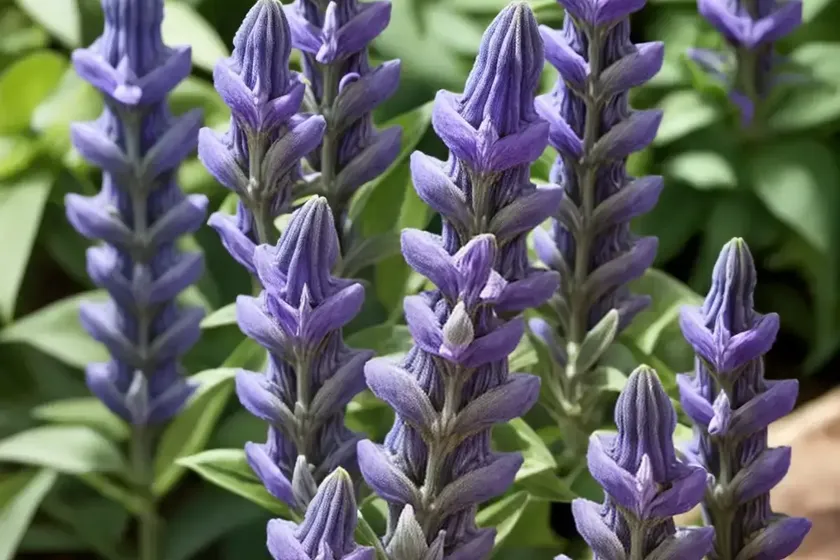
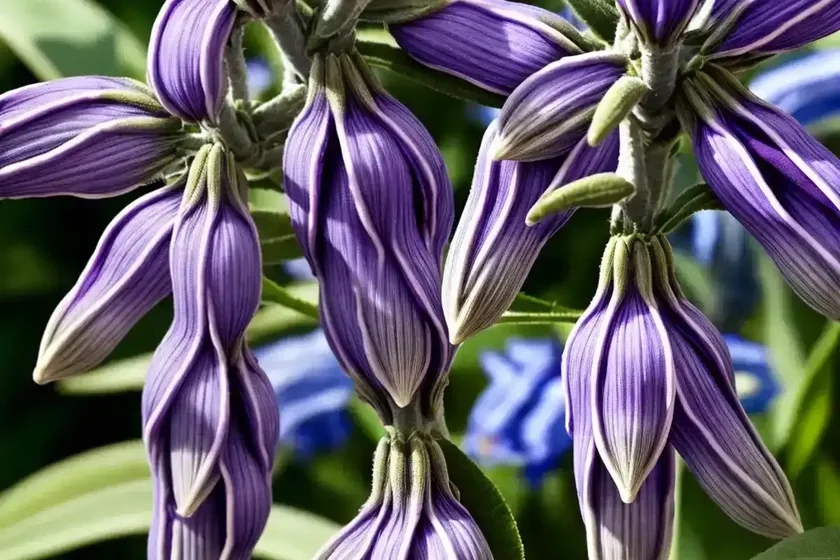
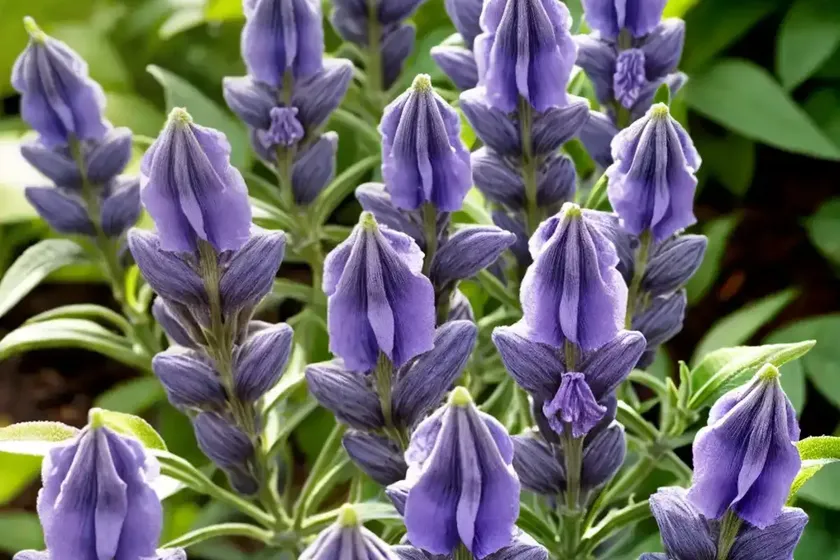
Salvia patens ‘Lavender Lady,’ commonly known as Gentian Sage, is a stunning perennial plant valued for its vibrant lavender-blue flowers and aromatic foliage. This eye-catching plant belongs to the genus Salvia, which encompasses a diverse group of flowering plants within the mint family, Lamiaceae. Characterized by its striking blooms and ease of care, Salvia patens ‘Lavender Lady’ has garnered popularity among gardeners and landscape enthusiasts.
In this comprehensive guide, we will delve into the cultivation, uses, maintenance, and essential characteristics of Salvia patens ‘Lavender Lady.’ Whether you’re an experienced gardener or a novice enthusiast, this article aims to provide valuable insights into maximizing the potential of this exquisite plant within various gardening settings.
Key Takeaways – Salvia patens ‘Lavender Lady’ (Gentian Sage)
Before delving into the specifics of Salvia patens ‘Lavender Lady,’ let’s summarize the key takeaways that we will explore in detail throughout this guide.
- Plant Name: Salvia patens ‘Lavender Lady’ (Gentian Sage)
- Botanical Classification: Salvia patens
- Common Name: Gentian Sage
- Plant Type: Perennial
- Flower Color: Lavender-blue
- Fragrance: Aromatic foliage
- Attracts: Pollinators, such as butterflies
- Plant Uses: Ornamental, pollinator attractant, garden borders, containers
- Native Habitat: Mexico
Now, let’s embark on a detailed exploration of Salvia patens ‘Lavender Lady,’ covering aspects such as its culture, uses, maintenance, and common diseases and pests, among other pertinent topics.
Cultivation of Salvia patens ‘Lavender Lady’
Water
Salvia patens ‘Lavender Lady’ exhibits moderate water requirements, preferring consistently moist, well-drained soil. During the active growing season, it’s essential to water the plant deeply to facilitate healthy root development and robust flowering. However, it’s imperative to avoid waterlogged conditions, as excessive moisture can lead to root rot and other detrimental issues. During periods of extended drought, supplemental watering may be necessary to sustain the plant’s vigor and floral display.
Sunlight
Gentian Sage thrives in areas with full sun exposure, characterized by at least six to eight hours of direct sunlight per day. Adequate sunlight is instrumental in promoting lush foliage growth and prolific blooming. When cultivating Salvia patens ‘Lavender Lady,’ it’s crucial to select a planting location that receives ample sunlight to ensure optimal performance and floral abundance.
Soil
The ideal soil for Salvia patens ‘Lavender Lady’ should be well-draining, fertile, and loamy in texture. It’s beneficial to enhance the soil with organic matter, such as compost or well-rotted manure, to bolster its nutrient content and improve overall soil structure. Additionally, maintaining a slightly acidic to neutral soil pH (around 6.0 to 7.0) can further support the plant’s growth and vitality.
Fertilizer
To promote vigorous growth and prolific flowering, it’s advisable to fertilize Salvia patens ‘Lavender Lady’ during the active growing season. A balanced, slow-release fertilizer with an N-P-K ratio of 10-10-10 or similar formulation can provide the necessary nutrients to support the plant’s nutritional needs. When applying the fertilizer, it’s essential to follow the manufacturer’s recommendations and avoid excessive fertilization, which can potentially lead to adverse effects on the plant’s overall health.
Pruning
Pruning plays a vital role in maintaining the compact form and flowering prowess of Salvia patens ‘Lavender Lady.’ Regular deadheading, which involves the removal of spent flowers, not only enhances the plant’s aesthetics but also encourages continuous blooming. Additionally, in regions with harsh winters, it’s beneficial to trim back the foliage of Gentian Sage in late fall to mitigate potential damage from frost or freezing temperatures.
Propagation
Salvia patens ‘Lavender Lady’ can be propagated through various methods, including division, cuttings, and seed propagation. When dividing the plant, it’s best to undertake this task during the early spring to coincide with the onset of new growth. Stem cuttings, taken from healthy, non-flowering shoots, can be rooted in a well-draining medium to establish new plants. Furthermore, collecting and sowing the seeds of Gentian Sage can yield additional specimens, provided that the seeds are sown in a suitable growing medium and provided with appropriate moisture and warmth.
Container Popularity and Care
Salvia patens ‘Lavender Lady’ is well-suited for container cultivation, making it a versatile and appealing addition to patio gardens, balconies, and other confined outdoor spaces. When growing Gentian Sage in containers, it’s crucial to select a sufficiently sized pot that offers ample room for root development and accommodates the plant’s growth habit. Additionally, using a high-quality, well-draining potting mix and situating the container in a location with adequate sunlight can facilitate the successful cultivation of Salvia patens ‘Lavender Lady’ in a contained environment.
Uses of Salvia patens ‘Lavender Lady’
Ornamental Value
Salvia patens ‘Lavender Lady’ is prized for its ornamental charm, featuring striking lavender-blue flowers that captivate the eye and infuse garden settings with vibrant hues. Whether utilized as a focal point in perennial borders, mixed flower beds, or container arrangements, the aesthetic appeal of Gentian Sage is undeniable, rendering it an exceptional choice for enhancing the visual allure of diverse landscapes.
Pollinator Attractant
The nectar-rich flowers of Salvia patens ‘Lavender Lady’ exert a magnetic pull on pollinators, particularly butterflies, which are drawn to the blooms in search of nourishment. By incorporating Gentian Sage into garden designs, individuals can contribute to the creation of pollinator-friendly habitats and support the essential ecological role of these winged visitors.
Garden Borders and Landscaping
With its upright growth habit and captivating blooms, Gentian Sage can serve as an excellent option for delineating garden borders, edging pathways, or accentuating landscape features. When strategically positioned within garden layouts, Salvia patens ‘Lavender Lady’ imparts a sense of structure and visual appeal, elevating the overall aesthetic impact of the cultivated space.
Container Gardening
As mentioned earlier, Salvia patens ‘Lavender Lady’ thrives in container environments, offering a compelling avenue for individuals to adorn their patios, decks, and outdoor living areas with the plant’s enchanting floral display and aromatic foliage. The adaptability of Gentian Sage to container cultivation further broadens its appeal, allowing for versatile applications in diverse gardening scenarios.
Medicinal Properties
Beyond its visual allure, Salvia patens ‘Lavender Lady’ harbors potential medicinal properties within its botanical composition. While further research is warranted, certain species within the Salvia genus have exhibited medicinal attributes, suggesting the likelihood of similar properties within Gentian Sage. It’s important to note that any medicinal usage should be approached with caution and conducted under the guidance of qualified healthcare professionals.
Common Diseases of Salvia patens ‘Lavender Lady’
Disease Diagnosis and Management
Despite its overall resilience, Salvia patens ‘Lavender Lady’ is susceptible to certain diseases that can compromise its health and vigor. Common diseases that may affect Gentian Sage include powdery mildew, root rot, and fungal leaf spots. Timely diagnosis and intervention are vital in mitigating the impact of these diseases and safeguarding the plant’s well-being.
-
Powdery Mildew: Powdery mildew, characterized by a powdery white coating on the foliage, can arise in conditions of high humidity and poor air circulation. To combat this fungal disease, employing cultural practices such as adequate spacing between plants and ensuring proper ventilation can aid in preventing and reducing the incidence of powdery mildew. Additionally, applying fungicidal treatments as recommended can offer supplemental defense against this troublesome affliction.
-
Root Rot: Excessive soil moisture and poorly drained growing conditions can predispose Salvia patens ‘Lavender Lady’ to root rot, a detrimental condition caused by fungal pathogens. To avert the onset of root rot, it’s crucial to optimize soil drainage, refrain from overwatering, and foster a well-ventilated root environment. Furthermore, implementing appropriate watering practices and enabling the soil to partially dry out between watering sessions can help stave off the development of root rot and its adverse effects on the plant’s root system.
-
Fungal Leaf Spots: Fungal leaf spots, manifested as discolored lesions on the foliage, can compromise the visual appeal and physiological function of the plant. Prudent management of this affliction involves the removal and disposal of affected plant parts, maintaining proper air circulation, and incorporating preventative fungicidal measures to curtail the proliferation of fungal pathogens.
Common Pests Affecting Salvia patens ‘Lavender Lady’
Pest Identification and Control Strategies
In addition to diseases, Salvia patens ‘Lavender Lady’ may encounter pests that pose potential threats to its vitality. By recognizing the signs of pest infestation and implementing targeted control measures, individuals can safeguard Gentian Sage from the deleterious effects of these troublesome intruders.
-
Aphids: These small, sap-sucking insects can congregate on the tender shoots and foliage of Salvia patens ‘Lavender Lady,’ leading to stunted growth and distorted plant development. Mechanical removal of aphids, followed by the application of insecticidal soap or neem oil, represents an effective approach to managing aphid populations and preserving the health of the plant.
-
Spider Mites: Spider mites, notable for their webbing and diminutive size, can inflict damage on the foliage of Gentian Sage by piercing plant tissues and extracting sap. Regularly inspecting the undersides of leaves for signs of spider mite activity and employing horticultural oils or insecticidal sprays can help mitigate the impact of these arachnid adversaries and uphold the visual integrity of the plant.
-
Whiteflies: Whiteflies, characterized by their diminutive size and whitish appearance, can colonize the foliage of Salvia patens ‘Lavender Lady,’ causing leaf yellowing and premature defoliation. Implementing cultural measures, such as maintaining a clean garden environment and introducing natural predators of whiteflies, can contribute to the control of these persistent pests and support the overall well-being of the plant.
Botanist’s Tips for Salvia patens ‘Lavender Lady’
To enhance the successful cultivation and enjoyment of Salvia patens ‘Lavender Lady,’ here are some expert tips and recommendations from botanists and horticultural specialists:
-
Selecting Well-Draining Soil: Prioritize the use of well-draining, fertile soil when cultivating Gentian Sage, as this can significantly influence the plant’s overall health and performance.
-
Mindful Watering Practices: Exercise prudence when watering Salvia patens ‘Lavender Lady,’ striving to maintain consistent soil moisture without subjecting the plant to prolonged periods of excessive wetness.
-
Promoting Air Circulation: Cultivate a garden environment that facilitates adequate air circulation, thereby minimizing the risk of fungal diseases and pest infestations that can arise in stagnant, congested conditions.
-
Regular Monitoring: Routinely monitor the plant for signs of diseases, pests, or developmental anomalies, enabling prompt intervention in the event of emergent issues that could compromise the plant’s well-being.
-
Prudent Pruning: Engage in regular pruning and deadheading to sustain the compact growth habit and abundant flowering of Salvia patens ‘Lavender Lady,’ underscoring the importance of upkeep in ensuring the plant’s aesthetic allure.
Fun Facts about Salvia patens ‘Lavender Lady’ (Gentian Sage)
-
Salvia patens ‘Lavender Lady’ is native to Mexico, where it thrives in the favorable climatic conditions of its indigenous habitat.
-
The aromatic foliage of Gentian Sage emits a pleasant fragrance, enriching the sensory appeal of the plant and contributing to its overall allure.
-
The vibrant lavender-blue flowers of Salvia patens ‘Lavender Lady’ serve as a magnet for pollinators, with butterflies being particularly drawn to the nectar-laden blooms.
-
Beyond its visual and olfactory charm, Gentian Sage offers a versatile array of garden and landscaping applications, ranging from ornamental focal points to pollinator-friendly plantings.
-**Salvia patens ‘Lavender Lady’ holds potential medicinal properties within its botanical composition, hinting at the multifaceted nature of this captivating plant.
Links to External Resources
To further expand your knowledge and understanding of Salvia patens ‘Lavender Lady’ (Gentian Sage), we recommend exploring these authoritative external resources:
- Royal Horticultural Society – Salvia patens ‘Lavender Lady’
- University of Florida IFAS Extension – Salvia patens
- Missouri Botanical Garden – Salvia patens
By exploring these resources, you can gain valuable insights and practical recommendations for the successful cultivation and appreciation of Salvia patens ‘Lavender Lady’ in diverse gardening contexts.
In conclusion, Salvia patens ‘Lavender Lady’ (Gentian Sage) stands as a captivating perennial plant that embodies beauty, versatility, and ecological significance. Through a thorough understanding of its culture, uses, maintenance, and botanical traits, individuals can harness the full potential of this remarkable plant, enriching their outdoor spaces and contributing to the vibrant tapestry of botanical diversity.
Whether adorning garden beds, accentuating container arrangements, or serving as a haven for pollinators, Salvia patens ‘Lavender Lady’ offers a wealth of opportunities for horticultural enjoyment and environmental stewardship. As you embark on your journey with Gentian Sage, may these insights empower you to cultivate and cherish the unique allure of this extraordinary botanical gem.


