Salvia oxyphora (Fuzzy Bolivian Sage) – A Complete Guide
Salvia oxyphora, commonly known as Fuzzy Bolivian Sage, is a stunning perennial plant that belongs to the Salvia genus. This plant is native to Bolivia and is known for its vibrant blooms and lush foliage. It is a popular choice among gardeners due to its striking appearance and low maintenance requirements. In this comprehensive guide, we will explore everything you need to know about Salvia oxyphora, from its cultural requirements to its uses in landscaping and gardening.
What is Salvia oxyphora (Fuzzy Bolivian Sage)?
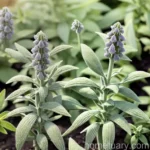
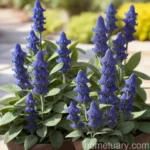
Salvia oxyphora, also referred to as Fuzzy Bolivian Sage, is a species of flowering plant in the mint family, Lamiaceae. It is native to the Andes mountains of Bolivia, where it thrives in the cool, high-altitude regions. This striking plant is characterized by its dense, woolly, and vibrant flowers, which make it a standout in any garden or landscape.
Key Takeaways – Salvia oxyphora (Fuzzy Bolivian Sage)
Before delving into the specific care and maintenance of Salvia oxyphora, let’s take a look at some key takeaways about this fascinating plant:
- Plant Name: Salvia oxyphora (Fuzzy Bolivian Sage)
- Common Name: Fuzzy Bolivian Sage
- Family: Lamiaceae
- Native Habitat: Andes mountains of Bolivia
- Characteristics: Dense, woolly, and vibrant flowers
- Uses: Ornamental gardening, landscaping
- Popularity: Popular among gardeners for its striking appearance and low maintenance requirements
Cultural Requirements
Salvia oxyphora has specific cultural requirements that are essential for its optimal growth and flourishing. In this section, we will discuss the key cultural aspects, including water, sunlight, fertilizer, soil, pruning, propagation, and container considerations.
Water
Proper watering is crucial for the health and vigor of Salvia oxyphora. While this plant is drought-tolerant once established, it still requires regular watering, especially during the active growing season. Here are some essential tips for watering Fuzzy Bolivian Sage:
- Regular Watering: Water the plant regularly, especially during dry spells, to maintain soil moisture.
- Avoid Waterlogging: Ensure that the soil has good drainage to prevent waterlogging, which can lead to root rot.
Sunlight
Salvia oxyphora thrives in bright sunlight and warm temperatures. Adequate sunlight is essential for the plant to produce its vibrant blooms and maintain healthy foliage. Consider the following sunlight requirements for Fuzzy Bolivian Sage:
- Full Sun Exposure: Plant Salvia oxyphora in an area that receives at least 6-8 hours of direct sunlight per day for optimal growth and flowering.
- Partial Shade: While it prefers full sun, it can tolerate some light afternoon shade in extremely hot climates.
Fertilizer
Like many flowering plants, Salvia oxyphora benefits from periodic fertilization to support its growth and blooming. When it comes to fertilizing Fuzzy Bolivian Sage, consider the following recommendations:
 |
|---|
| Fertilizing Salvia oxyphora |
- Balanced Fertilizer: Use a balanced, all-purpose fertilizer with equal NPK (nitrogen, phosphorus, and potassium) ratios to provide essential nutrients to the plant.
- Application Frequency: Apply fertilizer in early spring as new growth begins, and then again in midsummer to support blooming.
Soil
The soil quality and composition play a significant role in the overall health and development of Salvia oxyphora. This plant prefers well-draining soil with a slightly acidic to neutral pH. Here are the key soil considerations for Fuzzy Bolivian Sage:
- Well-Draining Soil: Ensure that the soil is well-draining to prevent waterlogged conditions that can harm the plant’s root system.
- pH Level: Aim for a pH range of 6.5 to 7.0 for optimal growth and nutrient uptake.
Pruning
Pruning is an essential aspect of maintaining the shape, health, and overall appearance of Salvia oxyphora. Proper pruning can also encourage more prolific blooming. Consider the following tips for pruning Fuzzy Bolivian Sage:
- Deadheading Blooms: Regularly deadhead spent blooms to encourage continuous flowering throughout the growing season.
- Spring Pruning: In early spring, prune back any dead or damaged growth to promote new, healthy growth.
Propagation
Propagation can be an exciting way to expand your collection of Salvia oxyphora or share this beautiful plant with fellow gardening enthusiasts. There are different methods of propagation that can be employed for Fuzzy Bolivian Sage:
- Seed Propagation: Collect seeds from mature flowers and sow them in a well-prepared seed-starting mix to propagate new plants.
- Stem Cuttings: Take stem cuttings from healthy, non-flowering shoots and root them in a moist, well-draining medium to establish new plants.
Container
Salvia oxyphora can also be grown in containers, making it a versatile choice for both garden beds and patio areas. When selecting a container for Fuzzy Bolivian Sage, consider the following:
- Size and Drainage: Choose a container that provides ample space for the plant’s root system and has drainage holes to prevent water accumulation.
- Potting Mix: Use a well-draining potting mix tailored for flowering perennials to provide optimal growing conditions.
Uses
The uses of Salvia oxyphora extend beyond its role as an ornamental plant, making it a versatile addition to gardens and landscapes. In this section, we will explore the various uses of Fuzzy Bolivian Sage, ranging from its ornamental value to its potential medicinal uses.
Ornamental Gardening
Salvia oxyphora is primarily used in ornamental gardening, where its vibrant and eye-catching blooms add a pop of color and visual interest to garden beds, borders, and mixed perennial plantings. Consider the following ways to incorporate Fuzzy Bolivian Sage in ornamental gardens:
- Mixed Borders: Plant Salvia oxyphora in mixed borders alongside other flowering perennials for a diverse and dynamic display.
- Rock Gardens: Its compact growth habit makes it well-suited for rock gardens or alpine plantings, adding flair to these unique landscapes.
Landscaping
In addition to its use in ornamental gardens, Salvia oxyphora is also valued for its potential in landscaping and public green spaces. Incorporating Fuzzy Bolivian Sage into landscaping designs can add beauty and ecological benefits:
- Public Parks: Plantings of Salvia oxyphora in public parks and green spaces can enhance the visual appeal and attract pollinators, supporting local ecosystems.
- Urban Landscapes: Its tolerance for urban conditions makes it a suitable choice for landscaping in urban areas, where it can thrive in challenging environments.
Medicinal Uses
While Salvia oxyphora is primarily grown for its ornamental value, some species within the Salvia genus are known for their medicinal properties. It’s important to note that before using any plant for medicinal purposes, it’s essential to consult with a healthcare professional. Some potential medicinal uses of Salvia oxyphora may include:
- Traditional Remedies: In some regions, certain Salvia species are used in traditional herbal remedies for various ailments, such as digestive issues and respiratory complaints.
- Phytochemical Compounds: Further research is needed to explore the potential phytochemical compounds and medicinal properties of Salvia oxyphora, presenting opportunities for future studies.
Common Diseases and Pests
Like any plant, Salvia oxyphora is susceptible to certain diseases and pests that can affect its health and appearance. Understanding common diseases and pests can help you take proactive measures to protect your Fuzzy Bolivian Sage. Let’s explore potential issues and methods for disease diagnosis and pest control.
Disease Diagnosis
It’s important to be able to identify common diseases that can affect Salvia oxyphora to initiate appropriate treatment measures. Here are some common diseases and their symptoms to watch out for:
| Disease | Symptoms |
|---|---|
| Powdery Mildew | White powdery spots on leaves |
| Root Rot | Yellowing leaves, wilting, and stunted growth |
| Leaf Spot | Circular brown or black spots on leaves |
Common Pests
In addition to diseases, Salvia oxyphora may also face challenges from various pests that can damage its foliage and blooms. Understanding these common pests is essential for effective pest control:
| Pest | Signs of Infestation |
|---|---|
| Aphids | Clusters of small, soft-bodied insects on leaves and stems |
| Whiteflies | White, moth-like insects flying around the plant |
| Spider Mites | Fine webbing on leaves and stippling (light spots) caused by feeding |
Disease and Pest Control
Implementing integrated pest management (IPM) practices can be effective in preventing and addressing common diseases and pests. Here are some strategies for disease and pest control for Salvia oxyphora:
- Cultural Practices: Maintain good sanitation, proper watering, and adequate spacing between plants to reduce the risk of disease and pest infestations.
- Natural Predators: Encourage the presence of natural predators, such as beneficial insects, to help control pest populations in the garden.
Botanist’s Tips
As a botanist, you can further appreciate the unique characteristics and cultivation of Salvia oxyphora. Here are some expert tips and insights to enhance your understanding and care of Fuzzy Bolivian Sage:
- Botanical Fascination: Explore the fascinating morphology and ecological adaptations of Salvia oxyphora, including its intricate flowers and adaptations to high-altitude environments.
- Ecological Significance: Consider the ecological role of Salvia oxyphora in its native habitat and its importance as a food source for pollinators and wildlife.
Fun Facts
Salvia oxyphora is not only a beautiful and resilient plant, but it also holds several intriguing and captivating qualities. As an enthusiast of Fuzzy Bolivian Sage, here are some fun facts about Salvia oxyphora to pique your interest:
- Attracts Pollinators: The vibrant flowers of Salvia oxyphora are known to attract various pollinators, including butterflies and hummingbirds, adding lively activity to the garden.
- Harvesting Potential: Certain species within the Salvia genus have been historically used in traditional medicine and culinary applications, hinting at potential uses beyond ornamental gardening.
Links to External Resources
To deepen your knowledge and exploration of Salvia oxyphora, explore the following external resources for additional insights and information:
- The Royal Horticultural Society – Salvia oxyphora
- Missouri Botanical Garden – Salvia oxyphora
- Dave’s Garden – Fuzzy Bolivian Sage
In conclusion, Salvia oxyphora (Fuzzy Bolivian Sage) is a remarkable plant with a rich heritage and exceptional ornamental qualities. By understanding its cultural requirements, uses, potential challenges, and expert insights, you can enhance your appreciation and care for this captivating species. Whether you’re an experienced gardener, a botanist, or a nature enthusiast, Salvia oxyphora offers a wealth of opportunities for exploration, enjoyment, and horticultural delight.
By staying curious, observant, and attentive to its needs, you can cultivate thriving and beautiful Salvia oxyphora plants that enrich your garden and contribute to the vibrant tapestry of the natural world.
Remember, the journey of gardening is one of continuous learning and appreciation for the wonders of plant life, and Salvia oxyphora undoubtedly contributes to this enchanting journey.