Salvia Nemorosa ‘Caradonna’ (Sage)
As a plant scientist, I am enthusiastic about discussing the Salvia nemorosa ‘Caradonna’, commonly known as sage. This beautiful perennial plant is a.
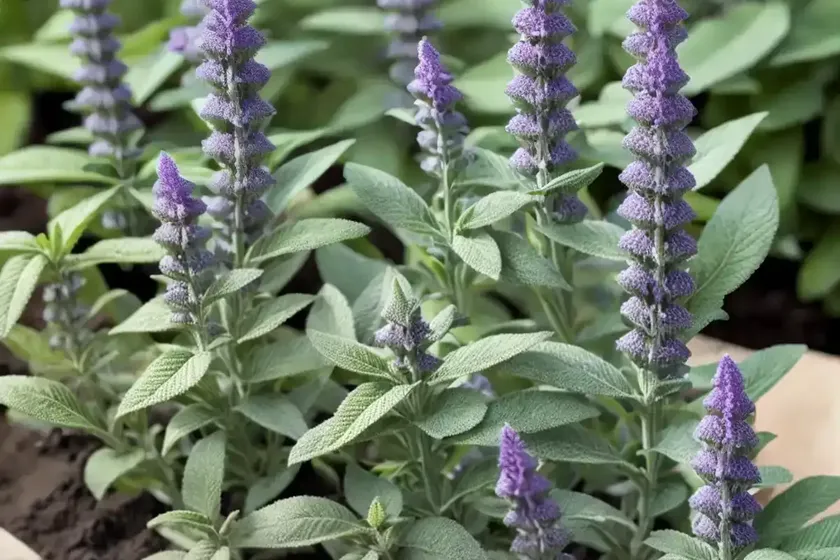
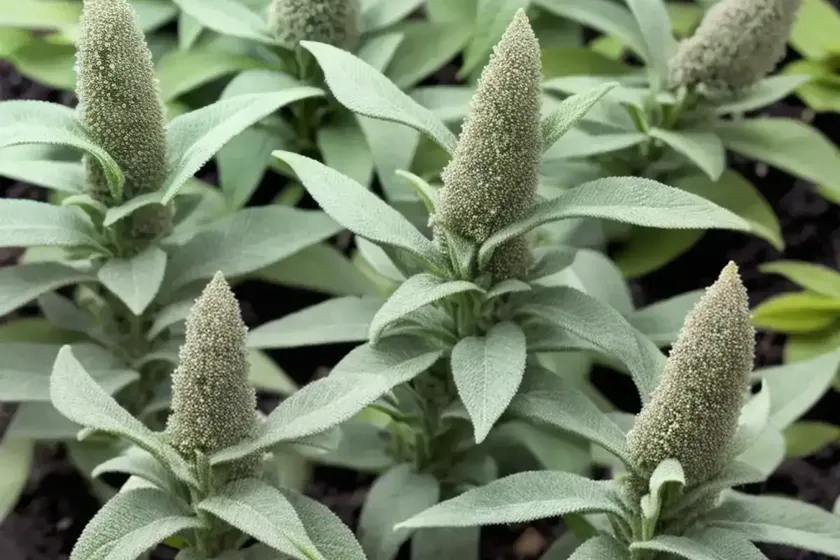
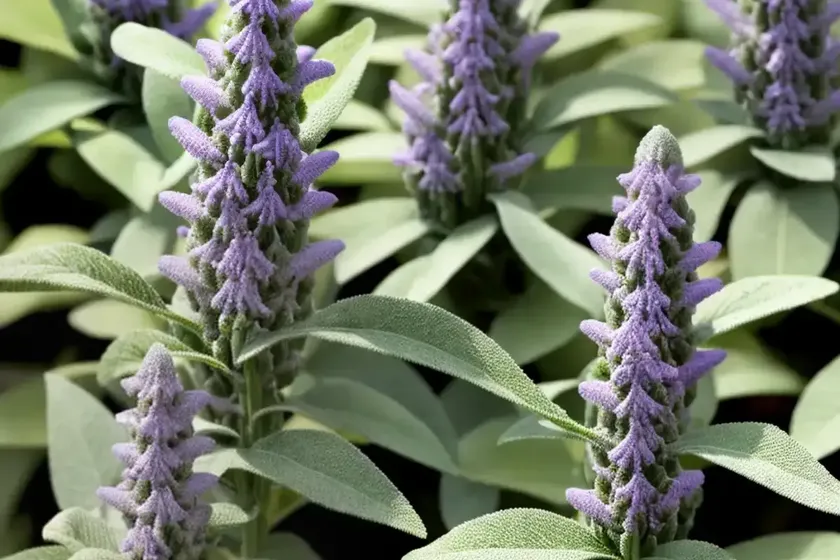
As a plant scientist, I am enthusiastic about discussing the Salvia nemorosa ‘Caradonna’, commonly known as sage. This beautiful perennial plant is a member of the mint family, Lamiaceae. Since this species is widely cultivated for its ornamental and aromatic properties, it holds much appeal for both gardeners and botanists. In this comprehensive guide, we will delve into the characteristics, cultural requirements, maintenance tips, and various uses of Salvia nemorosa ‘Caradonna’. By the end of this article, you will have gained a deep understanding of how to care for and utilize this delightful herb in a variety of settings.
Key Takeaways – Salvia nemorosa ‘Caradonna’ (Sage)
Before we delve into the specifics of Salvia nemorosa ‘Caradonna’, it’s crucial to highlight some key takeaways about this plant:
– Scientific Name: Salvia nemorosa ‘Caradonna’
– Common Name: Sage
– Family: Lamiaceae (Mint family)
– Plant Type: Herbaceous perennial
– Native to: Europe
– Characteristics: Upright growth habit, deep purple flowers, aromatic foliage
– Uses: Ornamental garden plant, culinary herb, medicinal herb
– Growth Requirements: Well-draining soil, full sunlight, moderate water, and occasional pruning
– Attracts: Pollinators like bees and butterflies
Now, let’s explore the various aspects of caring for and utilizing Salvia nemorosa ‘Caradonna’ in more detail.
Culture
Water
Salvia nemorosa ‘Caradonna’ is well-adapted to average watering conditions and prefers moderate moisture levels. As with most ornamental salvias, it is important to avoid overwatering as this can lead to root rot and other moisture-related issues. When establishing this plant, it should be watered regularly to help it acclimate to its new environment. Once fully established, it can tolerate short periods of drought.
Sunlight
In terms of sunlight requirements, Salvia nemorosa ‘Caradonna’ thrives in full sun. It should be planted in a location that receives at least 6-8 hours of direct sunlight per day. Adequate sunlight not only promotes strong growth and vibrant flowers but also enhances the aromatic qualities of the foliage.
Fertilizer
Sage generally isn’t a heavy feeder, and Salvia nemorosa ‘Caradonna’ is no exception. A balanced fertilizer applied in early spring, just as new growth emerges, can help support healthy and vigorous growth. Avoid over-fertilizing, as this can lead to excessive foliage at the expense of flowers.
Soil
As for soil preferences, this perennial salvia thrives in well-draining soil with a slightly alkaline to neutral pH. A sandy loam or gravelly soil with good fertility is ideal for promoting robust growth and flowering.
Pruning
Pruning is a key aspect of maintaining healthy and attractive growth in Salvia nemorosa ‘Caradonna’. Regular deadheading of spent flowers not only encourages a prolonged blooming period but also prevents the plant from diverting its energy into setting seeds. In late spring or early summer, a light shearing of the whole plant can stimulate a fresh flush of growth and a more compact habit.
Propagation
Salvia nemorosa ‘Caradonna’ can be propagated through various methods, including division and cuttings. Division is best carried out in early spring or fall, when the plant is either dormant or just beginning to show new growth. Stem cuttings taken from healthy, non-flowering shoots can be rooted easily in a well-draining medium to produce new plants.
The above cultural guidelines are crucial in ensuring the successful cultivation and maintenance of Salvia nemorosa ‘Caradonna’ in various garden settings.
Container Popularity
Due to its compact growth habit and stunning aesthetic appeal, Salvia nemorosa ‘Caradonna’ is a popular choice for container gardening. This allows individuals with limited garden space to enjoy the beauty and fragrance of this lovely perennial. When selecting a container for this plant, ensure that it provides adequate space for root growth and has drainage holes to prevent waterlogging.
Container Common Diseases
In containerized environments, several diseases can affect Salvia nemorosa ‘Caradonna’. Proper sanitation and providing appropriate growing conditions can help mitigate these issues. Common diseases in potted sage plants may include:
– Root Rot: Caused by overwatering and waterlogged soil, leading to the deterioration of the plant’s root system.
– Powdery Mildew: This fungal disease can affect the foliage, appearing as a powdery white coating, and is favored by high humidity and poor air circulation.
Disease Diagnosis
Diagnosing a disease in Salvia nemorosa ‘Caradonna’ involves closely observing the plant for any symptoms and signs of distress. Discolored or wilting leaves, abnormal growth patterns, and unusual spots or coatings on the foliage are all potential indicators of disease. By inspecting the plant regularly and taking appropriate action at the first sign of trouble, it is possible to prevent the spread of diseases and minimize their impact.
Common Pests
While Salvia nemorosa ‘Caradonna’ is relatively resistant to pests, there are still a few insects that can occasionally pose a threat to this plant. Some common pests that may affect sage include:
– Aphids: These small, soft-bodied insects can cluster on the tender new growth of the plant, sucking sap and potentially causing distortion of the foliage.
– Spider Mites: These tiny arachnids can produce fine webbing on the plant and cause stippling or discoloration of the foliage.
Botanist’s Tips
As a botanist, I would like to offer a few additional tips to ensure the successful cultivation and enjoyment of Salvia nemorosa ‘Caradonna’:
- Companion Planting: Pairing Salvia nemorosa ‘Caradonna’ with other pollinator-friendly plants such as coneflowers, lavender, and bee balm can create a thriving and vibrant garden ecosystem.
- Medicinal Uses: Besides its ornamental value, sage has been traditionally used for various medicinal purposes, including treating sore throats, digestive issues, and inflammation.
- Culinary Applications: The aromatic leaves of Salvia nemorosa ‘Caradonna’ can be utilized in cooking, adding a unique flavor to a variety of dishes, particularly those with poultry and pork.
Fun Facts
Here are some fascinating facts about Salvia nemorosa ‘Caradonna’ that further highlight its charm and appeal:
– The specific epithet “nemorosa” is derived from the Latin word “nemorosus”, meaning “of the woods”, alluding to the plant’s natural habitat.
– The deeply pigmented purple flowers of ‘Caradonna’ are a favorite of bees and other pollinators, making it an excellent choice for pollinator gardens.
– Sage has been traditionally associated with wisdom and was used to dispel negative energy in ancient folklore and traditions.
Links to External Resources
To further enrich your knowledge and appreciation of Salvia nemorosa ‘Caradonna’ and related topics, I highly recommend exploring the following external resources:
- Royal Horticultural Society – Salvia nemorosa
- Missouri Botanical Garden – Salvia nemorosa
- University of Maryland Extension – Growing Herbs
- The Spruce – Understanding Soil pH
- National Gardening Association – Container Gardening Guide
These resources offer valuable insights, practical tips, and a deeper understanding of cultivating and caring for Salvia nemorosa ‘Caradonna’ and related topics in gardening and plant science.
In conclusion, Salvia nemorosa ‘Caradonna’ is a captivating and versatile plant that offers both ornamental and practical benefits. Whether adorning a flower border, attracting pollinators in a wildlife garden, or enhancing culinary creations, this delightful sage species has much to offer. By embracing the cultural guidelines, maintenance tips, and botanical insights outlined in this article, you can cultivate and cherish the beauty and utility of Salvia nemorosa ‘Caradonna’ in your own gardening endeavors.
With its fascinating history, captivating appearance, and diverse uses, Salvia nemorosa ‘Caradonna’ continues to hold a special place in the hearts and gardens of plant enthusiasts around the world.


