Solenostemon ‘Coleosaurus’ (Coleus)
Solenostemon ‘Coleosaurus,’ commonly known as Coleus, is a delightful and vibrant plant that is cherished for its stunning foliage and ease of care. This.
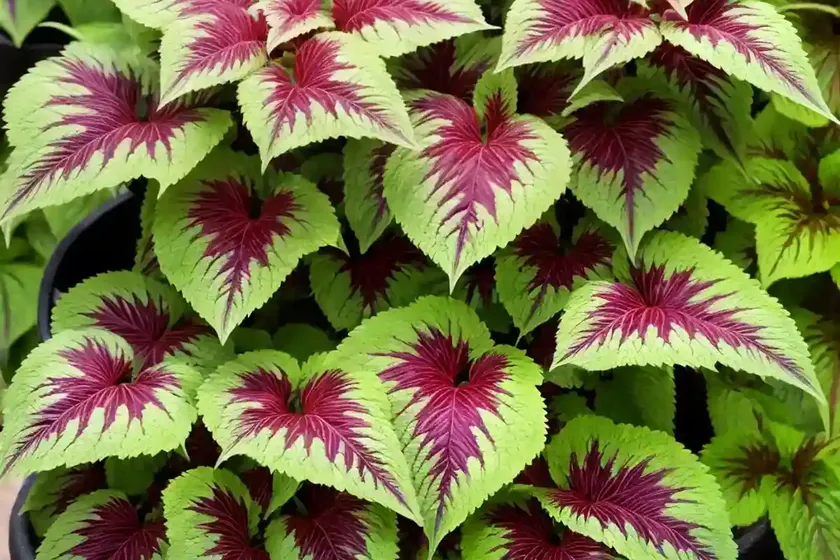
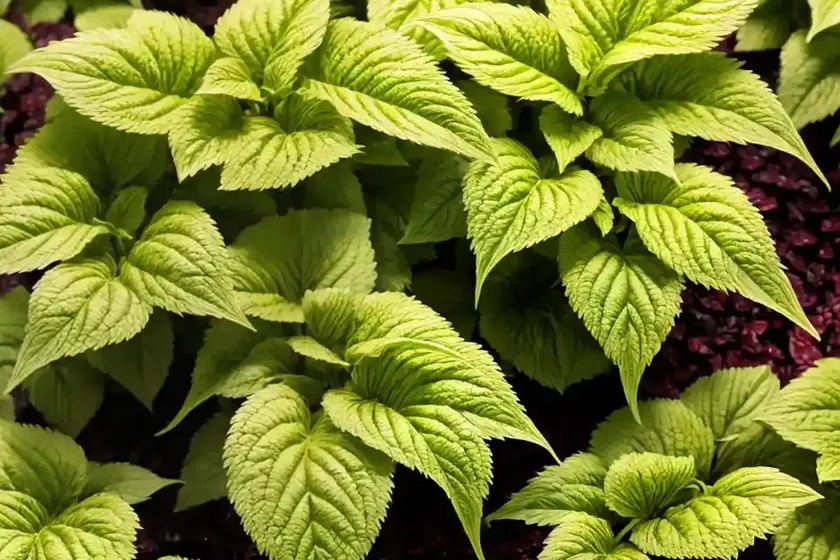
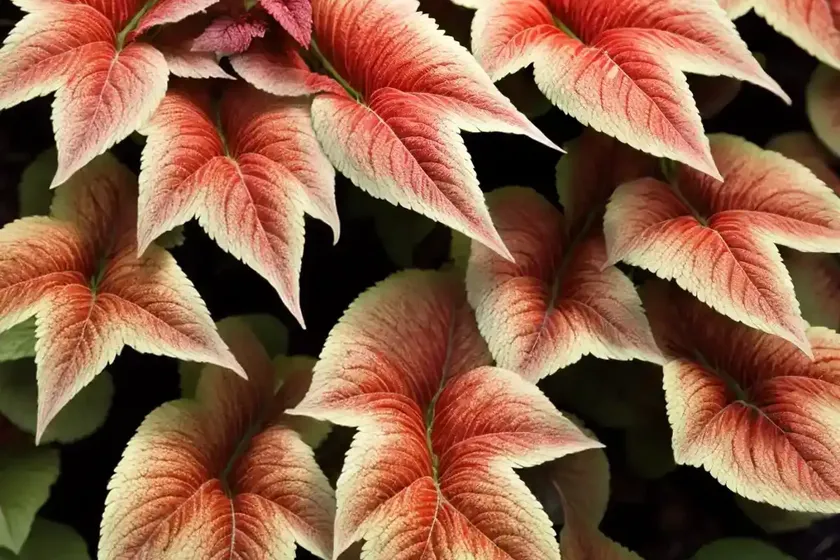
Solenostemon ‘Coleosaurus,’ commonly known as Coleus, is a delightful and vibrant plant that is cherished for its stunning foliage and ease of care. This guide aims to provide comprehensive insights into the cultivation, care, and characteristics of Solenostemon ‘Coleosaurus’, catering to both novice plant enthusiasts and seasoned gardeners.
What is Solenostemon ‘Coleosaurus’ (Coleus)?
Solenostemon ‘Coleosaurus’ is a tropical perennial plant that belongs to the Lamiaceae family. It is revered for its ornamental foliage, which comes in an array of colors and patterns, making it an attractive choice for both indoor and outdoor settings. This plant is native to Southeast Asia and is renowned for its adaptability and low-maintenance nature.
Key Takeaways – Solenostemon ‘Coleosaurus’ (Coleus)
Before delving into the specifics of caring for Solenostemon ‘Coleosaurus’, let’s take a glance at the key takeaways that will be discussed in this comprehensive guide:
- Varieties and Characteristics: An overview of the captivating varieties and the unique characteristics of Solenostemon ‘Coleosaurus’.
- Cultivation and Growing Conditions: Insights into the suitable growing conditions, including water, sunlight, soil, and fertilizer requirements.
- Pruning and Propagation: Guidelines for pruning and propagation to ensure the healthy growth and propagation of Solenostemon ‘Coleosaurus’.
- Container Planting: Tips and recommendations for growing Solenostemon ‘Coleosaurus’ in containers, considering its popularity for container gardening.
- Common Diseases and Pests: Identification and management of common diseases and pests that may affect Solenostemon ‘Coleosaurus’.
- Botanist’s Tips and Fun Facts: Additional tips from botanists and intriguing fun facts about Solenostemon ‘Coleosaurus’ to enhance your understanding and appreciation of this remarkable plant.
Now, let’s dive into a detailed exploration of the care and cultivation of Solenostemon ‘Coleosaurus’, addressing each aspect comprehensively.
Varieties and Characteristics
Solenostemon ‘Coleosaurus’ is celebrated for its diversity of varieties, each boasting its own distinct features and aesthetic appeal. Some of the most popular varieties include:
| Variety | Characteristics |
|---|---|
| Kong Series | Known for its large, robust foliage with vibrant colors and remarkable leaf patterns. |
| Wizard Series | Renowned for its compact growth habit and an extensive range of foliage colors and patterns. |
| Rainbow Series | A striking variety with brilliantly colored foliage that adds a vibrant splash to any setting. |
| Main Street Series | Notable for its exceptional heat tolerance and a plethora of hues, offering stunning visual impact. |
The wide array of color combinations, leaf shapes, and trailing habits make Solenostemon ‘Coleosaurus’ a versatile and visually captivating plant, suitable for various garden designs and landscaping projects.
Cultivation and Growing Conditions
Water
Solenostemon ‘Coleosaurus’ thrives in well-draining soil and requires consistent moisture to support its lush growth. It is essential to water the plant thoroughly when the top inch of the soil becomes dry. However, it’s crucial to avoid overwatering, as this can lead to root rot and other water-related issues.
Watering Tip: To determine the optimal watering frequency, perform a simple soil moisture check by inserting your finger into the soil. If the top inch feels dry, it’s an indication that your Solenostemon ‘Coleosaurus’ might be due for a watering session.
Sunlight
When it comes to sunlight requirements, Solenostemon ‘Coleosaurus’ exhibits a preference for partial shade to full shade conditions. Exposure to direct, intense sunlight should be avoided, as it may cause leaf scorching and diminish the vividness of the foliage colors. Selecting a location with dappled sunlight or partial shade will promote robust and healthy growth, enhancing the visual appeal of the plant’s foliage.
Fertilizer
Feeding Solenostemon ‘Coleosaurus’ with a balanced, water-soluble fertilizer helps sustain its lush foliage and overall health. During the growing season, which typically spans from spring to fall, it is advisable to fertilize the plant every 4-6 weeks. Opt for a fertilizer with balanced NPK (nitrogen, phosphorus, and potassium) ratios to provide the essential nutrients for vibrant foliage and vigorous growth.
Soil
The soil requirements for Solenostemon ‘Coleosaurus’ encompass well-draining, fertile soil with a slightly acidic to neutral pH range (6.0-7.0). Incorporating organic matter, such as compost or peat moss, into the soil can enhance its texture and nutrient content, fostering an ideal environment for the plant’s root development and overall vitality.
Pruning and Propagation
Pruning
Pruning is a beneficial practice for maintaining the desired shape and promoting bushier growth in Solenostemon ‘Coleosaurus’. It is recommended to pinch back the growing tips and any leggy stems to encourage branching, thus creating a compact and lush appearance. Regular pruning also helps manage the plant’s size, preventing it from becoming overly leggy or sprawling.
Pruning Tip: Utilize sharp, clean pruning shears to make precise cuts, and ensure that you remove any dead or diseased foliage as part of your pruning routine.
Propagation
Propagating Solenostemon ‘Coleosaurus’ can be achieved through stem cuttings, offering an efficient method to expand your plant collection or share the beauty of this captivating foliage plant with fellow gardening enthusiasts. Here’s a simple guide to propagate Solenostemon ‘Coleosaurus’ from cuttings:
- Select a healthy stem with several sets of leaves, and make a clean, slanted cut just below a node.
- Remove the lower set of leaves to expose the node, which is the point from which roots will develop.
- Dip the cut end in a rooting hormone to enhance the rooting process and place the cutting in a pot filled with a well-draining rooting medium.
- Maintain consistent moisture and provide indirect light to facilitate root development, and within a few weeks, the cutting should establish its root system, signaling successful propagation.
Container Planting
Solenostemon ‘Coleosaurus’ is renowned for its versatility in container gardening, offering an exquisite foliage display in various outdoor and indoor settings. When considering container planting for Solenostemon ‘Coleosaurus’, here are some essential factors to take into account:
-
Pot Size: Select a pot that accommodates the plant’s growth, providing ample space for the root system to thrive. A container with drainage holes is essential to prevent waterlogging and promote healthy root development.
-
Potting Mix: Employ a well-draining potting mix rich in organic matter to provide the necessary nutrients and aeration for the plant. A mixture of peat moss, perlite, and compost can create an ideal growing medium for Solenostemon ‘Coleosaurus’ in containers.
-
Indoor Placement: When cultivating Solenostemon ‘Coleosaurus’ indoors, position the container in a location that receives bright, indirect sunlight. Additionally, ensure adequate humidity levels, especially during the drier months, to support the plant’s well-being.
-
Outdoor Arrangements: For outdoor container arrangements, consider pairing Solenostemon ‘Coleosaurus’ with complementary plants that accentuate its vibrant foliage, creating captivating visual displays. Mixing and matching different varieties can also result in striking combinations that elevate your outdoor spaces.
Common Diseases and Pests
Disease Diagnosis
Solenostemon ‘Coleosaurus’ is relatively resilient to diseases, but certain issues may arise, particularly in conditions that compromise its health and vigor. Some common diseases that can affect this plant include:
-
Powdery Mildew: This fungal disease manifests as powdery, white patches on the leaves, resulting in a weakened and unsightly appearance.
-
Leaf Spot: Characterized by dark, irregular spots on the foliage, leaf spot can diminish the plant’s visual appeal and weaken its overall vitality.
-
Root Rot: Excessive moisture and poor drainage can lead to root rot, causing wilting and discoloration of the leaves, with the possibility of eventual plant decline.
Common Pests
While Solenostemon ‘Coleosaurus’ is relatively resistant to pest infestations, it may encounter encounters with certain pests, such as:
-
Aphids: These small, sap-sucking insects can distort the foliage and weaken the plant if left unchecked.
-
Spider Mites: Known for causing stippling and webbing on the foliage, spider mites can affect the plant’s overall health, particularly in dry and dusty conditions.
-
Whiteflies: Infestations of whiteflies may lead to the yellowing and weakening of the foliage, necessitating prompt intervention to mitigate their impact.
Botanist’s Tips and Fun Facts
Botanist’s Tips
From the perspective of botanists and gardening experts, here are some invaluable tips to enhance the cultivation and care of Solenostemon ‘Coleosaurus’:
-
Optimal Temperature: Solenostemon ‘Coleosaurus’ thrives in temperatures ranging from 60°F to 75°F (15°C to 24°C), making it essential to provide suitable protection during colder spells to prevent damage to the foliage.
-
Companion Planting: Pairing Solenostemon ‘Coleosaurus’ with companion plants such as Impatiens, Begonias, and Ferns creates visually appealing combinations while complementing the growing requirements of these plants.
-
Seasonal Care: Adapting the care routine of Solenostemon ‘Coleosaurus’ to seasonal changes by adjusting watering frequency and providing supplemental humidity during drier periods can help maintain its optimal health throughout the year.
Fun Facts
Delving into the intriguing aspects of Solenostemon ‘Coleosaurus’, here are some fun facts that highlight the unique allure of this remarkable plant:
-
Vivid Foliage: The striking foliage of Solenostemon ‘Coleosaurus’ is a result of pigmented cells called chromatophores, which imbue the leaves with an array of captivating colors and patterns.
-
Cultural Significance: In certain cultures, Coleus plants are believed to possess protective qualities and are often included in landscaping around homes to ward off negative energies and promote positivity.
-
Herbal Uses: While primarily cultivated for ornamental purposes, some Coleus species possess medicinal properties and are utilized in traditional herbal medicine for various therapeutic applications.
Conclusion
In conclusion, Solenostemon ‘Coleosaurus’ exemplifies a captivating fusion of vibrant foliage, adaptability, and ease of care, making it an ideal choice for both indoor and outdoor plantings. By adhering to the best practices for its cultivation and considering its specific requirements, you can relish the visual splendor and captivating allure of Solenostemon ‘Coleosaurus’ to the fullest extent. As you embark on your journey of nurturing and cultivating this exquisite plant, may the insights and recommendations provided in this comprehensive guide serve as a valuable resource to elevate your gardening endeavors and deepen your appreciation for the remarkable world of plants.
Keywords: Solenostemon ‘Coleosaurus’ care, Coleus ‘Coleosaurus’ varieties, Growing Solenostemon ‘Coleosaurus’, Coleus ‘Coleosaurus’ propagation, Solenostemon ‘Coleosaurus’ plant care guide, Best practices for Coleus ‘Coleosaurus’, Solenostemon ‘Coleosaurus’ plant profile, Coleus ‘Coleosaurus’ characteristics, Tips for cultivating Solenostemon ‘Coleosaurus’, Coleus ‘Coleosaurus’ watering requirements, Sunlight needs for Solenostemon ‘Coleosaurus’, Solenostemon ‘Coleosaurus’ foliage color, How to prune Coleus ‘Coleosaurus’, Companion plants for Solenostemon ‘Coleosaurus’.
References:
1. The Coleus Plant
2. Growing Flowers: Growing Coleus Plants The Care, Feeding And Instructions Needed For Proper Care
3. Coleus: A Plant with Colorful Leaves
4. How to Grow and Care for Coleus Plants


