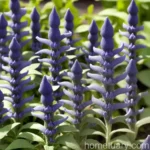
All About Salvia ‘Amistad’ (Sage)
Salvia ‘Amistad’, commonly known as Sage, is a beautiful and versatile plant that has captured the hearts of gardeners and plant enthusiasts around the world. This stunning perennial herb is not only renowned for its ornamental beauty but also for its diverse culture, uses, and benefits. In this comprehensive guide, we will delve into the various aspects of Salvia ‘Amistad’, from its characteristics and care tips to its potential landscape design ideas and medicinal properties. Whether you are a seasoned gardener or a beginner looking to explore the world of plants, this article will provide you with valuable insights into the vibrant and enchanting world of Salvia ‘Amistad’.
What is Salvia ‘Amistad’ (Sage)?
Salvia ‘Amistad’, also known as Sage, is a member of the Salvia genus, which comprises over 900 species of flowering plants in the mint family, Lamiaceae. This particular cultivar is celebrated for its rich, purple flowers that bloom prolifically, adding a touch of elegance to gardens, landscapes, and containers. With its vibrant blooms and aromatic leaves, Salvia ‘Amistad’ is a favorite among gardeners seeking to attract pollinators and create captivating garden displays.
Key Takeaways – Salvia ‘Amistad’ (Sage)
- Scientific Name: Salvia ‘Amistad’
- Common Name: Sage
- Family: Lamiaceae
- Hardiness Zones: 8-11
- Mature Height: 3-4 feet
- Bloom Time: Summer to fall
Culture
Uses
Salvia ‘Amistad’ has a wide range of uses, making it a valuable addition to any garden or landscape setting. Its uses include:
- Ornamental Purposes: The striking purple flowers of Salvia ‘Amistad’ make it an ideal choice for adding color and visual interest to gardens, borders, and containers.
- Attracting Pollinators: The nectar-rich blooms of Salvia ‘Amistad’ are highly attractive to bees, butterflies, and hummingbirds, making it a valuable plant for promoting biodiversity and supporting pollinator populations.
- Medicinal Properties: Sage has a long history of medicinal use, with its leaves and flowers being used in herbal remedies for various ailments. It is known for its anti-inflammatory and antimicrobial properties.
Water
- Watering Frequency: Salvia ‘Amistad’ generally prefers moderate watering, especially during periods of active growth and flowering.
- Soil Moisture: It thrives in well-draining soil and is sensitive to waterlogged conditions, which can lead to root rot and other moisture-related issues.
Sunlight
- Sun Exposure: Salvia ‘Amistad’ flourishes in full sunlight, requiring at least 6-8 hours of direct sunlight per day to promote healthy growth and prolific flowering.
- Shade Tolerance: It is not well-suited for prolonged periods of shade and may exhibit decreased vigor and flowering in shaded environments.
Fertilizer
- Fertilization Schedule: To support robust growth and abundant flowering, it is beneficial to fertilize Salvia ‘Amistad’ with a balanced, slow-release fertilizer in the spring.
- Nutrient Requirements: A fertilizer with a balanced NPK ratio (such as 10-10-10) can provide the essential nutrients needed for healthy foliage and flowering.
Soil
- Soil Type: Well-draining, loamy soil with a slightly acidic to neutral pH (6.5-7.0) is ideal for cultivating Salvia ‘Amistad’.
- Soil Amendments: Incorporating organic matter such as compost or well-rotted manure into the soil can enhance its structure and fertility.
Pruning
- Pruning Timing: Prune Salvia ‘Amistad’ in late winter or early spring to remove any dead or damaged growth and promote new growth for the upcoming growing season.
- Deadheading: Regular deadheading of spent flowers can encourage continuous blooming and maintain a tidy appearance.
Propagation
- Propagation Methods: Salvia ‘Amistad’ can be propagated from stem cuttings, division, or seeds. Stem cuttings are commonly used for propagating true-to-type clones of the parent plant.
- Propagation Medium: A well-draining propagation medium such as perlite or a mix of peat and perlite can facilitate successful root development in stem cuttings.
Container Popularity
Salvia ‘Amistad’ is well-suited for container gardening, allowing individuals with limited garden space to enjoy its beauty and benefits. Its compact growth habit and stunning flowers make it an excellent choice for adorning patios, balconies, and outdoor living spaces.
Container Common Diseases
When grown in containers, Salvia ‘Amistad’ may be susceptible to certain diseases, including:
- Root Rot: Overwatering and poor drainage can lead to the development of root rot, which can manifest as wilting, yellowing foliage, and stunted growth.
- Powdery Mildew: In humid conditions, powdery mildew can affect the foliage of Salvia ‘Amistad’, appearing as a white, powdery coating on the leaves.
Disease Diagnosis
It is important to monitor the plant closely for any signs of disease and promptly address any issues to prevent the spread of infection. Proper watering practices, adequate air circulation, and the use of disease-resistant cultivars can help mitigate disease problems.
Common Pests
Salvia ‘Amistad’ may be vulnerable to pest infestations, particularly by:
- Aphids: These small, sap-sucking insects can cluster on the tender growth tips of Salvia ‘Amistad’, causing distortion of leaves and the secretion of honeydew.
- Spider Mites: These tiny arachnids can infest the undersides of leaves, leading to stippling, yellowing, and reduced plant vigor.
Botanist’s Tips
As a plant scientist, it is essential to emphasize the following tips for cultivating and enjoying the beauty of Salvia ‘Amistad’:
- Pollinator-Friendly Planting: Incorporating Salvia ‘Amistad’ into pollinator-friendly gardens can contribute to the conservation of beneficial insect populations and the promotion of ecological balance.
- Proper Pruning Techniques: Utilize proper pruning techniques, such as sterilizing pruning tools and making clean cuts, to minimize the risk of introducing pathogens and ensure the plant’s health.
- Integrated Pest Management (IPM): Implement IPM practices to manage pests in an environmentally friendly manner, including the use of beneficial insects, natural predators, and cultural controls.
Fun Facts
- Despite its ornamental value, Salvia ‘Amistad’ also has a rich history of culinary and medicinal uses, with its aromatic leaves being employed in various cuisines and herbal preparations.
Links to External Resources
For additional information on Salvia ‘Amistad’ (Sage) and related topics, consider exploring the following reputable resources:
Now that we have explored the cultural and horticultural aspects of Salvia ‘Amistad’, let’s delve into more detailed insights into its care and maintenance. Whether you are considering adding this captivating plant to your garden or are in search of expert tips on cultivating it, the following sections will provide valuable guidance on maximizing the potential of Salvia ‘Amistad’.