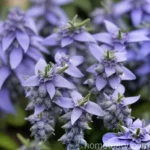
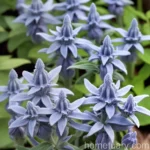
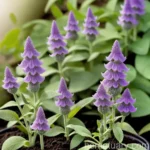
Salvia fulgens (Mexican Scarlet Sage)
Salvia fulgens, commonly known as Mexican Scarlet Sage, is a stunning flowering plant belonging to the Salvia genus, a part of the mint family, Lamiaceae. With its vibrant red blooms and easy-to-care-for nature, it has become a favorite among both novice and experienced gardeners. In this comprehensive guide, we will delve into every aspect of cultivating and caring for Salvia fulgens, as well as exploring its cultural significance, uses, and much more.
What is Plant: Salvia fulgens (Mexican Scarlet Sage)?
Salvia fulgens, native to Mexico and parts of Central America, is a herbaceous perennial known for its brilliant scarlet flowers that bloom from summer through fall. This plant typically reaches a height of 2 to 3 feet and is characterized by its dark green, lance-shaped leaves. Its striking, tubular flowers are a magnet for hummingbirds and butterflies, making it a delightful addition to any garden.
Key Takeaways – Salvia fulgens (Mexican Scarlet Sage):
- Plant Name: Salvia fulgens, commonly known as Mexican Scarlet Sage
- Family: Lamiaceae
- Native Habitat: Mexico and parts of Central America
- Growth Period: Summer through fall
- Height: 2 to 3 feet
- Flower Color: Brilliant scarlet
- Attracts: Hummingbirds and butterflies
Culture
Cultivating Salvia fulgens requires understanding its cultural needs, including water, sunlight, fertilizer, soil, and pruning.
Uses
- Ornamental: Salvia fulgens is primarily grown for its ornamental value, adding vibrant pops of color to garden borders, containers, and pollinator gardens.
- Wildlife Attraction: Its nectar-rich flowers attract hummingbirds, butterflies, and other pollinators, making it an excellent choice for wildlife-friendly landscapes.
Water
- Needs: Although Salvia fulgens is relatively drought-tolerant once established, regular watering is essential during the growing season to promote healthy growth and prolific flowering.
- Preferred Watering: It thrives in well-drained soil and benefits from moderate watering when the soil begins to dry out.
Sunlight
- Requirements: Mexican Scarlet Sage flourishes in full sun, where it receives a minimum of 6 to 8 hours of direct sunlight daily.
- Tolerance: It exhibits good tolerance to heat and is well-suited to sunny, hot garden spaces.
Fertilizer
- Feeding Needs: Salvia fulgens benefits from a balanced, all-purpose fertilizer applied in early spring to support robust growth and flowering.
- Application: Follow the recommended dosage on the fertilizer packaging, and avoid over-fertilization to prevent excessive foliage growth at the expense of flowers.
Soil
- Preferences: Well-draining, loamy soil is ideal for Salvia fulgens, as it helps prevent waterlogging and root rot.
- pH: It thrives in slightly acidic to neutral soil with a pH range of 6.5 to 7.0.
Pruning
- Method: Regular deadheading and pruning of spent blooms and leggy growth help maintain a tidy appearance and encourage continuous flowering.
Propagation
Salvia fulgens can be propagated through both seeds and vegetative means, offering gardeners the flexibility to expand their plantings or share this gorgeous species with others.
From Seeds
- Collection: After the blooming period, allow some flower spikes to mature and collect the seeds as the calyces begin to dry and turn brown.
- Sowing: Start seeds indoors 8 to 10 weeks before the last frost date or direct sow them in the garden after the danger of frost has passed.
Vegetative Propagation
- Division: Mature clumps of Salvia fulgens can be divided in early spring to create new plants.
- Cuttings: Softwood cuttings taken in late spring to early summer can be rooted to produce new plants.
Container Popularity
Salvia fulgens is highly suitable for container gardening, offering a compact growth habit and striking floral display that adds color and interest to patios, balconies, and small outdoor spaces.
Container
- Size: Choose a container that is at least 12 inches in diameter and depth to accommodate the root system and provide stability.
- Soil: Use well-draining potting mix that allows excess water to escape, preventing waterlogged conditions that can harm the plant.
Common Diseases
Salvia fulgens is relatively resistant to most diseases, given its preference for dry conditions and good air circulation. However, it can occasionally encounter issues such as fungal infections and root rot under unfavorable growing conditions.
Disease Diagnosis
- Fungal Infections: Look for symptoms such as wilting, yellowing, or browning of leaves, and treat with appropriate fungicides if identified.
- Root Rot: Examine the roots for dark, mushy spots and adjust watering practices to avoid waterlogging.
Common Pests
While generally pest-resistant, Mexican Scarlet Sage can sometimes attract a few common garden pests that may require intervention to control.
- Aphids: These small, sap-sucking insects can gather on new growth and flowers. Control measures include a strong blast of water to dislodge them or the use of insecticidal soap.
- Spider Mites: Look for stippled, discolored leaves and fine webbing. Miticides are effective for managing spider mite infestations.
Botanist’s Tips
- Companion Planting: Pair Salvia fulgens with other pollinator-friendly plants like coneflowers, bee balm, and butterfly bush to create a vibrant, wildlife-attracting garden space.
- Herbal Remedy: The leaves of Salvia fulgens, when brewed into a tea, are believed to have medicinal properties and are used in traditional herbal medicine for various ailments.
Fun Facts
- The specific epithet “fulgens” is derived from the Latin word for “shining” or “glittering,” in reference to the plant’s vibrant flowers.
- Salvia fulgens plays a significant role in traditional Mexican herbal medicine, where it is used to address respiratory issues and promote overall wellness.
Links to External Resources
- Royal Horticultural Society – Salvia fulgens
- Missouri Botanical Garden – Salvia fulgens
- University of Florida IFAS Extension – Mexican Scarlet Sage
In conclusion, Salvia fulgens, or Mexican Scarlet Sage, is a captivating plant that not only adds a burst of color to gardens but also holds cultural and medicinal significance. With the right care and attention to its growing requirements, this resilient species can thrive and enchant gardeners and pollinators alike with its radiant red blooms and lush foliage. Whether grown in garden beds or containers, Salvia fulgens is a valuable addition to any landscape, providing beauty and ecological benefits in equal measure.
By understanding its cultivation needs, addressing potential issues promptly, and appreciating its cultural importance, gardeners can fully enjoy the charm and vitality that Salvia fulgens brings to their outdoor spaces.