Narcissus ‘Flower Record’ (Large-Cupped Daffodil)
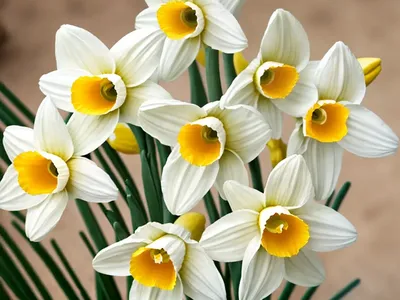
Narcissus ‘Flower Record’ is a charming large-cupped daffodil that enchants gardeners and flower enthusiasts with its vibrant blooms and easy cultivation..
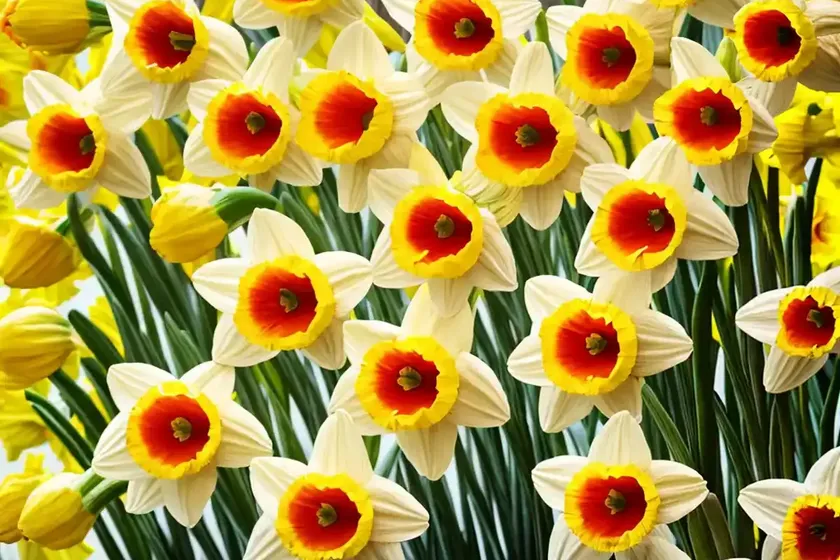
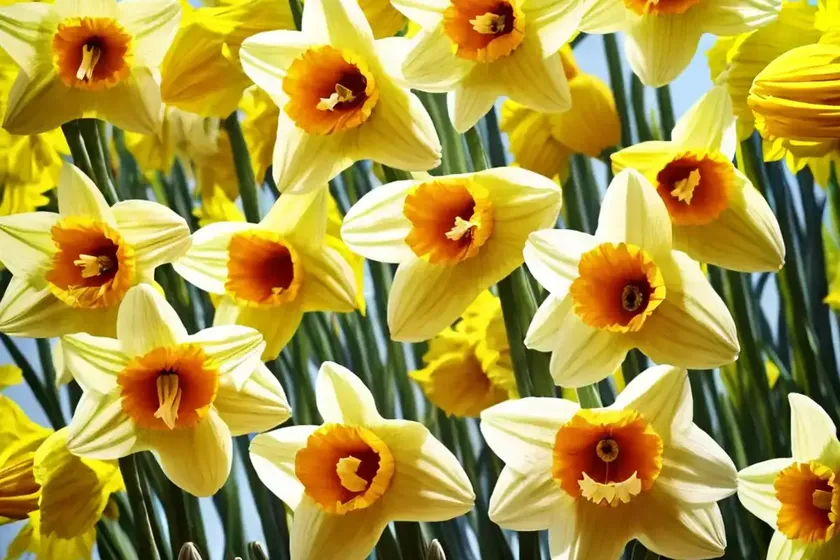
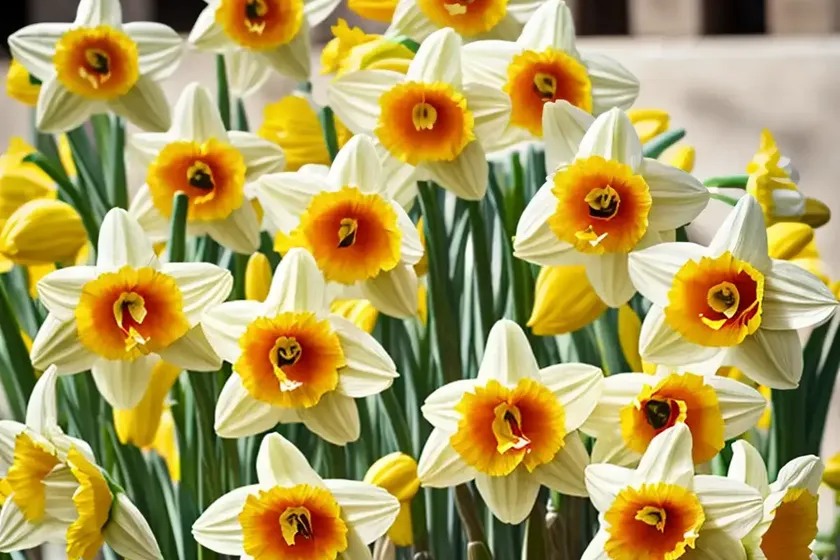
Narcissus ‘Flower Record’ is a charming large-cupped daffodil that enchants gardeners and flower enthusiasts with its vibrant blooms and easy cultivation. This article delves into the captivating world of Narcissus ‘Flower Record’, exploring its cultural requirements, uses, maintenance, common diseases, pests, and fascinating botanist’s tips. Whether you are a seasoned horticulturist or an aspiring gardener, this comprehensive guide aims to equip you with the essential knowledge to cultivate and appreciate the allure of the Narcissus ‘Flower Record’ daffodil.
Plant Name: Narcissus ‘Flower Record’ (Large-Cupped Daffodil)
What is Narcissus ‘Flower Record’?
Narcissus ‘Flower Record’ is a stunning variety of large-cupped daffodil, renowned for its striking appearance and delightful fragrance. As a member of the Amaryllidaceae family, this perennial bulbous plant originates from the Mediterranean region and is widely cultivated for its vibrant, trumpet-shaped flowers.
Key Takeaways – Narcissus ‘Flower Record’ (Large-Cupped Daffodil)
Before delving into the intricate details of cultivating and maintaining Narcissus ‘Flower Record’, let us explore its key characteristics and significant takeaways:
- Scientific Name: Narcissus ‘Flower Record’
- Family: Amaryllidaceae
- Common Name: Large-Cupped Daffodil
- Flower Type: Trumpet-shaped blooms
- Fragrance: Sweet and captivating
- Blooming Season: Late winter to early spring
- Hardiness Zones: 3-9
- Height: 16-18 inches
- Uses: Ornamental, landscaping, cut flowers
- Special Features: Deer resistant, low maintenance
- Attracts: Bees, butterflies, and other pollinators
These key takeaways provide an initial glimpse into the captivating allure of Narcissus ‘Flower Record’, paving the way for a deeper exploration of its cultural requirements, uses, and maintenance.
Culture of Narcissus ‘Flower Record’
Uses
Narcissus ‘Flower Record’ holds a prominent position in horticulture and is embraced for various purposes:
- Ornamental Use: Its stunning blooms make it a favorite for garden beds, borders, and containers.
- Landscaping: The vibrant color and form of the flowers make them an excellent choice for enhancing the visual appeal of landscapes and naturalized areas.
- Cut Flowers: Narcissus ‘Flower Record’ flowers are often utilized in floral arrangements and bouquets, adding a touch of elegance to indoor spaces.
Water
Proper watering is essential for the health and vitality of Narcissus ‘Flower Record’ plants. Here are some essential tips for watering your daffodils effectively:
- Watering Frequency: Water the plants deeply but infrequently. During the growing season, provide approximately 1 inch of water per week, adjusting based on weather conditions and soil moisture levels.
- Avoid Overwatering: Ensure that the soil has good drainage to prevent waterlogging, which can lead to bulb rot.
- Monitor Moisture Levels: Regularly check the soil moisture, especially during dry spells, to maintain optimal growing conditions.
Sunlight
Narcissus ‘Flower Record’ thrives in bright, indirect sunlight and partial shade. Here are some crucial points to consider regarding sunlight requirements:
- Optimal Sun Exposure: Provide the daffodils with 4-6 hours of sunlight daily to promote robust growth and abundant flowering.
- Morning Sun: Morning sunlight is particularly beneficial as it helps to dry any dew on the foliage, reducing the risk of fungal diseases.
- Shade Tolerance: While they require sunlight, these daffodils also appreciate some afternoon shade, especially in warmer climates, to prevent excessive heat stress.
Fertilizer
Fertilization plays a pivotal role in sustaining the vigor and blooming potential of Narcissus ‘Flower Record’. Consider the following fertilizer guidelines for optimal results:
- Timing: Apply a balanced, slow-release fertilizer in early spring when the foliage emerges and again after flowering to support bulb development.
- Amount: Use a granular fertilizer designed for bulbs and apply it according to the manufacturer’s recommendations, ensuring even distribution.
- Avoid Excess Nitrogen: Refrain from using high-nitrogen fertilizers, as they can encourage lush foliage at the expense of flowering.
Soil
The choice of soil and its preparation can significantly influence the growth and performance of Narcissus ‘Flower Record’. The following soil considerations are crucial for cultivating healthy daffodils:
- Well-Draining Soil: Plant the bulbs in well-draining soil to prevent waterlogging and enhance root health.
- pH Level: Daffodils thrive in slightly acidic to neutral soil (pH 6.0-7.0). Conduct a soil test and amend the pH if necessary using lime or sulfur.
- Soil Amendment: Incorporate organic matter such as compost or well-rotted manure into the soil before planting to improve its structure and fertility.
Pruning
Pruning practices are essential for maintaining the aesthetics and vitality of Narcissus ‘Flower Record’. Follow these key pruning tips to ensure the proper care of your daffodils:
- Deadheading: Remove spent flowers to prevent seed formation and conserve the plant’s energy for bulb development.
- Foliage Care: Allow the foliage to senesce naturally after flowering, as it provides energy for the next year’s blooms. Refrain from cutting or tying the foliage until it turns yellow and wilts.
Propagation
Narcissus ‘Flower Record’ can be propagated through various methods, including division and seed propagation. Consider the following insights for successful propagation:
- Division: After several years, clumps of daffodils can be lifted and divided in late spring or early summer, allowing you to replant the healthy bulb offsets.
- Seed Propagation: While viable seeds can be collected after the flower fades, it is essential to note that seed-grown daffodils may take several years to reach flowering size, unlike those propagated from bulbs.
Container Popularity
Narcissus ‘Flower Record’ is well-suited for container cultivation, offering a versatile and charming option for gardening enthusiasts with limited outdoor space. When growing these daffodils in containers, consider the following key points:
- Container Selection: Choose a container with adequate drainage holes and a depth of at least 8-10 inches to accommodate the bulb’s root system.
- Growing Medium: Utilize a well-draining potting mix specifically formulated for bulbs or a blend of peat, perlite, and compost.
- Placement: Position the containers in a location that receives morning sunlight and partial shade during the afternoon, protecting them from intense heat.
Common Diseases and Disease Diagnosis
Common Diseases
Despite their resilience, Narcissus ‘Flower Record’ daffodils are susceptible to certain diseases and issues. The following are common diseases that may affect these plants:
- Narcissus Bulb Rot: Caused by various fungi, bulb rot leads to a soft, decaying bulb and stunted growth. It can be exacerbated by excessive moisture and poor drainage.
- Leaf Scorch: Excessive exposure to intense sunlight can result in leaf scorch, characterized by yellowing, browning, or withering foliage.
- Botrytis Blight: This fungal disease thrives in humid conditions, appearing as gray mold on the foliage and flowers, particularly in damp weather.
Disease Diagnosis
Diagnosing diseases in Narcissus ‘Flower Record’ involves careful observation and attention to the plant’s symptoms. Consider these diagnostic indicators for common daffodil diseases:
- Bulb Inspection: Check the bulbs for soft, discolored areas, mold, or unpleasant odors, which may indicate bulb rot.
- Leaf Examination: Observe the foliage for signs of scorching, discoloration, or damp, moldy patches, potentially indicating Botrytis blight or other fungal infections.
- Environmental Factors: Consider recent weather conditions, watering practices, and sunlight exposure that may contribute to disease development.
Common Pests
While Narcissus ‘Flower Record’ is generally resistant to pests, occasional infestations may occur. The following are common pests that may affect these daffodils:
- Narcissus Bulb Fly: The larvae of this fly feed on daffodil bulbs, potentially causing damage and weakening the plants.
- Slugs and Snails: These mollusks can feed on daffodil foliage and flowers, resulting in ragged edges and visible feeding damage.
- Spider Mites: In dry, hot conditions, spider mites may infest daffodils, causing stippling and discoloration on the foliage.
Botanist’s Tips for Narcissus ‘Flower Record’
Fun Facts
Uncover some enthralling and lesser-known facts about Narcissus ‘Flower Record’ that further enhance its fascination:
- The name “Narcissus” is derived from a character in Greek mythology, reflecting the plant’s captivating beauty and allure.
- Daffodils belong to the same family as amaryllis and snowdrops, showcasing the diversity within the Amaryllidaceae family.
- The sap of daffodils can be toxic to other flowers, making them unsuitable for mixed bouquets unless pre-conditioned separately.
Links to External Resources
Explore additional insights and information about Narcissus ‘Flower Record’ through these valuable external resources:
- Royal Horticultural Society: Daffodils and Narcissi
- American Daffodil Society
- University of Vermont Extension: Growing Daffodils
Conclusion
Narcissus ‘Flower Record’ stands as a captivating and cherished addition to gardens, landscapes, and floral displays. With its vibrant blooms, alluring fragrance, and relatively low maintenance requirements, this large-cupped daffodil continues to captivate the hearts of gardeners and flower enthusiasts alike. By understanding its cultural preferences, uses, maintenance practices, and potential challenges, you can embark on a rewarding journey of cultivating and appreciating the timeless elegance of Narcissus ‘Flower Record’. Incorporating this charming daffodil into your floral ensemble ensures a delightful and vibrant spectacle that heralds the arrival of spring with unmatched allure.
As you embark on your horticultural endeavors, remember to savor the enchanting beauty of Narcissus ‘Flower Record’ and embrace the joy it brings to diverse garden settings and floral arrangements. Whether you are adorning a serene garden bed, enriching a foliage-rich landscape, or crafting breathtaking floral compositions, the resplendent charm of Narcissus ‘Flower Record’ is sure to leave an indelible mark of elegance and vibrancy.
Remember to care for these delicate yet resilient blooms, for in doing so, you nurture not just a plant, but an enduring emblem of nature’s beauty and the timeless allure of the botanical world.
By incorporating essential details, including cultural information, uses, maintenance, common diseases and pests, and fascinating fun facts, this comprehensive guide offers a profound exploration of the captivating Narcissus ‘Flower Record’ (Large-Cupped Daffodil). Whether you are a passionate horticulturist, a devoted gardener, or an ardent plant enthusiast, this article aims to provide valuable insights to nurture your appreciation and cultivation of this beguiling daffodil variety.