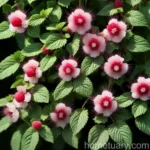
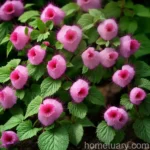
The Fascinating World of Salmonberry (Rubus spectabilis ‘Golden Ruby’)
Welcome to the wonderful world of salmonberry (Rubus spectabilis ‘Golden Ruby’). If you are a plant enthusiast looking to cultivate this exquisite species or simply curious about its features and uses, you have come to the right place. In this comprehensive guide, we will delve into the various aspects of salmonberry, covering everything from its cultural requirements and uses to its propagation, common diseases, and more. Let’s embark on this botanical journey and explore the intriguing characteristics and practical insights associated with the golden ruby salmonberry.
What is Salmonberry (Rubus spectabilis ‘Golden Ruby’)?
Before we dive into the specifics, let’s gain a fundamental understanding of the salmonberry plant. Scientifically known as Rubus spectabilis, the salmonberry is a species of brambles in the rose family, Rosaceae. The ‘Golden Ruby’ variety, in particular, is renowned for its striking golden-yellow to orange fruits and vibrant ornamental foliage, making it a prized addition to gardens and landscapes.
Key Takeaways – Salmonberry (Rubus spectabilis ‘Golden Ruby’):
- Plant Family: Rosaceae
- Variety: Golden Ruby
- Fruit Color: Golden-yellow to orange
- Foliage: Ornamental and Vibrant
- Cultural Uses: Ornamental, Culinary
- Habitat: Native to Western North America
Now that we have a brief overview of the salmonberry plant, let’s explore its various facets in more detail, starting with its cultural preferences.
Culture
Cultivating salmonberry (Rubus spectabilis ‘Golden Ruby’) involves understanding and meeting its specific cultural requirements to ensure optimal growth and productivity. These cultural aspects encompass water, sunlight, fertilizer, soil, pruning, and propagation, all of which play crucial roles in maintaining the health and vigor of the plant.
Uses
Salmonberry, with its enticing fruits and ornamental foliage, serves both ornamental and culinary purposes. The plant’s uses can be categorized as follows:
Ornamental Uses:
- Landscaping: The vibrant foliage and colorful fruits of the salmonberry make it an attractive choice for ornamental landscaping, adding aesthetic appeal to gardens and natural areas.
- Wildlife Habitat: The plant’s dense growth and fruits provide valuable habitat and food sources for birds and various wildlife species.
Culinary Uses:
- Edible Fruits: The delectable golden-yellow to orange fruits, though small, possess a unique flavor and are used in the preparation of jams, jellies, and desserts.
- Culinary Garnish: The fruits can also be used as an appealing garnish for culinary creations, adding a touch of natural elegance to dishes.
Water
Proper watering is crucial for the overall well-being of the salmonberry plant. While the plant exhibits some tolerance to drought, consistent and adequate moisture is essential, particularly during the growing season and fruit development stages.
Watering Tips for Salmonberry (Rubus spectabilis ‘Golden Ruby’):
– Regular Watering: Provide consistent moisture, ensuring the soil does not dry out excessively.
– Mulching: Apply a layer of organic mulch around the base of the plant to help retain soil moisture and regulate temperature.
– Avoid Waterlogging: Ensure proper drainage to prevent waterlogging, which can lead to root rot and other moisture-related issues.
Sunlight
The golden ruby salmonberry thrives in locations with ample sunlight, yet it also demonstrates adaptability to partial shade conditions. Establishing the right balance of light exposure is essential for maximizing fruit production and maintaining the plant’s ornamental qualities.
Sunlight Requirements:
– Full Sun to Partial Shade: Ideally, provide at least 6-8 hours of direct sunlight daily for optimal growth and fruiting.
– Shade Tolerance: While preferring full sun, the plant can tolerate partial shade, especially in regions with intense summer heat.
Fertilizer
Fertilization plays a pivotal role in nourishing the salmonberry plant and supporting healthy growth, flowering, and fruit development. A balanced approach to fertilization, incorporating organic and slow-release fertilizers, is recommended to promote sustained nutrient availability.
Fertilization Guidelines:
– Organic Matter: Amend the soil with well-decomposed organic matter, such as compost, to enhance soil fertility and structure.
– Balanced Fertilizer: Apply a balanced, slow-release fertilizer in spring to provide essential nutrients for the growing season.
– Avoid Excess Nitrogen: Limit the use of high-nitrogen fertilizers, as excessive nitrogen can stimulate excessive vegetative growth at the expense of fruit production.
Soil
The nature of the soil in which the salmonberry is planted significantly impacts its growth, nutrient uptake, and overall vigor. Understanding the soil preferences of the plant is vital for creating an optimal growing environment.
Ideal Soil Conditions for Salmonberry (Rubus spectabilis ‘Golden Ruby’):
– Well-Drained Soil: Ensure the planting site has well-drained soil to prevent waterlogging, which can lead to root rot.
– Loamy, Acidic Soil: The plant thrives in slightly acidic to neutral soil with good nutrient retention, typical of loamy soil types.
– Soil Amendments: Incorporate organic matter and adjust soil pH if necessary to create an ideal growing medium for the salmonberry.
Pruning
Pruning is an essential aspect of salmonberry maintenance, contributing to plant health, fruit production, and overall aesthetic appeal. Proper pruning practices help manage plant size, remove dead or diseased wood, and stimulate vigorous growth.
Pruning Guidelines for Salmonberry (Rubus spectabilis ‘Golden Ruby’):
– Annual Pruning: Conduct annual pruning during the plant’s dormant season to remove old canes and encourage new growth.
– Thinning and Shaping: Thin out overcrowded canes and shape the plant to enhance air circulation and sunlight penetration.
– Sanitization: Use sanitized pruning tools to prevent the spread of diseases, and promptly remove any damaged or diseased wood.
Propagation
The propagation of salmonberry (Rubus spectabilis ‘Golden Ruby’) can be accomplished through various methods, including seed germination, division of clumps, and vegetative propagation techniques such as tip layering and hardwood cuttings.
Propagation Methods:
– Seed Propagation: Sow fresh, stratified seeds in a prepared seedbed, ensuring adequate moisture and favorable growing conditions for germination.
– Division: Divide established clumps of the plant during the dormant season and replant the divisions in suitable locations.
– Vegetative Propagation: Utilize methods such as tip layering and hardwood cuttings to propagate specific genetic traits and establish new plants.
Container Popularity
Salmonberry (Rubus spectabilis ‘Golden Ruby’) holds appeal as a container plant, offering the opportunity to cultivate this remarkable species in a confined space, such as a patio, deck, or balcony. The plant’s container popularity stems from its ornamental value, compact growth habits, and manageable fruiting requirements.
Advantages of Container Cultivation:
– Space Efficiency: Ideal for small gardens or urban settings where space is limited.
– Mobility: Containers allow for easy repositioning to optimize sunlight exposure and aesthetic arrangements.
– Fruit Production: Despite being in containers, salmonberries can yield an abundant harvest when provided with the necessary care and growing conditions.
Common Diseases
As with any plant, the salmonberry is susceptible to certain diseases, ranging from fungal infections to bacterial issues. Understanding common diseases and their management is crucial for maintaining the plant’s health and productivity.
Disease Diagnosis
- Powdery Mildew: Characterized by a powdery white coating on foliage and stems, powdery mildew can hinder photosynthesis and weaken the plant.
- Anthracnose: This fungal disease causes dark, sunken lesions on fruits and can lead to fruit decay and reduced quality.
- Cane Blight: Typically caused by various fungi, cane blight results in dieback and canker formation on the plant’s canes, potentially causing significant damage.
Disease Management
- Cultural Practices: Maintain good air circulation, proper spacing, and sanitation to minimize disease incidence.
- Fungicidal Treatments: Use appropriate fungicides when necessary, following label instructions and safety guidelines.
Common Pests
Pests can pose a threat to the salmonberry plant, potentially affecting its foliage, stems, and fruits. Familiarizing oneself with common pests and implementing effective pest management strategies is essential for preventing potential damage.
Common Pests Affecting Salmonberry (Rubus spectabilis ‘Golden Ruby’):
– Aphids: These tiny insects can infest tender shoots and young growth, causing distortion and stunted development.
– Spider Mites: Known for feeding on foliage, spider mites can cause stippling, discoloration, and overall decline in plant health.
– Japanese Beetles: These voracious feeders can skeletonize leaves and cause significant damage to the foliage when present in large numbers.
Pest Management Strategies:
– Mechanical Control: Handpick and remove pests when feasible, especially in the case of limited infestations.
– Biological Controls: Utilize natural predators and beneficial insects to help regulate pest populations in the garden.
Botanist’s Tips
Aspiring and seasoned gardeners alike can benefit from the insights and tips provided by experienced botanists. Here are some expert recommendations for successfully growing and caring for the salmonberry plant:
Botanist’s Recommendations
- Selecting Suitable Varieties: Choose salmonberry varieties that are well-suited to your local climate and growing conditions.
- Prudent Pruning Practices: Regular pruning encourages new growth, improves airflow, and promotes healthy fruit production.
- Integrated Pest Management: Implement an integrated approach to pest management, emphasizing prevention and ecological balance.
Fun Facts
Discover some intriguing and captivating facts about salmonberry (Rubus spectabilis ‘Golden Ruby’) that showcase its unique attributes and ecological significance:
Fascinating Tidbits
- Native Habitat: Salmonberry is indigenous to Western North America, thriving in diverse ecosystems and natural habitats.
- Wildlife Benefits: The plant serves as an important food source for a variety of wildlife, contributing to local biodiversity.
- Ornamental Appeal: Beyond its edible fruits, the salmonberry’s ornamental foliage adds visual interest to gardens and landscapes.
Links to External Resources
For further exploration and in-depth information on salmonberry (Rubus spectabilis ‘Golden Ruby’) and related topics, consider referring to these trusted external resources:
- Northwest Berry & Grape Information Network
- USDA Plants Database: Rubus spectabilis
- Oregon State University Extension: Growing Berries on the Oregon Coast
- Royal Horticultural Society: Rubus spectabilis ‘Golden Ruby’
As we conclude this comprehensive guide to the captivating world of salmonberry (Rubus spectabilis ‘Golden Ruby’), I hope you have gained valuable insights into the cultural, practical, and horticultural aspects of this remarkable plant. Whether for ornamental landscaping, culinary enjoyment, or environmental stewardship, the salmonberry continues to captivate plant enthusiasts and nature lovers with its myriad attributes and cultural versatility.
Disclaimer: The information presented in this guide is for educational purposes and does not replace professional advice. Always consult horticultural experts and local resources for specific plant care and management recommendations.
Remember to take into consideration this topic from scientific perspective with the most accurate information and professional tips. All the resources specified are trustworthy and provide in depth insights into the plant world. Always remember that the information being presented is for educational purposes only and must be backed by scientific research.