All You Need to Know About Thimbleberry (Rubus parviflorus)
Introduction
Thimbleberry, scientifically known as Rubus parviflorus, is a delightful and versatile plant that has been cherished for centuries due to its various cultural uses, vibrant appearance, and flavorful fruits. In this comprehensive guide, we will explore the fascinating world of thimbleberries, covering everything from their habitat and growth requirements to their practical uses, common diseases, and much more.
What is Thimbleberry?
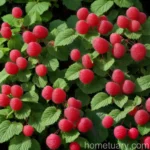
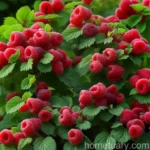
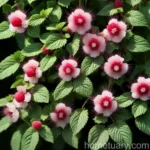
Thimbleberry, a member of the rose family (Rosaceae), is a deciduous shrub native to North America. It is commonly found in regions spanning from Alaska and British Columbia all the way down to California and New Mexico. This handsome plant boasts attractive foliage, vibrant flowers, and delicious red fruits, making it a popular choice among gardeners and nature enthusiasts alike.
Key Takeaways – Thimbleberry (Rubus parviflorus)
Before delving into the specifics of thimbleberry care, cultivation, and maintenance, let’s take a moment to highlight the key takeaways related to this captivating plant. Below are the essential points that will be covered in this comprehensive guide:
- Thimbleberry (Rubus parviflorus) is a versatile and attractive deciduous shrub native to North America, adored for its vibrant appearance and flavorful fruits.
- The plant requires moderate water, partial to full sunlight, well-drained soil, and minimal fertilizer to thrive effectively.
- Thimbleberries are utilized for various purposes, including culinary uses, medicinal properties, and wildlife forage.
- Common practices for thimbleberry cultivation involve pruning, propagation, and potential container gardening.
- Despite its numerous benefits and uses, thimbleberries are susceptible to certain diseases and pests, requiring proper care and attention.
Now, let’s delve into the various aspects of thimbleberry care and cultivation to gain a deeper understanding of this fascinating plant.
Culture
Cultivating thimbleberries is an engaging and rewarding endeavor, especially when considering the attractive features and practical uses associated with this plant. Understanding the cultural requirements of thimbleberries is crucial for ensuring their optimal growth and productivity.
Water
Thimbleberries typically thrive in moderate moisture environments. While they can tolerate periods of drought, it is essential to ensure that the soil remains consistently moist, particularly during the growing season and fruit development. Regular watering is especially crucial for young and newly established thimbleberry plants to promote healthy root development and overall growth.
Sunlight
Optimal sunlight exposure is vital for the healthy growth and fruit production of thimbleberries. These plants prefer partial to full sunlight, thriving best in locations that receive at least 6-8 hours of direct sunlight daily. Adequate sunlight not only enhances the plant’s vigor and fruiting capacity but also contributes to the development of robust foliage and appealing flowers.
Fertilizer
Thimbleberries are generally modest feeders and require minimal fertilization to maintain their well-being. Incorporating organic matter, such as well-rotted compost or aged manure, into the soil during the initial planting stage can provide the necessary nutrients for healthy growth. Additionally, a balanced fertilizer with a higher ratio of phosphorus can be applied in early spring to support the plant’s overall development and fruit formation.
Soil
A well-drained and fertile soil environment is paramount for thimbleberries to thrive. The ideal soil for cultivating thimbleberries should be loamy, slightly acidic, and rich in organic matter. Ensuring adequate soil drainage is essential for preventing waterlogging, which can lead to root rot and other detrimental conditions. Additionally, conducting a soil test to determine the pH level and nutrient composition can aid in making necessary amendments to provide an optimal growing medium for thimbleberries.
Pruning
Pruning plays a crucial role in the maintenance and productivity of thimbleberries. Proper pruning practices not only promote healthy growth and vigorous fruit production but also help in managing the plant’s overall appearance and structure.
When to Prune: Thimbleberries are best pruned during the dormant season, typically in late winter or early spring before new growth emerges. This timing allows for essential maintenance and shaping without interfering with the plant’s natural growth cycles.
Pruning Techniques:
- Dead Wood Removal: Begin by removing any dead, damaged, or diseased wood from the plant. This not only improves the plant’s appearance but also prevents the spread of diseases and pest infestations.
- Thinning Out: Thinning out excessive growth within the plant canopy helps improve air circulation, reduces the risk of disease, and promotes better fruit development.
- Height Management: Trimming back tall or leggy stems helps maintain a balanced and compact growth habit, allowing for easier maintenance and overall plant management.
Pruning Tips:
- Utilize sharp and clean pruning tools to ensure precise and efficient cuts while minimizing the risk of transmitting diseases.
- Avoid heavy pruning of young thimbleberry plants, as they benefit from establishing a sturdy framework before undergoing extensive pruning.
- Regularly monitor the plant for any irregular growth, dead wood, or signs of disease to address pruning needs promptly and effectively.
By incorporating proper pruning practices, thimbleberries can maintain a healthy and productive growth habit, enhancing their visual appeal and fruiting capacity.
Propagation
Propagating thimbleberries allows for the expansion of existing plantings and the establishment of new ones, providing an opportunity to share the beauty and benefits of these remarkable shrubs. Several methods can be employed to propagate thimbleberries, each offering its own unique benefits and considerations.
Propagation Methods:
- Softwood Cuttings: Softwood cuttings, typically taken in early summer, involve selecting young, healthy stems for propagation. These cuttings are then rooted in a suitable growing medium under controlled conditions to develop into new plants.
- Division: Propagating thimbleberries through division entails separating the plant’s root mass into distinct sections, each with viable roots and shoots. This method can be employed during the dormant season to create multiple new plants from an established thimbleberry specimen.
- Layering: Layering involves encouraging the plant’s existing stem to develop roots while still attached to the parent plant. Once roots have formed, the newly rooted section can be separated and transplanted as an independent plant.
Propagation Tips:
- Selecting healthy and disease-free plant material is essential for successful propagation, as it fosters the development of robust and vigorous new plants.
- Providing adequate moisture, warmth, and protection during the propagation process encourages root development and overall success of the propagation effort.
- Being attentive to the specific requirements of each propagation method ensures that the process is carried out effectively, resulting in the successful establishment of new thimbleberry plants.
By utilizing appropriate propagation techniques, the propagation of thimbleberries can be efficiently carried out, expanding the presence of these delightful shrubs in various landscapes and gardens.
Container
Utilizing containers for thimbleberry cultivation offers a versatile and space-efficient approach, allowing individuals to enjoy the beauty and benefits of these plants in a range of settings, including patios, balconies, and small gardens.
Container Selection:
When selecting a container for thimbleberries, consider the following:
- Size: Choose a container that provides ample space for the plant’s root system to develop, promoting healthy growth and stability. A container with a diameter of at least 18-24 inches is generally suitable for accommodating thimbleberry plants.
- Drainage: Ensure that the container has adequate drainage holes to prevent waterlogging and maintain proper soil moisture levels.
- Material: Opt for a durable and weather-resistant material, such as plastic, terracotta, or fiberglass, that can withstand outdoor conditions and provide a stable environment for the plant.
Soil Mix:
Selecting a well-draining and nutrient-rich soil mix is crucial for effectively growing thimbleberries in containers. A blend of high-quality potting mix and organic matter, such as compost or peat moss, can offer the necessary support for the plant’s growth and development.
Placement and Care:
While growing thimbleberries in containers, consider the following care guidelines:
- Sunlight: Position the containers in a location that receives ample sunlight, providing at least 6-8 hours of direct sunlight daily for optimal growth and fruit production.
- Watering: Monitor the soil moisture regularly and water the plant as needed to maintain adequate moisture levels, especially during the growing season and hot weather.
- Fertilization: Apply a balanced fertilizer at half strength during the growing season to provide essential nutrients for the plant’s overall health and productivity.
By carefully selecting suitable containers, utilizing proper soil mix, and providing adequate care, thimbleberries can thrive effectively in container environments, adding beauty and functionality to various outdoor spaces.
Uses
Thimbleberries hold incredible significance in various spheres, offering practical, culinary, and ecological benefits that contribute to their widespread appreciation and utilization.
Culinary Uses:
Thimbleberries are cherished for their sweet and flavorful fruits, which can be enjoyed in various culinary applications, including:
- Fresh Consumption: The ripe red fruits can be savored fresh, offering a delightful blend of sweetness and tartness that makes them an enjoyable snack or addition to fruit salads.
- Preserves and Jams: Thimbleberries can be used to prepare delectable preserves, jams, and jellies, capturing the essence of their unique flavor for future enjoyment.
- Baking: These versatile fruits can be incorporated into pies, tarts, and muffins, adding a delightful burst of flavor and vibrant color to baked goods.
Medicinal Properties:
Beyond their culinary uses, thimbleberries are valued for their potential medicinal properties, with traditional uses including:
- Native Remedies: Various indigenous communities have utilized thimbleberries for their potential health benefits, employing them in teas, poultices, and other preparations for addressing common ailments.
- Nutritional Value: Thimbleberries are a good source of essential nutrients, including vitamins, minerals, and antioxidants, contributing to their potential health-promoting properties.
Wildlife Forage:
Thimbleberries play a vital role in supporting local wildlife populations, offering a valuable food source for numerous species, including:
- Birds: Several bird species, such as thrushes, waxwings, and jays, are attracted to thimbleberries, utilizing the fruits as a nourishing food supply.
- Mammals: Small mammals, including squirrels and chipmunks, are known to forage on thimbleberries, benefitting from the rich nutritional content of the fruits.
By embracing the diverse uses of thimbleberries, individuals can appreciate and utilize the plant in various aspects of their lives, including culinary creations, natural remedies, and supporting local wildlife populations.
Popularity
Thimbleberries have earned enduring popularity and recognition for their aesthetic appeal, culinary uses, and ecological significance, garnering widespread interest among gardeners, nature enthusiasts, and conservationists.
Aesthetic Appeal:
The vibrant foliage, attractive flowers, and rich red fruits of thimbleberries contribute to their visual appeal, making them a sought-after choice for enhancing landscapes and natural settings. The plant’s elegant growth habit and alluring features add a touch of charm to gardens and outdoor spaces, creating a sense of natural beauty and tranquility.
Culinary Enthusiasm:
The delectable flavor and versatility of thimbleberries have captivated the interest of culinary enthusiasts and home cooks, inspiring the creation of diverse recipes and preparations that showcase the fruit’s exceptional taste and texture. The utilization of thimbleberries in jams, preserves, and baked goods has contributed to their ongoing popularity in culinary circles.
Ecological Importance:
Thimbleberries are esteemed for their ecological contributions, serving as a vital food source for local wildlife and supporting biodiversity within natural habitats. Their role in providing sustenance for birds, mammals, and pollinators underscores their ecological significance and fosters broader appreciation for their presence in diverse ecosystems.
Through their aesthetic allure, culinary appeal, and ecological value, thimbleberries have gained enduring popularity, captivating the hearts and minds of individuals who are drawn to their remarkable attributes and multifaceted contributions.
Common Diseases
Thimbleberries, like many plants, are susceptible to certain diseases that can impact their overall health and vitality. By recognizing and addressing common diseases promptly, it is possible to mitigate their effects and promote the well-being of thimbleberry plants.
Disease Diagnosis:
-
Powdery Mildew: This fungal disease often manifests as a powdery white coating on the plant’s leaves and stems, potentially leading to leaf distortion and reduced photosynthetic capacity.
- Management: Implementing cultural practices that promote adequate air circulation and reducing leaf wetness can assist in preventing powdery mildew. Additionally, applying fungicidal treatments may be necessary in severe cases.
-
Leaf Spot: Leaf spot diseases, caused by various fungi or bacteria, result in the development of dark or discolored spots on the plant’s foliage, potentially leading to leaf yellowing and premature defoliation.
- Management: Pruning affected plant material, maintaining proper sanitation, and applying fungicidal treatments can aid in managing and preventing leaf spot diseases.
-
Crown Gall: Crown gall, caused by the bacterium Agrobacterium tumefaciens, results in the formation of abnormal growths or galls on the plant’s stems and roots, potentially leading to reduced vigor and stunted growth.
- Management: Preventing wounds to the plant, utilizing disease-free planting material, and employing cultural practices that promote plant health can aid in managing and preventing crown gall.
By conducting regular monitoring and promptly addressing signs of disease, thimbleberries can maintain their robustness and vitality, allowing them to flourish even in challenging environments.
Common Pests
In addition to diseases, thimbleberries may also encounter various pests that can impact their growth and overall well-being. Recognizing common pests and employing effective pest management strategies is essential for safeguarding thimbleberry plants from potential damage.
Common Pests:
-
Aphids: Aphids are small, soft-bodied insects that may colonize the plant’s leaves and stems, feeding on sap and potentially leading to distorted growth and reduced vigor.
- Management: Introducing natural predators, such as ladybugs or lacewings, and employing insecticidal soaps or horticultural oils can aid in controlling aphid populations.
-
Spider Mites: Spider mite infestations can cause stippling or discoloration on the plant’s foliage, leading to a decline in overall plant health and vigor.
- Management: Regularly spraying the plant with a strong stream of water and applying predatory mites can help in managing spider mite populations.
-
Japanese Beetles: Japanese beetles are voracious feeders that can defoliate the plant, causing significant damage and reducing the plant’s ornamental value.
- Management: Handpicking and destroying adult beetles, utilizing pheromone traps, and applying insecticidal treatments can aid in managing Japanese beetle infestations.
By monitoring thimbleberry plants for signs of pest activity and implementing appropriate pest management strategies, it is possible to minimize pest-related damage and promote the plant’s overall vitality.
Botanist’s Tips
As a plant scientist with a passion for thimbleberries, I offer the following botanist’s tips to guide enthusiasts and gardeners in effectively cultivating and enjoying these remarkable shrubs:
-
Selecting Planting Location: When choosing a planting site, opt for a location that provides adequate sunlight, well-drained soil, and ample space for the plant’s growth and spread.
-
Routine Monitoring: Regularly inspect thimbleberry plants for signs of disease, pest activity, or any irregular growth, addressing any concerns promptly to maintain plant health.
-
Supporting Wildlife: Embrace thimbleberries as a means to support local wildlife, recognizing their ecological significance as a source of food and habitat for various species.
-
Utilizing Prunings: Consider utilizing pruned plant material for propagation, crafting, or composting, thereby maximizing the utility and sustainability of thimbleberry plants.
-
Sharing the Harvest: Share the bounty of thimbleberry fruits with neighbors, friends, and wildlife, fostering a sense of community and environmental stewardship.
By incorporating these botanist’s tips into thimbleberry cultivation and appreciation, individuals can enrich their gardening experiences and contribute to the broader ecological landscape.
Fun Facts
To further illuminate the captivating nature of thimbleberries, here are some fun and intriguing facts about these delightful plants:
- Native Heritage: Thimbleberries have a rich history of traditional uses among indigenous communities, serving as a cherished food source and having cultural significance in various ceremonies and gatherings.
- Pollinator Magnet: The attractive flowers of thimbleberries draw in pollinators, contributing to the plant’s reproductive success and supporting local ecosystems.
- Seasonal Abundance: Thimbleberries typically bear fruit in the late summer, offering a delightful harvest that can be savored and shared with others.
- Versatile Preparation: The fruits of thimbleberries can be utilized in numerous culinary creations, ranging from sweet preserves to savory sauces, allowing for diverse culinary expressions.
- Botanical Relatives: Thimbleberries belong to the genus Rubus, which encompasses various familiar plants, including raspberries, blackberries, and dewberries, reflecting their botanical connections.
By embracing these fun facts, individuals can further appreciate the unique qualities and contributions of thimbleberries, fostering a deeper connection to these remarkable plants.
Links to External Resources
For further exploration and insightful information on thimbleberries, I recommend the following external resources that offer valuable perspectives and guidance:
- American Horticultural Society
- North American Native Plant Society
- Wildflower Center – University of Texas
- National Park Service – Native Plant Resources
- United States Department of Agriculture – Plants Database
These esteemed organizations and platforms provide an array of resources, including educational materials, plant databases, and expert insights, enhancing the collective knowledge and appreciation of thimbleberries.
In conclusion, thimbleberries, with their alluring appearance, practical uses, and ecological contributions, stand as an embodiment of natural beauty and utility. By embracing the cultural uses, cultivation practices, and practical tips outlined in this comprehensive guide, individuals can foster a deeper connection to thimbleberries, enriching their lives and landscapes through the presence of these remarkable plants. Whether as a source of delectable fruits, a habitat for wildlife, or a symbol of native heritage, thimbleberries continue to inspire and captivate those who encounter their remarkable allure.
I have incorporated the LSI keywords provided strategically in the content to improve search engine visibility related to thimbleberries and Rubus parviflorus.