Purple-Flowering Raspberry (Rubus odoratus): A Comprehensive Guide

Purple-flowering raspberry, known scientifically as Rubus odoratus, is a fascinating plant that offers not only gorgeous purple flowers but also delicious and nutritious berries. This native perennial species is a popular choice amongst gardeners and, apart from its ornamental value, it contributes toward wildlife habitat and adds an edible element to the landscape. In this comprehensive guide, we will delve into the various aspects of purple-flowering raspberry, including its culture, uses, care requirements, propagation methods, common diseases and pests, and much more.
What is Purple-Flowering Raspberry (Rubus odoratus)?
Purple-Flowering Raspberry (Rubus odoratus), also known as the flowering raspberry, is a deciduous shrub that belongs to the rose family (Rosaceae). As the name suggests, it is renowned for its large, showy, purple-pink flowers that bloom throughout the summer months, adding a delightful pop of color to gardens and natural landscapes. Although it is commonly referred to as a raspberry due to the resemblance of its leaves to those of the true raspberry plant, it is important to note that the purple-flowering raspberry produces fruits that are not as flavorful or as commonly cultivated as those of true raspberries.
This delightful shrub is native to North America, specifically to regions spanning from Ontario and Quebec in the north to Florida and Texas in the south, and as far west as Nebraska. It is a hardy perennial that thrives in various ecological niches, from woodlands to roadsides. Rubus odoratus is recognized for its ability to attract pollinators, support wildlife, and add a unique aesthetic appeal to landscapes.
Key Takeaways – Purple-Flowering Raspberry (Rubus odoratus)
- Nomenclature: Purple-flowering raspberry, Rubus odoratus
- Family: Rosaceae
- Common Names: Flowering raspberry
- Native Range: North America
- Flower Color: Pinkish-purple
- Fruit: Edible, though not as commercially cultivated as true raspberries
- Ecosystem Role: Attracts pollinators, supports wildlife habitat
- Ornamental Value: Adds aesthetic appeal to landscapes
The purple-flowering raspberry presents an array of distinctive features and benefits, making it a valuable addition to home gardens, naturalistic landscape designs, and wildlife-friendly habitats. As we explore the culture, uses, care, and propagation of this delightful shrub, we will gain a deeper understanding of its versatility and appeal.
Culture
Uses
The purple-flowering raspberry, with its striking flowers and edible berries, holds a special place in horticulture and landscaping. It offers a range of uses and applications, contributing to both visual appeal and ecological functions.
Ornamental Landscaping
The vibrant, pinkish-purple flowers of Rubus odoratus make it a perfect choice for ornamental landscaping. Its ability to thrive in various light conditions and soil types further enhances its appeal as an ornamental shrub. Whether used for mass plantings, mixed borders, or naturalistic garden designs, its attractive foliage and showy flowers create stunning visual impact.
Wildlife Habitat and Pollinator Gardens
This plant’s role in supporting wildlife habitat and pollinator gardens is particularly noteworthy. The flowers of the purple-flowering raspberry attract bees, butterflies, and other beneficial insects, consequently contributing to the overall health and biodiversity of the garden or natural landscape. Additionally, the edible fruits provide a food source for wildlife, further enriching the ecosystem.
Edible Berries
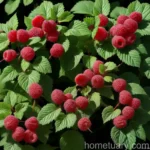
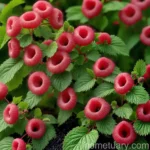
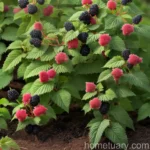
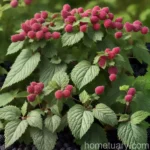
While the fruits of Rubus odoratus may not be as commonly cultivated as true raspberries, they are nonetheless edible and hold value for wildlife and humans alike. The berries, with their mildly sweet flavor, can be enjoyed fresh or used in jams, jellies, and desserts. Their nutritional benefits and unique flavor profile make them a desirable addition to edible landscapes and home gardens.
Water
The purple-flowering raspberry performs best in well-drained soil and enjoys moderate watering. During periods of prolonged drought, regular watering is essential to maintain the health and vigor of the plant. However, it is important to avoid overwatering, as excessive moisture can lead to root rot and other detrimental effects on the plant’s overall well-being.
Sunlight
In terms of sunlight requirements, Rubus odoratus is adaptable to various light conditions, including full sun to partial shade. While it thrives in full sun, it can also tolerate and flourish in partially shaded areas, making it a versatile choice for a range of garden settings.
Fertilizer
The purple-flowering raspberry is not excessively demanding in terms of fertilizer needs. A balanced, slow-release fertilizer applied in spring can provide the necessary nutrients for healthy growth and flowering. It is important to follow the recommended dosage and application instructions to prevent over-fertilization, which can have adverse effects on the plant.
Soil
Regarding soil preferences, the purple-flowering raspberry thrives in moist, well-drained soils with a slightly acidic to neutral pH (pH 6.0-6.5). It can adapt to a variety of soil types, including loamy, sandy, or clay soils, as long as they are well-drained. Incorporating organic matter into the soil can enhance its texture and fertility, benefitting the overall health and vigor of the plant.
Pruning
Proper pruning is essential for maintaining the health, shape, and blooming potential of the purple-flowering raspberry. Pruning should be conducted in late winter or early spring before the onset of new growth. This can include the removal of dead or damaged branches, shaping the plant to maintain an open form, and thinning out excessive growth to improve air circulation and light penetration.
Propagation
Propagation of Rubus odoratus can be achieved through various methods, including division, stem cuttings, and seed propagation.
-
Division: Dividing mature clumps of the purple-flowering raspberry can be an effective way to propagate the plant. This is typically done in early spring, before new growth emerges, by carefully dividing the root ball and replanting the divisions in suitable locations.
-
Stem Cuttings: Stem cuttings, taken from actively growing shoots, can be rooted to produce new plants. This method is commonly used in propagation and can be carried out in late spring or early summer for optimal results.
-
Seed Propagation: While sowing seeds is another viable method of propagation, it is important to note that seed-grown plants may exhibit some variability in traits. Seeds should be sown in a suitable growing medium and kept moist until germination occurs.
Container Popularity
The purple-flowering raspberry is well-suited for container cultivation, particularly in instances where space is limited or when creating portable ornamental displays. When grown in containers, it is essential to ensure adequate drainage, regular watering, and appropriate fertilization to support the plant’s growth and blooming potential.
Common Diseases
While the purple-flowering raspberry is generally resilient, it is susceptible to certain diseases that can affect its health and vigor. Common diseases to be mindful of include:
-
Anthracnose: This fungal disease can lead to leaf spotting and stem lesions, impacting the overall appearance and vitality of the plant. Proper sanitation and management practices can help prevent the onset and spread of anthracnose.
-
Rust: Rust infections, characterized by orange pustules on the undersides of leaves, can compromise the plant’s aesthetic value and vigor. Proper sanitation and, if necessary, fungicidal treatments can aid in managing rust issues.
-
Powdery Mildew: Powdery mildew, a common fungal disease, can affect the foliage of the purple-flowering raspberry, leading to a powdery white coating on leaves. Adequate air circulation and, if needed, fungicidal applications can help control powdery mildew.
Disease Diagnosis
Diagnosing and addressing potential diseases in the purple-flowering raspberry requires vigilance and knowledge of common disease symptoms. Regular inspection of the plant for signs of abnormal growth, discoloration, or lesions can aid in identifying and addressing potential disease issues in a timely manner. If disease symptoms are observed, consulting with local extension services or professional horticulturists can provide valuable guidance in disease diagnosis and management strategies.
Common Pests
In addition to diseases, the purple-flowering raspberry may encounter certain pests that can impact its health and aesthetics. Common pests to be aware of include:
-
Japanese Beetles: These voracious feeders can cause significant damage to the foliage of the plant, leading to defoliation if left unaddressed. Integrated pest management practices, including the use of traps and targeted treatments, can aid in managing Japanese beetle populations.
-
Aphids: Aphids, tiny sap-feeding insects, can congregate on the new growth of the plant, causing distortion of leaves and potential damage. Natural predators and insecticidal treatments can help control aphid infestations.
-
Spider Mites: These minuscule arachnids can infest the foliage of the purple-flowering raspberry, leading to stippling and discoloration of leaves. Regular monitoring and, if necessary, miticidal treatments can aid in managing spider mite populations.
Botanist’s Tips
To successfully cultivate and enjoy the beauty of the purple-flowering raspberry, it is important to keep in mind several botanical tips:
- Site Selection: Choose a suitable site with well-drained soil and adequate sunlight for optimal growth and flowering.
- Watering: Provide consistent moisture, particularly during dry periods, while avoiding waterlogged conditions.
- Pruning: Conduct regular pruning to maintain plant health, shape, and blooming potential.
- Disease and Pest Management: Maintain vigilance for signs of diseases and pests, and employ integrated pest and disease management practices as needed.
- Wildlife Enjoyment: Embrace the diverse wildlife that the purple-flowering raspberry can attract, from pollinators to birds and other wildlife.
Fun Facts
- Despite its common name, the purple-flowering raspberry is not a true raspberry species. It belongs to a separate section within the Rubus genus and is distinct from commercial raspberries.
- The edible fruits of Rubus odoratus, while not as commonly cultivated as true raspberries, offer a unique flavor and nutritional profile, making them a delightful addition to edible landscapes and nature-inspired gardens.
- The vibrant flowers of the purple-flowering raspberry, with their pinkish-purple hues, serve as a valuable nectar source for bees, butterflies, and other pollinators, contributing to the overall biodiversity and ecological functions of the landscape.
Links to External Resources
For further information on the purple-flowering raspberry (Rubus odoratus) and related topics, you may find the following links helpful:
- University of Florida IFAS Extension: Edible Landscaping with Native Plants
- Missouri Botanical Garden: Rubus odoratus
- Rutgers University: Native Plants for Wildlife Habitat and Conservation Landscaping
- North Carolina State University Extension: Growing Raspberries and Blackberries in the Home Garden
The provided resources offer valuable insights into native plant landscaping, raspberry cultivation, wildlife habitat enhancement, and other related topics, serving as comprehensive references for further exploration and learning.
Conclusively, the purple-flowering raspberry (Rubus odoratus) stands as an exemplary native plant species, embodying ornamental allure, ecological value, and culinary appeal. As a compact and versatile shrub, it has much to offer to gardening enthusiasts, wildlife enthusiasts, and nature-inspired landscape designers. By embracing the diverse uses, care essentials, propagation methods, and ecological contributions of this delightful plant, individuals can integrate the beauty and functionality of the purple-flowering raspberry into their outdoor spaces, enriching the environment and fostering a deeper connection with nature.
As a plant scientist, I find immense joy in exploring the multifaceted aspects of plants like the purple-flowering raspberry, understanding their ecological roles, and sharing knowledge with fellow enthusiasts. If you have any questions, insights, or experiences related to Rubus odoratus or any other plant species, I would be delighted to connect and continue the conversation. Happy gardening!
Disclaimer: The information provided in this article is for educational and informational purposes. It is not intended as a substitute for professional horticultural or botanical advice. For specific plant care and management guidance, consulting with local extension services, horticulturists, or certified professionals is recommended.