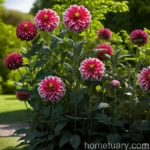
Dahlia ‘Polka’: A Beautiful Addition to Your Garden
Dahlia ‘Polka’ is a stunning and vibrant flowering plant that adds a splash of color and elegance to any garden. This dahlia variety is known for its vibrant blooms, easy cultivation, and low maintenance requirements, making it a favorite among gardeners. In this comprehensive guide, we will explore the key characteristics, cultivation tips, and interesting facts about Dahlia ‘Polka’, along with its cultural significance and uses in different settings.
What is Dahlia ‘Polka’?
Dahlia ‘Polka’ is a popular dahlia variety known for its lively and colorful flowers. This striking plant belongs to the Asteraceae family and is native to Mexico and Central America. With its vibrant blooms and unique characteristics, Dahlia ‘Polka’ has become a sought-after addition to gardens, landscapes, and floral arrangements.
Key Takeaways
Before we delve into the specific details of cultivating and caring for Dahlia ‘Polka’, let’s take a look at the key takeaways of this plant:
- Dahlia ‘Polka’ features vibrant and colorful blooms, making it a visually appealing addition to gardens and landscapes.
- Cultivating Dahlia ‘Polka’ requires attention to watering, sunlight, soil, and pruning to ensure healthy growth and abundant flowering.
- The plant can be propagated through divisions, cuttings, and tubers, offering multiple options for expanding your garden or sharing the beauty of Dahlia ‘Polka’ with others.
- Dahlia ‘Polka’ is relatively low-maintenance and can thrive in containers, making it a versatile choice for both seasoned gardeners and beginners.
Culture
Cultivating Dahlia ‘Polka’ requires attention to several key factors, including water, sunlight, soil, and fertilizer. By understanding the specific cultural requirements of this plant, you can ensure its optimal growth and blooming potential.
Uses
Dahlia ‘Polka’ serves various practical and aesthetic purposes in gardening, landscaping, and floral arrangements. Whether used as a standalone feature or combined with other plants, the vibrant blooms of Dahlia ‘Polka’ can enhance the visual appeal of any setting.
Water
Proper watering is crucial for the health and vitality of Dahlia ‘Polka’. While the plant requires consistent moisture, it is important to avoid overwatering, which can lead to root rot and other issues.
To maintain the ideal moisture level for Dahlia ‘Polka’, consider the following watering practices:
- Regular Watering: During the growing season, ensure that the plant receives consistent watering, especially during periods of dry weather.
- Soil Drainage: Plant Dahlia ‘Polka’ in well-draining soil to prevent waterlogging and promote healthy root development.
- Mulching: Apply a layer of organic mulch around the base of the plant to retain soil moisture and reduce water evaporation.
Sunlight
Dahlia ‘Polka’ thrives in full sunlight, requiring at least 6 to 8 hours of direct sunlight each day. Adequate sun exposure is essential for promoting robust growth and vibrant flowering.
Here are some sunlight-related care tips for Dahlia ‘Polka’:
- Optimal Placement: Plant Dahlia ‘Polka’ in a location that receives ample sunlight, such as a south-facing garden bed or an open area with minimal shade.
- Sunscreen: In regions with exceptionally intense sunlight, provide some protection for the plant during the peak hours of the day to prevent scorching.
Fertilizer
To support the healthy growth and prolific blooming of Dahlia ‘Polka’, it is important to provide balanced nutrition through appropriate fertilization.
Consider these fertilizer guidelines for cultivating Dahlia ‘Polka’:
- Slow-Release Fertilizer: Apply a balanced, slow-release fertilizer when planting Dahlia ‘Polka’ to provide consistent nutrition over an extended period.
- Additional Feedings: During the growing season, supplement the soil with periodic applications of liquid fertilizer to support continuous growth and flowering.
Soil
The soil composition plays a crucial role in the overall health and vigor of Dahlia ‘Polka’. Optimal soil conditions can enhance root development, nutrient uptake, and moisture retention, contributing to the plant’s overall well-being.
Here are some soil-related tips for cultivating Dahlia ‘Polka’:
- Well-Drained Soil: Plant Dahlia ‘Polka’ in soil that offers good drainage, preventing waterlogging and root suffocation.
- Nutrient-Rich Soil: Prior to planting, enrich the soil with organic matter, such as compost or well-rotted manure, to provide essential nutrients and improve soil structure.
Pruning
Pruning is an essential aspect of maintaining the health, shape, and flowering potential of Dahlia ‘Polka’. Proper pruning practices can improve air circulation, remove dead or diseased growth, and encourage the development of new blooms.
Consider the following pruning recommendations for Dahlia ‘Polka’:
- Deadheading: Regularly remove spent flowers to promote continuous blooming and prevent seed formation, directing the plant’s energy toward new growth.
- Stem Pruning: Trim back any damaged or excessively long stems to maintain a compact and balanced appearance for the plant.
Propagation
Dahlia ‘Polka’ can be propagated through various methods, including division, cuttings, and tubers. These propagation techniques provide opportunities for expanding your collection of Dahlia ‘Polka’ or sharing the plant with other gardening enthusiasts.
Explore the following propagation methods for Dahlia ‘Polka’:
- Division: Divide established clumps of Dahlia ‘Polka’ in early spring to create new plants, ensuring that each division has healthy tubers and adequate root systems.
- Cuttings: Take stem cuttings from healthy, actively growing plants and root them in a suitable growing medium to produce new, genetically identical plants.
- Tubers: Store and replant tubers from mature Dahlia ‘Polka’ plants to perpetuate the genetic characteristics of the parent plant and maintain consistent growth and flowering traits.
Container Popularity
The versatile nature of Dahlia ‘Polka’ makes it well-suited for container cultivation. Growing this dahlia variety in containers offers several advantages, including flexibility, space optimization, and ease of maintenance.
Consider the following reasons for the popularity of Dahlia ‘Polka’ in container gardening:
- Space Efficiency: Containers provide a compact and manageable growing environment for Dahlia ‘Polka’, making the plant suitable for balconies, patios, and small outdoor spaces.
- Adaptability: Container cultivation allows gardeners to move and rearrange Dahlia ‘Polka’ as needed, optimizing sunlight exposure and visual impact.
- Low Maintenance: With the right container size, soil mix, and drainage, Dahlia ‘Polka’ can thrive with minimal maintenance, making it an ideal choice for novice gardeners and busy individuals.
Common Diseases
While Dahlia ‘Polka’ is generally robust and resilient, it can be susceptible to certain diseases under specific environmental conditions. Recognizing the symptoms and addressing potential diseases promptly is essential for maintaining the plant’s health and longevity.
Disease Diagnosis
Be vigilant for the following common diseases that may affect Dahlia ‘Polka’:
- Powdery Mildew: Look for white powdery patches on the leaves, indicating the presence of powdery mildew. Provide proper air circulation and apply fungicidal treatments as needed.
- Botrytis: Monitor for gray mold on the foliage, stems, and flowers, especially in humid or damp conditions. Improve air circulation and avoid excessive moisture to prevent botrytis infections.
- Dahlia Smut: Keep an eye out for dark, raised spots or lesions on the leaves and stems, indicating the presence of dahlia smut. Promptly remove and destroy infected plant parts to prevent the spread of the disease.
Common Pests
While Dahlia ‘Polka’ is relatively resistant to pests, it can still attract unwanted insect visitors. Identifying and managing common pests is essential for maintaining the plant’s health and preserving its ornamental value.
Here are some common pests that may affect Dahlia ‘Polka’:
- Aphids: Monitor for clusters of small, soft-bodied insects on the new growth of Dahlia ‘Polka’ and use insecticidal soaps or neem oil to control aphid infestations.
- Thrips: Watch for thrips, which may cause stippling or discoloration on the foliage of Dahlia ‘Polka. Utilize insecticidal treatments to manage thrip populations and prevent damage to the plant.
Botanist’s Tips
As a plant scientist with a passion for the fascinating world of dahlia varieties, I’ve compiled some expert tips to help you cultivate and care for Dahlia ‘Polka’ with confidence and success.
Check out these botanist’s tips for growing Dahlia ‘Polka’:
- Soil Prep: Prior to planting Dahlia ‘Polka’, ensure that the soil is well-drained and nutrient-rich, providing an optimal foundation for the plant’s growth.
- Mulching Magic: Apply organic mulch around the base of Dahlia ‘Polka’ to regulate soil temperature, retain moisture, and inhibit weed growth, promoting a healthy growing environment.
- Support System: Consider staking taller varieties of Dahlia ‘Polka’ to provide support and stability, preventing stem breakage and promoting upright growth.
Fun Facts
Discover some fascinating and lesser-known facts about Dahlia ‘Polka’ that showcase the unique characteristics and appeal of this vibrant dahlia variety:
- Historic Elegance: Dahlia ‘Polka’ has a rich history, with its first traces dating back to the 18th century when it was cultivated for its ornamental value and vibrant flowers.
- Colorful Palette: The blooms of Dahlia ‘Polka’ showcase a vibrant range of colors, including shades of red, yellow, orange, and pink, adding a lively and captivating display to any setting.
- Bees’ Delight: The intricate flowers of Dahlia ‘Polka’ serve as a valuable nectar source for bees and other pollinators, contributing to the ecological balance and biodiversity of the garden.
Links to External Resources
Explore additional information, inspiration, and resources related to Dahlia ‘Polka’ through the following links:
- American Dahlia Society: The official website of the American Dahlia Society offers a wealth of information on dahlia varieties, cultivation tips, and upcoming events.
- Royal Horticultural Society: The Royal Horticultural Society provides insights into dahlia care, including specific recommendations for growing and maintaining Dahlia ‘Polka’.
- The Dahlia Society of Ohio: Visit this site to connect with fellow dahlia enthusiasts, access educational resources, and stay updated on dahlia-related news and activities.
In conclusion, Dahlia ‘Polka’ stands as a captivating and versatile addition to any garden or landscape. With its vibrant blooms, easy cultivation, and cultural significance, this dahlia variety continues to captivate the hearts and imaginations of gardening enthusiasts worldwide. Whether you’re an experienced gardener or a newcomer to the world of dahlia cultivation, consider adding the beauty and charm of Dahlia ‘Polka’ to your outdoor spaces and floral displays for an unforgettable burst of color and elegance.
Remember: The Key to Success with Dahlia ‘Polka’ is to Understand Its Cultivation Requirements, Embrace Its Vibrant Beauty, and Share Its Splendor with Others!