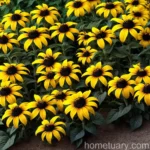
What is “Rudbeckia fulgida ‘American Gold Rush’ (Black-Eyed Susan)”
Rudbeckia fulgida ‘American Gold Rush’, commonly known as Black-Eyed Susan, is a vibrant and stunning perennial plant that is native to North America. This beautiful plant belongs to the Asteraceae family and is renowned for its golden-yellow, daisy-like flowers with dark brown centers. As a plant scientist with a passion for studying and understanding various plant species, I am excited to delve into the world of Rudbeckia fulgida ‘American Gold Rush’.
Key Takeaways – Rudbeckia fulgida ‘American Gold Rush’
As we explore the remarkable features and characteristics of Rudbeckia fulgida ‘American Gold Rush’, it is important to outline some key takeaways about this plant. These key takeaways will provide a holistic perspective on its care, growth requirements, and its role in gardens and landscapes.
Care
- Rudbeckia fulgida ‘American Gold Rush’ requires relatively low maintenance, making it an ideal choice for both novice and experienced gardeners.
- Proper watering, sufficient sunlight, and well-draining soil are essential for the health and vigor of this plant.
- Regular deadheading can promote prolonged blooming and overall plant appearance.
- Pruning should be performed to remove spent blooms and maintain the plant’s shape and size.
Uses
- This plant is commonly used in gardens, landscapes, and naturalistic plantings, adding bursts of color and attracting pollinators.
- It serves as a fantastic cut flower, bringing its bright and cheerful blooms indoors.
Water
- Rudbeckia fulgida ‘American Gold Rush’ has moderate water needs and should be watered deeply but infrequently, allowing the soil to dry between watering sessions.
- During hot and dry periods, additional irrigation may be necessary to support the plant’s growth and blooming.
Sunlight
- Full sunlight is the optimal condition for Rudbeckia fulgida ‘American Gold Rush’, although it can tolerate partial shade.
- Adequate sunlight ensures robust growth, abundant flowering, and vibrant bloom colors.
Fertilizer
- While Rudbeckia fulgida ‘American Gold Rush’ is not particularly demanding when it comes to fertilization, a balanced, all-purpose fertilizer can be applied in early spring to support its growth and blooming.
Soil
- Well-draining, loamy soil with a neutral to slightly acidic pH is ideal for Rudbeckia fulgida ‘American Gold Rush’.
- The plant can thrive in various soil types, including clay, as long as they offer good drainage.
Pruning
- Pruning can help maintain the plant’s shape, prolong its blooming period, and promote overall plant health.
- Deadheading spent blooms and removing damaged or diseased foliage should be incorporated into the plant’s maintenance routine.
Propagation
- Rudbeckia fulgida ‘American Gold Rush’ can be propagated through division and seed sowing, offering opportunities for expanding its presence in the garden or sharing it with fellow gardening enthusiasts.
Container Popularity
- This plant is well-suited for container gardening, adding vibrant color and visual interest to outdoor areas, patios, and balconies.
Container
- When growing Rudbeckia fulgida ‘American Gold Rush’ in containers, choose pots with sufficient drainage holes and ensure regular monitoring of soil moisture levels to support the plant’s growth.
Common Diseases
- Like many plants, Rudbeckia fulgida ‘American Gold Rush’ may be susceptible to certain diseases such as powdery mildew, fungal leaf spot, and root rot.
Disease Diagnosis
- Timely identification and appropriate management of diseases can safeguard the plant’s health and prevent the spread of infections within the garden or landscape.
Common Pests
- While Rudbeckia fulgida ‘American Gold Rush’ is relatively resistant to pests, it may occasionally encounter issues with aphids, spider mites, and caterpillars.
Botanist’s Tips
- Incorporate Rudbeckia fulgida ‘American Gold Rush’ into mixed perennial borders, naturalistic plantings, or meadow gardens to maximize its visual impact and ecological contributions.
- Regular monitoring of the plant’s growth, blooming, and overall health can offer valuable insights into its specific requirements and potential issues.
Fun Facts
- The name “Rudbeckia” is a tribute to the Swedish botanist Olof Rudbeck the Younger, while “fulgida” originates from the Latin word meaning “shining” or “glistening”.
Now that we have outlined the essential aspects of Rudbeckia fulgida ‘American Gold Rush’, let’s delve deeper into each of these elements to gain a comprehensive understanding of this remarkable plant.
Culture
Native Habitat
Rudbeckia fulgida, including the ‘American Gold Rush’ variety, is native to North America, with its natural range spanning from New Jersey to Georgia. It thrives in open woodlands, along stream banks, and in moist meadows. This native habitat provides important insights into the plant’s cultural preferences and specific environmental adaptations.
Landscape Uses
Rudbeckia fulgida ‘American Gold Rush’ is a versatile and valuable addition to landscapes, offering an array of uses and applications. Its vibrant blooms, resilience, and adaptability make it well-suited for the following landscape settings:
Gardens
- The plant can be featured in perennial beds, cottage gardens, and mixed borders, complementing a diverse range of companion plants and adding dynamic bursts of color.
Naturalistic Plantings
- In naturalistic or informal plantings, Rudbeckia fulgida ‘American Gold Rush’ contributes to a more relaxed and unstructured aesthetic, resembling its native habitat.
Meadow Gardens
- The plant’s ability to thrive in open, sunny conditions makes it an excellent candidate for meadow gardens, prairie restorations, and other naturalized landscapes.
Erosion Control
- With its extensive root system and robust growth, Rudbeckia fulgida ‘American Gold Rush’ can be utilized for erosion control purposes, stabilizing soil and preventing erosion in appropriate locations.
Pollinator Gardens
- The plant’s nectar-rich blooms attract a variety of pollinators, including butterflies, bees, and beneficial insects, making it an invaluable addition to pollinator-friendly gardens.
Uses
Aesthetic Appeal
The captivating beauty of Rudbeckia fulgida ‘American Gold Rush’ lies in its striking blooms and graceful foliage. The golden-yellow, daisy-like flowers with dark brown centers create an eye-catching display and bring a cheerful ambiance to any garden or landscape. The plant’s exceptional ornamental value is enhanced by its prolonged blooming period, vibrant coloration, and attractive form.
Cut Flowers
Aside from enhancing outdoor spaces, the cut flowers of Rudbeckia fulgida ‘American Gold Rush’ can be utilized to create stunning floral arrangements, bouquets, and indoor displays. The long, sturdy stems and enduring blooms make it a popular choice for floral enthusiasts and floral designers, providing an excellent source of homegrown cut flowers throughout the blooming season.
Wildlife Habitat
In addition to its visual appeal and usefulness as a cut flower, Rudbeckia fulgida ‘American Gold Rush’ contributes to the creation of wildlife-friendly habitats. As a nectar source for various pollinators and a potential food source for birds and wildlife, this plant fosters ecological diversity and encourages the presence of beneficial organisms in the garden or landscape.
Water
Watering Guidelines
A consistent and appropriate watering regimen is vital to the health and vitality of Rudbeckia fulgida ‘American Gold Rush’. By adhering to the following watering guidelines, gardeners can ensure that the plant receives optimal moisture levels, promoting robust growth and prolific blooming:
-
Establishment Period: During the initial establishment phase after planting, provide regular, moderate watering to support root development and acclimatization to the planting site.
-
Regular Monitoring: Throughout the growing season, monitor soil moisture levels and adjust the frequency of watering based on environmental conditions. The goal is to maintain even moisture without waterlogging the soil.
-
Avoid Overwatering: While sufficient moisture is necessary, overwatering should be avoided to prevent waterlogging, root rot, and other moisture-related issues.
-
Drought Conditions: During periods of sustained heat and drought, increase the frequency and depth of watering to sustain the plant’s vigor and blooming potential.
-
Mulching: Applying a layer of organic mulch around the base of the plant can assist in conserving soil moisture, reducing evaporation, and moderating soil temperatures.
Sunlight
Sunlight Requirements
Rudbeckia fulgida ‘American Gold Rush’ thrives in full sunlight, displaying its best growth and blooming performance when provided with ample exposure to direct sunlight. However, the plant can tolerate partial shade, especially in regions with intense afternoon sun or during exceptionally hot periods. To optimize its growth and blooming potential, it is important to consider the following sunlight-related factors:
-
Full Sun: Ideally, the plant should receive a minimum of 6-8 hours of direct sunlight daily, ensuring robust and compact growth, abundant flowering, and intense bloom colors.
-
Partial Shade: In areas with intense heat or prolonged periods of sunlight, partial shade can shield the plant from excessive heat stress and minimize the risk of sunscald, particularly during the hottest part of the day.
-
Seasonal Adjustments: As the angle and intensity of sunlight change with the seasons, monitor the plant’s exposure to ensure that it receives adequate sunlight throughout the year, especially during the blooming season.
-
Shade Considerations: When selecting planting locations, consider the potential for shade from nearby structures, trees, or taller plants, ensuring that Rudbeckia fulgida ‘American Gold Rush’ receives sufficient sunlight for optimal growth and blooming.
Fertilizer
Fertilizing Rudbeckia fulgida ‘American Gold Rush’
While Rudbeckia fulgida ‘American Gold Rush’ is known for its resilience and adaptability, a balanced approach to fertilization can enhance its overall vigor, blooming, and longevity. By understanding the plant’s nutritional requirements and the principles of responsible fertilization, gardeners can promote the plant’s health and flowering potential.
Fertilizer Selection
-
All-Purpose Fertilizer: A balanced, all-purpose fertilizer with an equal N-P-K (nitrogen, phosphorus, potassium) ratio can be applied in early spring as new growth emerges, providing essential nutrients to support the plant’s initial growth spurt and the development of flower buds.
-
Granular vs. Liquid Fertilizers: Consider the efficacy and convenience of granular vs. liquid fertilizers, opting for a formulation that aligns with the overall maintenance routine and preferences of the gardener.
Application Guidelines
-
Early Spring Feeding: Apply the selected fertilizer in early spring, following the manufacturer’s recommended application rates and guidelines. Evenly distribute the fertilizer around the base of the plant, avoiding direct contact with the stems or foliage.
-
Watering After Fertilization: After applying the fertilizer, thoroughly water the soil to facilitate the absorption of nutrients and prevent the risk of fertilizer burn. The aim is to ensure that the nutrients reach the root zone and are readily available to the plant.
-
Additional Applications: Depending on the overall growth and blooming response, a second application of fertilizer may be beneficial in mid to late summer, offering supplemental nutrients to support continued blooming and plant vitality.
Special Considerations
-
Soil Testing: Conducting a soil test can provide insights into the existing nutrient levels, pH, and overall soil health, guiding the selection and application of appropriate fertilizers to address specific deficiencies or imbalances.
-
Organic Alternatives: In organic gardening practices, consider utilizing organic fertilizers, compost, and natural soil amendments to enrich the soil and provide a sustainable source of nutrients for Rudbeckia fulgida ‘American Gold Rush’.
Soil
Best Soil for Rudbeckia fulgida ‘American Gold Rush’
The selection of suitable soil is pivotal in creating a conducive growing environment for Rudbeckia fulgida ‘American Gold Rush’, supporting its root development, nutrient uptake, and overall health. By understanding the plant’s soil preferences and making informed decisions about soil amendments and preparations, gardeners can optimize the plant’s performance and longevity.
Soil Characteristics
-
Well-Draining: The ideal soil for Rudbeckia fulgida ‘American Gold Rush’ is well-draining, preventing waterlogging and root suffocation. Ample aeration and drainage are crucial for the root system’s health and disease prevention.
-
Loamy Texture: A loamy soil with a balanced mixture of sand, silt, and clay particles provides an optimal growing medium for the plant, offering good water retention while allowing excess moisture to drain freely.
-
Neutral to Slightly Acidic pH: Rudbeckia fulgida ‘American Gold Rush’ thrives in soil with a neutral to slightly acidic pH range (6.0-7.0), enabling efficient nutrient uptake and root function.
-
Soil Structure: The soil should have a well-developed structure, crumbly texture, and sufficient organic matter content, promoting healthy microbial activity and root exploration.
Soil Preparation
-
Amendments: Incorporate organic matter such as compost, well-rotted manure, or leaf mold into the soil to improve its structure, fertility, and moisture retention capabilities.
-
Raised Beds: In areas with poor drainage or compacted soil, consider creating raised beds or elevated planting mounds to provide the plant with a more favorable growing environment.
-
Soil Testing: Prior to planting, conduct a soil test to assess the soil’s pH, nutrient levels, and overall suitability for growing Rudbeckia fulgida ‘American Gold Rush’, addressing any deficiencies or imbalances as needed.
Pruning
Pruning Rudbeckia fulgida ‘American Gold Rush’
Pruning plays a pivotal role in maintaining the health, appearance, and blooming performance of Rudbeckia fulgida ‘American Gold Rush’, allowing gardeners to manage the plant’s vigor, support its longevity, and enhance its aesthetic appeal. By incorporating proper pruning techniques into the plant’s care regimen, the gardener can promote a tidy, robust, and productive growth habit.
Timing
-
Spring Maintenance: In early spring, as new growth emerges, conduct a review of the plant’s overall condition, assessing the need for pruning, deadheading, and any remedial measures.
-
Post-Blooming Care: After the initial blooming period, conduct a comprehensive assessment of the plant, addressing spent blooms, diseased foliage, and any irregular growth patterns resulting from the blooming process.
-
Periodic Assessments: Throughout the growing season, periodically monitor the plant’s growth, blooming, and foliage, considering the need for selective pruning based on its performance and overall health.
Techniques
-
Deadheading: Regular removal of spent blooms and withered flowers not only enhances the plant’s appearance but also promotes the development of new buds and extends the blooming period.
-
Diseased Foliage Removal: Promptly remove any diseased, damaged, or discolored foliage to prevent the spread of diseases and maintain the plant’s vigor.
-
Thinning and Shaping: When necessary, conduct selective thinning and shaping of the plant, eliminating overcrowded or crossing stems to improve air circulation and sunlight penetration.
-
Height Management: Consider managing the plant’s height by selectively pruning the stems, promoting a more compact and bushy growth habit.
Pruning Tool Care
-
Clean and Sharp Tools: Ensure that pruning tools, such as hand pruners or shears, are kept clean, sanitized, and sharpened to facilitate precise and effective cuts, minimizing the risk of injuries and disease transmission.
-
Tool Maintenance: Regularly inspect pruning tools for damage, rust, or wear, addressing any issues to maintain their functionality and ease of use.
Post-Pruning Care
-
Hydration: After completing the pruning process, provide the plant with sufficient water to support its recovery and prompt regrowth. Maintaining adequate soil moisture levels is essential following pruning activities.
-
Nutritional Support: If necessary, consider supplementing the plant with a balanced, all-purpose fertilizer to provide the nutrients needed for continued growth and blooming.
-
Monitoring: Monitor the plant’s response to the pruning activities, observing the regrowth, bloom development, and overall resilience following the maintenance procedures.
Propagation
How to Propagate Rudbeckia fulgida ‘American Gold Rush’
Propagation offers an exciting opportunity to expand the presence of Rudbeckia fulgida ‘American Gold Rush’ within the garden, share the plant with fellow enthusiasts, or strengthen its genetic diversity. By exploring the propagation methods that are well-suited for this plant, gardeners can embark on a rewarding journey of creating new plantings and preserving the unique characteristics of this beloved species.
Division
-
Spring Division: In early spring or fall, consider dividing mature clumps of Rudbeckia fulgida ‘American Gold Rush’ to create new plantings or rejuvenate existing ones. This method not only aids in the propagation of the plant but also promotes its overall health and vigor.
-
Preparation: Select robust, healthy clumps of the plant, ensuring that each division contains sufficient roots, shoots, and growth points to support its establishment as a new plant.
-
Division Process: Carefully dig up the selected clumps, gently separating them into smaller sections using a sharp, clean tool. Each division should have its own set of roots and a portion of the crown to ensure successful establishment.
-
Planting: Replant the divisions in prepared, well-draining soil, providing adequate moisture and protection from direct sunlight as they acclimate to their new growing environment.
Seed Sowing
-
Seeding Time: In late summer or early fall, collect mature seeds from the plant, utilizing the natural seed dispersal process to harvest viable seeds for propagation.
-
Seed Preparation: Clean and dry the harvested seeds, removing any extraneous debris or damaged seeds to ensure the quality of the seed stock.
-
Sowing Procedure: Sow the prepared seeds in well-prepared seed-starting mix or directly in the garden soil, covering them lightly and maintaining consistent moisture levels during the germination process.
-
Transplanting Seedlings: Once the seedlings have developed and established sufficient growth, consider transplanting them to their permanent locations, ensuring appropriate spacing and growing conditions for each plant.
Care and Monitoring
-
Supporting Establishment: Provide the propagated divisions or seedlings with the necessary care, including proper watering, protection from extreme weather, and occasional monitoring for pests or diseases.
-
Long-Term Maintenance: Incorporate the propagated plants into the regular garden or landscape maintenance routine, ensuring that they receive equal attention and care as the established specimens.
Container Popularity
Container Gardening with Rudbeckia fulgida ‘American Gold Rush’
The versatility and visual impact of Rudbeckia fulgida ‘American Gold Rush’ make it an excellent candidate for container gardening, allowing gardeners to introduce its vibrant blooms and graceful foliage to various outdoor spaces, patios, and balconies.
Container Selection
-
Size and Depth: Choose containers that are large enough to accommodate the mature size of Rudbeckia fulgida ‘American Gold Rush’ and provide ample space for root development. A depth of at least 12 inches is advisable to support the plant’s root system.
-
Drainage: Prioritize containers with adequate drainage holes to prevent waterlogging and ensure proper aeration of the root zone. Consider adding additional drainage material at the base of the container to enhance drainage capabilities.
–