Tropaeolum Minus ‘Tip Top Alaska Salmon’ (Nasturtium)
Plants are an essential part of our ecosystem, offering beauty, sustenance, and numerous ecological benefits. One such plant that has garnered significant.
Introduction
Plants are an essential part of our ecosystem, offering beauty, sustenance, and numerous ecological benefits. One such plant that has garnered significant attention is the Tropaeolum minus ‘Tip Top Alaska Salmon’ or commonly known as Nasturtium. This vibrant and versatile plant has become a favorite among gardeners and plant enthusiasts due to its striking appearance and various uses. In this comprehensive guide, we will delve into the various aspects of nurturing and caring for Tropaeolum minus ‘Tip Top Alaska Salmon’, including its culture, uses, growth requirements, maintenance, common diseases, and much more. Whether you are a seasoned gardener or a beginner, this guide will provide you with all the information you need to cultivate and enjoy the beauty of Nasturtium ‘Tip Top Alaska Salmon’ in your own garden.
Plant Name: Tropaeolum minus ‘Tip Top Alaska Salmon’ (Nasturtium)
What is Tropaeolum Minus ‘Tip Top Alaska Salmon’ (Nasturtium)?
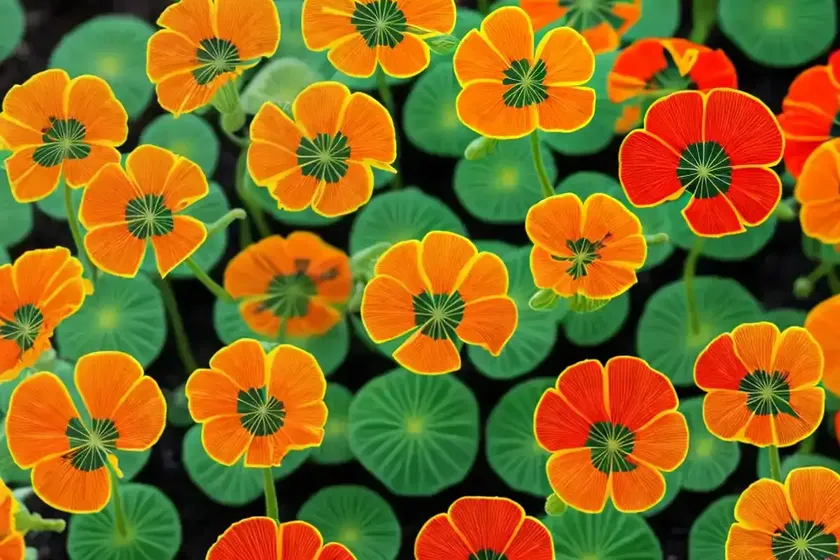
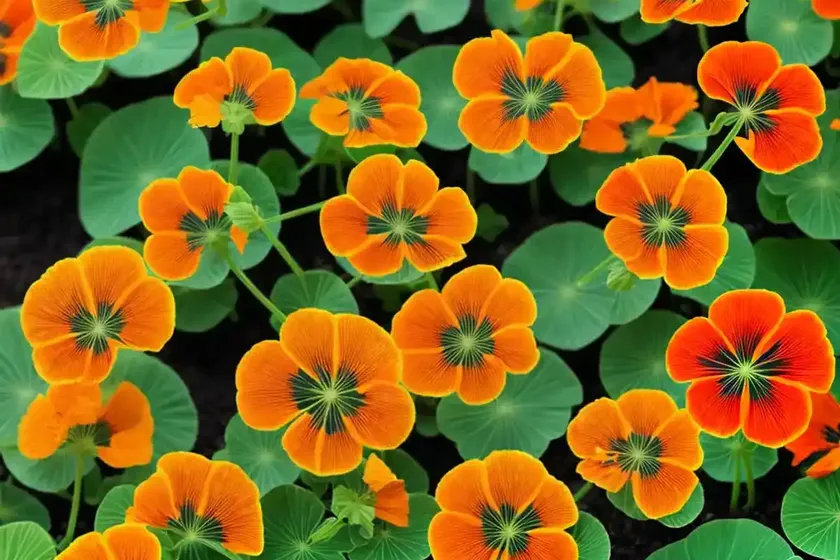
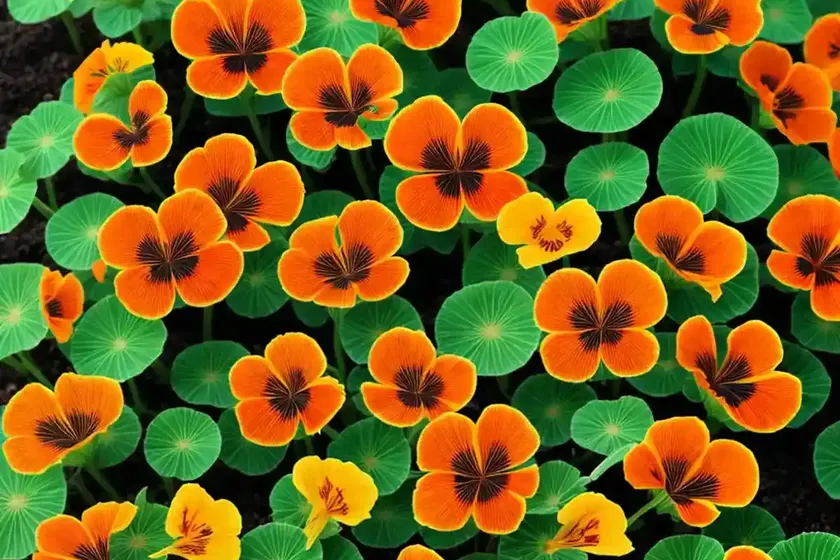
Tropaeolum minus ‘Tip Top Alaska Salmon’ is a delightful flowering plant with vibrant salmon-colored blooms that add a pop of color to any garden. Belonging to the Tropaeolaceae family, this variety of Nasturtium is known for its trailing habit and edible, peppery-flavored flowers and leaves.
Key Takeaways – Tropaeolum Minus ‘Tip Top Alaska Salmon’ (Nasturtium)
This section will provide an overview of the key points that will be covered in this guide and will serve as a quick reference for readers.
- Culture of Tropaeolum Minus ‘Tip Top Alaska Salmon’
- Uses of Tropaeolum Minus ‘Tip Top Alaska Salmon’
- Watering Requirements
- Sunlight Preferences
- Fertilization Tips
- Soil Preferences
- Pruning Techniques
- Propagation Methods
- Growing Nasturtium ‘Tip Top Alaska Salmon’ in Containers
- Popularity and Common Diseases
- Common Pests and Disease Diagnosis
- Botanist’s Tips
- Fun Facts
- Links to External Resources
Now, let’s dive into each of these aspects to gain a comprehensive understanding of successfully growing and caring for Tropaeolum Minus ‘Tip Top Alaska Salmon’.
Culture
The culture of Tropaeolum Minus ‘Tip Top Alaska Salmon’ encompasses a range of factors, from its growth habits to its uses in various settings.
Growth Habit and Size
- Tropaeolum Minus ‘Tip Top Alaska Salmon’ is a trailing plant, making it an ideal choice for hanging baskets, containers, and garden borders.
- The mature plant size can vary, with trailing stems extending up to 12 inches or more.
Uses
Tropaeolum Minus ‘Tip Top Alaska Salmon’ boasts several uses that make it a valuable addition to any garden or landscape.
- Ornamental Purposes: The vibrant salmon-colored blooms add a touch of elegance to flower beds, container gardens, and hanging baskets.
- Culinary Uses: The edible flowers and leaves of Nasturtium ‘Tip Top Alaska Salmon’ can be used to enhance salads, sandwiches, and other culinary creations.
- Pollinator Magnet: The nectar-rich flowers attract bees, butterflies, and other beneficial pollinators, making it a valuable addition to pollinator-friendly gardens.
Water
Proper watering is crucial for the health and vigor of Tropaeolum Minus ‘Tip Top Alaska Salmon’. Understanding its water requirements is essential for its overall well-being.
Watering Frequency
- Nasturtium ‘Tip Top Alaska Salmon’ prefers moderately moist soil, and regular watering is essential, especially during periods of dry or hot weather.
- However, it is important to avoid overwatering, as excessive moisture can lead to root rot and other issues.
Watering Method
- When watering Tropaeolum Minus ‘Tip Top Alaska Salmon’, aim to water the soil directly, avoiding wetting the foliage to help prevent fungal diseases.
- Consider using a soaker hose or drip irrigation system for efficient and targeted watering.
Sunlight
Proper exposure to sunlight is vital for the growth and blooming of Tropaeolum Minus ‘Tip Top Alaska Salmon’.
Sunlight Requirements
- Nasturtium ‘Tip Top Alaska Salmon’ thrives in full sun to partial shade, making it a versatile plant for various garden settings.
- When grown in full sun, it tends to produce more abundant blooms, while partial shade can help protect it from intense afternoon sun in hotter climates.
Indoor vs. Outdoor Sunlight
- When growing Tropaeolum Minus ‘Tip Top Alaska Salmon’ indoors, ensure that it receives ample sunlight near a south-facing window or under grow lights to promote healthy growth and flowering.
Fertilizer
Providing the right nutrients through fertilization is essential for promoting lush foliage and prolific blooms in Tropaeolum Minus ‘Tip Top Alaska Salmon’.
Fertilization Schedule
- Use a balanced, all-purpose fertilizer or a fertilizer with a higher ratio of phosphorus to promote flowering and overall plant health.
- Apply fertilizer to Nasturtium ‘Tip Top Alaska Salmon’ every 4-6 weeks during the growing season, following the manufacturer’s recommendations for dilution and application rates.
Organic Fertilization
- Consider using organic fertilizers, such as compost tea or fish emulsion, to provide a gentle and sustainable source of nutrients for Tropaeolum Minus ‘Tip Top Alaska Salmon’.
Soil
Choosing the right soil and ensuring proper soil conditions is crucial for the success of Nasturtium ‘Tip Top Alaska Salmon’.
Soil Type
- Tropaeolum Minus ‘Tip Top Alaska Salmon’ thrives in well-draining, loamy soil that is rich in organic matter.
- The soil should be slightly acidic to neutral, with a pH range of 6.0 to 7.0, to support optimal nutrient uptake and overall plant health.
Soil Moisture
- While Nasturtium ‘Tip Top Alaska Salmon’ prefers moderately moist soil, it is essential to avoid waterlogged or compacted soil, as it can lead to root rot and other issues.
Pruning
Proper pruning and deadheading can help maintain the health and aesthetics of Tropaeolum Minus ‘Tip Top Alaska Salmon’.
Deadheading
- Regular deadheading of spent flowers can encourage continuous blooming and prevent the plant from investing energy into seed production.
- Simply pinch or snip off faded flowers to promote the emergence of new blooms.
Pruning for Shape
- Tropaeolum Minus ‘Tip Top Alaska Salmon’ can benefit from light pruning to maintain a tidy and compact appearance, especially in containers or hanging baskets.
- Use clean and sharp pruning shears to trim back any leggy or overgrown stems, promoting a bushier growth habit.
Propagation
Propagation methods allow for the expansion of your Nasturtium ‘Tip Top Alaska Salmon’ collection and the sharing of its beauty with others.
Seed Propagation
- Nasturtium ‘Tip Top Alaska Salmon’ can be easily propagated from seeds, which can be sown directly in the garden or in containers after the last frost date.
- To promote germination, consider scarifying the seeds or soaking them in warm water for a few hours before planting.
Division
- While Nasturtium ‘Tip Top Alaska Salmon’ is primarily grown from seeds, established plants can be divided in early spring to create new starts and rejuvenate older plantings.
Container Popularity
As a versatile plant with a trailing growth habit, Tropaeolum Minus ‘Tip Top Alaska Salmon’ is a popular choice for container gardening.
Hanging Baskets
- The trailing nature of Nasturtium ‘Tip Top Alaska Salmon’ makes it an excellent candidate for hanging baskets, where the vibrant blooms can cascade gracefully, adding visual interest and color to any space.
Container Gardens
- Whether grown in individual containers or as part of a mixed container garden, the vibrant blooms of Tropaeolum Minus ‘Tip Top Alaska Salmon’ can brighten up patios, balconies, and other outdoor living areas.
Common Diseases
Despite its overall resilience, Nasturtium ‘Tip Top Alaska Salmon’ is susceptible to certain diseases that can impact its health and appearance.
Disease Prevention
- Proper cultural practices, including providing adequate air circulation, promoting soil drainage, and avoiding overhead watering, can help prevent common diseases such as powdery mildew and leaf spot.
- Removing and disposing of any infected plant material and maintaining overall plant health through proper watering and fertilization can contribute to disease prevention.
Disease Diagnosis
- Keep a close eye on the foliage and overall appearance of Tropaeolum Minus ‘Tip Top Alaska Salmon’ to identify any signs of disease early on, allowing for prompt intervention and treatment.
Common Pests
While generally resistant to pest infestations, Nasturtium ‘Tip Top Alaska Salmon’ can occasionally attract certain pests that may require management.
Pest Control Methods
- Keep an eye out for aphids, caterpillars, and slugs, which are among the common pests that may target Tropaeolum Minus ‘Tip Top Alaska Salmon’.
- Utilize natural pest control methods, such as handpicking pests, applying insecticidal soap, or implementing physical barriers, to manage pest populations without compromising the health of the plant.
Botanist’s Tips
To round off our comprehensive care guide, let’s explore some expert tips for growing and caring for Tropaeolum Minus ‘Tip Top Alaska Salmon’.
- Companion Planting: Pair Nasturtium ‘Tip Top Alaska Salmon’ with companion plants such as marigolds, tomatoes, and herbs to help repel pests and attract beneficial insects to the garden.
- Edible Flowers: Explore creative culinary uses for the edible flowers and leaves of Nasturtium ‘Tip Top Alaska Salmon’, adding a zesty and colorful touch to salads, appetizers, and desserts.
- Overwintering: In regions with mild winters, Nasturtium ‘Tip Top Alaska Salmon’ may overwinter and continue to thrive, providing year-round beauty and interest in the garden.
Fun Facts
Let’s conclude our guide with some fascinating and fun facts about Tropaeolum Minus ‘Tip Top Alaska Salmon’.
- Historical Significance: Nasturtiums, including the ‘Tip Top Alaska Salmon’ variety, have a rich history and have been cultivated for centuries due to their ornamental and culinary value.
- Medicinal Uses: While primarily known for their culinary and ornamental uses, Nasturtiums have also been used in traditional herbal medicine for their antibacterial and anti-inflammatory properties.
- Pollinator-friendly: The nectar-rich flowers of Nasturtium ‘Tip Top Alaska Salmon’ serve as a valuable food source for pollinators, supporting biodiversity in the garden ecosystem.
Links to External Resources
For further information and resources on growing and caring for Tropaeolum Minus ‘Tip Top Alaska Salmon’ (Nasturtium), consider exploring the following links:
- Royal Horticultural Society – Growing Nasturtiums
- University of Florida IFAS Extension – Nasturtium Production Guide
- Missouri Botanical Garden – Tropaeolum Minus ‘Tip Top Alaska Salmon’
Closing Thoughts
In conclusion, the Tropaeolum Minus ‘Tip Top Alaska Salmon’ (Nasturtium) is a fascinating and versatile plant that offers both ornamental beauty and culinary delights. By understanding its culture, growth requirements, maintenance practices, and potential challenges, you can cultivate and enjoy the vibrant blooms and edible treasures of Nasturtium ‘Tip Top Alaska Salmon’ in your own garden. Whether adorning a hanging basket, brightening up a flower bed, or adding a zesty twist to your favorite dish, this delightful plant has much to offer and is a valuable addition to any garden landscape. With the knowledge and insights provided in this comprehensive care guide, you are well-equipped to embark on a rewarding journey of growing and nurturing Tropaeolum Minus ‘Tip Top Alaska Salmon’ with confidence and success.


