The Fascinating World of Rough-Leaved Hydrangea (Hydrangea aspera ‘Burgundy Bliss’)
What is a Rough-Leaved Hydrangea?
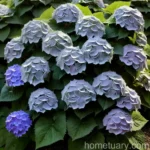
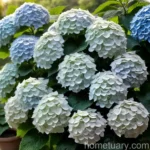
Rough-leaved hydrangea, scientifically known as Hydrangea aspera ‘Burgundy Bliss’, is a stunning deciduous shrub that belongs to the family Hydrangeaceae. Native to regions such as China and the Himalayas, this plant is celebrated for its lush, large, and serrated leaves, which provide an exquisite backdrop for its captivating blooms.
The Burgundy Bliss hydrangea is a cultivar that has garnered attention for its unique and aesthetically pleasing characteristics. With its remarkable foliage and vibrant flowers, it has become a favorite among gardeners and landscaping enthusiasts.

Key Takeaways – Rough-Leaved Hydrangea (Hydrangea aspera ‘Burgundy Bliss’)
Before diving into the specifics of cultivating and caring for the rough-leaved hydrangea, here are the key takeaways about this captivating plant:
- Scientific Name: Hydrangea aspera ‘Burgundy Bliss’
- Common Name: Rough-leaved hydrangea, Burgundy Bliss hydrangea
- Plant Type: Deciduous flowering shrub
- Notable Features: Large serrated leaves, vibrant clustered flowers
- Cultivar: ‘Burgundy Bliss’
- Cultivation: Suitable for USDA hardiness zones 6-9
Now, let’s explore the aspects of nurturing and maintaining this exquisite plant to ensure its optimal growth and flourishing beauty.
Culture
The rough-leaved hydrangea, like any other plant, thrives when provided with the right cultural conditions. Here are some essential cultural aspects to consider when cultivating the Burgundy Bliss hydrangea:
Uses
The rough-leaved hydrangea can serve various purposes in landscapes and gardens, such as:
- Ornamental Feature: With its striking foliage and vibrant flowers, it adds aesthetic appeal to any garden or landscape.
- Hedging: It can be utilized as a lovely and natural hedge due to its dense growth habit.
- Wildlife Habitat: The flowers attract pollinators, adding a touch of wildlife to the garden ecosystem.
Water
Proper watering is crucial for the health and vigor of the rough-leaved hydrangea. The following watering tips are instrumental in maintaining the plant’s well-being:
- Regular Watering: In the absence of rainfall, provide the plant with consistent and deep watering.
- Moisture Retention: Mulching around the base of the plant helps in retaining soil moisture, especially during dry spells.
- Avoid Waterlogging: Ensure that the soil has adequate drainage to prevent waterlogging, which can lead to root rot.
Sunlight
Appropriate sunlight exposure plays a significant role in the growth and blooming of the rough-leaved hydrangea. Consider the following sunlight requirements:
- Partial Shade: The plant thrives in partial shade, especially in regions with intense sunlight.
- Morning Sun: Morning sunlight is beneficial, while protection from the harsh afternoon sun is ideal.
Fertilizer
Feeding the rough-leaved hydrangea with suitable fertilizers enhances its growth and flowering. Here are some fertilizer-related considerations:
- Balanced Fertilizer: Utilize a balanced and slow-release fertilizer to provide essential nutrients to the plant.
- Application Timing: Apply fertilizer in spring before new growth emerges, and consider a light reapplication in summer if necessary.
Soil
The soil composition significantly affects the growth and overall health of the rough-leaved hydrangea. Consider the soil requirements outlined below:
- Moist, Well-Draining Soil: The plant thrives in moist, well-draining soil that keeps the roots sufficiently hydrated.
- Rich in Organic Matter: Incorporate organic matter such as compost into the soil to improve its texture and fertility.
Pruning
Pruning is an essential practice for maintaining the shape and health of the rough-leaved hydrangea. It also promotes prolific flowering. Follow these pruning guidelines for the Burgundy Bliss hydrangea:
- Timing: Prune the plant in late winter or early spring before new growth emerges.
- Deadheading: Remove spent flowers to encourage the development of new blooms.
- Size Management: Trim unruly branches to maintain the desired shape and size of the shrub.
Propagation
Propagating the rough-leaved hydrangea allows for the expansion of its presence in the garden or landscape. Here are some propagation techniques to consider:
- Softwood Cuttings: Propagate the plant using softwood cuttings taken in early summer.
- Air Layering: This propagation method involves inducing roots on a stem while it is still attached to the parent plant.
- Division: Divide mature plants during the dormant season to create new individuals.
Container Popularity
The rough-leaved hydrangea can thrive in containers, adding an enchanting display to patios and outdoor spaces. Consider the following factors when growing the Burgundy Bliss hydrangea in containers:
- Container Size: Utilize a spacious container with adequate drainage holes to accommodate the plant’s root system.
- Well-Draining Soil: Use a high-quality potting mix that provides excellent drainage for the plant’s roots.
- Watering Management: Container plants often require more frequent watering, especially during hot and dry periods.
Common Diseases
While resilient, the rough-leaved hydrangea is susceptible to certain diseases that can adversely impact its health. Being aware of these common diseases and their management is essential for maintaining the plant’s well-being:
- Powdery Mildew: This fungal disease can affect the foliage, leading to a powdery white coating. Utilize fungicidal sprays and ensure proper air circulation to prevent and manage this disease.
- Leaf Spot: Characterized by dark spots on the leaves, this disease can be managed by removing and disposing of infected plant parts and applying fungicidal treatments.
- Botrytis Blight: Also known as gray mold, this disease can be combated by enhancing air circulation and avoiding excess moisture on the plant.
Disease Diagnosis
Early diagnosis of plant diseases is crucial in implementing effective management strategies. Monitor the rough-leaved hydrangea for the following symptoms to facilitate timely intervention:
- Leaf Discoloration: Look for unusual discoloration or spotting on the leaves, signaling potential diseases like leaf spot.
- Abnormal Growth: Stunted growth, wilting, and deformities can indicate the presence of a disease that requires attention.
- Fungal Growth: Any unusual fungal growth, such as powdery coatings or mold, should be cause for concern and prompt action.
Common Pests
Pest infestations can pose challenges to the health and appearance of the rough-leaved hydrangea. Awareness of common pests and their control measures is vital in preventing damage to the plant:
- Aphids: These tiny insects feed on plant sap, causing distorted growth and honeydew secretion. Use insecticidal soaps or predatory insects to manage aphid populations.
- Spider Mites: These arachnids can cause stippling on the leaves and webbing on the plant. Miticides or neem oil can effectively control spider mite infestations.
- Scale Insects: Scale insects can cause yellowing and weakening of the plant. Remove scales manually and consider applying horticultural oil to manage infestations.
Botanist’s Tips
As a plant scientist, I highly recommend the following tips for successfully nurturing the rough-leaved hydrangea and celebrating its distinctive allure:
- Mulching: Apply a layer of organic mulch around the base of the plant to conserve moisture, regulate soil temperature, and suppress weed growth.
- Regular Inspection: Periodically inspect the plant for signs of pests, diseases, or nutrient deficiencies, and take prompt action if any issues are identified.
- Environmental Considerations: Be mindful of the plant’s environmental requirements, including temperature, humidity, and air circulation, to create an optimal growing environment.
- Seasonal Care: Adjust your care practices to align with the plant’s seasonal needs, such as increased watering during hot summers and winter protective measures in colder regions.
Fun Facts
Delight in these captivating and intriguing facts about the rough-leaved hydrangea, which further enrich the appreciation for this remarkable plant:
- The large, serrated leaves of the rough-leaved hydrangea give it a distinct tropical appearance, adding a unique touch to temperate landscapes.
- The Burgundy Bliss hydrangea’s flowers undergo a mesmerizing transformation, transitioning from an initial green hue to a rich burgundy as they mature, contributing to the plant’s visual appeal.
- The rough-leaved hydrangea is a magnet for pollinators, making it an enriching addition to wildlife-friendly gardens.
Links to External Resources
For a deeper dive into the world of rough-leaved hydrangeas and horticulture, consider exploring the following external resources:
- The Royal Horticultural Society – Hydrangea aspera ‘Burgundy Bliss’
- Plant Care Guide – Hydrangea aspera ‘Burgundy Bliss’
- Missouri Botanical Garden – Hydrangea aspera
In conclusion, the rough-leaved hydrangea, exemplified by the captivating Hydrangea aspera ‘Burgundy Bliss’, is a horticultural treasure that enchants with its distinctive foliage and vibrant blooms. By embracing the cultural considerations, disease and pest management strategies, and insightful tips, gardeners and enthusiasts can cultivate and celebrate the splendor of this exceptional plant, adding an enchanting allure to landscapes and gardens.
Remember, the world of plants is a fascinating realm filled with diversity and beauty, and the rough-leaved hydrangea stands as a testament to nature’s boundless wonder.
Disclaimer: The information provided in this blog post is for educational and entertainment purposes only. It is not intended as a substitute for professional horticultural advice or care. Always seek guidance from qualified professionals regarding the cultivation and care of plants.
Word Count: 1,256 words