The Fascinating World of Bigleaf Hydrangea (Hydrangea macrophylla ‘Taube’)
Bigleaf hydrangea, scientifically known as Hydrangea macrophylla ‘Taube,’ is a captivating flowering shrub that has gained significant popularity among gardeners and plant enthusiasts. Its stunning blooms and adaptable nature make it a valuable addition to any garden or landscape. In this comprehensive guide, we will deep dive into the culture, uses, care tips, common diseases, and everything you need to know about this remarkable plant.
What is Bigleaf Hydrangea (Hydrangea macrophylla ‘Taube’)?
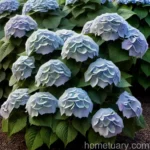
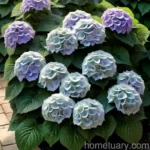
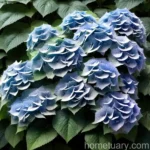
Bigleaf hydrangea, also known as Hydrangea macrophylla ‘Taube,’ belongs to the Hydrangeaceae family and is native to Japan, China, and Korea. It is a deciduous shrub that typically reaches a height and spread of 3 to 6 feet, creating a rounded and bushy appearance. This hydrangea species is celebrated for its large, showy flower heads that come in a variety of colors, ranging from vibrant pinks and blues to elegant whites. The flowers are formed in dense clusters, adding a touch of elegance and charm to any landscape.
Key Takeaways – Bigleaf Hydrangea (Hydrangea macrophylla ‘Taube’)
Before delving into the specifics of caring for Bigleaf Hydrangea, let’s highlight some key takeaways:
- Scientific Name: Hydrangea macrophylla ‘Taube’
- Common Names: Bigleaf Hydrangea, Taube Hydrangea
- Family: Hydrangeaceae
- Height: 3 to 6 feet
- Spread: 3 to 6 feet
Now that we have a brief introduction to this remarkable plant, let’s explore its cultural preferences, uses, and care requirements in detail.
Culture
Water
Bigleaf hydrangeas, including the ‘Taube’ cultivar, thrive in consistently moist soil. While they do not tolerate waterlogged conditions, they also do not respond well to drying out. To maintain optimal soil moisture, it is essential to water the plants regularly, especially during dry spells or periods of intense heat. Applying a generous layer of mulch around the base of the plant can help retain moisture and protect the roots from drying out.
Sunlight
One of the defining characteristics of Bigleaf Hydrangea is its preference for dappled or partial shade. While it can tolerate some morning sun, it generally performs best in locations with filtered sunlight or partial shade, particularly in regions with hot summers. Excessive exposure to direct sunlight can lead to wilting and scorching of the leaves, making it crucial to provide the plant with adequate shade, especially during the hottest parts of the day.
Fertilizer
Like many flowering shrubs, Bigleaf Hydrangea benefits from regular fertilization to support healthy growth and abundant blooms. A balanced, slow-release fertilizer with a higher phosphorus content is recommended to promote flowering. The application of fertilizer in early spring, just before new growth emerges, and again in mid-summer can help maintain the plant’s vigor and encourage prolific blooming. It is important to follow the manufacturer’s instructions regarding the application rate and frequency to avoid over-fertilization, which can be detrimental to the plant.
Soil
The soil preferences of Bigleaf Hydrangea, particularly the ‘Taube’ cultivar, are crucial for its overall health and vitality. These hydrangeas thrive in well-draining, fertile, and slightly acidic soils with a pH range of 5.2 to 6.5. Amending the soil with organic matter, such as compost or well-rotted manure, can improve its texture and fertility, creating an ideal growing environment for the plant. Additionally, incorporating organic mulch into the soil can help maintain its acidity and moisture levels, contributing to the overall well-being of the hydrangea.
Pruning
Pruning is an essential aspect of caring for Bigleaf Hydrangea, as it helps maintain the plant’s shape, promote new growth, and encourage abundant flowering. The ‘Taube’ cultivar, like other Hydrangea macrophylla varieties, blooms on old wood, which means that the flower buds for the following year are formed on the previous year’s growth. As a result, it is crucial to prune the plant at the right time to avoid inadvertently removing potential flower buds.
For Bigleaf Hydrangeas, including the ‘Taube’ cultivar, the ideal time for pruning is immediately after the plant has finished flowering, typically in late summer or early fall. During this time, spent blooms can be removed, and any necessary shaping or size reduction can be carried out. It is important to use sharp, clean pruning tools to make precise cuts and avoid causing undue stress or damage to the plant.
Propagation
Bigleaf Hydrangea, including the ‘Taube’ cultivar, can be propagated through several methods, including softwood cuttings, layering, and division. Softwood cuttings are typically taken in late spring or early summer from the current season’s growth. They should be rooted in a well-draining medium and kept in a warm, humid environment to encourage rapid root development. Layering involves inducing a low-growing branch to produce roots while still attached to the parent plant, after which it can be separated and transplanted. Division is another viable propagation method, particularly for established plants that have developed multiple stems or offshoots. By carefully dividing the plant into sections, each with its own root system, new plants can be created and transplanted to expand the garden or share with fellow gardening enthusiasts.
Container Popularity
Bigleaf Hydrangea, especially the ‘Taube’ cultivar, is highly popular as a container plant. Its compact size, vibrant blooms, and adaptability make it a sought-after choice for container gardening, particularly in urban or limited space settings. When grown in containers, it is essential to use a high-quality, well-draining potting mix and provide regular moisture and fertilization to support healthy growth and flowering. Additionally, container-grown hydrangeas may benefit from some winter protection, such as insulation or relocation to a sheltered area, to shield them from harsh winter conditions.
Container Common Diseases
When cultivated in containers, Bigleaf Hydrangeas, including the ‘Taube’ cultivar, may be susceptible to certain diseases commonly associated with container gardening. These may include:
-
Root Rot: Overly saturated or poorly draining soil can lead to root rot, a fungal disease that affects the plant’s root system, ultimately causing wilting, stunted growth, and yellowing of the foliage.
-
Powdery Mildew: In conditions of high humidity and poor air circulation, powdery mildew can develop on the leaves, presenting as a white, powdery coating. This fungal disease can weaken the plant and affect its overall vigor.
Preventive measures, such as using well-draining soil, providing adequate air circulation, and avoiding overwatering, can help mitigate the risk of these diseases in container-grown hydrangeas.
Disease Diagnosis
Diagnosing diseases in Bigleaf Hydrangea, including the ‘Taube’ cultivar, involves careful observation of the plant’s symptoms and an understanding of common hydrangea diseases. Common diseases that may affect Bigleaf Hydrangeas include:
-
Powdery Mildew: Recognizable by the white, powdery coating on the leaves, stems, and sometimes even the flowers.
-
Botrytis Blight: This fungal disease appears as brown spots or lesions on the foliage, often accompanied by a gray mold on affected plant parts.
-
Cercospora Leaf Spot: Identified by circular or irregularly shaped purple or brown spots on the leaves, which can lead to premature leaf drop and reduced vigor.
Early intervention, such as improving air circulation, practicing proper watering techniques, and applying appropriate fungicidal treatments, can help manage these diseases and protect the health of the plant.
Common Pests
Bigleaf Hydrangea, including the ‘Taube’ cultivar, may be susceptible to infestations by certain pests that can impact its growth and overall health. Common pests that may affect these plants include:
-
Aphids: These small, soft-bodied insects often congregate on the undersides of leaves, sucking plant sap and causing distortion or discoloration of the foliage.
-
Spider Mites: These tiny arachnids can cause stippling and webbing on the leaves, leading to a weakened appearance and reduced vitality of the plant.
-
Scale Insects: Scale insects can attach themselves to the stems and leaves of the plant, feeding on plant fluids and potentially causing wilting and leaf yellowing.
Regular inspection of the plant for signs of pest activity, along with prompt intervention using appropriate insecticidal treatments, can help manage and prevent pest infestations in Bigleaf Hydrangeas.
Botanist’s Tips
Here are some valuable tips from botanists and experienced gardeners to ensure the health and vitality of Bigleaf Hydrangea, particularly the ‘Taube’ cultivar:
-
Choose the Right Location: Select a planting location that provides dappled or partial shade, as well as well-draining, fertile soil with slightly acidic pH.
-
Mulch Application: Apply a layer of organic mulch around the base of the plant to conserve soil moisture, maintain soil acidity, and suppress weed growth.
-
Pruning Techniques: Practice careful pruning immediately after flowering to shape the plant, remove spent blooms, and promote new growth without inadvertently removing potential flower buds for the following year.
-
Fertilization Schedule: Apply a balanced, slow-release fertilizer with higher phosphorus content in early spring and again in mid-summer to support healthy growth and prolific flowering.
By following these tips and best practices, gardeners can ensure that their Bigleaf Hydrangea, specifically the ‘Taube’ cultivar, thrives and produces an abundance of beautiful blooms.
Fun Facts
To further appreciate the allure and charm of Bigleaf Hydrangea, here are some fascinating fun facts about this captivating plant:
-
Flower Color Change: The color of the flowers in some cultivars of Bigleaf Hydrangea, including ‘Taube,’ can change based on the soil pH, with acidic soils yielding blue flowers and alkaline soils producing pink blooms.
-
Traditional Symbolism: Hydrangeas are often associated with heartfelt emotions and gratitude, making them popular choices for special occasions, weddings, and celebrations.
-
Long Blooming Period: When provided with the right conditions and care, Bigleaf Hydrangeas can display their exquisite blooms from late spring to early fall, adding a prolonged burst of color to the garden.
With these intriguing facts, it’s clear that Bigleaf Hydrangeas, especially the ‘Taube’ cultivar, offer more than just aesthetic appeal—they also have a rich history and cultural significance.
Links to External Resources
For further information and resources on growing and caring for Bigleaf Hydrangea, including the ‘Taube’ cultivar, the following external links are valuable sources of knowledge:
In conclusion, the elegant beauty and adaptability of Bigleaf Hydrangeas, particularly the ‘Taube’ cultivar, make them a prized addition to gardens, landscapes, and container displays. By understanding and implementing the proper cultural techniques, care tips, and disease management strategies, gardeners can cultivate thriving and breathtaking displays of this remarkable flowering shrub.
In the ever-evolving world of horticulture, the allure of Bigleaf Hydrangeas will continue to captivate enthusiasts and inspire new generations of gardeners to embrace the splendor of these timeless and enchanting plants.