Little Lime Panicle Hydrangea (Hydrangea paniculata ‘Jane’ LITTLE LIME)
Hydrangeas are popular ornamental plants that are cherished for their stunning flowers and versatility in the garden. Among the numerous varieties of hydrangeas, the Little Lime panicle hydrangea (Hydrangea paniculata ‘Jane’ LITTLE LIME) stands out as an exceptional choice for gardeners. In this comprehensive guide, we will explore everything there is to know about this beautiful shrub, from its cultural requirements and uses to its propagation, common diseases, and pest management. Whether you’re a seasoned gardener or a beginner looking to enhance your landscape, this in-depth exploration of the Little Lime panicle hydrangea will provide you with all the knowledge you need.
What is a Plant: Little Lime Panicle Hydrangea?
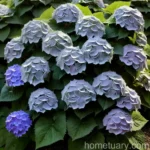
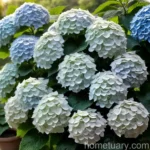
Little Lime panicle hydrangea, scientifically known as Hydrangea paniculata ‘Jane’ LITTLE LIME, is a compact and hardy deciduous shrub that belongs to the Hydrangeaceae family. This particular variety is a petite version of the popular Limelight hydrangea and is prized for its showy blooms and manageable size. The plant features large, cone-shaped flower clusters that start out a refreshing lime-green color in the summer before transitioning to pink and then a rich, deep pink in the fall. Little Lime panicle hydrangea is a versatile plant that can be used in various settings, from formal landscapes to casual cottage gardens, and it thrives in both containers and in-ground plantings.
Key Takeaways – Little Lime Panicle Hydrangea
Before delving deeper into the specifics of the Little Lime panicle hydrangea, let’s take a quick look at the key takeaways that will guide our exploration:
- Culture
- Uses
- Water
- Sunlight
- Fertilizer
- Soil
- Pruning
- Propagation
- Container Popularity
- Container Common Diseases
- Disease diagnosis Common Pests
- Botanist’s Tips
- Fun Facts
- Links to External Resources
Now, let’s explore each of these aspects in detail to gain a comprehensive understanding of the Little Lime panicle hydrangea.
Culture of Little Lime Panicle Hydrangea
Cultivating the Little Lime panicle hydrangea requires an understanding of its specific cultural requirements. Let’s explore the various aspects of its culture.
Uses
The Little Lime panicle hydrangea offers a wide range of uses in the garden and landscape. It can be utilized for:
– Adding color and texture to flower beds and borders
– Creating focal points in the landscape
– Enhancing the aesthetic appeal of container gardens
– Serving as cut flowers for floral arrangements
– Attracting wildlife such as bees and butterflies to the garden
Water
Proper watering is crucial for the health and vitality of the Little Lime panicle hydrangea. Here are some key points to consider regarding its water requirements:
– Established Plants: Once established, Little Lime panicle hydrangeas are moderately drought-tolerant. However, they benefit from regular watering during dry spells, especially in the summer months.
– Newly Planted Specimens: Newly planted Little Lime panicle hydrangeas require consistent watering to help them establish a strong root system. Water deeply after planting and provide supplemental irrigation as needed.
Sunlight
Proper sunlight exposure is essential to ensure the healthy growth and abundant flowering of the Little Lime panicle hydrangea. Here’s what you need to know about its sunlight requirements:
– Full Sun to Partial Shade: Little Lime panicle hydrangeas thrive in full sun to partial shade. In regions with hot summers, providing some afternoon shade can help protect the plant from the intense midday sun.
Fertilizer
Fertilizing the Little Lime panicle hydrangea can promote vigorous growth and prolific flowering. Consider the following when it comes to fertilizing this variety:
– Balanced Fertilizer: Use a balanced slow-release fertilizer formulated for flowering shrubs. Apply the fertilizer in the spring as new growth begins, following the recommended dosage on the product label.
– Avoid Excessive Nitrogen: Refrain from using high-nitrogen fertilizers, as they can encourage excessive foliage growth at the expense of flower production.
Soil
Understanding the soil preferences of the Little Lime panicle hydrangea is essential for creating an optimal growing environment. Consider the following soil requirements:
– Well-Draining Soil: Plant Little Lime panicle hydrangeas in well-draining soil to prevent waterlogging, which can lead to root rot.
– pH Preference: These hydrangeas prefer slightly acidic to neutral soil with a pH range of 6.0 to 7.0. Amending the soil with organic matter can improve its structure and fertility.
Pruning Little Lime Panicle Hydrangea
Pruning is an important aspect of Little Lime panicle hydrangea care, and when done correctly, it can promote healthy growth and abundant flowering. Here’s a comprehensive guide on pruning this variety:
When to Prune
Little Lime panicle hydrangeas bloom on new wood, so they can be pruned in late winter or early spring before new growth emerges. This timing allows the plant to develop new growth and flower buds for the upcoming season.
Pruning Techniques
When pruning Little Lime panicle hydrangeas, it’s important to follow these key techniques:
– Deadheading: Regular deadheading of spent flower clusters can encourage the production of new blooms and keep the plant looking tidy.
– Thinning Out Old Stems: Remove some of the older stems at ground level to promote airflow and maintain a healthy, well-shaped plant.
– Shaping: Consider the desired shape and size of the plant before pruning, and selectively trim the branches to achieve the desired form.
Pruning for Size Control
Little Lime panicle hydrangeas can be pruned to control their size and shape. This is particularly beneficial for maintaining compact growth in smaller gardens or containers.
Propagation of Little Lime Panicle Hydrangea
Propagating Little Lime panicle hydrangeas allows for the expansion of your garden or the sharing of this beautiful plant with friends and family. Here are some common methods for propagating this variety:
Softwood Cuttings
Softwood cuttings are a popular propagation method for Little Lime panicle hydrangeas. Here’s a basic outline for propagating this plant using softwood cuttings:
1. Select a healthy, non-flowering stem and cut a 4- to 6-inch section.
2. Remove the lower leaves, leaving 2 to 3 pairs of leaves at the tip.
3. Dip the cut end in a rooting hormone to promote root development.
4. Plant the cutting in a well-draining rooting medium or a mix of perlite and vermiculite.
5. Keep the medium consistently moist and provide bottom heat to encourage rooting.
Division
Dividing established Little Lime panicle hydrangeas is another effective propagation method. Here’s a brief overview of how to divide this plant:
1. Dig up the mature plant in the spring, making sure to include a generous portion of the root system.
2. Gently tease apart the roots to create individual sections, ensuring that each division has a good balance of stems and roots.
3. Replant the divisions in prepared soil, water them thoroughly, and provide ongoing care as they establish themselves.
Little Lime Panicle Hydrangea in Containers
The Little Lime panicle hydrangea’s compact size and ornamental appeal make it an excellent choice for container gardening. Here are some insights into growing this variety in containers:
Popularity in Containers
The smaller size and manageable growth habit of the Little Lime panicle hydrangea make it well-suited for container plantings. Its elegant appearance and impressive blooms can enhance patios, decks, and other outdoor spaces.
Container Common Diseases
When growing Little Lime panicle hydrangeas in containers, it’s important to be aware of common diseases that can affect the plant, including:
– Root Rot: Overwatering and poor drainage can lead to root rot in container-grown hydrangeas.
– Powdery Mildew: This fungal disease can develop in humid conditions, so proper air circulation is crucial for preventing powdery mildew in containers.
Disease Diagnosis
To ensure the health of Little Lime panicle hydrangeas in containers, it’s important to be able to diagnose and address any potential diseases promptly. Look for symptoms such as wilting, yellowing leaves, or unusual spots, and take appropriate measures to treat the issue.
Common Pests
Container-grown Little Lime panicle hydrangeas may be susceptible to certain pests. Keep an eye out for common pests such as aphids, spider mites, and scale insects, and take proactive steps to control infestations.
Botanist’s Tips for Little Lime Panicle Hydrangea Care
For optimal growth and performance, consider these tips from botanists and horticultural experts when caring for Little Lime panicle hydrangeas:
- Regular Deadheading: Regularly removing spent flowers can encourage continuous blooming and prevent the plant from investing energy in seed production.
- Moisture Monitoring: Keep a close eye on soil moisture levels, especially in container plantings, to prevent overwatering or underwatering.
- Mulching: Apply a layer of organic mulch around Little Lime panicle hydrangeas to conserve soil moisture, suppress weeds, and insulate the root zone.
Fun Facts about Little Lime Panicle Hydrangea
Now, let’s delve into some interesting and lesser-known facts about the Little Lime panicle hydrangea:
- Color Transformation: The flower clusters of Little Lime panicle hydrangeas undergo a captivating transformation, shifting from lime-green to pink to deep pink as the season progresses.
- Wildlife Attraction: Little Lime panicle hydrangeas are known to attract various pollinators, including bees and butterflies, adding a delightful touch of wildlife to the garden.
- Seasonal Interest: In addition to its showy blooms, Little Lime panicle hydrangeas offer beautiful autumn color, making them a standout feature in the fall landscape.
Links to External Resources
To further expand your knowledge of the Little Lime panicle hydrangea and its care, consider exploring the following external resources:
1. Hydrangeas Plus – Little Lime Hydrangea
2. Missouri Botanical Garden – Hydrangea paniculata ‘Jane’
3. The Spruce – How to Grow and Care for Panicle Hydrangea
In conclusion, the Little Lime panicle hydrangea is a delightful addition to any garden, offering captivating blooms, versatility in use, and relatively simple care requirements. By understanding and implementing the key aspects of its culture, propagation, and maintenance, you can enjoy the beauty of this exceptional shrub in your own landscape. Whether planted in the ground or in containers, the Little Lime panicle hydrangea is sure to bring joy and visual appeal to your outdoor spaces.
References:
1. Hydrangeas Plus – Little Lime Hydrangea. Available at: https://www.hydrangeasplus.com/little-lime-hydrangea
2. Missouri Botanical Garden – Hydrangea paniculata ‘Jane’. Available at: https://www.missouribotanicalgarden.org/PlantFinder/PlantFinderDetails.aspx?taxonid=252935
3. The Spruce – How to Grow and Care for Panicle Hydrangea. Available at: https://www.thespruce.com/panicle-hydrangea-2132273