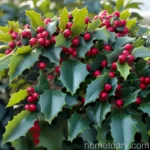
What is Koehne Holly (Ilex x koehneana ‘San Jose’)?
Koehne holly, scientifically known as Ilex x koehneana ‘San Jose’, is a beautiful and versatile evergreen plant that has gained popularity in landscaping due to its attractive foliage and low maintenance requirements. This hybrid plant is a cross between Ilex aquifolium and Ilex latifolia, resulting in a stunning ornamental shrub that is valued for its year-round interest and adaptability to various growing conditions.
Key Takeaways – Koehne Holly (Ilex x koehneana ‘San Jose’)
- Scientific Name: Ilex x koehneana ‘San Jose’
- Common Name: Koehne holly
- Plant Type: Evergreen shrub
- Mature Height: 8-10 feet
- Mature Spread: 6-8 feet
- Hardiness Zone: 6-9
- Sunlight: Full sun to partial shade
- Soil: Well-drained, acidic soil
- Water: Moderate
- Uses: Landscaping, hedges, containers
- Special Features: Glossy green foliage, red berries, wildlife attraction
Now, let’s delve deeper into the various aspects of caring for and cultivating Koehne holly, including its cultural requirements, uses, growth habits, and potential challenges.
Culture
Cultivating Koehne holly requires a combination of proper care and suitable environmental conditions to ensure the plant’s health and vigor. Understanding the specific cultural requirements of this ornamental shrub is essential for its successful growth and development.
Water
Establishment Period:
- During the first year after planting, regular watering is essential to help the plant establish a strong root system.
- Provide sufficient water to keep the soil consistently moist, especially during hot and dry periods.
Mature Plants:
- Once established, Koehne holly is moderately drought-tolerant and can thrive with minimal supplemental watering.
- However, during prolonged periods of drought, it may benefit from occasional deep watering to maintain its vitality and overall appearance.
Watering Considerations:
- Ensure that the soil has good drainage to prevent waterlogged conditions, which can lead to root rot.
- Water deeply and less frequently to encourage deep root growth and drought tolerance.
Sunlight
Optimal Conditions:
- Koehne holly thrives in full sun to partial shade, displaying its best growth and foliage color in a location with adequate sunlight.
- In regions with hot summers, providing some afternoon shade can help protect the plant from excessive heat stress.
Sunlight Considerations:
- Monitor the plant’s response to sunlight and consider adjusting its location based on its specific requirements.
- Avoid planting Koehne holly in areas with prolonged exposure to intense, direct sunlight, especially during the hottest part of the day.
Fertilizer
Nutrient Needs:
- Apply a balanced, slow-release fertilizer formulated for acid-loving plants in early spring before new growth emerges.
- Avoid excessive fertilization, as Koehne holly is relatively low-maintenance and can thrive in nutrient-poor soil conditions.
Fertilizer Application:
- Follow the manufacturer’s instructions regarding the application rate and timing for the specific fertilizer being used.
- Mulching with organic matter can also contribute to the plant’s nutrient requirements and overall soil health.
Soil
Acidic Soil Requirement:
- Koehne holly prefers well-drained, acidic soil with a pH range of 5.0-6.5 for optimal growth and development.
- Amend the soil with organic matter to improve its texture and fertility, especially if it tends to be compacted or lacking in organic content.
Soil Moisture:
- Maintaining moderately moist but well-drained soil is crucial for the plant’s health, especially during its establishment phase.
- Avoid waterlogged conditions and excessively dry soil, as both can negatively impact the plant’s vigor and vitality.
Pruning
Proper pruning is essential for maintaining the desired shape, size, and overall appearance of Koehne holly. Additionally, regular pruning can encourage dense growth, improve air circulation, and promote the development of vibrant new foliage.
Pruning Timing:**
- Prune Koehne holly in late winter to early spring before new growth begins, as this allows the plant to allocate energy to the emerging growth.
- Avoid pruning during the fall, as this can stimulate tender new growth that may be susceptible to cold damage.
Pruning Techniques:
- Use sharp, clean pruning tools to make precise cuts and minimize the risk of damage or disease transmission.
- Remove any dead, damaged, or overcrowded branches to maintain the plant’s overall health and aesthetic appeal.
Shaping and Size Control:
- Trim the plant to the desired shape and size, keeping in mind its natural growth habit and potential spread.
- Consider the plant’s intended purpose and location when determining the extent of pruning required.
Propagation
Methods:
- Koehne holly can be propagated through various methods, including seed germination, stem cuttings, and division of established plants.
- Stem cuttings taken from semi-hardwood or hardwood sections are commonly used for propagating specific cultivars or maintaining desirable characteristics.
Propagation Considerations:
- Select healthy, disease-free plant material for propagation to ensure the success of the process and the vigor of the resulting plants.
- Provide the appropriate environmental conditions, such as adequate humidity and warmth, to support the establishment of newly propagated specimens.
Container Popularity
Koehne holly is well-suited for container cultivation, making it a popular choice for adding greenery and visual interest to outdoor spaces, patios, and landscapes with limited ground space. The plant’s attractive foliage and low maintenance requirements contribute to its appeal as a container specimen.
Container Considerations:
- Choose a spacious container with adequate drainage holes to accommodate the plant’s root system and promote healthy growth.
- Use a well-draining potting mix designed for acid-loving plants and ensure regular watering to prevent the soil from drying out completely.
Common Diseases
Disease Diagnosis
While Koehne holly is relatively resistant to many common plant diseases, it can still be affected by certain fungal, bacterial, or viral infections. Understanding the symptoms of potential diseases and promptly diagnosing any issues can help mitigate their impact on the plant’s health.
Potential Diseases:
- Phytophthora root rot: Causes yellowing, wilting, and eventual decline of the plant; may be accompanied by dark, water-soaked areas on the roots.
- Leaf spot diseases: Manifest as dark spots or lesions on the foliage, potentially leading to premature leaf drop and reduced vigor.
- Powdery mildew: Appears as a white, powdery coating on the leaves, primarily in conditions of high humidity and poor air circulation.
Disease Management
Cultural Practices:
- Ensure proper watering and moisture management to prevent the development of root rot and foliar diseases caused by excessive humidity.
- Space plants appropriately to promote air circulation and reduce the risk of fungal infections, such as powdery mildew.
Chemical Control:
- In severe cases of fungal or bacterial diseases, the application of appropriate fungicides or bactericides may be necessary to manage the spread of the infection.
- Consult with a local extension office or plant healthcare professional for specific recommendations and guidance on disease management.
Common Pests
Koehne holly is generally resistant to many common garden pests, but it can still face infestations from certain insect species. Monitoring the plant for signs of pest activity and promptly addressing any issues can help prevent widespread damage and maintain the plant’s overall health.
Potential Pests:
- Spider mites: These tiny arachnids may cause stippling, discoloration, and webbing on the foliage, particularly in hot and dry conditions.
- Scale insects: Infestations can lead to yellowing, stunted growth, and the presence of sticky honeydew on the leaves and stems.
Pest Management
Natural Predators:
- Encourage the presence of beneficial insects, such as ladybugs and lacewings, which feed on common pests and help control their populations naturally.
Horticultural Oils:
- Apply insecticidal horticultural oils to suffocate and control certain soft-bodied pests, such as spider mites and scales, while minimizing impact on beneficial insects.
Physical Removal:
- Prune and dispose of heavily infested plant parts to reduce pest populations and prevent further spread to healthy areas of the plant.
Botanist’s Tips
As a botanist familiar with Koehne holly and its cultivation, I recommend the following tips to optimize the plant’s growth and overall performance in various landscape settings.
1. Soil Preparation:
- Prior to planting, amend the soil with organic matter to improve its structure, fertility, and drainage, creating an optimal growing environment for Koehne holly.
2. Environmental Monitoring:
- Regularly assess the plant’s response to its growing conditions, including sunlight, water, and soil moisture, and adjust management practices as needed to promote its well-being.
3. Integrated Pest Management:
- Embrace an integrated approach to pest management, incorporating cultural, biological, and chemical control methods as appropriate to minimize pest damage while preserving the environment.
4. Pruning Best Practices:
- Employ proper pruning techniques to maintain the plant’s shape and size, enhancing its aesthetic appeal and promoting healthy, vigorous growth.
5. Wildlife Interaction:
- Appreciate the plant’s role in supporting local wildlife, as Koehne holly’s berries can provide a valuable food source for birds during the winter months.
Fun Facts
- Koehne holly is named after Franz Ludwig Koehne, a prominent German botanist known for his extensive work on horticultural and botanical classifications.
- The berries of Koehne holly are not only visually striking but also provide a food source for various bird species, contributing to the plant’s ecological importance.
- The hybrid nature of Ilex x koehneana ‘San Jose’ reflects the horticultural interest in creating plants with desirable traits, such as enhanced hardiness and ornamental value.
Links to External Resources
For additional information on Koehne holly and related topics, consider exploring the following reputable resources:
- North Carolina State University Extension – Ilex x koehneana ‘San Jose’ Cultivar Information
- The American Holly Society – Growing Holly
- University of Florida IFAS Extension – Selecting Shrubs for Your Home
These resources offer valuable insights into the cultivation, care, and landscape uses of Koehne holly, complementing the information presented in this blog post.
In conclusion, Koehne holly (Ilex x koehneana ‘San Jose’) is a captivating evergreen shrub that can enrich diverse landscapes with its glossy foliage, bright berries, and adaptable nature. By understanding and implementing appropriate cultural practices, addressing potential challenges, and appreciating the plant’s unique attributes, gardeners and horticultural enthusiasts can fully appreciate the charm and resilience of this stunning ornamental specimen.
I hope this comprehensive exploration of Koehne holly has provided you with valuable insights and practical guidance for cultivating and appreciating this remarkable plant in your own gardening endeavors.
Remember to embrace the beauty of nature and the intrinsic value of plants like Koehne holly as they contribute to the richness and diversity of our living environment!