The Incredible Plant: Rosemary Mint (Poliomintha longiflora)
Welcome to the wonderful world of plants, where we’ll explore the incredible Rosemary Mint (Poliomintha longiflora). In this comprehensive guide, we’ll delve into the characteristics, culture, uses, and care tips for this fascinating and beneficial plant. Whether you’re a seasoned gardener or a beginner, this guide will provide you with valuable insights into cultivating and caring for the Rosemary Mint in your home or garden.
What is Rosemary Mint (Poliomintha longiflora)?
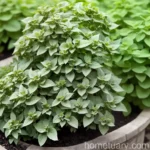
Rosemary Mint (Poliomintha longiflora) is an aromatic evergreen herb with a delightful combination of scents attributed to both rosemary and mint. This delightful herb belongs to the Lamiaceae family and is native to Mexico and the southwestern United States, where it thrives in arid and semi-arid conditions.
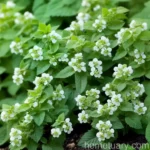
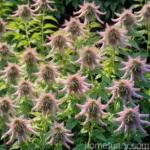
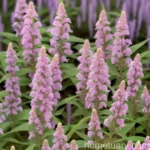
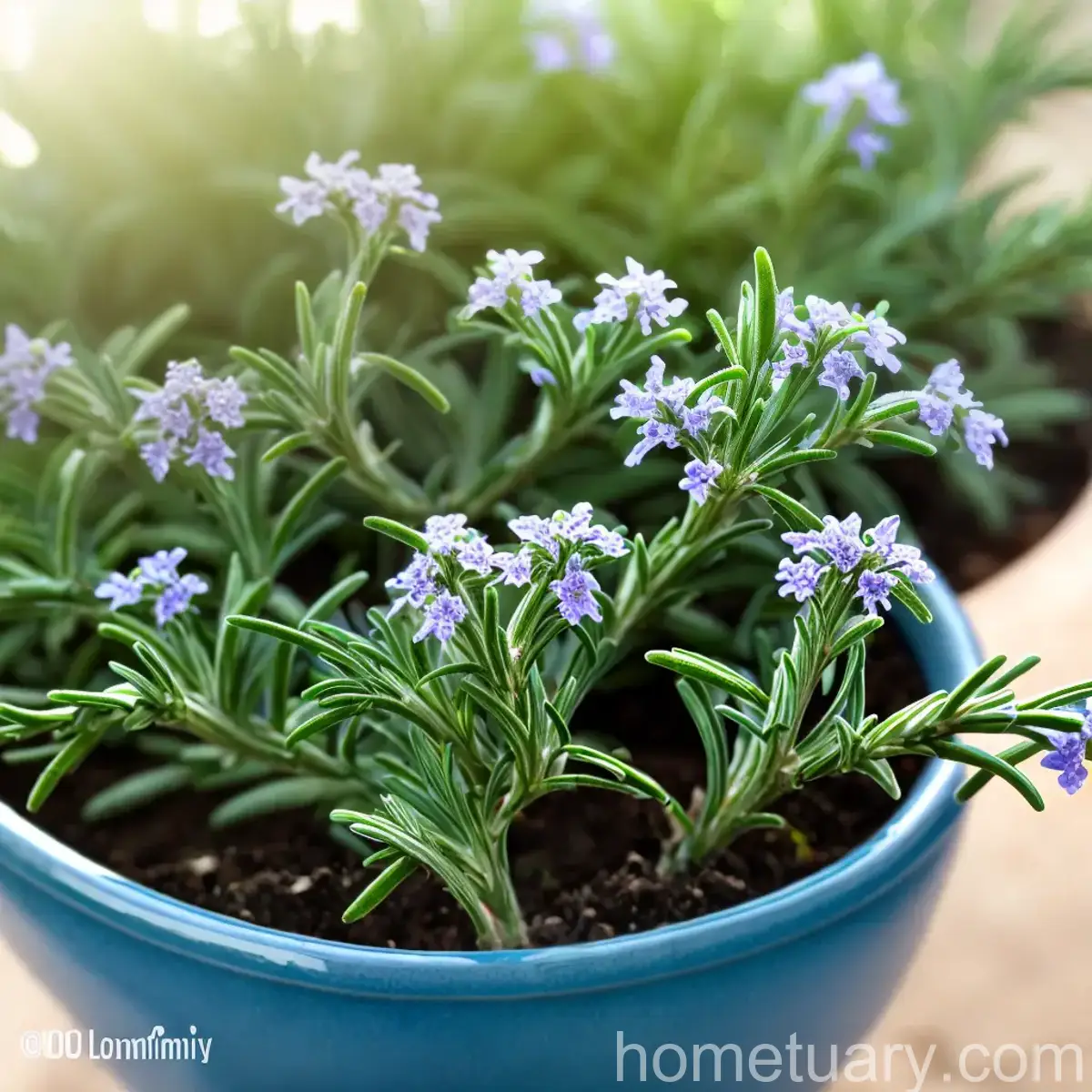
The plant is characterized by its slender, aromatic leaves, which release a refreshing fragrance when brushed against. In addition to its aromatic qualities, Rosemary Mint also boasts delicate, tubular, lavender to pale blue flowers that bloom in clusters, adding a touch of color to its surroundings.
Now that we have acquainted ourselves with the basics of this fascinating plant, let’s delve into its unique characteristics, benefits, and how to care for it.
Key Takeaways – Rosemary Mint (Poliomintha longiflora)
Before we explore the specifics of the Rosemary Mint (Poliomintha longiflora), let’s take a look at some takeaway points that will guide our exploration of this exceptional plant.
- Plant Name: Rosemary Mint (Poliomintha longiflora)
- Family: Lamiaceae (Mint Family)
- Origin: Mexico and the southwestern United States
- Common Names: Lavender Spice, Mexican Oregano, Rosemary Mint
- Type: Perennial herb
- Fragrance: Aromatic blend of rosemary and mint
- Flower Color: Lavender to pale blue
- Culinary Uses: Adds a unique flavor to dishes
- Medicinal Properties: Believed to have several health benefits
- Growth Habit: Compact and bushy
- Attracts: Pollinators and wildlife
Now, with these key takeaways in mind, let’s explore the culture, uses, and care of the captivating Rosemary Mint.
Culture of Rosemary Mint (Poliomintha longiflora)
Understanding the cultural requirements of a plant is essential for its successful growth and development. Here’s a detailed look at the culture of the Rosemary Mint (Poliomintha longiflora):
Water
Rosemary Mint is a drought-tolerant plant and is well-suited to arid and semi-arid environments. It prefers well-draining soil and should be watered sparingly, allowing the soil to dry out between watering sessions. Overwatering can lead to root rot and other water-related issues, so it’s essential to strike a balance in watering this plant.
Sunlight
This delightful herb thrives in bright sunlight and prefers full sun to partial shade. Providing adequate sunlight is crucial for promoting healthy foliage growth and ensuring abundant flowering.
Soil
Rosemary Mint thrives in well-draining, sandy or loamy soil with a slightly alkaline to neutral pH. Amending the soil with organic matter, such as compost, can further enhance its growth and vigor.
Fertilizer
Being a low-maintenance plant, Rosemary Mint doesn’t require frequent fertilization. During the growing season, a balanced, slow-release fertilizer can be applied sparingly to support its growth. However, avoid over-fertilizing, as this can lead to excessive foliage at the expense of fragrance and flavor.
Pruning
Regular pruning is essential for maintaining the compact and bushy growth habit of Rosemary Mint. Lightly pruning the plant after the flowering season can help shape it and encourage new growth.
Propagation
Rosemary Mint can be propagated from cuttings or seeds. Stem cuttings taken during the spring or early summer can be rooted in a well-draining potting mix to establish new plants.
Now that we’ve explored the cultural aspects of Rosemary Mint, it’s time to delve into its uses and benefits.
Uses of Rosemary Mint (Poliomintha longiflora)
The Rosemary Mint (Poliomintha longiflora) is a versatile herb with a wide range of uses, including culinary, medicinal, and ornamental applications. Let’s take a closer look at some of its most notable uses:
Culinary Uses
Rosemary Mint imparts a delightful blend of flavors to a variety of culinary dishes. Its aromatic leaves can be used to season meats, vegetables, and soups, adding a unique and refreshing taste to the prepared dishes. Additionally, it can be used to infuse oils, vinegars, and even cocktails, offering its distinctive aroma and flavor to a wide array of culinary creations.
Medicinal Properties
In traditional medicine, Rosemary Mint has been valued for its purported health benefits. It is believed to contain antimicrobial and antioxidant properties, making it a potential candidate for natural remedies and herbal preparations. Its leaves are used to make aromatic and soothing teas, which are often consumed for their reported digestive and relaxation benefits.
Ornamental Value
In addition to its culinary and medicinal uses, Rosemary Mint also serves as an ornamental plant, adding a touch of beauty and fragrance to gardens and landscapes. Its compact growth habit and delicate flowers make it an attractive addition to herb gardens, borders, and containers.
With its diverse uses and benefits, Rosemary Mint has earned a special place in the world of herbs and botanicals. Now, let’s discover the best practices for caring for this exceptional plant.
Poliomintha longiflora Care Tips
Cultivating and caring for Rosemary Mint involves providing the best conditions and maintenance to ensure its health and vitality. Here are some essential care tips for nurturing this delightful herb:
-
Best Conditions for Poliomintha longiflora: Provide well-draining soil, ample sunlight, and sparing watering to create optimal growing conditions for Rosemary Mint.
-
Rosemary Mint Plant Care: Regularly monitor the plant for signs of distress and adjust watering and sunlight exposure accordingly. Keep an eye out for pests and diseases, and address them promptly.
-
Poliomintha longiflora Pruning Techniques: Lightly prune the plant after the flowering season to maintain its shape and promote fresh growth. Remove any dead or damaged branches to encourage healthy regrowth.
-
Poliomintha longiflora Water Needs: Water the plant sparingly, allowing the soil to dry out between watering sessions. Avoid overwatering, as it can lead to root rot and other water-related issues.
-
Poliomintha longiflora Soil Requirements: Plant Rosemary Mint in well-draining, sandy or loamy soil with a slightly alkaline to neutral pH. Incorporating organic matter can further enhance the soil quality.
Now that we’ve covered the care tips for this delightful herb, it’s time to explore its varieties and propagation methods.
Poliomintha longiflora Varieties and Propagation
Rosemary Mint is a versatile herb with several notable varieties, each offering its unique characteristics and fragrance. Additionally, propagating this herb from cuttings or seeds provides opportunities to expand its presence in the garden. Let’s take a closer look at the varieties and propagation methods for this exceptional plant:
Varieties
-
Poliomintha longiflora ‘Phoenix’: This variety is known for its compact growth habit and abundant flowering, adding a touch of color and fragrance to gardens and containers.
-
Poliomintha longiflora ‘Silver Lace’: Recognized for its silvery-green foliage and delicate flowers, this variety offers visual appeal and aromatic qualities to garden spaces.
Propagation Methods
Rosemary Mint can be propagated through the following methods:
-
Stem Cuttings: Take 4-6 inch stem cuttings from healthy plants during the spring or early summer. Remove the lower leaves and root the cuttings in a well-draining potting mix to establish new plants.
-
Seeds: Collect seeds from mature plants and sow them in a seed-starting mix. Keep the soil consistently moist until the seeds germinate and the seedlings are ready for transplanting.
By exploring the varieties and propagation methods, we can further appreciate the diversity and adaptability of Rosemary Mint. Now, let’s delve into its challenges and how to address them.
Common Diseases and Pests of Rosemary Mint
While Rosemary Mint is a resilient and hardy herb, it can be susceptible to certain diseases and pests that may impact its growth and vigor. Understanding these potential challenges and their diagnosis is essential for maintaining a healthy and thriving plant. Let’s examine the common diseases and pests of this remarkable herb:
Disease Diagnosis
Rosemary Mint may be susceptible to the following diseases:
-
Powdery Mildew: A fungal disease that appears as a powdery white substance on the leaves, leading to stunted growth and plant decline.
-
Root Rot: An issue caused by overwatering or poorly-draining soil, resulting in the decay of the plant’s roots and subsequent wilting.
Common Pests
The following pests are known to affect Rosemary Mint:
-
Aphids: These small, sap-sucking insects can infest the plant and cause distortion of the leaves and stunted growth.
-
Spider Mites: These tiny pests can thrive in dry conditions and may cause stippling and discoloration of the foliage.
By acknowledging the potential diseases and pests, we can take proactive measures to prevent and address these issues. Now, let’s explore some essential tips for maintaining the health of Rosemary Mint.
Botanist’s Tips for Rosemary Mint
As botanists specializing in herbaceous plants, we have compiled a set of valuable tips for cultivating and caring for Rosemary Mint. These tips are designed to enhance the plant’s health and vigor while promoting its beauty and aromatic qualities. Here are some essential botanist’s tips for maintaining the well-being of this delightful herb:
-
Monitor Soil Moisture: Regularly check the soil moisture level to ensure that it’s not excessively wet, as this can lead to root rot and other water-related issues.
-
Promote Air Circulation: Provide adequate spacing between Rosemary Mint plants to encourage air circulation, which can help prevent fungal diseases and minimize pest infestations.
-
Inspect for Pests: Routinely inspect the plant for signs of aphids, spider mites, and other common pests. If an infestation is detected, consider using natural pest control methods to address the issue.
-
Harvest Prudently: When harvesting the leaves for culinary or medicinal uses, avoid excessive pruning that may compromise the plant’s health. Harvesting with care can help maintain the vigorous growth of the plant.
By implementing these botanist’s tips, enthusiasts can cultivate thriving and resilient Rosemary Mint plants in their gardens or indoor spaces. Now, let’s uncover some fascinating fun facts about this remarkable plant.
Fun Facts About Rosemary Mint (Poliomintha longiflora)
Understanding the intriguing features and historical significance of Rosemary Mint adds depth to our appreciation of this exceptional plant. Let’s explore some captivating fun facts about this delightful herb:
-
Historical Significance: In traditional folklore, Rosemary Mint was believed to possess protective qualities and was often used in rituals and herbal remedies to ward off negative energy.
-
Wildlife Attraction: The fragrant foliage and flowers of Rosemary Mint attract pollinators such as bees and butterflies, enhancing the biodiversity of garden spaces.
-
Herbal Remedies: The leaves of Rosemary Mint have been used to prepare aromatic teas and herbal infusions known for their calming and digestive properties.
-
Culinary Symbolism: In culinary traditions, Rosemary Mint symbolizes remembrance, friendship, and hospitality, making it a popular choice for seasoning and garnishing dishes.
By uncovering these fun facts, we gain a deeper understanding of the cultural, culinary, and symbolic significance of Rosemary Mint. Now, let’s segue into exploring essential resources and external links for further information.
Links to External Resources
For further exploration and in-depth knowledge about Rosemary Mint (Poliomintha longiflora), we recommend visiting the following resources:
-
Royal Horticultural Society (RHS): The RHS provides comprehensive guidelines on cultivating and caring for Rosemary Mint, including its cultural requirements and uses in gardens and landscapes.
-
Herb Society of America: The Herb Society of America offers valuable insights into the history, folklore, and culinary uses of Rosemary Mint, providing a holistic understanding of this versatile herb.
-
University Extension Services: Various university extension services provide research-based information on the care and cultivation of herbs, including Rosemary Mint. These resources offer practical recommendations for enthusiasts and growers.
By leveraging these resources, readers can expand their knowledge and appreciation of Rosemary Mint while gaining practical insights into its cultivation and uses.
In conclusion, the captivating Rosemary Mint (Poliomintha longiflora) enchants enthusiasts with its aromatic qualities, culinary uses, and potential health benefits. Its adaptability to diverse growing conditions and its diverse uses make it an invaluable addition to gardens, landscapes, and indoor spaces.
We hope that this comprehensive guide has provided you with valuable insights into the culture, uses, and care of the remarkable Rosemary Mint. Whether you are a gardening enthusiast, a culinary explorer, or a herbal remedy enthusiast, we trust that the information presented here has sparked your curiosity and appreciation for this exceptional herb.
Happy gardening and may your journey with Rosemary Mint be both rewarding and enriching!
References