Garden Heliotrope (Valeriana Officinalis)
Plants have been an integral part of human existence, providing food, medicine, and beauty throughout history. Among these diverse plants, the garden.
Introduction
Plants have been an integral part of human existence, providing food, medicine, and beauty throughout history. Among these diverse plants, the garden heliotrope (Valeriana officinalis) stands out as a valuable and versatile herb with a rich history of uses in gardening, herbal medicine, and aromatherapy. In this comprehensive guide, we will explore the various aspects of this remarkable plant, from its cultural needs to its wide-ranging uses and benefits.
What is Garden Heliotrope (Valeriana officinalis)?
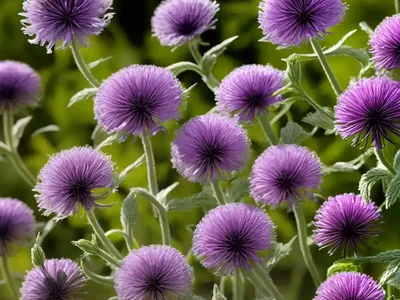
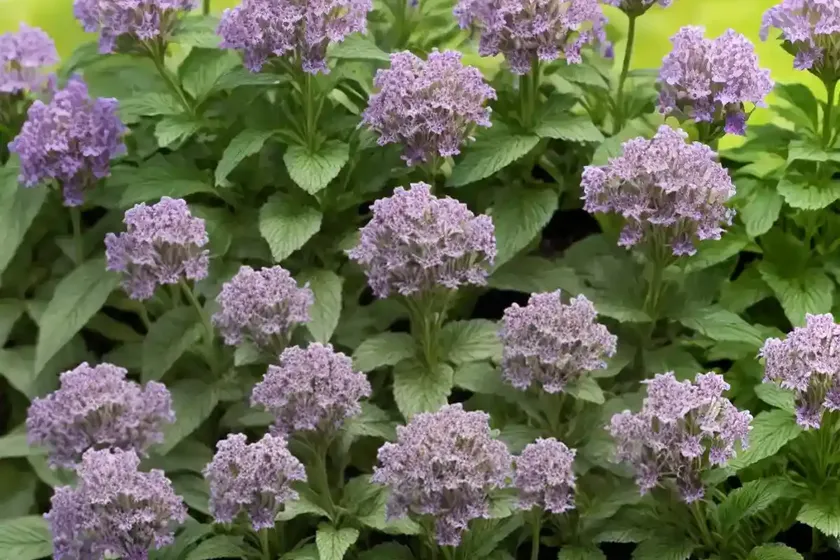
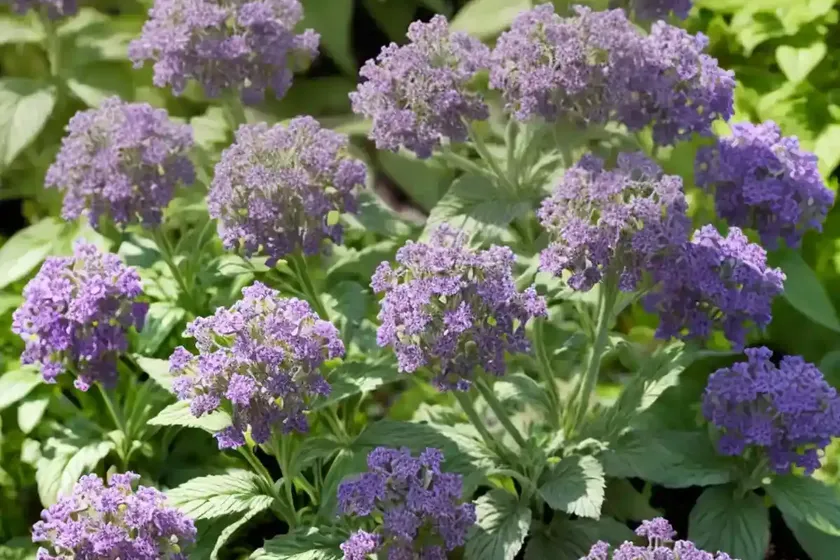
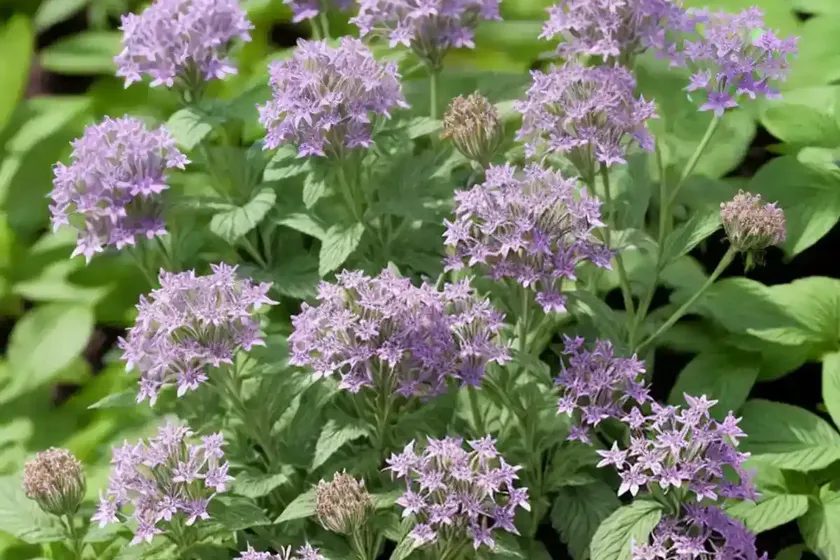
Garden heliotrope, scientifically known as Valeriana officinalis, is an herbaceous perennial plant belonging to the Caprifoliaceae family. This plant is native to Europe and Asia, where it can be found growing in damp meadows, along riversides, and in other moist habitats. It is characterized by its fragrant clusters of small, white or pink flowers, which bloom in the summer months and exude a sweet, pleasant scent.
Key Takeaways
Let’s explore the key takeaways of Garden Heliotrope (Valeriana officinalis) before delving into its cultural aspects and uses.
- Garden Heliotrope Benefits:
- Valeriana officinalis offers a range of benefits, including its uses in herbal medicine, landscaping, and aromatherapy.
- Valeriana officinalis Uses:
- This plant has been historically employed in herbal medicine for its sedative and calming properties. It is also used as an ornamental plant in gardens and as a source of fragrance in aromatherapy.
- How to Grow Garden Heliotrope:
- Understanding the specific cultural requirements of this plant is essential for successful cultivation.
- Valerian Plant for Gardens:
- Valeriana officinalis can be a valuable addition to various types of gardens, contributing to both visual appeal and functional uses.
- Garden Heliotrope Care:
- Proper care and maintenance are crucial for promoting healthy growth and maximizing the benefits of this plant.
- Valeriana officinalis for Medicinal Purposes:
- The medicinal properties of Valeriana officinalis have been recognized for centuries, and they continue to be valued in modern herbal medicine.
- Tips for Growing Valerian Plant:
- Implementing specific growth tips can optimize the yield and quality of Valeriana officinalis.
- Garden Heliotrope Varieties:
- Exploring the different varieties available can help in selecting the most suitable plant for a particular setting.
- Valeriana officinalis in the Garden:
- Understanding the role of Valeriana officinalis in garden ecosystems can guide its placement and maintenance.
- Benefits of Valerian officinalis in Gardens:
- This plant offers several advantages within garden environments, including its contribution to biodiversity and its appeal to beneficial insects.
- Growing Valeriana officinalis at Home:
- Cultivating Valeriana officinalis at home is a rewarding endeavor, provided the necessary conditions are met.
- Uses of Garden Heliotrope in Herbal Medicine:
- Garden heliotrope has various traditional and contemporary uses in herbal medicine for promoting relaxation and addressing specific health concerns.
- Valerian Plant Cultivation Tips:
- A better understanding of cultivation techniques plays a crucial role in the successful growth of Valeriana officinalis.
- Importance of Valeriana officinalis in Landscaping:
- The aesthetic and ecological significance of Valeriana officinalis in landscaping should be acknowledged and harnessed.
- Garden Heliotrope Planting Guide:
- Following a comprehensive planting guide is an essential first step in cultivating Valeriana officinalis successfully.
- Valerian officinalis in Traditional Medicine:
- The historical and cultural importance of Valeriana officinalis within traditional medicine underscores its enduring relevance.
- Techniques for Growing Garden Heliotrope:
- Employing specific growth techniques can enhance the overall health and vitality of garden heliotrope.
- Valeriana officinalis for Stress Relief:
- This plant’s calming properties make it a valuable resource for stress management and overall well-being.
- Garden Heliotrope as a Herbal Remedy:
- Garden heliotrope offers a range of herbal remedies for various conditions and ailments.
- Benefits of Valerian Plant in Aromatherapy:
- The aromatic qualities of Valeriana officinalis make it an appealing choice for aromatherapy and relaxation practices.
- Growing Valeriana officinalis from Seeds:
- Understanding the seed germination process is vital for propagating new plants and expanding cultivation efforts.
- Valerian Plant for Sleep Disorders:
- The sedative properties of Valeriana officinalis make it a promising natural remedy for addressing sleep-related issues.
- Ideal Conditions for Garden Heliotrope:
- Providing optimal growing conditions is essential for the health and productivity of garden heliotrope.
- Valeriana officinalis in Alternative Medicine:
- The integration of Valeriana officinalis in alternative medicine practices is a testament to its therapeutic potential.
- How to Propagate Valerian Plant:
- Knowing the proper propagation methods is crucial for expanding the plant population and maintaining genetic diversity.
- Garden Heliotrope for Anxiety:
- The calming effects of garden heliotrope can be beneficial for managing anxiety and promoting emotional well-being.
- Valerian Plant for Natural Remedies:
- Valeriana officinalis serves as a natural source for remedies that address a range of health concerns.
- Common Pests and Diseases of Valeriana officinalis:
- Identifying and managing potential threats to plant health is essential for preventing disease and pest infestations.
- Tips for Harvesting Garden Heliotrope:
- Understanding the proper timing and techniques for harvesting can maximize the quality and yield of the plant’s products.
- Valeriana officinalis as a Companion Plant:
- Exploring the benefits of planting Valeriana officinalis alongside other species can enhance overall garden health and productivity.
- Popular Uses of Valerian Plant:
- Valeriana officinalis has diverse applications, making it a valuable addition to various settings and practices.
- Garden Heliotrope for Relaxation:
- The calming influence of garden heliotrope makes it an ideal component for relaxation strategies and environments.
- How to Use Valeriana officinalis in Gardening:
- Integrating Valeriana officinalis into gardening practices requires an understanding of its specific roles and benefits.
- Valerian Plant for Insomnia:
- The sedative properties of Valeriana officinalis can provide relief for individuals experiencing insomnia and related conditions.
- Ideal Soil Conditions for Garden Heliotrope:
- An enriched understanding of soil requirements is essential for promoting healthy growth and productivity.
- Valerian officinalis as a Culinary Herb:
- Exploring the culinary uses of Valeriana officinalis enriches its potential applications and appeal.
- Benefits of Planting Garden Heliotrope in Pots:
- Utilizing containers for growing garden heliotrope offers specific advantages and opportunities.
- Uses of Valerian Plant Essential Oil:
- Extracting and utilizing the essential oil of Valeriana officinalis extends its range of potential applications and benefits.
- Garden Heliotrope in Traditional Folklore:
- The cultural and historical significance of garden heliotrope adds depth to its presence in various traditions and beliefs.
- Valeriana officinalis for Herbal Tea:
- Garden heliotrope can be used to prepare herbal teas, offering a soothing and flavorful beverage option.
- Companion Plants for Garden Heliotrope:
- Identifying suitable companion plants enhances the overall health and productivity of the garden ecosystem.
- Valerian Plant for Migraines:
- The therapeutic properties of Valeriana officinalis can provide relief for individuals suffering from migraines and related conditions.
- Pruning Techniques for Valeriana officinalis:
- Implementing proper pruning practices is essential for maintaining the health and appearance of Valeriana officinalis.
- Garden Heliotrope for Pollinators:
- Garden heliotrope serves as a valuable resource for pollinators, contributing to the health and diversity of local ecosystems.
- Valerian Plant in Home Remedies:
- Valeriana officinalis plays a role in various home remedies and wellness practices, supporting overall health and vitality.
- Medicinal Properties of Valeriana officinalis:
- Understanding the medicinal properties of Valeriana officinalis enhances its potential applications in health and wellness.
- Growing Garden Heliotrope Indoors:
- Cultivating garden heliotrope indoors offers opportunities for year-round enjoyment and utilization of its benefits.
- Valerian Plant for Soothing Baths:
- Garden heliotrope can be incorporated into soothing bath rituals, promoting relaxation and well-being.
- Natural Insect Repellent: Garden Heliotrope:
- The repellent properties of garden heliotrope make it a valuable addition to natural pest control strategies.
- Benefits of Valeriana officinalis in Organic Gardening:
- Garden heliotrope offers several advantages within organic gardening practices, contributing to sustainable and eco-friendly cultivation methods.
Culture
Understanding the cultural requirements of garden heliotrope (Valeriana officinalis) is essential for successful cultivation. This encompasses aspects such as water, sunlight, soil, fertilizer, and pruning, which collectively contribute to the healthy growth and productivity of the plant.
Uses
Before delving into the specific cultural requirements of garden heliotrope, it’s worth highlighting the diverse uses and benefits of this plant, which contribute to its overall value and appeal. The following sections will explore the multifaceted uses of Valeriana officinalis, encompassing its applications in herbal medicine, aromatherapy, and gardening practices.
Water
An ample supply of water is essential for the healthy growth and vitality of garden heliotrope. The plant thrives in moist soil conditions and, as such, regular watering is necessary, particularly during dry periods. Consistent soil moisture supports robust growth and flowering, promoting the overall health and aesthetic appeal of the plant.
- Watering Guide:
- Ensure that the soil remains consistently moist, particularly during periods of active growth and flowering.
- Water the plant deeply to encourage strong root development and drought tolerance.
- Avoid waterlogged conditions, as excessive moisture can lead to root rot and other detrimental effects on plant health.
Sunlight
Garden heliotrope (Valeriana officinalis) thrives in partial to full sun, making it well-suited for a range of garden environments. Adequate sunlight exposure supports robust growth and flowering, contributing to the overall beauty and productivity of the plant.
- Sunlight Requirements:
- Position the plant in an area that receives at least 6 hours of sunlight per day for optimal growth and flowering.
- Provide some shade during the hottest part of the day, particularly in regions with intense sun exposure.
- Monitor the plant for any signs of sunburn or wilting, adjusting the sunlight exposure as needed to maintain plant health.
Fertilizer
To support the healthy growth and abundant flowering of garden heliotrope, utilizing appropriate fertilization practices is crucial. A balanced fertilizer, applied at strategic intervals, provides the necessary nutrients for robust growth and sustained flowering.
- Fertilization Tips:
- Use a balanced fertilizer with equal N-P-K (nitrogen, phosphorus, and potassium) proportions to support overall plant health.
- Apply fertilizer in early spring, just before the start of the growing season, to provide essential nutrients for initial growth.
- Supplement with additional fertilizer applications during the flowering period to support the plant’s increased nutritional needs.
Soil
The soil composition and quality play a significant role in the health and productivity of garden heliotrope. Well-draining, moderately fertile soil with a slightly acidic to neutral pH provides an ideal growing medium for this plant.
- Soil Preparation:
- Ensure the soil is well-draining to prevent waterlogging, which can lead to root rot and other detrimental effects on plant health.
- Incorporate organic matter, such as compost or well-rotted manure, into the soil to improve its fertility and structure.
- Test the soil pH and adjust it to a slightly acidic to neutral range, typically around 6.0 to 7.0, for optimal plant growth.
Pruning
Pruning is an essential aspect of garden heliotrope maintenance, contributing to the plant’s overall appearance, health, and productivity. Proper pruning practices focus on removing spent flowers and maintaining a tidy, compact growth habit.
- Pruning Guidelines:
- Deadhead spent flowers regularly to encourage continuous blooming and prevent the formation of seed heads.
- Trim back any leggy or overgrown stems to promote a more compact and bushy growth habit.
- Remove any diseased or damaged foliage as soon as it is identified to prevent the spread of infections.
Propagation
The propagation of garden heliotrope allows for the expansion of plant populations and the maintenance of desirable traits. Understanding the available propagation methods, such as seed sowing and division, enables gardeners to propagate new plants with ease.
- Propagation Techniques:
- Collect mature seeds from the plant and sow them directly into prepared seedbeds or containers for germination.
- Divide mature plants in early spring, separating the root clumps into smaller sections and replanting them in suitable locations.
- Implement propagation practices during the plant’s active growth period to maximize success rates and ensure the establishment of new plants.
Container Popularity
The adaptability of garden heliotrope to container cultivation makes it a popular choice for various gardening applications. Growing this plant in containers presents opportunities for flexibility in placement, especially in settings with limited space or unique design requirements.
- Container Gardening Benefits:
- Utilize containers to grow garden heliotrope in urban or confined spaces, expanding its cultivation possibilities.
- Create mobile displays of garden heliotrope, allowing for easy relocation and enhancement of specific outdoor or indoor environments.
- Integrate garden heliotrope into mixed container arrangements, complementing other plant species and contributing to diverse garden displays.
Container Common Diseases
While container cultivation offers many advantages for garden heliotrope, it is essential to be aware of potential diseases that can affect plants grown in containers. Container-specific diseases may arise due to factors such as limited root space, moisture retention, and overall growing conditions.
- Common Container Diseases:
- Root Rot: Overly wet conditions in containers can lead to root rot, compromising the health and survival of garden heliotrope.
- Fungal Diseases: Moisture retention in containers can create favorable conditions for the development of fungal diseases, such as powdery mildew and leaf spot.
- Pest Infestations: Inadequate air circulation in container environments can exacerbate pest infestations, making plants more susceptible to damage and disease.
Disease Diagnosis
Diagnosing and addressing diseases that affect garden heliotrope are essential for maintaining the health and productivity of the plant. Early detection and appropriate management practices are crucial for preventing the spread of diseases and minimizing their impact on plant health.
- Disease Identification:
- Monitor plants for any signs of discoloration, wilting, or unusual growth patterns, which may indicate the presence of disease.
- Conduct regular inspections of leaves, stems, and flowers to detect any abnormalities or symptoms of disease development.
- Seek professional assistance if unfamiliar or severe symptoms are observed, aiding in the accurate diagnosis and treatment of plant diseases.
Common Pests
Pests can pose a threat to the health and productivity of garden heliotrope, requiring proactive measures to prevent infestations and mitigate potential damage. Identifying common pests and implementing suitable management strategies is essential for protecting the plant from pest-related issues.
- Pest Identification:
- Identify common garden pests, such as aphids, spider mites, and caterpillars, which may target garden heliotrope.
- Monitor the plant regularly for any signs of pest infestations, including physical damage, wilting, or the presence of pests themselves.
- Implement integrated pest management practices to address pest issues effectively, incorporating both preventive and responsive measures.
Botanist’s Tips
Drawing from botanical expertise can provide valuable insights and recommendations for the successful cultivation and care of garden heliotrope. Incorporating professional guidance and best practices contributes to the overall health and productivity of the plant.
- Expert Recommendations:
- Consult with botanists or horticultural experts for tailored advice on cultivating garden heliotrope, considering specific growing conditions and individual plant requirements.
- Seek recommendations for optimal soil composition, sunlight exposure, and cultural practices from knowledgeable professionals, ensuring the plant’s success.
- Utilize botanical resources and research to expand understanding of garden heliotrope, integrating scientific knowledge into cultivation and care practices.
Fun Facts
Exploring the intriguing aspects and historical significance of garden heliotrope can provide enriching insights and foster a deeper appreciation for this plant’s diversity and value.
- Historical Significance:
- Garden heliotrope has a rich history of traditional uses, particularly in herbal medicine and aromatherapy, dating back to ancient civilizations.
- Various cultures have revered garden heliotrope for its sedative and medicinal properties, integrating it into traditional healing practices and wellness rituals.
- The fragrant flowers of garden heliotrope have been prized for their aromatic qualities, contributing to their use in perfumery and ornamental applications.
Links to External Resources
For further exploration and reference, the following resources provide valuable information and insights into the diverse aspects of garden heliotrope (Valeriana officinalis).
- Royal Horticultural Society – Valeriana officinalis
- United States Department of Agriculture – Plant Profile: Valeriana officinalis
- Missouri Botanical Garden – Valeriana officinalis
- American Herbalists Guild – Valeriana officinalis
In conclusion, garden heliotrope (Valeriana officinalis) stands as a captivating and valuable plant, boasting a diverse array of uses in herbal medicine, aromatherapy, and gardening practices. By understanding and addressing its cultural requirements, utilizing the plant effectively, and appreciating its historical significance, individuals can fully embrace the benefits and beauty of this versatile herb. Through continued exploration, cultivation, and appreciation, garden heliotrope can continue to enrich landscapes, wellness practices, and cultural traditions for generations to come.
With this comprehensive guide, we have delved into the multifaceted nature of garden heliotrope