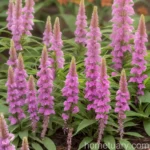
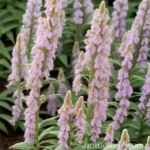
The Obedient Plant (Physostegia virginiana ‘Vivid’) – A Gardener’s Guide
The world of plants is vast and diverse, with each species offering unique characteristics and benefits to the environment and to gardeners. In this guide, we will explore the intriguing world of the obedient plant, with a specific focus on the Physostegia virginiana ‘Vivid’ variety. From its characteristics to cultivation and maintenance, we will delve into every aspect of this fascinating plant. Let’s begin our journey into the world of the obedient plant.
What is the Obedient Plant?
The obedient plant, scientifically known as Physostegia virginiana ‘Vivid’, is a perennial flowering plant that belongs to the mint family, Lamiaceae. It is native to North America and is known for its unique blooming pattern, which allows its flowers to stay in place when pushed in one direction, hence its common name “obedient plant.” This characteristic is a source of fascination for many gardeners and nature enthusiasts.
Key Takeaways – Obedient Plant (Physostegia virginiana ‘Vivid’)
Before we delve into the specifics of caring for the obedient plant, let’s take a look at some key takeaways about this remarkable species:
- Common Name: Obedient Plant
- Botanical Name: Physostegia virginiana ‘Vivid’
- Family: Lamiaceae
- Native to: North America
- Distinct Feature: Flowers stay in place when moved in one direction
Now that we have an introduction to the obedient plant, let’s explore its culture, uses, and the essential elements of its care.
Culture
The culture of the obedient plant, Physostegia virginiana ‘Vivid’, encompasses its environmental preferences, growth habits, and the conditions that are optimal for its cultivation.
Uses
Obedient plants have several uses, making them valuable additions to gardens and natural landscapes. Some of the common uses of the obedient plant include:
- Ornamental Purposes: The vibrant and unique flowers of the obedient plant make it an excellent choice for ornamental gardens and landscape designs.
- Pollinator Gardens: Obedient plants attract various pollinators, including bees, butterflies, and hummingbirds, making them valuable for ecosystem support.
- Cut Flowers: The long stems of obedient plant flowers make them suitable for floral arrangements, adding a touch of elegance to indoor spaces.
The diverse uses of the obedient plant make it a versatile and beneficial addition to gardens and natural habitats.
Water
Understanding the water requirements of the obedient plant is essential for successful cultivation. Obedient plants thrive in moist soil conditions and benefit from regular watering, especially during dry periods. However, they are also able to tolerate short periods of drought once established.
Sunlight
Obedient plants prefer full sun to partial shade. Providing them with at least 6 hours of sunlight each day is ideal for promoting healthy growth and vibrant blooms.
Fertilizer
When it comes to fertilizing obedient plants, a balanced, all-purpose fertilizer can be applied in the spring as new growth begins. It is important to follow the manufacturer’s instructions for the specific fertilizer being used and to avoid over-fertilization, which can lead to excessive foliage growth at the expense of flowers.
Soil
The obedient plant performs best in well-draining, fertile soil. Adding organic matter, such as compost, to the soil can enhance its quality and provide essential nutrients for the plant’s growth.
Pruning
Pruning plays a crucial role in maintaining the health and appearance of the obedient plant. Regular deadheading, which involves removing spent flowers, can encourage the plant to produce new blooms and prevent self-seeding. Additionally, pruning can be done to control the plant’s shape and size, especially if it starts to spread beyond its intended space in the garden.
Propagation
There are several methods for propagating obedient plants, including division, stem cuttings, and seed propagation. Each method has its own requirements and ideal timing, and the choice of propagation method may depend on the gardener’s preference and the specific needs of the garden.
Container Popularity
The obedient plant, particularly the ‘Vivid’ variety, is well-suited for container gardening. Its upright growth habit and striking flowers make it an attractive choice for adding height and color to container arrangements in outdoor spaces.
Container Common Diseases
While obedient plants are relatively low-maintenance, they can be susceptible to certain diseases and pests. Common diseases that may affect obedient plants include powdery mildew, leaf spot, and root rot. Proper care, including providing adequate air circulation and avoiding overwatering, can help prevent these issues.
Disease Diagnosis
Diagnosing diseases in obedient plants involves observing the plant for symptoms such as discolored or spotted leaves, wilting, or unusual growth patterns. Identifying the specific symptoms and comparing them to known disease indicators can help in accurately diagnosing and treating the issue.
Common Pests
Obedient plants may be targeted by pests such as aphids, spider mites, and caterpillars. Regular inspection of the plant and the use of natural pest control methods, such as beneficial insect attractors, can help manage these potential pest problems.
Botanist’s Tips
For botanists and gardening enthusiasts looking to cultivate obedient plants, here are some essential tips to ensure the best results:
- Supportive Structures: As obedient plants tend to have tall, upright growth, providing support in the form of stakes or cages can help prevent bending or breakage of stems, especially in windy conditions.
- Companion Planting: Pairing obedient plants with companion species that share similar cultural requirements can create visually appealing and ecologically beneficial garden landscapes.
Fun Facts
To further appreciate the obedient plant and its unique characteristics, consider the following fun facts:
- The specific epithet “virginiana” in the scientific name Physostegia virginiana ‘Vivid’ denotes its association with the state of Virginia, where it is native to.
- The obedient plant’s flowers are tubular and are favored by long-tongued pollinators such as hummingbirds and certain butterfly species.
As we continue our exploration of the obedient plant, it is valuable to connect with external resources that provide additional insights and information about this noteworthy species.
Links to External Resources
For further in-depth exploration of the obedient plant and its various aspects, refer to the following resources:
- The Royal Horticultural Society – Obedient Plant Care Guide
- University of Florida IFAS Extension – Obedient Plant Fact Sheet
- Missouri Botanical Garden – Physostegia virginiana ‘Vivid’ Plant Database Entry
By embracing these external resources, gardeners and enthusiasts can deepen their knowledge and appreciation of the obedient plant, enhancing their ability to care for and enjoy this remarkable species.