Rosa rugosa ‘Hansa’ (Rugosa Rose): A Plant Scientist’s Comprehensive Guide
Rosa rugosa ‘Hansa’, commonly known as Rugosa Rose, is a beloved and versatile plant that has captured the hearts of gardeners and horticulturists alike. Its charming and vibrant blooms, combined with its remarkable hardiness, make it a favorite in gardens, landscapes, and coastal areas. As a plant scientist deeply invested in understanding and promoting the cultivation and care of plants, I am excited to delve into the multifaceted world of Rosa rugosa ‘Hansa’ with you.
In this comprehensive guide, we will explore various aspects of Rosa rugosa ‘Hansa’, ranging from its cultural significance to practical tips on its care and maintenance. Whether you are a seasoned horticultural enthusiast or a novice gardener, this guide aims to provide valuable insights into the world of Rugosa Rose and equip you with the knowledge required to nurture and appreciate this beautiful plant.
Key Takeaways – Rosa rugosa ‘Hansa’ (Rugosa Rose)
Before we embark on this enlightening journey to unravel the wonders of Rosa rugosa ‘Hansa’, let’s start by highlighting some key takeaways that will guide us through the exploration of this remarkable plant.
Culture
Rosa rugosa ‘Hansa’ holds cultural significance in various regions and is cherished for its ornamental, medicinal, and ecological value.
Uses
From its stunning blooms and fragrance to its versatile applications in landscaping and coastal gardening, Rugosa Rose boasts a wide array of uses.
Water
Understanding the watering needs of Rosa rugosa ‘Hansa’ is crucial for maintaining its health and vitality, especially in different growing conditions.
Sunlight
Proper sunlight requirements are essential for the optimal growth and development of Rugosa Rose, making it imperative to comprehend its sun preferences.
Fertilizer
Prudent fertilization practices are key to enhancing the resilience and blooming capacity of Rosa rugosa ‘Hansa’.
Soil
The choice of soil and its composition plays a pivotal role in determining the overall health and vigor of Rugosa Rose.
Pruning
Adopting effective pruning techniques is vital for shaping, rejuvenating, and prolonging the flowering period of Rosa rugosa ‘Hansa’.
Propagation
Exploring the methods of propagating Rosa rugosa ‘Hansa’ provides opportunities to expand its presence and share its beauty with others.
Container Popularity
Understanding the suitability of growing Rugosa Rose in containers allows for flexibility in cultivating this charming plant in limited spaces.
Container Common Diseases
Identifying and addressing common diseases associated with growing Rosa rugosa ‘Hansa’ in containers is essential for ensuring its well-being.
Disease Diagnosis
Recognizing symptoms and diagnosing diseases that may affect Rugosa Rose aids in implementing timely and effective treatment measures.
Common Pests
Being vigilant about the potential pests that may threaten the vitality of Rosa rugosa ‘Hansa’ is essential for its protection.
Botanist’s Tips
Insights from seasoned botanists provide valuable guidance on understanding and nurturing the unique characteristics of Rugosa Rose.
Fun Facts
Exploring the intriguing and lesser-known aspects of Rosa rugosa ‘Hansa’ adds depth and appreciation to our understanding of this remarkable plant.
Links to External Resources
Accessing external resources allows for further exploration and understanding of the diverse facets of Rosa rugosa ‘Hansa’ and its cultivation.
Now that we have established an overview of the key takeaways, let’s embark on a deeper exploration of each aspect of Rosa rugosa ‘Hansa’, unravelling its beauty and horticultural significance.
What is Rosa rugosa ‘Hansa’?
Rosa rugosa ‘Hansa’, commonly known as Rugosa Rose, is a vigorous and deciduous shrub that belongs to the Rosaceae family. This captivating plant is native to eastern Asia, including regions such as Japan, Korea, and northeastern China. Rugosa Rose is renowned for its striking, fragrant blooms, robust growth, and remarkable adaptability to various environmental conditions.
Taxonomy and Description
Rosa rugosa ‘Hansa’ is classified under the genus “Rosa”, which encompasses a diverse array of flowering plants known for their ornamental and ecological significance. The specific epithet “rugosa” alludes to the rough texture of the plant’s leaves and stems, contributing to its distinctiveness among rose species. The cultivar ‘Hansa’ is celebrated for its exceptional hardiness and robust growth, making it a popular choice for gardens and landscapes.
Characteristics of Rosa rugosa ‘Hansa’
-
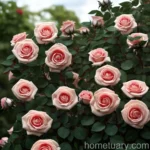
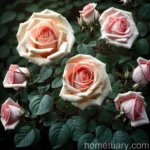
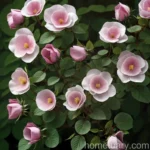
Flowers: The blooms of Rugosa Rose ‘Hansa’ are characterized by their vibrant hues, ranging from deep pink to rich purple, and exude a delightful, sweet fragrance. These showy, semi-double flowers often bear prominent yellow stamens, adding to their allure.
-
Foliage: The foliage of Rosa rugosa ‘Hansa’ consists of distinctive, deeply veined leaves with a rough texture, lending an ornamental appeal to the plant. The foliage exhibits exceptional resilience and serves as an attractive feature throughout the growing season.
-
Habit: This vigorous shrub typically displays an upright, spreading growth habit, reaching a mature height and width of approximately 4-6 feet. Its robust nature and striking appearance make it a valuable addition to a variety of garden settings.
-
Fruit: Following the blooms, Rugosa Rose ‘Hansa’ forms ornamental, round hips that transition from green to red or orange, enhancing its visual interest and contributing to its ecological importance as a food source for wildlife.
Rosa rugosa ‘Hansa’ exemplifies a harmonious combination of aesthetic beauty, resilience, and ecological value, making it a captivating subject for horticultural enthusiasts and conservationists alike.
Culture of Rosa rugosa ‘Hansa’
The culture of Rosa rugosa ‘Hansa’ encompasses a rich tapestry of historical, ornamental, and ecological significance. Understanding its cultural relevance sheds light on the profound appreciation and admiration that this remarkable plant has garnered over the years.
Historical Significance
Rosa rugosa ‘Hansa’ holds historical significance in the regions of eastern Asia, where it has been cherished for centuries for its ornamental beauty, medicinal properties, and ecological contributions. Its enduring presence in cultural narratives and horticultural practices speaks to its timeless appeal and intrinsic value.
Ornamental Value
The ornamental value of Rugosa Rose ‘Hansa’ is manifested through its vibrant, fragrant blooms and captivating foliage, which have inspired artists, poets, and gardeners throughout history. Its enduring popularity as an ornamental shrub attests to its enduring charm and allure.
Medicinal and Aromatic Uses
In addition to its visual appeal, Rosa rugosa ‘Hansa’ boasts medicinal and aromatic uses, with its petals and hips being utilized in traditional medicine, herbal teas, and aromatherapy. This multifaceted utility further enhances its cultural significance and usefulness in various domains.
Ecological Contributions
The ecological contributions of Rugosa Rose ‘Hansa’ extend to its role as a valuable nectar and pollen source for pollinators, as well as its provision of food and shelter for diverse wildlife. Its ability to thrive in coastal environments further underscores its ecological resilience and adaptability.
Landscaping and Coastal Gardening
The adaptability of Rosa rugosa ‘Hansa’ to coastal conditions has made it a favored choice in landscaping projects aimed at stabilizing dunes, mitigating coastal erosion, and enhancing the aesthetic appeal of maritime environments. Its versatility in coastal gardening reflects its profound cultural and ecological relevance.
Uses of Rosa rugosa ‘Hansa’
The diverse uses of Rosa rugosa ‘Hansa’ encompass ornamental, ecological, and practical applications, contributing to its multifaceted appeal and utility in various contexts.
Ornamental Role
Rosa rugosa ‘Hansa’ occupies a prominent place in ornamental gardening, serving as a striking focal point in garden borders, mixed shrub plantings, and naturalistic landscapes. Its resplendent blooms, vivid foliage, and aromatic presence elevate the visual and sensory experience of garden settings.
Fragrance and Cut Flowers
The delightful fragrance of Rugosa Rose ‘Hansa’ enriches gardens and outdoor spaces, further enhanced by its suitability as a cut flower for floral arrangements. Its fragrant blooms and robust stems make it a valuable addition to bouquets, enhancing indoor spaces with its beauty and scent.
Coastal Landscaping
The adaptability of Rosa rugosa ‘Hansa’ to coastal environments has positioned it as a favored plant for coastal landscaping projects, where its resilience, salt tolerance, and ornamental attributes contribute to the enhancement of maritime landscapes and ecological restoration efforts.
Wildlife Habitat
The provision of food, shelter, and nesting sites for wildlife underscores the ecological significance of Rugosa Rose ‘Hansa’ as a valuable component of wildlife-friendly gardens, conservation areas, and natural habitats. Its role in supporting biodiversity and ecological balance is intrinsic to its uses in wildlife gardening.
Medicinal and Aromatic Applications
The medicinal and aromatic properties of Rosa rugosa ‘Hansa’, sourced from its petals and hips, are utilized in herbal remedies, teas, and skincare products, reflecting its holistic value beyond ornamental and ecological realms.
Erosion Control
Rosa rugosa ‘Hansa’ plays a pivotal role in coastal gardening and restoration projects, where its robust growth, deep roots, and adaptability to coastal conditions contribute to erosion control and stabilization of coastal landscapes.
The diverse uses of Rugosa Rose ‘Hansa’ underscore its intrinsic value as a multi-faceted plant that transcends mere ornamental appeal, enriching gardens, landscapes, and ecosystems with its myriad contributions.
Watering Needs of Rosa rugosa ‘Hansa’
Understanding the watering requirements of Rosa rugosa ‘Hansa’ is integral to maintaining its health, promoting vigorous growth, and ensuring the longevity of its blooms and foliage. Proper watering practices contribute to the resilience and vitality of Rugosa Rose, making it imperative to delve into its water needs.
Moisture Requirements
Rosa rugosa ‘Hansa’ exhibits a preference for consistently moist, well-draining soil, particularly during its active growth phases and flowering period. Adequate soil moisture is essential for promoting robust growth and floral abundance.
Drought Tolerance
Despite its preference for moist conditions, Rugosa Rose ‘Hansa’ demonstrates admirable tolerance to periods of moderate drought once established, owing to its deep-rooting nature and inherent resilience. This attribute allows it to thrive in a variety of environmental conditions.
Avoidance of Waterlogged Soil
While it appreciates sufficient moisture, Rosa rugosa ‘Hansa’ is susceptible to adverse effects from waterlogged soil, which can compromise the health of its root system and lead to detrimental outcomes such as root rot. Ensuring well-draining soil is essential for mitigating this risk.
Seasonal Variations
Adapting watering practices to suit seasonal variations, such as increased water needs during active growth and flowering and reduced frequency during dormancy, enables optimal care of Rugosa Rose ‘Hansa’ throughout the year.
Mulching Benefits
The application of organic mulch around the base of Rosa rugosa ‘Hansa’ serves as a valuable moisture retention strategy, helping to conserve soil moisture, regulate temperature, and suppress weed growth, thereby enhancing the overall health of the plant.
Rainwater Collection
Leveraging rainwater as a sustainable watering source for Rugosa Rose ‘Hansa’ not only aligns with eco-conscious gardening practices but also provides a natural and beneficial means of meeting its moisture requirements, especially during dry periods.
Understanding the nuanced watering needs of Rosa rugosa ‘Hansa’ empowers gardeners to provide the optimal moisture conditions that support its health, growth, and floral abundance, contributing to its overall vitality and ornamental appeal.
Sunlight Requirements for Rosa rugosa ‘Hansa’
Sunlight constitutes a vital element in the cultivation and well-being of Rosa rugosa ‘Hansa’, influencing its growth, flowering capacity, and overall vigor. Exploring its preferences for sunlight allows for informed cultivation practices that harness its phototropic traits to enhance its natural beauty.
Full Sun Exposure
Rugosa Rose ‘Hansa’ thrives when exposed to full sunlight, manifesting its robust growth, profuse flowering, and vibrant foliage when provided with an abundance of direct sunlight. Siting it in a location that receives at least six hours of direct sunlight daily is optimal for its development.
Partial Shade Considerations
While Rugosa Rose ‘Hansa’ exhibits a preference for full sun, it may tolerate partial shade in regions with intense or prolonged periods of extreme heat, where partial shading can provide protection from scorching sun and support its overall health.
Fruiting and Flowering Potential
Adequate sunlight is crucial for stimulating the blooming and fruiting potential of Rosa rugosa ‘Hansa’, fostering the development of abundant, vibrant flowers and ornamental hips that enhance its visual appeal and ecological contributions.
Photosynthetic Activity
The photosynthetic activity of Rugosa Rose ‘Hansa’, driven by sunlight, underpins its capacity to synthesize energy, sequester carbon, and produce the nutrients required for its growth, flowering, and overall metabolic functions.
Solar Siting Considerations
Careful consideration of solar orientation and exposure when siting Rosa rugosa ‘Hansa’ facilitates optimal utilization of sunlight, maximizing its opportunities for photosynthesis, abiotic stress adaptation, and overall well-being.
Artificial Lighting Supplements
In regions with limited sunlight or during inclement weather, supplemental artificial lighting can be utilized to augment the sunlight exposure of Rugosa Rose ‘Hansa’, supporting its growth and mitigating the impact of reduced natural light.
Understanding and accommodating the sunlight requirements of Rosa rugosa ‘Hansa’ paves the way for its robust growth, abundant flowering, and ornamental resilience, culminating in its vibrant presence in gardens and landscapes.
Fertilizing Rugosa Rose ‘Hansa’
Fertilization plays a fundamental role in nourishing and fortifying the vigorous growth, flowering capacity, and overall health of Rosa rugosa ‘Hansa’. Adopting a balanced fertilization regimen is imperative for harnessing its ornamental potential and sustaining its resilience.
Nutritional Requirements
Rugosa Rose ‘Hansa’ benefits from a comprehensive array of essential nutrients, including nitrogen, phosphorus, potassium, and micronutrients, which contribute to its vegetative growth, bloom production, and physiological functions.
Organic and Inorganic Fertilizers
The application of organic fertilizers, such as compost, well-rotted manure, and organic amendments, alongside balanced granular or liquid inorganic fertilizers, provides a diverse and readily available nutrient supply for Rugosa Rose ‘Hansa’.
Seasonal Fertilization Schedule
Developing a seasonal schedule for fertilizing Rosa rugosa ‘Hansa’, encompassing applications during the active growing period and preceding the flowering season, optimizes its capacity for robust growth, floral display, and fruit set.
Slow-Release Formulations
Utilizing slow-release fertilizers with an extended nutrient release profile offers sustainable nourishment to Rugosa Rose ‘Hansa’ over an extended period, promoting steady growth and minimizing the risk of nutrient leaching.
Foliar Feeding Benefits
Supplementing the traditional soil-based fertilization with periodic foliar feeding, using micronutrient-rich foliar sprays, facilitates rapid nutrient absorption and enhances the overall health and resilience of Rosa rugosa ‘Hansa’.
Soil pH Considerations
Maintaining an optimal soil pH range, usually slightly acidic to neutral, is essential for enabling efficient nutrient uptake by Rugosa Rose ‘Hansa’, ensuring the availability and accessibility of essential nutrients.
Avoidance of Overfertilization
Prudent application of fertilizers, avoiding excessive concentrations or frequency of application, mitigates the risk of nutrient imbalances, salt accumulation, and adverse effects on the health of Rosa rugosa ‘Hansa’.
Adopting a balanced and targeted approach to fertilizing Rosa rugosa ‘Hansa’ enriches its growth, floral abundance, and overall vitality, culminating in its ornamental splendor and horticultural significance.
Soil Requirements for Rugosa Rose ‘Hansa’
The choice of soil and its composition directly impacts the health, growth, and adaptability of Rosa rugosa ‘Hansa’, making it essential to comprehend its soil requirements and provide an optimal growing medium for this robust shrub.
Well-Draining Soil
Rugosa Rose ‘Hansa’ thrives in well-draining soil that facilitates the efficient movement of water, aeration, and root development, ensuring optimal soil moisture levels and minimizing the risk of waterlogging.
Rich Organic Content
Incorporating organic matter, such as compost, well-rotted manure, or leaf mold, into the soil enhances its fertility, biological activity, and water-holding capacity, providing a nourishing medium for the growth of Rosa rugosa ‘Hansa’.
pH Preference
Rosa rugosa ‘Hansa’ typically thrives in soil with a slightly acidic to neutral pH range, ideally between 6.0 to 7.0, which supports efficient nutrient availability and uptake, promoting its overall health and vitality.
Soil Structure
A well-structured soil with good aggregation, friability, and adequate pore spaces encourages healthy root development, facilitates water infiltration, and supports the establishment and growth of Rugosa Rose ‘Hansa’.
Adaptability to Coastal Conditions
The adaptability of Rosa rugosa ‘Hansa’ to coastal environments, including sandy and loamy soils, underscores its resilience and capacity to thrive in challenging soil conditions, making it an ideal plant for coastal landscaping and gardening.
Soil Amendments
Regular soil amendments, such as the addition of organic fertilizers, balanced granular fertilizers, and soil conditioners, aid in enhancing the soil structure, fertility, and nutrient content, fostering a conducive environment for the growth of Rugosa Rose ‘Hansa’.
Soil Testing
Conducting periodic soil tests, encompassing analysis of the soil pH, nutrient levels, and composition, aids in gauging the suitability of the soil for growing Rosa rugosa ‘Hansa’ and guiding targeted soil amendment practices.
Understanding and implementing the optimal soil requirements for Rosa rugosa ‘Hansa’ create a nurturing foundation for its growth, floral display, and overall health, enriching its presence in garden settings and landscapes.
Pruning Rosa rugosa ‘Hansa’
Pruning forms an integral aspect of caring for Rosa rugosa ‘Hansa’, serving as a means to shape, rejuvenate, and prolong the flowering period of this robust shrub. Insightful pruning techniques contribute to its ornamental resilience and structural integrity.
Timing of Pruning
Pruning Rugosa Rose ‘Hansa’ is typically conducted during late winter to early spring, before the onset of new growth, enabling the plant to allocate resources towards fresh growth and floral production subsequent to pruning.
Deadheading Spent Blooms
Regular deadheading of spent blooms, characterized by the removal of faded flowers, supports the continuous flowering and aesthetic appeal of Rosa rugosa ‘Hansa’, prolonging its ornamental presence and conserving its energy for new growth.
Selective Pruning
Adopting selective pruning by removing dead, damaged, or congested stems, as well as conducting thinning cuts, promotes air circulation, light penetration, and overall plant vitality, fostering a healthier and more resilient Rugosa Rose ‘Hansa’.
Formative Pruning
Conducting formative pruning during the early years of growth shapes the structural framework of Rosa rugosa ‘Hansa’, promoting an open, balanced habit, and ensuring its long-term health and ornamental integrity.
Rejuvenation Pruning
Periodic rejuvenation pruning, involving the removal of old, woody stems, and the encouragement of vigorous new growth from the base, helps rejuvenate and invigorate Rugosa Rose ‘Hansa’, fostering its longevity and sustained