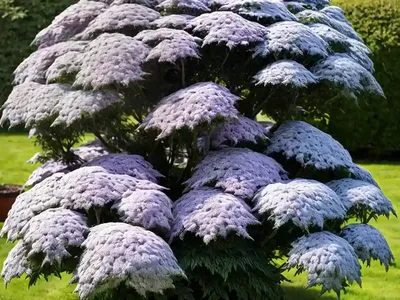
Sambucus Nigra Black Lace� (Elderberry)
Sambucus nigra Black Lace, commonly known as Elderberry Black Lace, is a stunning and versatile plant that has gained popularity in gardens and landscapes..
Sambucus nigra Black Lace, commonly known as Elderberry Black Lace, is a stunning and versatile plant that has gained popularity in gardens and landscapes. Its unique foliage, attractive flowers, and various uses make it a desirable addition to any outdoor space. In this comprehensive guide, we will delve into the various aspects of this plant, including its culture, uses, care requirements, common diseases, and much more.
What is Sambucus nigra Black Lace?
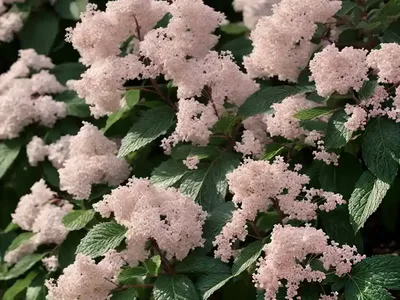
Sambucus nigra Black Lace is a cultivar of the Sambucus nigra species, which belongs to the Adoxaceae family. This deciduous shrub is prized for its finely cut, dark purple foliage and delicate, pink flowers, which eventually give way to clusters of dark berries. The distinct appearance of the Black Lace variety sets it apart from other elderberry cultivars, making it a sought-after plant for landscaping and ornamental purposes.
The Black Lace Elderberry is native to Europe and Northern Africa, where it thrives in various environmental conditions. In addition to its aesthetic appeal, Sambucus nigra Black Lace has historical and cultural significance, as it has been utilized for culinary, medicinal, and folklore purposes for centuries.
Key Takeaways – Sambucus nigra Black Lace (Elderberry)
Before diving deeper into the specifics of growing and caring for Sambucus nigra Black Lace, let’s take a look at the key takeaways associated with this exceptional plant:
- Scientific Name: Sambucus nigra Black Lace
- Common Names: Elderberry Black Lace
- Family: Adoxaceae
- Origin: Europe, Northern Africa
- Foliage: Fine, dark purple
- Flowers: Delicate, pink
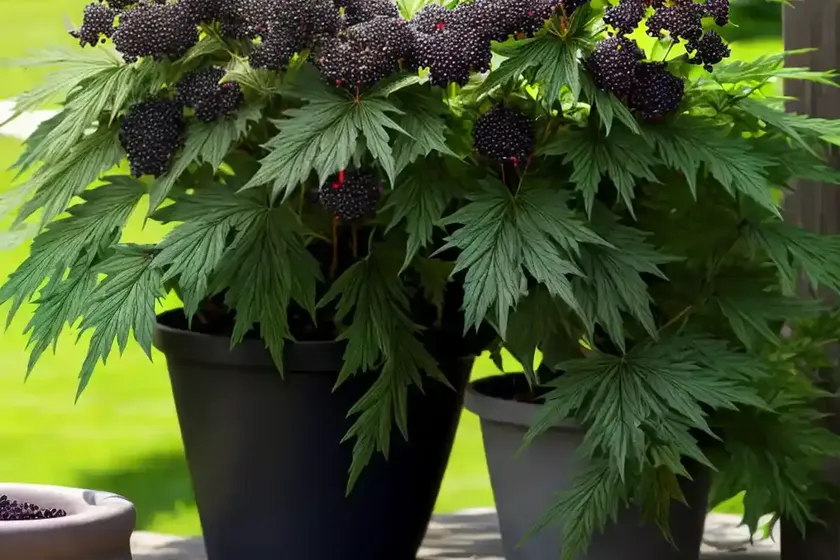
- Fruit: Clusters of dark berries
- Uses: Landscaping, medicinal, culinary
- Attributes: Ornamental, wildlife-friendly
Now that we have a basic understanding of Sambucus nigra Black Lace, let’s explore the various aspects of this plant in greater detail.
Culture of Sambucus nigra Black Lace
Cultivating Sambucus nigra Black Lace requires an understanding of its specific cultural requirements, including soil, sunlight, water, and fertilization. By providing the optimal growing conditions, you can promote the healthy growth and development of this striking shrub.
Uses
Sambucus nigra Black Lace has a diverse range of uses, making it a versatile addition to gardens and landscapes. Its applications span from ornamental and aesthetic purposes to culinary and medicinal uses. Here’s an overview of the primary uses of Black Lace Elderberry:
-
Landscaping: The dramatic foliage and attractive flowers of Sambucus nigra Black Lace make it a popular choice for landscaping. It can be used as a focal point in garden beds, borders, or as a standalone specimen plant.
-
Medicinal: Elderberries have been used in traditional medicine for their potential health benefits. From supporting the immune system to antioxidant properties, the berries and flowers of Sambucus nigra Black Lace are valued for their medicinal properties.
-
Culinary: Elderberries can be used to make jams, syrups, teas, and even wine, adding a flavorful and nutritious element to various culinary creations.
-
Wildlife Attraction: The flowers and fruits of Sambucus nigra Black Lace attract pollinators, birds, and other wildlife, enhancing the biodiversity of the surrounding ecosystem.
Water
Proper watering is essential for the healthy growth and vitality of Sambucus nigra Black Lace. While this plant is relatively adaptable to different moisture levels, it is important to maintain a balanced watering regimen, particularly during periods of establishment and prolonged dry spells. Here are some key considerations for watering Elderberry Black Lace:
-
Establishment: Newly planted Sambucus nigra Black Lace shrubs require regular watering to promote root establishment. During the first growing season, ensure that the soil remains consistently moist but not waterlogged.
-
Mature Plants: Once established, Elderberry Black Lace is moderately drought-tolerant, but regular watering is still necessary, especially during prolonged dry periods. Deep, infrequent waterings are preferable to frequent shallow irrigation.
-
Container Plants: If growing Sambucus nigra Black Lace in containers, ensure that the pots have adequate drainage and monitor the moisture levels regularly, watering as needed to keep the soil from becoming overly dry.
Sunlight
Sambucus nigra Black Lace thrives in full sun to partial shade, displaying the best foliage coloration and flower production when grown in a sunny location. Adequate sunlight is crucial for the overall health and vigor of this plant. Here’s how sunlight influences the growth of Elderberry Black Lace:
-
Foliage Color: When exposed to full sun, the foliage of Sambucus nigra Black Lace intensifies in color, showcasing its characteristic dark purple hue. However, it can tolerate partial shade, especially in regions with hot summers.
-
Flowering: Proper sunlight exposure stimulates flower production in Elderberry Black Lace, leading to the formation of the dainty, pink flower clusters that adorn the plant during the growing season.
-
Site Selection: When selecting a planting site for Sambucus nigra Black Lace, choose a location that receives at least 6 hours of direct sunlight daily for optimum growth and ornamental appeal.
Fertilizer
Appropriate fertilization can enhance the growth and performance of Sambucus nigra Black Lace, promoting robust foliage, prolific flowering, and bountiful fruiting. Understanding the fertilizer needs of this plant is essential to provide the necessary nutrients for its development. Consider the following fertilization guidelines for Elderberry Black Lace:
-
Soil Testing: Before applying fertilizers, conduct a soil test to determine the existing nutrient levels and pH of the soil. This information can help you tailor the fertilization program to meet the specific needs of Sambucus nigra Black Lace.
-
Balanced Fertilizers: Use a balanced, slow-release fertilizer formulated for woody ornamental plants to support the growth of Elderberry Black Lace. Apply the fertilizer in early spring before new growth emerges, following the manufacturer’s recommendations for the application rates.
-
Organic Amendments: Incorporating organic matter, such as compost or well-rotted manure, into the soil around Sambucus nigra Black Lace can improve soil structure and fertility over time, providing a steady source of nutrients for the plant.
Soil
The soil composition and quality play a crucial role in the overall health and vitality of Sambucus nigra Black Lace. Understanding the preferred soil conditions of this plant is essential for establishing a suitable growing environment. Here’s what you need to know about the soil requirements for Elderberry Black Lace:
-
Well-Drained Soil: Sambucus nigra Black Lace thrives in well-drained, loamy soil with a slightly acidic to neutral pH. Avoid waterlogged or compacted soils, as they can lead to root rot and other health issues.
-
Moisture Retention: While the soil should be well-drained, it should also have good moisture retention capacity to support the water needs of Sambucus nigra Black Lace. Organic matter can help improve soil texture and water holding capacity.
-
Soil Amendments: If the native soil is heavy clay or excessively sandy, amending it with organic matter, such as peat moss or compost, can enhance its structure and fertility, creating a more hospitable environment for Elderberry Black Lace.
Pruning Sambucus nigra Black Lace
Pruning is an important aspect of caring for Sambucus nigra Black Lace, contributing to its overall appearance, health, and longevity. Proper pruning practices help shape the plant, remove dead or diseased wood, and encourage new growth and flowering. When it comes to pruning Elderberry Black Lace, consider the following:
-
Timing: The best time to prune Sambucus nigra Black Lace is during late winter or early spring while the plant is still dormant. Avoid pruning in late summer or fall, as it can stimulate new growth that may be susceptible to cold damage.
-
Dead Wood Removal: Regularly inspect Sambucus nigra Black Lace for dead, damaged, or diseased wood, and promptly prune it out to maintain plant health and prevent potential disease spread.
-
Thinning: Thinning out the oldest stems of Elderberry Black Lace can promote better air circulation and light penetration within the canopy, reducing the risk of fungal diseases and encouraging new, vigorous growth.
-
Size Management: If necessary, you can selectively prune Sambucus nigra Black Lace to manage its size and shape, keeping the plant within the desired boundaries and preventing it from becoming overgrown.
Propagation of Sambucus nigra Black Lace
Propagating Sambucus nigra Black Lace allows you to expand your plant collection or share this unique variety with fellow gardeners. From softwood cuttings to division, several methods can be employed to propagate Elderberry Black Lace successfully. Here are some common propagation techniques:
-
Softwood Cuttings: Take 4-6 inch long cuttings from the current season’s growth of Sambucus nigra Black Lace in late spring or early summer. Remove the lower leaves, dip the cut ends in rooting hormone, and plant the cuttings in a well-draining growing medium. Keep the medium consistently moist and provide bottom heat to encourage root development.
-
Hardwood Cuttings: Gather hardwood cuttings from the previous season’s growth of Elderberry Black Lace during the dormant season. Prepare the cuttings, apply rooting hormone, and plant them in a suitable rooting medium. Keep the cuttings in a sheltered location and monitor the moisture levels until roots develop.
-
Division: If Sambucus nigra Black Lace has formed multiple stems or clumps, it can be divided during the dormant season to create new plants. Carefully lift the plant, separate the clumps, and replant them in prepared soil to establish new growth.
-
Suckers: Sambucus nigra Black Lace may produce suckers, which are shoots that emerge from the base of the plant. You can carefully dig up these suckers and replant them in desired locations to propagate additional Elderberry Black Lace shrubs.
Container Growing: Sambucus nigra Black Lace
Growing Sambucus nigra Black Lace in containers is a viable option for gardeners with limited space or those looking to feature this distinctive plant on patios, balconies, or other outdoor areas. Container cultivation provides flexibility and allows you to create a focal point with the unique foliage and flowers of Elderberry Black Lace. Consider the following guidelines for successful container growing:
-
Container Selection: Choose a large container with adequate drainage holes to accommodate the root system of Sambucus nigra Black Lace. A container with a minimum diameter of 18 inches is recommended to provide ample space for the plant to thrive.
-
Growing Medium: Utilize a well-draining, nutrient-rich potting mix when planting Sambucus nigra Black Lace in containers. Avoid using heavy garden soil, as it can lead to drainage issues and hinder the overall growth of the plant.
-
Watering: Container-grown Elderberry Black Lace may require more frequent watering than those planted in the ground, as the soil in containers can dry out more quickly. Monitor the moisture levels closely and water the plant as needed to keep the soil consistently moist but not waterlogged.
-
Sunlight: Provide Sambucus nigra Black Lace with adequate sunlight by placing the container in a location that receives at least 6 hours of direct sunlight each day. If growing the plant indoors, choose a bright, sunny spot near a window.
-
Winter Protection: In regions with cold winters, insulate the container or move it to a sheltered location to protect the roots of Sambucus nigra Black Lace from freezing temperatures.
Popularity of Sambucus nigra Black Lace
Sambucus nigra Black Lace has experienced a surge in popularity among gardeners, landscapers, and enthusiasts due to its exceptional ornamental features, diverse uses, and ecological benefits. The distinct foliage and flowers of this cultivar have contributed to its widespread appeal, making it a sought-after choice for various outdoor settings. The popularity of Elderberry Black Lace can be attributed to the following factors:
-
Aesthetic Appeal: The finely cut, dark purple foliage of Sambucus nigra Black Lace creates a striking visual contrast in the landscape, adding depth and interest to garden beds, borders, and mixed plantings.
-
Wildlife Friendly: The flowers and berries of Elderberry Black Lace attract pollinators, birds, and other wildlife, enriching the ecological diversity of the surrounding area.
-
Cultural Significance: Elderberries, including the Black Lace variety, have historical and cultural significance, with a legacy of culinary, medicinal, and folklore uses that have contributed to their enduring popularity.
-
Versatility: From ornamental landscaping to culinary creations and potential health benefits, Sambucus nigra Black Lace offers diverse applications, catering to a wide range of interests and preferences.
The rising popularity of Sambucus nigra Black Lace underscores its value as a multi-faceted plant with broad appeal and significant contributions to both aesthetic and functional aspects of outdoor spaces.
Common Diseases of Sambucus nigra Black Lace
While Sambucus nigra Black Lace is generally resilient, it can be susceptible to certain diseases under unfavorable growing conditions or environmental stress. Recognizing and managing common diseases is essential to safeguard the health and vigor of Elderberry Black Lace. Here are some prevalent diseases to watch out for:
-
Powdery Mildew: Powdery mildew can affect the foliage of Sambucus nigra Black Lace, manifesting as a powdery, white coating on the leaves. Adequate air circulation, proper spacing, and fungicidal treatments can help manage this fungal disease.
-
Leaf Spot: Various fungal pathogens can cause leaf spotting on Elderberry Black Lace, leading to the development of dark or discolored areas on the foliage. Pruning affected branches, ensuring proper sanitation, and applying fungicides when necessary can mitigate the impact of leaf spot diseases.
-
Anthracnose: Anthracnose is a fungal disease that can cause browning, wilting, and dieback of the branches and foliage of Sambucus nigra Black Lace. Pruning out affected wood, improving air circulation, and employing fungicidal treatments can help manage anthracnose.
-
Root Rot: Overly wet or poorly drained soil can predispose Sambucus nigra Black Lace to root rot, a condition that affects the roots and can lead to decline and wilting of the plant. Implementing proper watering practices and improving soil drainage can prevent root rot.
By maintaining good cultural practices, monitoring the plant regularly, and addressing disease issues promptly, you can minimize the impact of common diseases on Sambucus nigra Black Lace and promote its overall well-being.
Disease Diagnosis and Management
Diagnosing and managing diseases in Sambucus nigra Black Lace requires attentiveness, proper identification, and timely intervention to prevent widespread damage and preserve the health of the plant. Here’s an outline of the steps involved in disease diagnosis and management for Elderberry Black Lace:
-
Observation: Regularly inspect the foliage, stems, and overall appearance of Sambucus nigra Black Lace for any signs of abnormality, including discoloration, wilting, spotting, or unusual growth patterns.
-
Identification: If you notice any symptoms indicative of a potential disease, accurately identify the issue by comparing the observed symptoms with common disease characteristics, such as fungal growth, leaf discoloration, or stem lesions.
-
Consultation: Seek guidance from local horticultural extension services, garden centers, or plant health professionals for assistance in disease diagnosis and management strategies specific to your region and climate.
-
Cultural Controls: Implement cultural practices that minimize disease development, such as ensuring proper watering, maintaining good air circulation, practicing sanitation, and providing optimal growing conditions for Sambucus nigra Black Lace.
-
Chemical Treatments: In severe cases, where cultural controls are insufficient, consider utilizing targeted fungicidal treatments approved for controlling specific diseases affecting Elderberry Black Lace. Follow label instructions and precautions when using chemical interventions.
-
Preventive Measures: Emphasize preventive measures to reduce the likelihood of disease occurrence, such as avoiding excessive moisture on the foliage, addressing soil drainage issues, and promoting overall plant vigor.
By following a proactive approach to disease diagnosis and management, you can effectively protect Sambucus nigra Black Lace from common diseases and sustain its health and vitality in the garden or landscape.
Common Pests Affecting Sambucus nigra Black Lace
Sambucus nigra Black Lace can fall victim to various pests that may compromise its growth and aesthetics if left unchecked. Identifying common pests and implementing appropriate control measures is integral to preserving the well-being of Elderberry Black Lace. Here are some prevalent pests to be mindful of:
-
Aphids: Aphids are small, soft-bodied insects that can congregate on the new growth and undersides of the leaves of Sambucus nigra Black Lace, causing damage through feeding and honeydew secretion. Natural predators, such as ladybugs and lacewings, as well as insecticidal soaps, can help manage aphid populations.
-
Scale Insects: Scale insects can infest the stems and foliage of Elderberry Black Lace, appearing as immobile, waxy coverings. Pruning out heavily infested branches and applying horticultural oil during the dormant season can help control scale insect populations.
-
Spider Mites: Spider mites are tiny arachnids that can feed on the leaves of Sambucus nigra Black Lace, causing stippling, discoloration, and webbing. Regularly spraying the foliage with a strong jet of water and employing miticides when necessary can aid in managing spider mite infestations.
-
Japanese Beetles: Japanese beetles can feed on the foliage and flowers of Elderberry Black Lace, leading to skeletonized leaves and visual damage. Handpicking the beetles, applying physical barriers, or utilizing insecticides approved for beetle control can mitigate their impact.
-
Caterpillars: Certain caterpillar species may feed on the leaves or bore into the stems of Sambucus nigra Black Lace, causing defoliation and structural damage. Manual removal, biological controls, or targeted insecticides can help manage caterpillar infestations.
By being vigilant, promptly addressing pest issues, and employing integrated pest management strategies, you can defend Sambucus nigra Black Lace against common pests and uphold its overall health and appearance.
Botanist’s Tips for Sambucus nigra Black Lace
Here are some invaluable tips from botanists and plant experts for successfully growing and caring for Sambucus nigra Black Lace:
-
Selecting Planting Location: Choose a well-drained site with adequate sunlight for planting Sambucus nigra Black Lace to optimize its growth and ornamental appeal.
-
Soil Preparation: Prior to planting, amend the soil with organic matter to improve its texture and fertility, creating an ideal growing environment for Elderberry Black Lace.
-
Tolerant of Adverse Conditions: While Sambucus nigra Black Lace prefers optimal growing conditions, it is relatively resilient and can tolerate a range of soil types and moisture levels once established.
-
Regular Maintenance: Engage in regular maintenance practices, such as watering, fertilizing, and pruning, to uphold the health and vitality of Sambucus nigra Black Lace throughout the growing seasons.
-
Attractive Companions: Consider pairing