Rosa Rhapsody in Blue: A Guide to Growing and Caring for Shrub Roses
Shrub roses are renowned for their robustness, making them an excellent choice for gardens, landscapes, and containers. One such remarkable variety is the Rosa Rhapsody in Blue – a stunning shrub rose known for its fragrant, colorful blooms and disease resistance. In this comprehensive guide, we will delve into the intricacies of cultivating and nurturing this captivating plant, covering aspects including its culture, uses, water requirements, sunlight needs, fertilizer, soil preferences, pruning techniques, propagation, container gardening, common diseases, pest control, and more. Whether you are a seasoned gardener or a novice enthusiast, this guide will equip you with the knowledge and insights needed to grow and maintain the Rosa Rhapsody in Blue shrub rose successfully.
What is Rosa Rhapsody in Blue (Shrub Rose)?
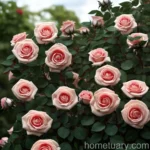
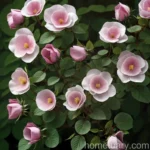
Rosa Rhapsody in Blue is a remarkable shrub rose variety that captivates with its enchanting deep purple blooms and delightful fragrance. This stunning rose cultivar is a part of the Rhapsody series and is celebrated for its exceptional disease resistance, making it an attractive choice for both amateur and experienced gardeners.
Key Takeaways – Rosa Rhapsody in Blue (Shrub Rose)
- Common Name: Rosa Rhapsody in Blue
- Botanical Name: Rosa ‘Rhapsody in Blue’
- Plant Type: Shrub Rose
- Flower Color: Purple, lavender
- Fragrance: Moderate to strong fragrance
- Hardiness Zone: 5-9
- Mature Height: 3-4 feet
- Mature Spread: 3-4 feet
- Disease Resistance: Exceptional
Now, let’s explore the various aspects of cultivating and caring for the Rosa Rhapsody in Blue shrub rose.
Culture
Cultivating the Rosa Rhapsody in Blue shrub rose involves providing it with the right growing conditions and care to ensure its optimal development and bloom production.
Uses
The Rosa Rhapsody in Blue shrub rose is a versatile plant that can be utilized in various ways:
- Garden Beds and Borders: The vibrant blooms and disease resistance make it an excellent choice for garden beds and borders, adding color and fragrance to the landscape.
- Container Gardening: Its compact growth habit and disease resistance make it suitable for growing in containers, allowing for flexibility in placement and arrangement.
- Cut Flowers: The blooms of the Rosa Rhapsody in Blue shrub rose are perfect for creating stunning floral arrangements, adding elegance to indoor spaces.
Water
Proper watering is essential for the health and vitality of the Rosa Rhapsody in Blue shrub rose. Understanding its water requirements is crucial for maintaining optimal moisture levels in the soil.
- Water Requirements:
- The Rosa Rhapsody in Blue shrub rose prefers moderate and consistent moisture levels.
- Water deeply when the soil is dry to the touch, particularly during hot, dry periods.
- Avoid overwatering, as excessive moisture can lead to root rot and other issues.
Sunlight
Like most roses, the Rosa Rhapsody in Blue shrub rose thrives in ample sunlight. Understanding its sunlight needs is vital for ensuring vigorous growth and abundant blooms.
- Sunlight Requirements:
- Plant the Rosa Rhapsody in Blue shrub rose in a location that receives at least 6-8 hours of direct sunlight daily.
- Adequate sunlight promotes robust growth and encourages the development of vivid, colorful blooms.
Fertilizer
Providing the Rosa Rhapsody in Blue shrub rose with the right nutrients is essential for supporting its growth, health, and blooming potential.
- Fertilizer Requirements:
- Use a balanced, slow-release fertilizer formulated for roses and apply it in early spring as new growth begins.
- Reapply fertilizer in late spring to sustain vigorous growth and abundant flowering.
- Avoid over-fertilization, as it can lead to excessive vegetative growth at the expense of flower production.
Soil
Understanding the soil preferences of the Rosa Rhapsody in Blue shrub rose is crucial for ensuring that it is planted in a suitable growing medium.
- Soil Requirements:
- Plant the Rosa Rhapsody in Blue shrub rose in well-draining soil with a slightly acidic to neutral pH (pH 6.0-7.0).
- Incorporate organic matter, such as compost or well-rotted manure, into the soil before planting to improve its texture and fertility.
Pruning
Pruning is an essential aspect of caring for the Rosa Rhapsody in Blue shrub rose, promoting healthy growth, shape control, and enhanced flowering.
- Pruning Techniques:
- Annual Pruning:
- Perform annual pruning in late winter or early spring before new growth emerges.
- Remove dead, diseased, or damaged wood to maintain plant health.
- Deadheading Spent Blooms:
- Regularly deadhead faded blooms to encourage the production of new flowers and prolong the blooming period.
Propagation
The propagation of the Rosa Rhapsody in Blue shrub rose allows for the expansion of its presence in the garden or landscape.
Common Propagation Methods:
- Softwood Cuttings:
- Take softwood cuttings in early summer and root them in a moist, well-draining growing medium.
- Layering:
- Encourage the development of roots on a low-growing stem by burying it in the soil until it produces new roots.
Container Popularity
The compact size and disease resistance of the Rosa Rhapsody in Blue shrub rose make it a popular choice for container gardening.
- Container Gardening Tips:
- Select a large container with adequate drainage holes to accommodate the plant’s root system.
- Use a well-draining potting mix formulated for roses, and ensure the container receives ample sunlight for optimal growth and blooming.
Common Diseases
Despite its exceptional disease resistance, the Rosa Rhapsody in Blue shrub rose may still be susceptible to certain common rose diseases.
Common Rose Diseases:
- Black Spot:
- Identify early symptoms, which include dark spots on leaves, and address the issue promptly with appropriate fungicidal treatments.
- Powdery Mildew:
- Prevent powdery mildew by maintaining good air circulation around the plant and utilizing fungicidal treatments if necessary.
Disease Diagnosis
Promptly diagnosing and addressing diseases is crucial for preserving the health and vitality of the Rosa Rhapsody in Blue shrub rose.
- Early Detection:
- Regularly inspect the plant for signs of disease, including unusual spots, discoloration, or distorted growth.
- Seek professional assistance if you are uncertain about the nature of a particular disease or its treatment.
Common Pests
While the Rosa Rhapsody in Blue shrub rose boasts impressive disease resistance, it may still attract certain pests that can impact its health and appearance.
Common Rose Pests:
- Aphids:
- Monitor the plant for aphid infestations, particularly on new growth, and employ insecticidal treatments if necessary.
- Japanese Beetles:
- Handpick Japanese beetles from the plant or use traps to minimize their impact on the rose.
Botanist’s Tips
Here are some expert tips for growing and caring for the Rosa Rhapsody in Blue shrub rose:
- Regular Monitoring:
- Keep a close eye on the plant’s growth and health, promptly addressing any issues that may arise.
- Prudent Pruning:
- Practice regular and prudent pruning to maintain the plant’s shape, remove diseased growth, and encourage new blooms.
- Adequate Nutrition:
- Ensure the plant receives sufficient nutrients through organic amendments and balanced fertilizer applications.
Fun Facts
Uncover some captivating fun facts about the Rosa Rhapsody in Blue shrub rose:
- Fragrant Blooms:
- The blooms of the Rosa Rhapsody in Blue shrub rose exude a delightful, moderate to strong fragrance, enhancing the appeal of the plant.
- Vivid Coloration:
- The deep purple and lavender hues of the blooms add a touch of elegance and charm to gardens and landscapes.
Links to External Resources
Discover more about the Rosa Rhapsody in Blue shrub rose from these external resources:
- The Royal Horticultural Society – Rosa Rhapsody in Blue
- University of California Agriculture and Natural Resources – Growing Roses in the Home Garden
- American Rose Society
- Missouri Botanical Garden – Rosa Rhapsody in Blue
In conclusion, the Rosa Rhapsody in Blue shrub rose is a captivating and resilient plant that adds charm and elegance to gardens, landscapes, and containers. By understanding and implementing the key considerations outlined in this guide, you can cultivate and nurture this exceptional shrub rose variety with confidence and expertise. With its disease resistance, fragrant blooms, and versatility, the Rosa Rhapsody in Blue shrub rose stands as a captivating choice for gardeners seeking a standout addition to their outdoor spaces.
Whether you are considering incorporating it into your garden, landscape, or container arrangements, the Rosa Rhapsody in Blue shrub rose holds the promise of enhancing your outdoor spaces with its beauty and fragrance. Harnessing the knowledge and insights provided in this guide, you can embark on a journey of growing and caring for the Rosa Rhapsody in Blue shrub rose, deriving joy and satisfaction from its captivating presence.