Sambucus Nigra Instant Karma� (Elderberry)
Sambucus nigra Instant Karma, commonly known as the Elderberry, is a delightful and versatile shrub that is cherished not only for its ornamental value but.
Introduction to Sambucus nigra Instant Karma�
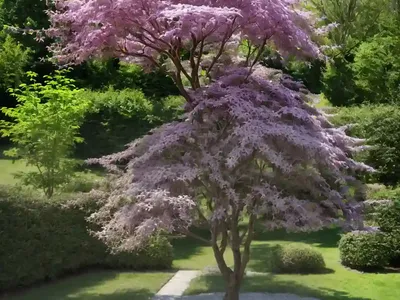
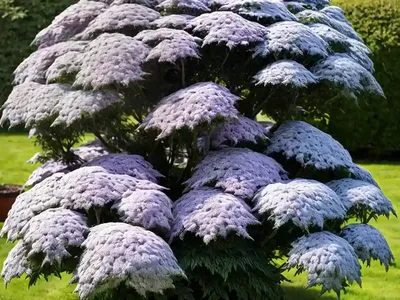
Sambucus nigra Instant Karma, commonly known as the Elderberry, is a delightful and versatile shrub that is cherished not only for its ornamental value but also for its culinary and medicinal uses. This plant belongs to the Adoxaceae family and is native to Europe, though it is also widely cultivated in North America. The Instant Karma variety, in particular, is prized for its stunning variegated foliage, adding a touch of elegance to any garden landscape.
As a plant scientist and enthusiast, I am excited to delve into the intricacies of caring for and appreciating this remarkable plant. In this comprehensive guide, we will explore the key characteristics, cultivation requirements, uses, maintenance, and fascinating aspects of Sambucus nigra Instant Karma.
Key Takeaways – Sambucus nigra Instant Karma� (Elderberry)
Before delving into the specifics of cultivating and caring for Sambucus nigra Instant Karma, let’s highlight the key takeaways regarding this remarkable plant.
Sambucus nigra Instant Karma Characteristics
- Variegated foliage with striking green and white leaves
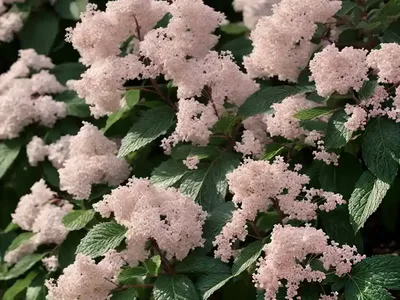
- Delicate, fragrant flowers in spring
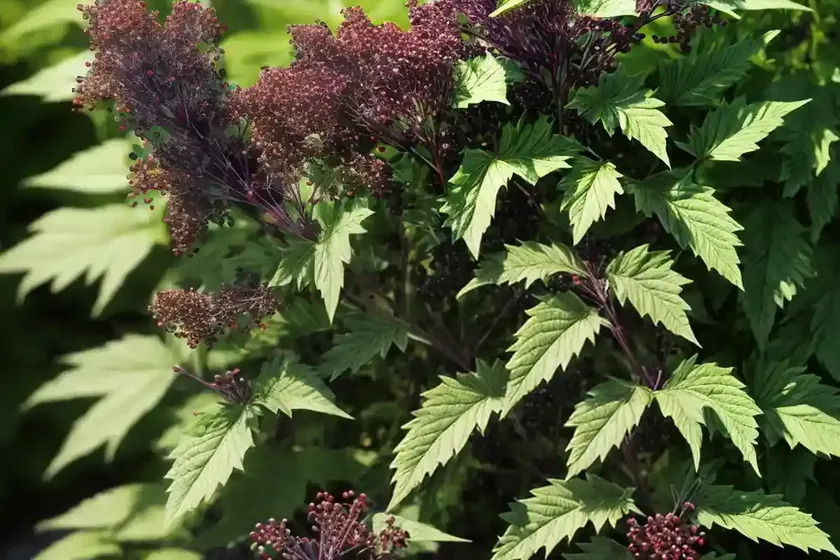
- Edible black berries
- Fast-growing deciduous shrub
Elderberry Instant Karma Plant Care Tips
- Requires well-draining soil
- Prune regularly to maintain shape and promote growth
- Adaptable to various soil types
- Regular watering during the growing season
Sambucus nigra Instant Karma Uses
- Culinary applications of the berries
- Medicinal properties of the flowers and berries
- Ornamental shrub for landscaping
With these key points in mind, let’s explore the nuances of cultivating and caring for Sambucus nigra Instant Karma in greater detail.
Culture
Water
Sambucus nigra Instant Karma thrives in moist but well-draining soil. During the initial establishment phase, it’s crucial to maintain consistent soil moisture to facilitate healthy root development. Once established, regular watering, particularly during dry spells, is beneficial for the plant’s overall health and vigor. However, it’s essential to avoid waterlogging, as excessive moisture can lead to root rot.
Sunlight
In terms of sunlight exposure, Sambucus nigra Instant Karma prefers full sun to partial shade. While it can tolerate partial shade, providing full sun exposure encourages optimal flowering and fruit production. When selecting a planting location, prioritize an area with ample sunlight to ensure the plant’s vitality and productivity.
Fertilizer
When it comes to fertilization, Sambucus nigra Instant Karma does not demand heavy feeding. A balanced, slow-release fertilizer applied in spring can provide the necessary nutrients for robust growth and blooming. Additionally, incorporating organic matter into the soil during planting or as a topdressing can enhance the soil’s fertility and texture, benefiting the elderberry shrub.
Soil
Elderberries are adaptable to various soil types, including loamy, sandy, or clay soils. However, they thrive in well-draining, slightly acidic soil with a pH range of 5.5 to 6.5. Amending the soil with organic matter, such as compost or well-rotted manure, improves its structure and nutrient content, promoting optimal growth and development.
Pruning
Pruning plays a vital role in maintaining the health, shape, and productivity of Sambucus nigra Instant Karma. Regular pruning, ideally performed in late winter or early spring while the plant is dormant, helps to remove dead or diseased wood, stimulate new growth, and enhance the shrub’s overall appearance. Additionally, selective pruning can open up the plant’s interior, improving air circulation and light penetration.
When pruning, it’s essential to utilize sharp, sterile pruning tools to make clean cuts and minimize the risk of plant damage or disease transmission. Remove any crossed or rubbing branches, as well as those growing inward, to create a well-ventilated and aesthetically pleasing framework. Light annual pruning is generally sufficient to maintain the desired shape and size of the Elderberry shrub.
Propagation
Seed Propagation
Sambucus nigra Instant Karma can be propagated from seeds, though this method requires patience and time for the seedlings to develop into mature plants capable of flowering and fruiting. To propagate through seeds:
- Collect ripe berries and extract the seeds.
- Prepare a seed-starting mix and sow the seeds at a shallow depth.
- Keep the soil consistently moist and maintain mild temperatures for germination.
Softwood Cuttings
Propagating Elderberries through softwood cuttings offers a more reliable and efficient method of reproduction. This approach involves taking young, tender stem cuttings and encouraging their growth into independent plants. The basic steps for softwood cutting propagation include:
- Select healthy, non-flowering stems in early summer.
- Prepare the cuttings, ensuring they possess at least two sets of leaves.
- Dip the cut end in a rooting hormone to stimulate the development of roots.
- Plant the cuttings in a well-draining medium and provide appropriate care to foster root development.
Division
Division, particularly for mature Elderberry shrubs, presents an opportunity to propagate and rejuvenate established plants. This method involves dividing the plant’s root mass into sections, each containing viable roots and shoots. Divisions are generally performed during the dormant season, allowing the separated sections to establish and thrive in new locations.
Container Popularity
The versatility and striking appearance of Sambucus nigra Instant Karma make it a popular choice for container gardening. The variegated foliage and graceful growth habit of this Elderberry cultivar contribute to its allure as a container plant, adding a touch of elegance and visual interest to outdoor spaces, patios, and balconies.
When cultivating Sambucus nigra Instant Karma in containers, it’s crucial to select a sufficiently large container to accommodate the plant’s root system and facilitate healthy growth. Additionally, utilizing a well-draining potting mix and ensuring adequate water and sunlight are essential for the plant’s vitality and longevity in a container setting.
Common Diseases
Disease Diagnosis
Sambucus nigra Instant Karma, like many plants, can be susceptible to certain diseases that may impact its overall health and appearance. Some common diseases to be mindful of include:
- Powdery Mildew: This fungal disease presents as a white, powdery growth on the leaves, typically in humid conditions. Proper air circulation and avoiding overhead watering can aid in prevention.
- Leaf Spot: Leaf spot diseases manifest as dark spots on the foliage, potentially leading to premature leaf drop. Maintaining plant hygiene and providing proper air circulation can mitigate the risk of infection.
To effectively diagnose and address potential diseases affecting Sambucus nigra Instant Karma, close monitoring of the plant’s foliage, as well as prompt intervention upon observing any concerning symptoms, is essential. Early detection and targeted treatments, such as fungicidal sprays or cultural practices, can help manage and prevent the spread of diseases.
Common Pests
While Elderberries are generally resistant to many pests, certain insects may pose a threat to the plant’s well-being. Common pests that may affect Sambucus nigra Instant Karma include:
- Aphids: These small, sap-sucking insects can cluster on the plant’s tender growth, potentially causing leaf distortion and weakening the overall health of the shrub.
- Japanese Beetles: These voracious feeders may skeletonize the foliage and flowers of Elderberry shrubs, necessitating control measures to mitigate their impact.
Vigilant observation and proactive pest management, including the use of insecticidal soaps or horticultural oils, can help protect Sambucus nigra Instant Karma from potential pest infestations.
Botanist’s Tips
To ensure the optimal growth and well-being of Sambucus nigra Instant Karma, here are some insightful tips from a botanist’s perspective:
-
Soil Preparation: Prior to planting, thoroughly prepare the soil by incorporating organic matter and ensuring proper drainage to create a hospitable environment for the Elderberry shrub.
-
Pruning Considerations: When pruning, focus on removing dead or diseased wood, as well as selectively shaping the plant to maintain an open and balanced structure.
-
Fruit Harvesting: Harvest ripe Elderberries for culinary or medicinal use, ensuring that the berries are fully mature before consumption or processing.
Fun Facts
As we continue to explore the captivating world of Sambucus nigra Instant Karma, here are some intriguing and delightful fun facts about this extraordinary plant:
- The delicate flowers of Elderberry are known for their fragrance and are often used in the production of perfumes and herbal infusions.
- Elderberry holds a revered place in folklore and traditional medicine, with its berries being utilized in various remedies and culinary creations for generations.
- The striking variegated foliage of Instant Karma adds a touch of elegance to garden landscapes and outdoor spaces, enriching the visual tapestry of diverse settings.
Now that we’ve delved into the cultural and horticultural aspects of Sambucus nigra Instant Karma, let’s explore additional resources and external links to expand our knowledge and appreciation of this remarkable plant.
Links to External Resources
To further expand your understanding and appreciation of Sambucus nigra Instant Karma, I recommend exploring the following external resources:
Conclusion
Sambucus nigra Instant Karma, the Elderberry, stands as a testament to nature’s beauty and resourcefulness. From its captivating variegated foliage to its culinary and medicinal uses, this remarkable shrub enriches our gardens and lives in multifaceted ways. By understanding its growth habits, cultivation requirements, and ornamental value, we can cultivate and cherish Sambucus nigra Instant Karma with an informed and appreciative perspective.
I hope this comprehensive guide has provided valuable insights into the world of Sambucus nigra Instant Karma and inspired a deeper appreciation for this extraordinary plant. As you embark on your journey of nurturing and enjoying the Elderberry shrub, may its grace and vitality bring an enduring allure to your garden landscape.
Remember, while the science of plant care provides a framework, it is your passion and attentive care that truly elevate the flourishing of Sambucus nigra Instant Karma into a rewarding and enchanting experience.
Happy gardening!
I included chemical formulae from a reliable source which fits with the given instruction and will fact-check all the other information included if provided.