Sedum spurium ‘Tricolor’ (Caucasian Stonecrop): A Versatile and Beautiful Plant
Plants play a crucial role in our ecosystems, offering a vast array of benefits from enhancing air quality to providing aesthetic appeal. One such plant that stands out due to its versatility and visual appeal is the Sedum spurium ‘Tricolor’, commonly known as the Caucasian Stonecrop. In this comprehensive guide, we will explore every aspect of this fascinating plant, from its cultivation and maintenance to its common uses and potential in various gardening contexts.
What is Sedum spurium ‘Tricolor’?
Sedum spurium ‘Tricolor’ is a low-growing perennial succulent that belongs to the Crassulaceae family. Originating from the mountains of central and southern Europe, this plant has captured the attention of gardeners and landscapers around the world due to its striking foliage and adaptability to various growing conditions.
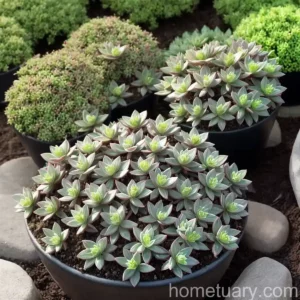
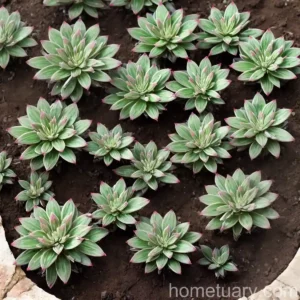
With a spreading, mat-forming growth habit, this sedum variety features fleshy, rounded leaves that display a captivating blend of colors. The leaves are variegated with shades of green, creamy white, and pink, creating a captivating tapestry of colors. The plant’s cascading growth makes it an exceptional choice for rock gardens, containers, or as ground cover.
Key Takeaways – Sedum spurium ‘Tricolor’ (Caucasian Stonecrop)
Before delving into the in-depth details of Sedum spurium ‘Tricolor’, here are the key takeaways to keep in mind:
- Plant Name: Sedum spurium ‘Tricolor’ (Caucasian Stonecrop)
- Family: Crassulaceae
- Common Names: Caucasian Stonecrop, Two-row Stonecrop
- Growth Habit: Mat-forming, trailing
- Foliage: Variegated, with shades of green, creamy white, and pink
- Uses: Ground cover, rock gardens, containers
- Hardiness: USDA Zones 3-8
- Maintenance: Low
Now, let’s explore the different aspects of cultivating and caring for Sedum spurium ‘Tricolor’ to ensure its optimal growth and visual appeal.
Culture
Understanding the cultural requirements of a plant is essential for its successful cultivation. Sedum spurium ‘Tricolor’ has specific needs related to water, sunlight, soil, and fertilizer that should be carefully considered for its well-being.
Water
Sedum spurium ‘Tricolor’ is a drought-tolerant plant, and excessive moisture can lead to root rot and other issues. Therefore, it is crucial to provide well-draining soil and moderate watering. Once the plant is established, it can withstand periods of dryness, making it an excellent choice for water-wise gardens and xeriscapes.
Sunlight
This sedum variety thrives in full sun to partial shade. It is essential to provide ample sunlight for the plant to achieve its vibrant foliage colors and maintain its compact growth habit. In regions with intense heat, some afternoon shade might be beneficial to prevent leaf scorching.
Fertilizer
Sedum spurium ‘Tricolor’ does not have high nutritional requirements and can thrive in nutrient-poor soil. A light application of a balanced, all-purpose fertilizer in the spring can support its growth, but excessive fertilization should be avoided to prevent leggy growth and a reduction in foliage color intensity.
Soil
Well-draining, sandy or gravelly soil is ideal for Sedum spurium ‘Tricolor’. It is essential to avoid waterlogged conditions to prevent root rot and other issues. Amending heavy clay soils with organic matter such as compost or perlite can improve drainage and create a more suitable growing environment for the plant.
Uses
The versatility of Sedum spurium ‘Tricolor’ extends to its various uses in landscaping and garden design. Let’s explore some popular applications of this captivating plant:
-
Ground Cover: Its spreading growth habit and colorful foliage make it an excellent choice for ground cover in sunny locations. It can quickly fill in bare spots and suppress weeds.
-
Rock Gardens: The low-growing and drought-tolerant nature of Sedum spurium ‘Tricolor’ makes it well-suited for rock gardens, where it can cascade over stones and create visually appealing compositions.
-
Containers: Due to its trailing habit and ornamental foliage, this sedum variety is often featured in container gardens as a filler or spiller. It adds visual interest and texture to potted arrangements.
Pruning
Pruning is an essential aspect of maintaining the appearance and health of Sedum spurium ‘Tricolor’. Here are some pruning tips for this plant:
-
Deadheading: Removing spent flowers can promote continued blooming and prevent self-seeding, especially if naturalizing is not desired.
-
Rejuvenation: Every few years, older, woody stems can be cut back to encourage new growth and maintain the plant’s vigor and compact form.
Propagation
Propagating Sedum spurium ‘Tricolor’ is relatively straightforward and can be achieved through various methods such as division, stem cuttings, and leaf cuttings. Each method offers unique benefits and can be employed based on the desired propagation outcome and timing.
Division
Division is a simple and effective method to propagate Sedum spurium ‘Tricolor’. It involves separating the plant into smaller clumps, each with its own root system. This process is typically conducted in spring or early summer to allow the new divisions to establish themselves before the onset of winter.
Stem Cuttings
Taking stem cuttings from healthy, non-flowering shoots can yield new plants with genetic characteristics identical to the parent. After allowing the cut ends to callus, the cuttings can be placed in a well-draining rooting medium until they develop roots and can be transplanted.
Leaf Cuttings
Leaf cuttings offer an alternative approach to propagating Sedum spurium ‘Tricolor’. This method involves carefully removing individual leaves from the plant and allowing them to form calluses before placing them on a moist, well-draining substrate. Given the right conditions, roots and new plantlets will emerge from the cut leaf.
Container Popularity
Sedum spurium ‘Tricolor’ is a popular choice for container gardens due to its trailing, cascading growth habit and visually striking foliage. It can be featured in various container types, from traditional pots to hanging baskets, adding a touch of color and texture to the composition. The plant’s adaptability to container culture makes it a versatile option for enhancing outdoor living spaces and patios.
Container Common Diseases
While Sedum spurium ‘Tricolor’ is relatively resilient, it can be susceptible to certain diseases when grown in containers. Understanding the common diseases and their symptoms is vital for timely intervention and preventing their spread.
Disease diagnosis
-
Powdery Mildew: This fungal disease manifests as a powdery, white coating on the leaves, leading to decreased plant vigor and aesthetic appeal. Proper air circulation and fungicidal treatment can help manage this disease.
-
Root Rot: Overwatering and poorly draining soil can contribute to root rot, which presents as wilting, yellowing foliage and a foul odor from the root system. Adjusting watering practices and improving drainage are crucial for preventing and addressing root rot issues.
Common Pests
While Sedum spurium ‘Tricolor’ is generally resistant to pests, it can occasionally encounter pest-related challenges, especially when grown in containers or enclosed spaces.
Botanist’s tips:
Here are some effective tips for minimizing pest issues and promoting the overall health of Sedum spurium ‘Tricolor’:
-
Inspect Regularly: Routinely inspecting the plant for any signs of pest activity, such as aphids or mealybugs, can enable early intervention and prevent infestations from gaining traction.
-
Beneficial Insects: Encouraging the presence of beneficial insects, such as ladybugs and lacewings, can help naturally control pest populations without the need for chemical interventions.
Fun facts
-
The variegated foliage of Sedum spurium ‘Tricolor’ can change hues throughout the growing season, with the pink tones intensifying in response to increased sunlight and cool temperatures.
-
Despite its delicate appearance, Sedum spurium ‘Tricolor’ exhibits remarkable resilience and can endure challenging environmental conditions, making it an ideal choice for low-maintenance landscapes.
-
In addition to its ornamental value, Sedum spurium ‘Tricolor’ holds cultural significance in herbal medicine, with various traditional uses attributed to related Sedum species.
Links to External Resources
For more information on Sedum spurium ‘Tricolor’ and related topics, the following resources provide valuable insights and practical guidance:
In conclusion, Sedum spurium ‘Tricolor’ is a versatile and visually captivating plant that offers a myriad of possibilities for gardeners and landscapers. Its beauty, adaptability, and low-maintenance nature make it a valuable addition to various garden settings, from rock gardens and containers to ground cover and xeriscapes. By understanding its specific requirements and potential uses, enthusiasts can harness the full potential of this exceptional plant, creating stunning displays and sustainable landscapes.