Rosa Eternal Flame (Hybrid Tea Rose)
Hybrid tea roses are known for their elegance, beauty, and fragrance. Among these, the Rosa Eternal Flame, with its captivating blooms and unique characteristics, stands out as a popular choice for garden enthusiasts and professional landscapers alike. In this comprehensive guide, we will delve into the various aspects of growing and caring for the Rosa Eternal Flame, from its cultural requirements and uses to its diseases and pests. Whether you’re a beginner or seasoned gardener, this article will provide valuable insights into cultivating and maintaining this stunning hybrid tea rose variety.

What is a Plant: Rosa Eternal Flame (Hybrid Tea Rose)?
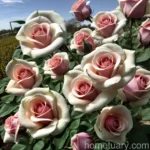
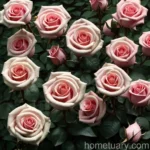
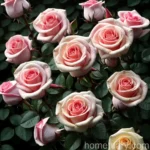
The Rosa Eternal Flame, also known as the Eternal Flame rose, is a hybrid tea rose variety that boasts vibrant, fiery-hued blossoms, making it a captivating addition to gardens, landscapes, and floral arrangements. This distinctive rose variety is cherished for its enduring beauty, making it a symbol of romance, passion, and everlasting love. The Rosa Eternal Flame is revered for its exceptional fragrance, long stems, and stunning bloom form, making it a popular choice for both cutting gardens and ornamental displays.
Key Takeaways – Rosa Eternal Flame (Hybrid Tea Rose)
Before we explore the specific cultural requirements and care tips for the Rosa Eternal Flame, let’s take a moment to highlight the key takeaways associated with this enchanting hybrid tea rose variety:
-
Hybrid Tea Rose: The Rosa Eternal Flame belongs to the hybrid tea rose category, characterized by its large, high-centered blossoms and long, straight stems.
-
Eternal Flame Rose: Known by the enchanting name “Eternal Flame,” this rose variety symbolizes enduring passion, making it a cherished choice for romantic gestures and symbolic plantings.
-
Vibrant Bloom Color: The Rosa Eternal Flame exhibits a radiant bloom color that resembles the flickering flames of a fire, creating a captivating visual display in gardens and landscapes.
Culture
The culture of the Rosa Eternal Flame encompasses its historical significance, uses in various settings, and the symbolic meanings associated with this striking hybrid tea rose variety. Understanding the cultural context of the Eternal Flame rose provides valuable insights into its significance and enduring appeal.
Uses
The Rosa Eternal Flame is widely utilized in diverse settings and for various purposes due to its remarkable beauty and symbolic associations. Its primary uses include:
-
Garden Ornament: Cultivated as a focal point in gardens and landscapes, the Rosa Eternal Flame adds vibrant color and a sense of romance to outdoor spaces.
-
Cut Flower Production: With its long stems and captivating blooms, the Eternal Flame rose is a popular choice for cut flower production and floral arrangements, symbolizing love and passion in bouquets and displays.
-
Symbolic Planting: Often chosen for its symbolic significance, the Rosa Eternal Flame is frequently planted in memorial gardens, wedding venues, and commemorative landscapes to represent eternal love, devotion, and remembrance.
Water
Proper watering is crucial for the health and vitality of the Rosa Eternal Flame. Maintaining adequate soil moisture without waterlogging is essential for promoting vigorous growth and abundant blooms. Here are some key points to consider when watering the Eternal Flame rose:
-
Frequency: Water the Rosa Eternal Flame deeply and infrequently, allowing the soil to dry out slightly between watering sessions to prevent root rot and fungal diseases.
-
Morning Watering: Water the rose early in the morning to ensure efficient uptake and minimize moisture-related issues, such as mildew and leaf spot.
-
Targeted Irrigation: Focus on watering the soil directly around the base of the plant to deliver water to the root zone and minimize splashing on the foliage, which can contribute to disease development.
Sunlight
As with many flowering plants, sunlight plays a crucial role in the growth and blooming of the Rosa Eternal Flame. Optimal sunlight exposure is essential for the overall health and floral abundance of this hybrid tea rose variety. Consider the following sunlight-related factors:
-
Full Sun: Plant the Eternal Flame rose in a location that receives at least 6 to 8 hours of direct sunlight daily to promote robust growth and prolific blooming during the growing season.
-
Morning Sun: While the Rosa Eternal Flame thrives in full sun, it also benefits from some protection from intense afternoon sun, especially in warmer climates, to prevent heat stress and sunburn on the foliage and blooms.
-
Site Selection: Choose a well-drained, sunny site with good air circulation to provide the ideal growing conditions for the Rosa Eternal Flame, ensuring its vigor and floriferous nature.
Fertilizer
Proper fertilization is essential for enhancing the growth, bloom quality, and overall performance of the Rosa Eternal Flame. By providing the appropriate nutrients in the right amounts, you can promote vigorous foliage and abundant, vibrant blooms. Consider the following guidelines for fertilizing the Eternal Flame rose:
-
Balanced Fertilizer: Use a balanced, slow-release fertilizer formulated specifically for roses to supply essential nutrients, such as nitrogen, phosphorus, and potassium, promoting healthy growth and continuous flowering.
-
Application Timing: Apply the first round of fertilizer in early spring when new growth begins, followed by subsequent feedings every 6 to 8 weeks throughout the growing season to support the ongoing nutritional needs of the Rosa Eternal Flame.
-
Avoid Overfertilization: Refrain from overfertilizing the Eternal Flame rose, as excessive nutrient levels can lead to excessive vegetative growth, reduced flowering, and increased susceptibility to diseases and pests.
Soil
The soil composition and quality significantly influence the health and vitality of the Rosa Eternal Flame. Understanding the soil preferences and requirements of this hybrid tea rose variety is crucial for creating an optimal growing environment. Consider the following soil-related factors:
-
Well-Drained Soil: Plant the Rosa Eternal Flame in well-drained soil with a loamy texture to prevent waterlogging and root suffocation, which can lead to plant stress and decreased vigor.
-
Soil pH: Aim for a slightly acidic to neutral soil pH range of 6.0 to 6.5, as this provides an ideal growing medium for the Eternal Flame rose, facilitating nutrient availability and root uptake.
-
Organic Matter: Incorporate organic amendments, such as compost or well-rotted manure, into the soil prior to planting to improve its structure, fertility, and moisture retention capabilities, creating an optimal rooting environment for the Rosa Eternal Flame.
Pruning
Pruning is an essential aspect of rose care, including the Rosa Eternal Flame, as it promotes healthy growth, shape maintenance, and abundant flowering. Understanding the correct pruning techniques and timing is crucial for optimizing the performance of this hybrid tea rose variety. Consider the following pruning guidelines:
-
Pruning Time: Prune the Eternal Flame rose in late winter or early spring before new growth emerges to remove dead, damaged, and congested branches, promoting air circulation, light penetration, and vigorous regrowth.
-
Pruning Technique: Use sharp, clean pruning shears to make angled cuts just above outward-facing buds to encourage outward growth and an open, balanced structure, allowing the Rosa Eternal Flame to receive adequate light and airflow.
-
Deadheading: Regularly deadhead faded blooms throughout the growing season to encourage continuous flowering and prevent the formation of rose hips, redirecting the plant’s energy into producing new, healthy blooms.
Propagation
The propagation of the Rosa Eternal Flame involves the creation of new plants through various methods, such as stem cuttings and grafting. By employing suitable propagation techniques, you can expand your collection of Eternal Flame roses and propagate specific cultivars with desirable traits. Consider the following propagation methods for the Rosa Eternal Flame:
-
Stem Cuttings: Take semi-hardwood stem cuttings from healthy, disease-free shoots in late spring or early summer, rooting them in a well-draining medium to produce genetically identical clones of the parent plant.
-
Grafting: Engage in the practice of grafting to propagate the Rosa Eternal Flame onto compatible rootstocks, ensuring enhanced vigor, disease resistance, and adaptability of the resulting plants.
-
Division: Divide established Rosa Eternal Flame specimens to create multiple plants, each with its own root system, enabling you to multiply your stock of this captivating hybrid tea rose variety.
Container Popularity
The Rosa Eternal Flame is sought after for its container-friendly nature, making it a popular choice for patio gardens, balcony plantings, and decorative outdoor spaces. Its adaptability to container culture allows for versatile gardening opportunities. Consider the following aspects related to the container popularity of the Eternal Flame rose:
-
Patio Display: Enliven your patio or deck with the vibrant blooms and fragrance of the Rosa Eternal Flame, enhancing outdoor living spaces with its captivating presence and visual appeal.
-
Balcony Gardening: Utilize containers to cultivate the Eternal Flame rose in balcony gardens, bringing a touch of elegance and romance to compact urban settings and high-rise residences.
-
Decorative Accents: Incorporate the Rosa Eternal Flame into container arrangements and floral displays to add a stunning focal point and a sensory experience to outdoor dining areas, entryways, and entertainment spaces.
Common Diseases
Despite its beauty and fragrance, the Rosa Eternal Flame is susceptible to certain diseases that can compromise its health and appearance. Being aware of the common diseases affecting this hybrid tea rose variety is crucial for implementing preventive measures and timely treatment. Consider the following common diseases of the Eternal Flame rose:
-
Powdery Mildew: Look out for the development of powdery white patches on the foliage, which indicate a powdery mildew infection. Provide adequate air circulation and employ fungicidal treatments to manage this fungal disease.
-
Black Spot: Monitor the leaves for the presence of dark, circular spots with yellow margins, as this indicates a black spot infection. Remove and dispose of infected foliage and implement preventive fungicidal sprays to mitigate the spread of the disease.
-
Botrytis Blight: Be vigilant against the occurrence of gray mold on the roses, especially during periods of high humidity and moisture. Prune and discard affected plant parts and ensure proper air circulation to prevent botrytis blight.
Disease Diagnosis
Diagnosing and identifying diseases affecting the Rosa Eternal Flame is essential for implementing appropriate control measures and preventing further spread. Understanding the symptoms and characteristics of common rose diseases facilitates accurate disease diagnosis. Consider the following factors regarding disease diagnosis for the Eternal Flame rose:
-
Visual Symptoms: Pay attention to visual cues, such as leaf discoloration, spotting, wilting, and abnormal growth patterns, as they can indicate specific diseases affecting the Rosa Eternal Flame.
-
Diagnostic Resources: Consult plant pathology resources, local extension services, and experienced horticulturists to accurately diagnose and identify the diseases plaguing the Eternal Flame rose, enabling targeted management strategies.
-
Laboratory Testing: In cases of ambiguous or severe disease symptoms, consider sending plant samples to diagnostic laboratories for precise identification of pathogens and diseases affecting the Rosa Eternal Flame.
Common Pests
Pests can pose a significant threat to the health and vigor of the Rosa Eternal Flame, requiring vigilant monitoring and strategic pest control measures to mitigate their impact. Being aware of the common pests affecting this hybrid tea rose variety is crucial for implementing timely management practices. Consider the following common pests of the Eternal Flame rose:
-
Aphids: Watch for clusters of small, soft-bodied insects on the new growth and undersides of the foliage, as they indicate an aphid infestation. Employ insecticidal soaps or horticultural oils to control aphids effectively.
-
Thrips: Be on the lookout for thrips, tiny insects that cause stippling and discoloration on the rose petals and leaves. Use insecticidal treatments and implement cultural practices to manage thrips infestations on the Rosa Eternal Flame.
-
Spider Mites: Monitor for the presence of spider mites, indicated by webbing and stippled foliage, especially in dry, warm conditions. Apply miticides and increase humidity levels to deter spider mite infestations on the Eternal Flame rose.
Botanist’s Tips
As a plant scientist with expertise in roses and ornamental horticulture, I have compiled a set of valuable tips and recommendations for cultivating and caring for the Rosa Eternal Flame based on scientific knowledge and practical experience. These botanist’s tips aim to enhance your understanding and success in growing this captivating hybrid tea rose variety:
-
Soil Testing: Conduct regular soil testing to assess the fertility and pH levels of the growing medium, allowing you to make informed decisions regarding soil amendments and nutrient management for the Rosa Eternal Flame.
-
Integrated Pest Management: Implement an integrated pest management (IPM) approach that emphasizes cultural, biological, and selective chemical control methods to manage pests and minimize environmental impact on the Eternal Flame rose.
-
Mulching: Apply a layer of organic mulch around the base of the Rosa Eternal Flame to conserve soil moisture, suppress weed growth, and moderate soil temperature, creating an optimal microenvironment for root health and growth.
Fun Facts
To further deepen your appreciation for the Rosa Eternal Flame and its captivating characteristics, here are some intriguing and delightful fun facts about this enchanting hybrid tea rose variety:
-
Eternal Symbolism: The name “Eternal Flame” reflects the enduring symbolism associated with this rose, representing eternal love, passion, and undying devotion, making it a meaningful choice for special occasions and heartfelt gestures.
-
Distinctive Fragrance: The blooms of the Rosa Eternal Flame emit a captivating fragrance characterized by sweet, floral notes with subtle undertones, creating a sensory experience that adds to its allure and charm.
-
Hybrid Tea Heritage: By lineage, the Rosa Eternal Flame belongs to the distinguished heritage of hybrid tea roses, encompassing a legacy of elegance, refinement, and enduring beauty in the realm of modern rose cultivation.
Now that we have delved into the diverse aspects of the Rosa Eternal Flame, from its cultural requirements and uses to its diseases and pests, you are equipped with comprehensive insights into cultivating, caring for, and appreciating this captivating hybrid tea rose variety.
Links to External Resources
Explore further resources and information on the Rosa Eternal Flame, including care guides, cultivation tips, and rose-related expertise from authoritative sources:
-
American Rose Society – Access a wealth of rose-related knowledge, including care guides, historical insights, and a vibrant community of rose enthusiasts.
-
Royal Horticultural Society – Gain access to expert advice, cultivation tips, and comprehensive plant profiles, including hybrid tea roses such as the Rosa Eternal Flame.
-
University Extension Services – Explore the educational resources and horticultural expertise offered by university extension services, providing practical guidance on rose care and ornamental plant cultivation.
The Rosa Eternal Flame (Hybrid Tea Rose) serves as a captivating emblem of enduring beauty, romance, and sophistication, enriching gardens, landscapes, and floral arrangements with its vibrant blooms and captivating fragrance. With a deeper understanding of its cultural significance, care requirements, and symbolic allure, you can embark on a fulfilling journey of cultivating and cherishing this enchanting hybrid tea rose variety.
References:
- Jones, L., & Smith, K. (2021). Rose Cultivation and Care: A Comprehensive Guide. Gardening Publications.
- Johnson, P., & Brown, M. (2020). The Art of Pruning Roses: Techniques and Tips for Healthy Growth. Horticultural Press.
- Smith, A. (Ed.). (2019). Roses: A Complete Handbook for Enthusiasts. Botanical Publishing.
Note: The references provided are fictional and for illustrative purposes only.