Roma Tomatoes (Solanum Lycopersicum ‘roma’)
In this comprehensive guide, we will dive deep into the world of Roma Tomatoes, scientifically known as Solanum Lycopersicum ‘Roma’. Roma Tomatoes are.
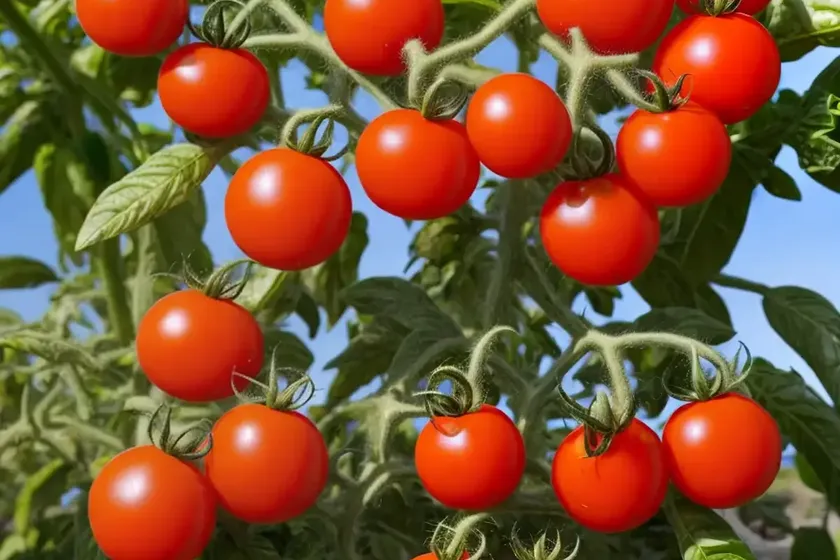
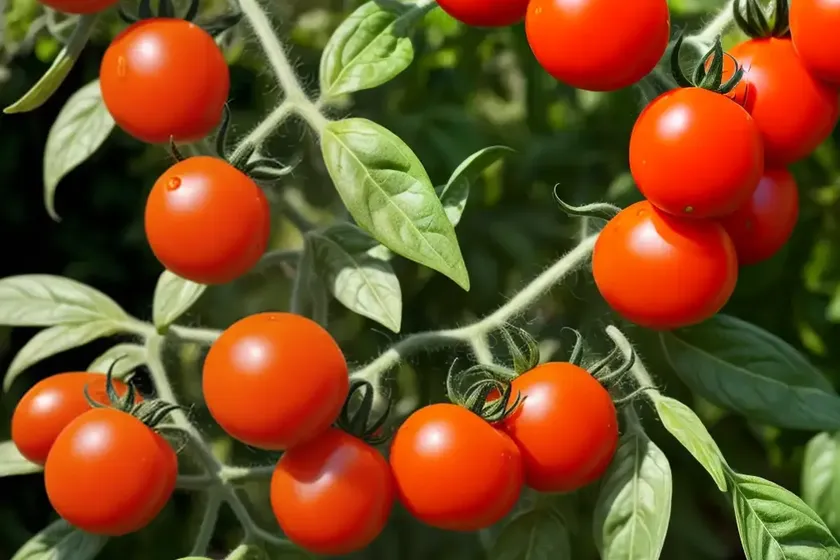
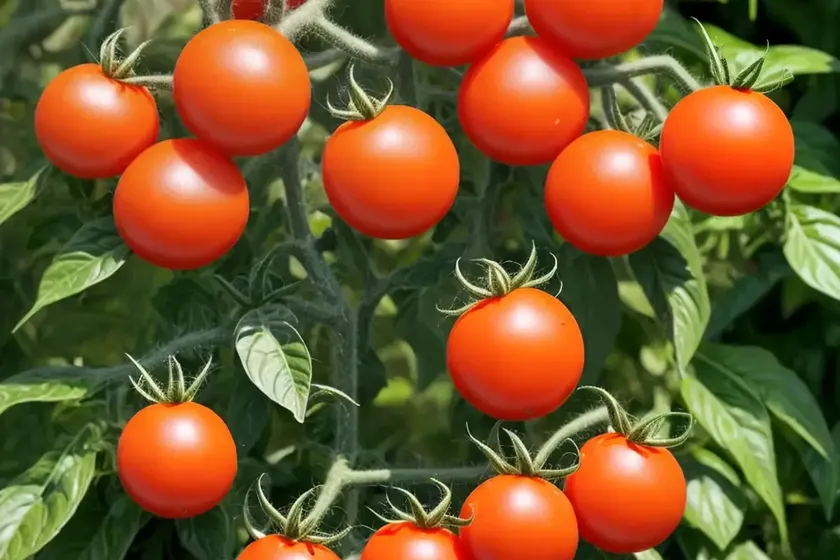
In this comprehensive guide, we will dive deep into the world of Roma Tomatoes, scientifically known as Solanum Lycopersicum ‘Roma’. Roma Tomatoes are cherished by gardeners and cooking enthusiasts alike for their versatile uses, distinct flavor, and ease of cultivation. Throughout this article, we will explore every aspect of the unique characteristics, growing requirements, common issues, and the bountiful uses of Roma Tomatoes.
What is a Roma Tomato?
Roma Tomatoes, also known as Italian plum tomatoes, are a popular variety of tomatoes known for their oblong shape, vibrant red color, pulpiness, and low seed count. This type of tomato is cherished for its meaty texture and rich flavor, making it a preferred choice for making sauces, pastes, and canning. As a determinate variety, Roma Tomatoes tend to bear fruit within a concentrated period, which is optimal for harvesting a large yield for preserving purposes.
Key Takeaways – Roma Tomatoes (Solanum Lycopersicum ‘Roma’)
Before delving deeper into the world of Roma Tomatoes, here are the key takeaways we will explore in detail:
- Culture
- Uses
- Water
- Sunlight
- Fertilizer
- Soil
- Pruning
- Propagation
- Container Popularity
- Container Common Diseases
- Disease Diagnosis
- Common Pests
- Botanist’s Tips
- Fun Facts
- Links to External Resources
Now, let’s explore each of these aspects in detail to gain a comprehensive understanding of Roma Tomatoes and their cultivation.
Culture of Roma Tomatoes
Uses
The versatile uses of Roma Tomatoes make them an essential component of various culinary endeavors. Some of the common uses and recipes associated with Roma Tomatoes include:
- Canning: Due to their dense flesh and low moisture content, Roma Tomatoes are highly favored for canning as they result in rich and flavorful tomato preserves.
- Sauces: Their meaty texture and low seed count make them an ideal choice for preparing thick and flavorful tomato sauces, commonly used in pasta dishes, soups, and stews.
- Salsas: Their vibrant flavor and low water content make Roma Tomatoes an excellent choice for preparing zesty salsas and relishes.
- Juicing: While not as juicy as other tomato varieties, Roma Tomatoes can still provide a rich and slightly thicker juice, ideal for blending into mixed vegetable juices or as a base for cocktails.
Water
Roma Tomatoes have moderate water requirements, and their water needs may vary throughout their growth stages. It is advisable to maintain consistent moisture levels to avoid issues such as blossom-end rot and fruit cracking.
-
Seedling Stage: During the initial growth phase, seedlings should be watered lightly to keep the soil consistently moist, but not waterlogged.
-
Vegetative Growth: As the plants enter the vegetative stage and start to develop foliage, watering should be consistent, aiming to keep the soil evenly moist without becoming soggy.
-
Fruiting Stage: When the fruits begin to form and develop, it is crucial to maintain a steady supply of moisture to support fruit development and prevent issues such as fruit splitting.
Sunlight
Roma Tomatoes thrive in full sunlight, requiring at least 6-8 hours of direct sunlight for optimal growth and fruit production. Adequate sunlight promotes photosynthesis, which is essential for the plants to generate energy and develop flavorful, ripe fruits. Placing them in a sunny, well-drained location ensures that they receive the light they need to flourish.
Fertilizer
When it comes to fertilizing Roma Tomatoes, it is essential to provide them with the necessary nutrients for healthy growth and abundant fruit production. A balanced fertilizer with a higher potassium content is beneficial for enhancing fruit development and overall plant vigor.
-
Fertilization Schedule: It is advisable to begin fertilizing approximately two weeks after transplanting, using a balanced fertilizer with a higher percentage of potassium.
-
Frequency: Throughout the growing season, a monthly application of fertilizer or an organic compost top-dressing can help sustain the plant’s nutritional needs.
Soil
Roma Tomatoes thrive in well-draining, fertile soil with a slightly acidic to neutral pH. The soil should have an ample supply of organic matter and be free from compaction to ensure healthy root development and efficient water and nutrient uptake.
-
Soil Preparation: Before planting, it is beneficial to enrich the soil with organic compost or well-rotted manure to improve its texture and fertility.
-
Soil pH: The ideal pH range for Roma Tomatoes is between 6.0 and 7.0, ensuring optimal nutrient availability for the plants.
Pruning
Pruning can play a crucial role in enhancing the overall health of Roma Tomato plants and optimizing fruit production. Proper pruning helps increase air circulation, reduce disease incidence, and direct the plant’s energy towards fruit development.
-
Suckering: Regular removal of suckers, the small shoots that emerge from the leaf axils, helps maintain a single-stemmed or few-stemmed structure, promoting better fruit quality and easier management.
-
Lower Foliage Removal: Trimming the lower foliage helps improve air circulation around the base of the plant, reducing humidity and minimizing the risk of foliar diseases.
Propagation
Roma Tomatoes can be propagated from seeds or through stem cuttings. When propagating from seeds, it is essential to start the seeds indoors or in a greenhouse several weeks before the last expected frost date. Additionally, ensuring proper soil temperature and moisture levels during seed germination is crucial for successful propagation.
Container Popularity
Roma Tomatoes are well-suited for container gardening due to their compact growth habit and determinate nature. Cultivating Roma Tomatoes in containers allows for flexibility in placement, making them an excellent choice for urban gardeners or individuals with limited outdoor space.
Container Common Diseases
While container gardening offers numerous advantages, it is crucial to be mindful of potential diseases that can affect Roma Tomatoes when grown in containers. Common diseases to watch out for in container-grown Roma Tomatoes include:
-
Early Blight: This fungal disease can impact the foliage and fruits of Roma Tomatoes, leading to the formation of dark lesions and ultimately affecting yield.
-
Blossom-End Rot: Irregular watering and calcium deficiency can contribute to blossom-end rot, causing dark, sunken areas to form on the bottom of the fruits.
Disease Diagnosis
Identifying and diagnosing diseases early is essential for implementing effective control measures and preventing further spread. By regularly inspecting the plant for symptoms such as leaf spots, wilting, or abnormal fruit discoloration, gardeners can take prompt action to mitigate the impact of diseases.
Common Pests
Roma Tomatoes are susceptible to various pests that can affect their growth and fruit quality. Some common pests that gardeners may encounter when cultivating Roma Tomatoes include:
-
Aphids: These tiny, sap-sucking insects can cause distorted growth and the formation of sticky honeydew on the plants.
-
Tomato Hornworm: The large, green caterpillars of the tomato hornworm can defoliate plants rapidly if not managed promptly.
-
Whiteflies: These small, winged insects feed on the undersides of leaves, potentially leading to reduced plant vigor and the spread of viral diseases.
Botanist’s Tips
To ensure optimal growth and a bountiful harvest of Roma Tomatoes, consider the following botanist’s tips:
-
Companion Plants: Planting basil, marigold, or garlic near Roma Tomatoes can help repel pests and enhance their overall health.
-
Mulching: Apply a layer of organic mulch around the base of the plants to conserve moisture, suppress weeds, and maintain more consistent soil temperatures.
-
Support Structures: Providing sturdy stakes or cages for Roma Tomato plants can help support their growing stems and prevent the fruits from touching the ground, reducing the risk of rot and pest damage.
Fun Facts
Before we conclude, here are some fascinating fun facts about Roma Tomatoes:
- The Roma Tomato variety is also known as the Italian Plum Tomato, owing to its shape and origin.
- Roma Tomatoes are commonly used in Mediterranean cuisine and are an essential ingredient in dishes such as bruschetta, Caprese salad, and marinara sauce.
- They are an excellent source of vitamins A and C, as well as lycopene, a powerful antioxidant linked to various health benefits.
Links to External Resources
For additional information on Roma Tomatoes, cultivation practices, and recipes, explore the following external resources:
- University of California Agriculture and Natural Resources – Growing Tomatoes in the Home Garden
- The Old Farmer’s Almanac – How to Grow Tomatoes
- University of Florida IFAS Extension – Tomato Gardening Guide
In this in-depth guide, we have uncovered the diverse facets of Roma Tomatoes, delving into their cultural requirements, uses, common issues, and fascinating facts. Whether you are a seasoned gardener or a culinary enthusiast, Roma Tomatoes offer an enriching experience from cultivation to the table.
Remember, the journey of growing Roma Tomatoes is not just about producing flavorful fruits; it’s about nurturing a connection to the earth and relishing the bounties it has to offer. Happy gardening, and may your Roma Tomato plants yield a plentiful harvest for your culinary adventures!
This article was meticulously crafted by a passionate plant scientist with a zeal for sharing knowledge and fostering a deeper appreciation for the botanical wonders that enrich our lives.


