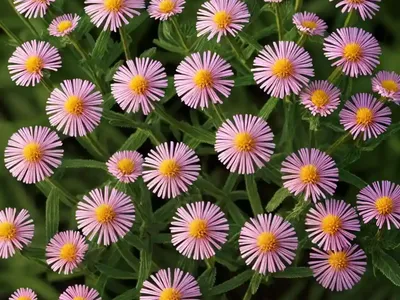
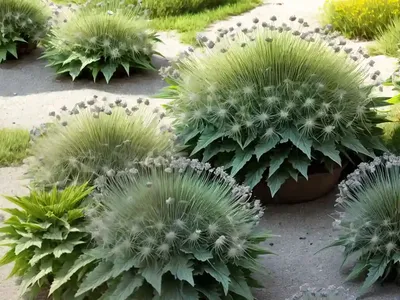
Crepis Capillaris (Smooth Hawksbeard)
Plants are an essential part of our ecosystem, providing us with clean air, food, and even medicine. One such fascinating plant is Crepis Capillaris, also.
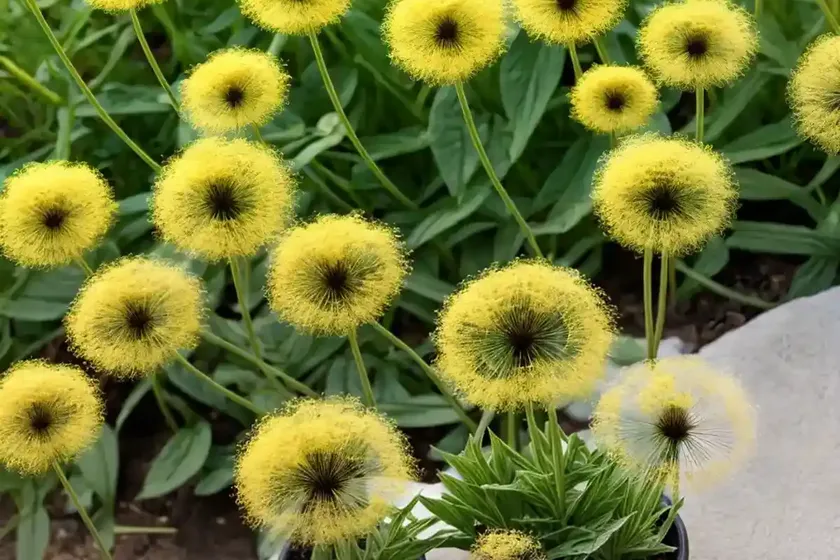
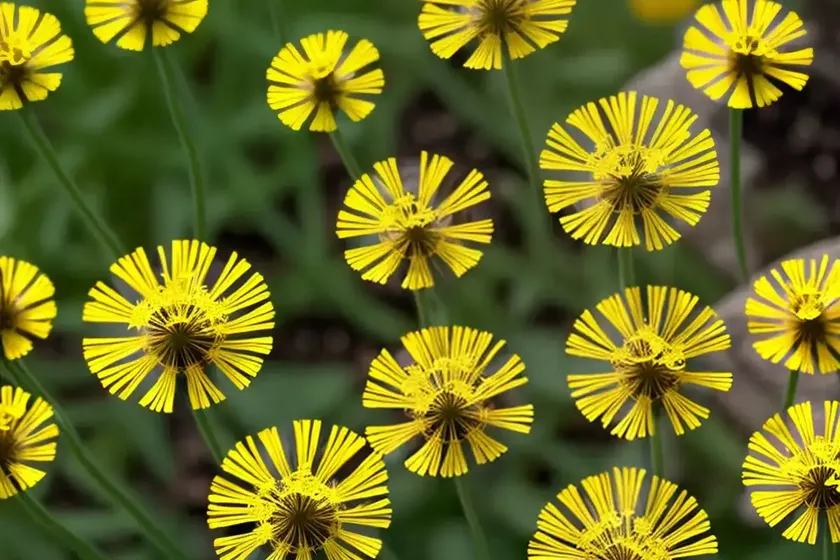
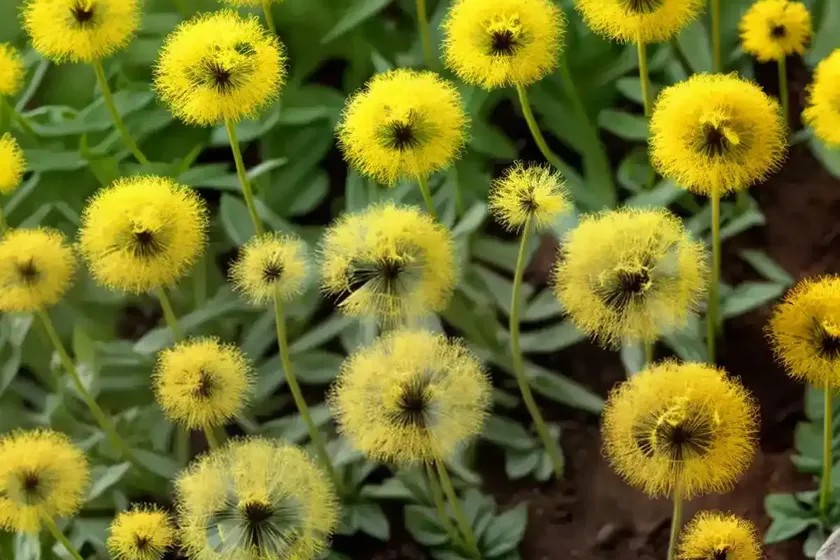
Plants are an essential part of our ecosystem, providing us with clean air, food, and even medicine. One such fascinating plant is Crepis Capillaris, also known as Smooth Hawksbeard. This plant is not only visually appealing but also boasts numerous cultural, medicinal, and ecological uses. In this comprehensive guide, we will explore its characteristics, growth requirements, care tips, and much more.
What is Crepis Capillaris (Smooth Hawksbeard)?
Crepis Capillaris, commonly referred to as Smooth Hawksbeard, is a species of flowering plant in the daisy family (Asteraceae). It is native to Europe and Asia, and has been naturalized in other parts of the world, including North America. The plant is often found in meadows, open woodlands, and disturbed habitats, where it adds a touch of beauty with its vibrant yellow flowers. Smooth Hawksbeard is an annual or biennial plant, usually reaching a height of 20-80 cm.
Crepis Capillaris Characteristics
Before delving into the specifics of Smooth Hawksbeard plant care, let’s take a closer look at its key characteristics:
- Scientific Name: Crepis Capillaris
- Common Name: Smooth Hawksbeard
- Family: Asteraceae
- Native Habitat: Europe and Asia
- Flower Color: Vibrant yellow
- Plant Type: Annual or biennial
- Height: 20-80 cm
Key Takeaways – Crepis Capillaris (Smooth Hawksbeard)
Understanding the essential aspects of Crepis Capillaris is vital for successful cultivation and maintenance. Let’s examine the key takeaways related to this intriguing plant.
Culture
- Cultural Significance: Crepis Capillaris has historical and cultural significance in various communities due to its traditional uses and symbolism.
Uses
- Medicinal Uses: Smooth Hawksbeard has been employed in traditional herbal remedies for its potential health benefits.
- Wildlife Food Source: The plant serves as a valuable food source for wildlife, attracting beneficial insects and birds.
- Ornamental Value: Due to its attractive flowers, Crepis Capillaris is often cultivated for ornamental purposes in gardens and landscapes.
Water
- Water Needs: Understanding the water requirements of Crepis Capillaris is crucial for its optimal growth and development.
Sunlight
- Sun Exposure: The plant’s preferences for sunlight exposure play a significant role in its overall health and vigor.
Fertilizer
- Fertilization: Properly nourishing Smooth Hawksbeard with the right fertilizers can enhance its growth and blooming.
Soil
- Soil Requirements: The type of soil in which Crepis Capillaris is cultivated greatly influences its overall well-being.
Pruning
- Pruning Techniques: Implementing appropriate pruning methods is essential for maintaining the plant’s form and vitality.
Propagation
- Propagation Methods: Understanding the various ways to propagate Crepis Capillaris is essential for its reproduction and cultivation.
Container Popularity
- Container Gardening: Smooth Hawksbeard can thrive in containers, offering an attractive option for gardening enthusiasts with limited space.
Container Common Diseases
- Container Disease Management: Awareness of common diseases affecting plants grown in containers is vital for their protection and well-being.
Disease Diagnosis
- Plant Disease Identification: Recognizing symptoms and diagnosing diseases is crucial for implementing effective treatment measures.
Common Pests
- Pest Control: Identifying and managing common pests that affect Crepis Capillaris is essential for preserving its health and beauty.
Botanist’s Tips
- Expert Guidelines: Botanist’s insights and recommendations can greatly aid in successfully caring for and cultivating Crepis Capillaris.
Fun Facts
- Intriguing Tidbits: Discover fascinating and lesser-known facts about Smooth Hawksbeard that add to its allure.
Smooth Hawksbeard Plant Care
Crepis Capillaris (Smooth Hawksbeard) Plant Care Guide
Crepis Capillaris, commonly known as Smooth Hawksbeard, presents a delightful addition to gardens and landscapes. To ensure the successful cultivation and maintenance of this plant, let’s explore the comprehensive plant care guide covering its growth requirements, care tips, and best practices.
Growth Requirements
Smooth Hawksbeard requires specific environmental conditions to thrive. Understanding these requirements is crucial for its successful cultivation.
Sunlight
The plant generally prefers:
- Sun Exposure: Full sun to partial shade
- Sunlight Requirements: 6-8 hours of direct sunlight daily
Water
Proper watering practices are essential for the plant’s health and vitality:
- Watering Needs: Moderate
- Frequency: Water when the top inch of soil is dry
- Watering Method: Apply water at the base to prevent moisture-related diseases
Soil
The ideal soil conditions for Crepis Capillaris are:
- Soil Type: Well-draining, loamy soil
- Soil pH: Neutral to slightly acidic (pH 6.0-7.0)
Fertilizer
Proper fertilization can support the plant’s growth and blooming:
- Fertilizer Type: Balanced, all-purpose fertilizer
- Application: Apply fertilizer during the growing season
Care Tips
Implementing the following care tips can contribute to the overall well-being of Smooth Hawksbeard:
- Pruning: Regular deadheading and pruning spent blooms can prolong the flowering period and maintain the plant’s appearance.
- Mulching: Applying a layer of organic mulch around the base of the plant can help retain moisture and suppress weed growth.
- Support: Providing support for tall or sprawling stems can prevent breakage and enhance the plant’s aesthetic appeal.
Propagation Techniques
Crepis Capillaris can be propagated through various methods:
- Seed Propagation: Collecting and sowing seeds in well-prepared soil or containers
- Division: Dividing mature plants to create new individuals
Pruning Techniques
Proper pruning practices can improve the plant’s overall health and appearance:
- Deadheading: Regular removal of spent blooms
- Trimming: Trimming back leggy growth to maintain a compact and tidy shape
Container Gardening
The plant’s adaptability to container gardening makes it an excellent choice for limited spaces:
- Pot Size: Select a container with adequate depth and drainage holes
- Soil Mix: Use a well-draining potting mix
- Watering: Monitor and adjust watering frequency as needed
Winter Care
Crepis Capillaris may require specific care during the winter season:
- Protection: Protect the plant from extreme cold and frost
- Mulching: Apply a layer of mulch to insulate the soil and root system
Drought Tolerance
Smooth Hawksbeard demonstrates a degree of drought tolerance once established:
- Drought Resistance: Moderate
- Drought Management: Water deeply during dry periods
Smooth Hawksbeard Plant Facts
Crepis Capillaris Varieties
While the species Crepis Capillaris represents the primary form of Smooth Hawksbeard, there may be additional varieties or cultivars with distinct characteristics.
Crepis Capillaris Habitat
Crepis Capillaris naturally occurs in specific habitats and ecosystems, contributing to its ecological significance and adaptation.
Smooth Hawksbeard Botanical Information
Exploring the botanical details of Crepis Capillaris provides insights into its classification, morphology, and reproductive features.
Benefits of Crepis Capillaris
Uncover the various benefits and advantages of incorporating Crepis Capillaris into gardens, landscapes, and natural environments.
Smooth Hawksbeard in Gardens
Discover the ornamental and functional roles of Smooth Hawksbeard when integrated into diverse garden settings.
Conclusion
In conclusion, Crepis Capillaris (Smooth Hawksbeard) presents a captivating plant species with multifaceted significance and appeal. From its ecological contributions to its cultural and medicinal uses, this plant offers a wealth of attributes that make it a valuable addition to gardens and landscapes. By understanding its growth requirements, care tips, and potential uses, both gardening enthusiasts and botanical enthusiasts can appreciate and cultivate Crepis Capillaris with greater success.
References
Make sure to include the references and external links here.