Cherry Tomato (Solanum Lycopersicum Cerasiforme)
As a plant scientist, I am thrilled to delve into the fascinating world of cherry tomatoes. The cherry tomato, scientifically known as Solanum lycopersicum.
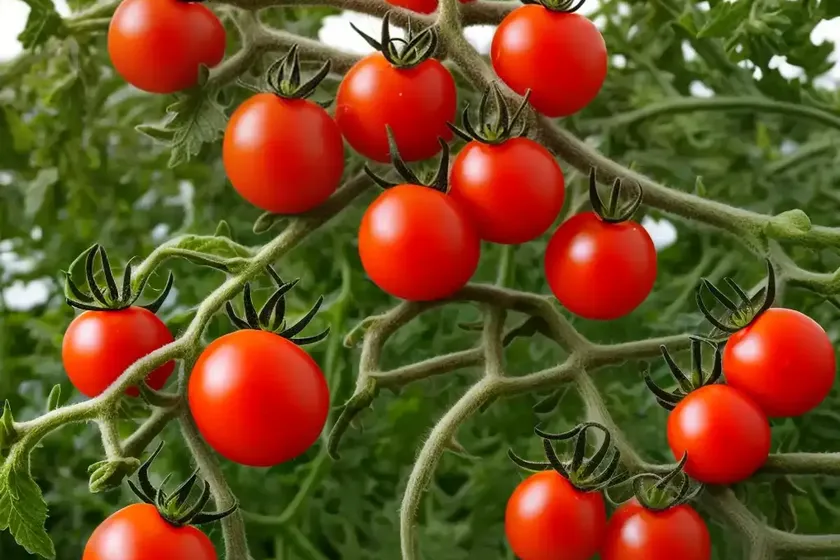
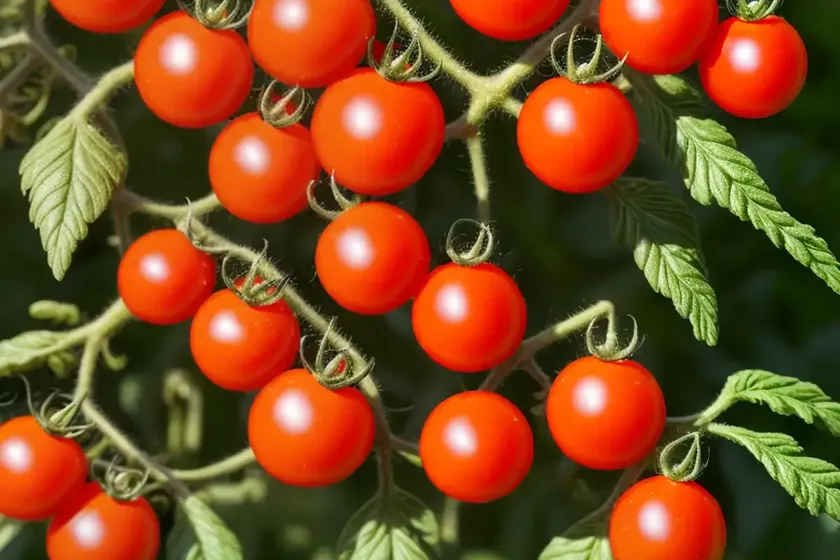
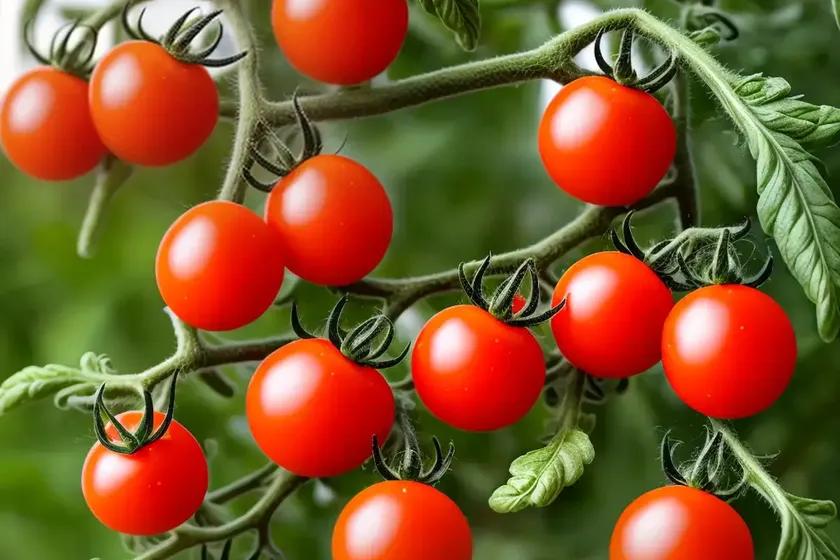
As a plant scientist, I am thrilled to delve into the fascinating world of cherry tomatoes. The cherry tomato, scientifically known as Solanum lycopersicum cerasiforme, is a delightful and versatile fruit that has captured the hearts of gardeners and food enthusiasts around the world. In this comprehensive guide, we will explore the culture, uses, care, diseases, and various aspects of the cherry tomato plant. So, let’s embark on this exciting journey and unravel the secrets of the beloved cherry tomato.
What is Cherry Tomato (Solanum lycopersicum cerasiforme)?
The cherry tomato, a small-sized variation of the classic tomato, belongs to the species Solanum lycopersicum and the variety cerasiforme. It is characterized by its diminutive size, ranging from the size of a thumb to that of a golf ball, and its sweet, juicy flavor. Cherry tomatoes come in a range of colors, including red, yellow, orange, and even black, adding a vibrant touch to any dish or garden.
Key Takeaways – Cherry Tomato (Solanum lycopersicum cerasiforme)
Before we delve into the various aspects of cherry tomato cultivation and care, let’s highlight some key takeaways about this delightful fruit.
- Botanical Name: Solanum lycopersicum cerasiforme
- Plant Type: Perennial, grown as an annual
- Edible: Yes, fruit is edible
- Flavor: Sweet and tangy
- Size: Small, ranging from the size of a thumb to that of a golf ball
- Colors: Red, yellow, orange, and black
- Uses: Culinary purposes, ornamental gardening
- Growth Habit: Indeterminate (continuous growth) or determinate (compact growth)
Now that we have an overview of the cherry tomato, let’s explore the various facets of its culture, uses, and care to ensure its successful growth and a bountiful harvest.
Culture
Cultivating cherry tomatoes can be a rewarding and enjoyable experience, whether you have a spacious garden or a compact balcony. Understanding the optimal conditions for their growth is essential for ensuring a healthy and prolific harvest.
Uses
The uses of cherry tomatoes extend beyond their culinary applications. While they are certainly delightful additions to salads, pasta dishes, and appetizers, they also serve as ornamental plants in gardens, adding pops of color and a sense of vibrancy to the landscape.
Now, let’s explore the specific cultural requirements for nurturing robust and productive cherry tomato plants.
Water
Water is a crucial element in the successful cultivation of cherry tomatoes. These plants require consistent moisture to thrive and produce juicy, flavorful fruits. However, it’s important to maintain a balance, as overwatering can lead to root rot, while underwatering can result in stunted growth and diminished yields. Here are some watering tips for cherry tomatoes:
- Consistent Moisture: Provide consistent, even moisture, ensuring that the soil is neither waterlogged nor dry.
- Deep Watering: Water deeply, allowing the water to reach the root zone, rather than shallow, frequent watering.
- Mulching: Apply a layer of organic mulch around the plants to help retain moisture and regulate soil temperature.
Maintaining proper watering practices will contribute to the overall health and productivity of your cherry tomato plants.
Sunlight
Cherry tomatoes thrive in full sunlight, requiring at least 6-8 hours of direct sunlight per day for optimal growth and fruit development. When selecting a location for planting cherry tomatoes, choose a spot that receives abundant sunlight throughout the day to ensure vigorous plant growth and a bountiful harvest.
Fertilizer
Fertilizing your cherry tomato plants is essential for providing them with the necessary nutrients to support healthy growth and fruit production. Incorporating a balanced fertilizer with the appropriate ratio of nitrogen, phosphorus, and potassium can bolster the plants’ vigor and enhance fruit quality. Consider the following fertilizer tips:
- Balanced Fertilizer: Choose a balanced fertilizer with an NPK ratio suited for fruiting plants, such as 10-10-10 or 5-10-10.
- Application: Apply fertilizer when transplanting and then periodically throughout the growing season, following the manufacturer’s recommendations for application rates.
- Organic Options: Consider organic fertilizers, such as compost or fish emulsion, to provide a natural source of nutrients to the plants.
By providing the proper nutrients through regular fertilization, you can promote robust growth and a plentiful harvest of cherry tomatoes.
Soil
The soil in which cherry tomatoes are grown plays a vital role in their overall development and productivity. Well-draining, fertile soil with a slightly acidic to neutral pH is ideal for cherry tomato cultivation. Here are some soil considerations for growing healthy cherry tomato plants:
- Well-Draining: Ensure that the soil has good drainage to prevent waterlogging, which can lead to root diseases.
- Fertility: Incorporate organic matter, such as compost or well-rotted manure, to enrich the soil and provide essential nutrients to the plants.
- pH Level: Aim for a soil pH within the range of 6.0 to 6.8, which is conducive to optimal nutrient uptake by the plants.
Choosing the right soil and providing proper amendments can create an environment that fosters healthy cherry tomato plants and abundant fruit production.
Pruning
Pruning is an essential practice in cherry tomato cultivation, promoting improved airflow, disease prevention, and optimal fruit development. Indeterminate varieties, in particular, benefit from regular pruning to manage their growth and enhance fruit yield. Here are some key pruning tips for cherry tomatoes:
- Suckering: Remove the suckers that develop in the leaf axils, directing the plant’s energy toward fruit production rather than excessive vegetative growth.
- Air Circulation: Prune overcrowded foliage to improve airflow around the plants, reducing the risk of fungal diseases, such as blight.
- Single Leader: Train indeterminate varieties to a single leader by removing competing stems, which can help focus the plant’s energy and encourage larger fruit formation.
By incorporating regular pruning into your cherry tomato care routine, you can optimize plant health and productivity, leading to a more abundant harvest.
Propagation
Cherry tomatoes can be propagated through several methods, including seed sowing and vegetative propagation. While starting from seeds is a popular and accessible approach, especially for home gardeners, vegetative propagation, such as stem cuttings, offers an alternative method for preserving desired traits. Here’s a brief overview of the propagation methods for cherry tomatoes:
- Seed Sowing: Start cherry tomato plants from seeds indoors several weeks before the last frost date, providing a head start on the growing season.
- Stem Cuttings: Select healthy, non-flowering stems and root them in a suitable growing medium to produce genetically identical clones of the parent plant.
By understanding the various propagation methods, you can choose the most suitable approach for expanding your cherry tomato garden and preserving desirable traits.
Container Popularity
The popularity of growing cherry tomatoes in containers has surged in recent years, driven by the appeal of cultivating fresh produce in limited spaces and the convenience of container gardening. With the right container and proper care, cherry tomatoes can thrive and produce bountiful harvests, even in compact urban settings.
Container
When growing cherry tomatoes in containers, selecting the appropriate container and providing proper support are essential for ensuring the plants’ success and productivity. Consider the following container gardening tips for cherry tomatoes:
- Container Size: Choose a container with a minimum volume of 5 gallons to accommodate the vigorous root system of cherry tomato plants.
- Drainage: Ensure that the container has adequate drainage holes to prevent waterlogging and promote healthy root development.
- Support: Provide sturdy support, such as a trellis or cage, to help the plants grow upright and support the weight of the fruit.
By embracing container gardening, you can harness the versatility of cherry tomatoes and enjoy a bountiful harvest, regardless of space limitations.
Common Diseases
Cherry tomatoes, like other tomato varieties, are susceptible to certain diseases that can impact plant health and reduce fruit yields if left unchecked. Awareness of common tomato diseases and their symptoms is crucial for prompt diagnosis and effective disease management. Let’s explore some prevalent diseases that can affect cherry tomato plants.
Disease Diagnosis
Diagnosing diseases in cherry tomato plants requires careful observation of symptoms, including leaf discoloration, wilting, and fruit abnormalities. By familiarizing yourself with common tomato diseases and their distinguishing characteristics, you can take proactive measures to mitigate their impact. Here are some common diseases that may affect cherry tomatoes:
- Early Blight: Identified by dark concentric lesions on lower leaves, which can spread to the entire plant if not addressed promptly.
- Late Blight: Causes water-soaked lesions on leaves and fruits, leading to rapid plant decline in humid conditions.
- Septoria Leaf Spot: Characterized by small, circular spots with dark margins on leaves, eventually leading to defoliation and reduced fruit quality.
By monitoring your cherry tomato plants regularly and being vigilant for disease symptoms, you can intervene early and implement appropriate control measures to safeguard plant health.
Common Pests
Pests can pose a significant threat to cherry tomato plants, diminishing fruit quality and impacting overall plant vitality. Identifying common tomato pests and implementing integrated pest management strategies can help mitigate their impact and preserve the health of the plants. Let’s explore some prevalent pests that may affect cherry tomato plants.
Pest Identification
Identifying and addressing pests in a timely manner is crucial for preventing extensive damage to cherry tomato plants and preserving their productivity. Familiarize yourself with common tomato pests and their distinguishing characteristics to facilitate effective pest control. Here are some common pests that may target cherry tomatoes:
- Aphids: Small, soft-bodied insects that cluster on new growth, causing stunted plant growth and transmitting viral diseases.
- Hornworms: Large green caterpillars that can defoliate plants rapidly, impacting fruit production and plant vigor.
- Whiteflies: Tiny, flying insects that congregate on the undersides of leaves, leading to yellowing and reduced photosynthetic activity.
By implementing proactive pest monitoring and employing targeted control measures, you can safeguard your cherry tomato plants from the damaging effects of common pests.
Botanist’s Tips
As a plant scientist, I’m excited to share some valuable tips and insights for successfully growing and caring for cherry tomatoes. These botanist’s tips are designed to enhance your understanding of the plants’ needs and provide practical guidance for optimizing their growth and productivity.
Botanist’s Tips for Growing Cherry Tomatoes
- Selecting Varieties: Explore different cherry tomato varieties to discover unique flavors and colors, adding diversity to your garden and culinary endeavors.
- Support Systems: Implement robust support systems, such as trellises or cages, to provide structural support for the plants and minimize damage to fruit-laden branches.
- Companion Planting: Embrace companion planting by incorporating compatible herbs and flowers, such as basil and marigolds, to enhance pest resistance and overall garden health.
By integrating these botanist’s tips into your cherry tomato cultivation practices, you can foster thriving plants and enjoy a plentiful harvest of delectable fruits.
Fun Facts
To further enrich our exploration of cherry tomatoes, let’s unveil some intriguing and delightful fun facts about these beloved fruits. These fun facts offer a glimpse into the fascinating world of cherry tomatoes and their cultural significance.
Fascinating Fun Facts about Cherry Tomatoes
- Ancient Origins: Cherry tomatoes are believed to have originated in the Andes region of South America and were domesticated by indigenous cultures thousands of years ago.
- Genetic Diversity: The diverse range of colors and flavors found in cherry tomatoes reflects the extensive genetic variation within the species Solanum lycopersicum.
- World Records: In 2017, a cherry tomato plant from the Netherlands set a world record by producing an astounding 32,194 tomatoes in the span of one year.
These captivating fun facts underscore the rich history and remarkable diversity of cherry tomatoes, further enhancing our appreciation for these exceptional fruits.
Links to External Resources
For those seeking additional information and resources to deepen their knowledge of cherry tomato cultivation and care, I’ve curated a selection of valuable external links that offer insightful guidance and expert perspectives on the subject.
External Resources
- University of California Cooperative Extension: Growing Tomatoes in the Home Garden: An in-depth guide to growing tomatoes in home gardens, providing comprehensive information on soil preparation, planting, and pest management.
- National Gardening Association: Container Gardening with Vegetables: A helpful resource that shares practical tips and advice for successful container gardening with vegetables, including cherry tomatoes.
- The Old Farmer’s Almanac: Tomato Pests and Problems: An informative article that outlines common pests and diseases that affect tomato plants, along with strategies for prevention and control.
These external resources serve as valuable references for enthusiasts and gardeners seeking to expand their knowledge and expertise in cherry tomato cultivation and horticulture.
In closing, the cherry tomato, Solanum lycopersicum cerasiforme, embodies a remarkable blend of culinary delight, ornamental beauty, and horticultural versatility. By embracing the insights and recommendations shared in this guide, you can embark on an enriching journey of cultivating and nurturing these beloved fruits, fostering a deeper connection with nature and the joys of gardening.
With a tapestry of flavors and a kaleidoscope of colors, cherry tomatoes hold a special place in the hearts and gardens of plant enthusiasts and gastronomes alike, adding a touch of sweetness and vibrancy to our lives.
As we celebrate the remarkable journey of the cherry tomato, may we continue to savor its bountiful harvest and nurture its legacy for generations to come.
Remember, the world of plants is vast and endlessly fascinating, with each species offering unique insights and discoveries for those who seek to explore its intricacies. As a plant scientist, I am honored to share the wonders of the botanical realm and invite fellow enthusiasts to join me in this captivating pursuit of knowledge and appreciation.
Happy gardening, and may your cherry tomato harvest be abundant and delightful!
[Reference Links]
1- Tomato varieties
2- Tomato plant care
3- Growing cherry tomatoes
4- Tomato cultivation tips
5- Best fertilizer for tomatoes
6- Tomato plant diseases
7- Tomato plant pests
8- Tomato plant pruning
9- Tomato plant support
10- Tomato plant pests and diseases


