Parodia Warasii (Parodia Warasii Syn. Notocactus Warasii)
Parodia Warasii, also known as Notocactus Warasii, is a charming cactus that belongs to the Cactaceae family. This species is famous for its globular.
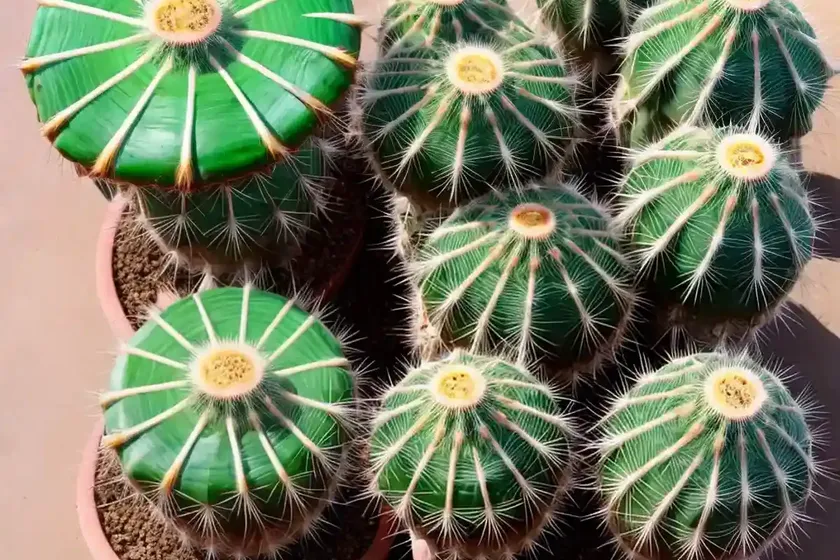
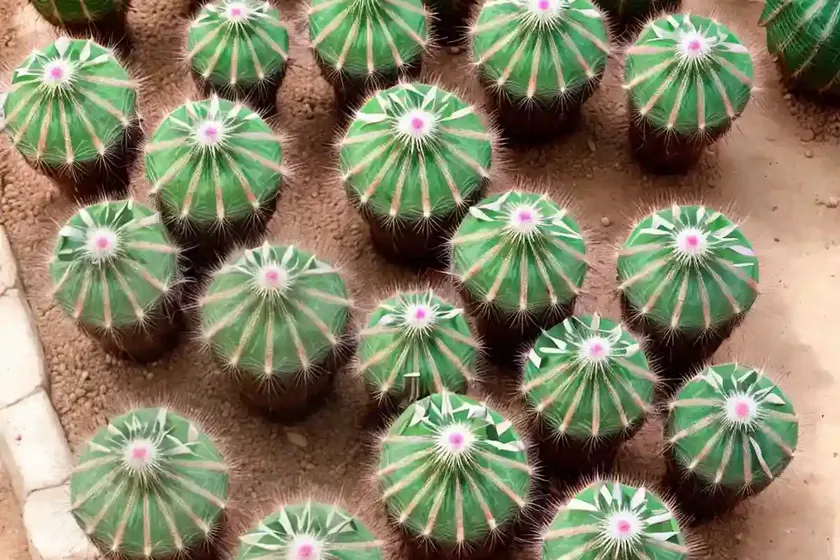
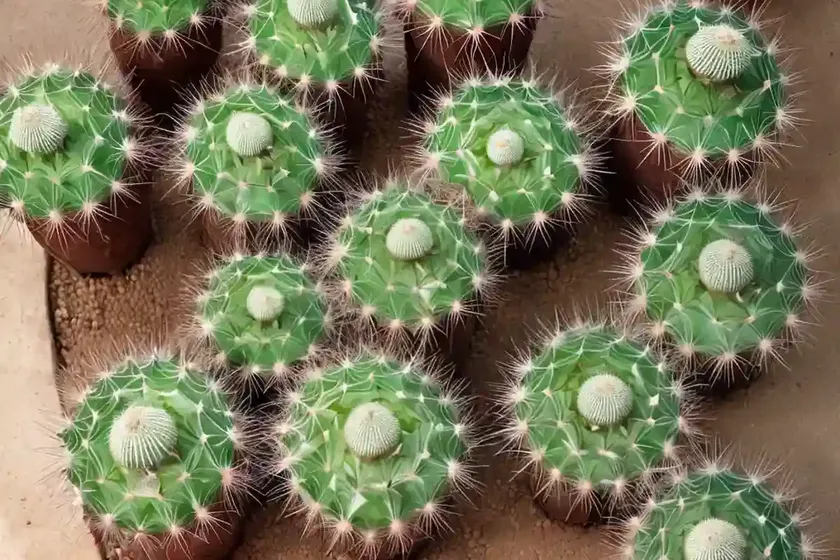
Parodia Warasii, also known as Notocactus Warasii, is a charming cactus that belongs to the Cactaceae family. This species is famous for its globular shape, featuring numerous columnar, ribbed, and spiny stems. Native to Brazil, Parodia Warasii is a popular ornamental plant due to its stunning flowers and low maintenance requirements. In this comprehensive guide, we will delve into the various aspects of caring for Parodia Warasii, from its cultural requirements to its propagation and common diseases and pests. Without further ado, let’s explore the captivating world of Parodia Warasii.
What is Parodia Warasii?
Parodia Warasii is a species of cactus indigenous to Brazil, where it is found growing in rocky, dry regions. It is characterized by its spherical shape, which is attributed to the presence of numerous columnar stems with prominent ribs and sharp spines. During the blooming season, typically in late spring to early summer, Parodia Warasii produces beautiful, vividly colored flowers in shades of yellow, red, or orange. The flowers are often quite large in comparison to the overall size of the plant, creating a striking aesthetic appeal.
With its distinctive appearance and relatively low maintenance requirements, Parodia Warasii is a popular choice for cactus enthusiasts and hobbyist gardeners. Its adaptability to various environmental conditions and its resilience make it suitable for both indoor and outdoor cultivation.
Key Takeaways
Before we dive deeper into the specifics of caring for Parodia Warasii, let’s outline some key takeaways about this fascinating plant.
Parodia Warasii (Parodia Warasii Syn. Notocactus Warasii)
- Family: Cactaceae
- Origin: Brazil
- Common Names: Lemon Ball Cactus, Parodia warasii, Notocactus warasii
- Features: Globular shape, columnar stems, ribs, and spines
- Flowering Season: Late spring to early summer
- Flower Colors: Yellow, red, orange
These key takeaways provide a foundational understanding of the basic characteristics and features of Parodia Warasii, forming the basis for further exploration of its cultivation and care.
Culture
Uses
Parodia Warasii is valued for both its ornamental qualities and its ability to thrive in arid and semi-arid environments. It is commonly grown as a decorative potted plant, adding a touch of desert aesthetics to indoor spaces, gardens, and xeriscapes. Additionally, its adaptability to dry conditions makes it suitable for landscaping in regions with low water availability.
In its native habitat, Parodia Warasii plays a vital role in its ecosystem by providing habitat and sustenance for various desert-adapted organisms. Its flowers attract pollinators, while its stems and spines offer protection for small animals seeking refuge from predators.
Water
One of the most critical aspects of caring for Parodia Warasii is its water requirements. As a desert plant, it is essential to avoid overwatering, which can lead to root rot and other water-related issues. Instead, it thrives in well-draining soil and benefits from a more restrained watering schedule, especially during the winter months when its growth slows down.
Watering Tips:
- Use the “soak and dry” method: Water the plant thoroughly, allowing excess water to drain out from the bottom of the pot. Wait until the soil is dry to a significant depth before watering again.
- Adjust watering frequency based on the season: During the active growing season, typically from spring to early fall, you can water more frequently. In contrast, reduce watering during the winter to mimic the plant’s natural dormancy period.
Sunlight
Parodia Warasii thrives in bright, direct sunlight, making it an ideal choice for sunny windowsills and outdoor areas with ample sunlight exposure. When grown indoors, placing the plant near south or west-facing windows ensures that it receives adequate light for healthy growth and flowering. Outdoors, it can be positioned in well-lit spots in the garden or on patios and balconies.
Sunlight Requirements:
- Indoor Care: Position the plant near south or west-facing windows to maximize sunlight exposure.
- Outdoor Care: Select locations in the garden that receive full sunlight for a significant portion of the day.
Fertilizer
Feeding Parodia Warasii with a balanced fertilizer specially formulated for cacti and succulents can support its growth and flowering. During the active growing season, which corresponds to spring and summer, regular fertilization can provide essential nutrients that may be lacking in the soil or potting mix.
Fertilization Guidelines:
- Use a diluted, balanced fertilizer with a formulation such as 10-10-10 or 15-15-15.
- Apply the fertilizer sparingly, following the manufacturer’s recommendations for frequency and concentration.
- Refrain from fertilizing during the plant’s dormant period in late fall and winter.
Soil
Selecting the right soil or potting mix is crucial for the successful cultivation of Parodia Warasii. It requires a well-draining medium that mimics the sandy, rocky soil it naturally inhabits in its native environment. Commercial cactus and succulent mixes are readily available and are often suitable for meeting the plant’s soil requirements.
Soil Type:
- Opt for a well-draining cactus mix comprising a blend of sand, perlite, and coarse soil.
- Ensure that the soil pH is slightly acidic to neutral, ranging from 6.0 to 7.0.
Pruning
While Parodia Warasii does not require extensive pruning, occasional maintenance can help maintain its attractive appearance and manage any damaged or decaying stems. When pruning, it is essential to use sharp, clean tools to minimize the risk of introducing pathogens to the plant. Cutting back excessive growth and removing any dead or unhealthy stems can promote the plant’s overall health and aesthetics.
Pruning Tips:
- Use sterilized pruning shears to avoid transmitting diseases to the plant.
- Remove any damaged, diseased, or withered stems, cutting them back to healthy tissue.
- Prune sparingly, as the plant’s natural form is part of its appeal and charm.
Propagation
Propagating Parodia Warasii can be a rewarding endeavor for plant enthusiasts, allowing them to expand their collection or share the joy of growing these lovely cacti with others. The most common methods of propagation include seed germination and stem cuttings, each with its unique requirements and considerations.
Propagation Methods:
- Seed Germination: Sow seeds in a well-draining, sterile cactus mix and provide suitable conditions for germination, including warmth, moisture, and indirect sunlight.
- Stem Cuttings: Allow cut stem segments to callus for a few days before planting them in a prepared cactus mix. Keep the soil lightly moist until new roots develop.
Container
When growing Parodia Warasii in containers, selecting the right pot and providing proper care are essential for its health and growth. A thoughtful approach to container selection, potting mix, and overall maintenance can contribute to the plant’s well-being and longevity.
Container Considerations:
- Choose pots with drainage holes to prevent waterlogged soil and root rot.
- Opt for containers that allow for sufficient space for the plant’s roots to spread comfortably.
- Place a layer of small stones or gravel at the bottom of the pot to aid drainage.
Popularity
Parodia Warasii has gained popularity among cactus enthusiasts and gardeners due to its striking appearance, resilient nature, and dazzling blooms. As a charming addition to indoor and outdoor settings, its widespread appeal is evident in its presence in collections, botanical gardens, and residential landscapes.
Common Diseases
While Parodia Warasii is generally resistant to many common plant diseases, it may still be susceptible to certain issues under unfavorable conditions. Understanding the potential diseases and their causes can aid in the prevention and management of these issues.
Disease Diagnosis:
- Root Rot: Caused by overwatering or poorly drained soil, leading to root damage and decay.
- Powdery Mildew: Fungal growth on the stems and spines, often resulting from high humidity and poor air circulation.
- Bacterial Rot: Manifests as soft, sunken spots on the stems, particularly in response to excessive moisture or physical damage.
Common Pests
In addition to diseases, Parodia Warasii may also face challenges posed by common pests that target cacti and succulents. Identifying and addressing pest infestations promptly can prevent damage and maintain the plant’s vigor.
Common Pests:
- Spider Mites: Tiny arachnids that feed on plant sap, leading to yellowing and stippling of the stems.
- Mealybugs: Small, white insects that cluster on the stems and in crevices, causing stunted growth and honeydew secretion.
- Scale Insects: Hard, immobile pests that attach to the stems and feed on plant tissues, often resulting in wilting and yellowing.
Botanist’s Tips
To further enhance your understanding of Parodia Warasii and its cultivation, let’s delve into some additional tips and insights from the perspective of botanists and plant scientists. These tips can provide valuable guidance for optimizing the care and growth of your Parodia Warasii plants.
Botanist’s Recommendations:
- Monitor Watering Closely: Pay careful attention to the plant’s water needs and adapt your watering practices based on seasonal variations and the plant’s growth cycle.
- Provide Winter Rest: Respect the plant’s natural dormancy period by reducing watering and minimizing fertilization during the winter months.
- Maintain Good Air Circulation: Ensure that the plant’s growing environment has adequate airflow to discourage fungal diseases and pest infestations.
Fun Facts
Exploring some fun and intriguing facts about Parodia Warasii can deepen your appreciation for this captivating cactus species. From its ecological significance to its fascinating characteristics, these fun facts shed light on the unique allure of Parodia Warasii.
Fascinating Tidbits:
- Ecological Importance: In its native habitat, Parodia Warasii supports a diverse array of desert wildlife, including insects, birds, and small mammals.
- Longevity: With proper care, Parodia Warasii can live for several decades, showcasing its resilience and enduring appeal.
- Flower Diversity: Parodia Warasii exhibits a wide range of flower colors, captivating observers with its brilliant floral displays.
Links to External Resources
For further information on Parodia Warasii, its cultivation, and related topics, consider exploring the following external resources:
- The Cactus and Succulent Society of America
- Royal Horticultural Society – Cacti and Succulents
- Cactus and Succulent Society of New South Wales
These resources can provide valuable insights, expert advice, and community-driven knowledge sharing related to cacti, succulents, and the cultivation of Parodia Warasii.
In conclusion, Parodia Warasii (Parodia Warasii Syn. Notocactus Warasii) offers a delightful blend of visual appeal, adaptability, and rewarding cultivation. By embracing the guidance and recommendations outlined in this comprehensive guide, you can foster the thriving growth of Parodia Warasii in your own indoor or outdoor spaces. Whether you are an experienced cactus enthusiast or a novice gardener eager to explore the world of succulent plants, Parodia Warasii stands as an excellent choice for adding natural charm and resilient beauty to your botanical collection.