The Marvelous Elderberry Rodgersia (Rodgersia sambucifolia): A Comprehensive Plant Care Guide
The world of gardening is a vibrant and diverse realm, filled with an eclectic mix of flora that captivates the imagination and invigorates the senses. Whether you are a seasoned horticulturist or a novice enthusiast, the Elderberry Rodgersia (Rodgersia sambucifolia) is a plant that deserves a place in your garden. With its striking foliage, delicate flowers, and versatile nature, this plant has much to offer.
In this comprehensive guide, we will delve into the enchanting world of the Elderberry Rodgersia, exploring its cultural significance, uses, and providing essential care tips for its optimal growth and flourishing. Let’s embark on a journey to unravel the secrets of this captivating plant.
What is the Plant: Elderberry Rodgersia (Rodgersia sambucifolia)
The Elderberry Rodgersia, scientifically known as Rodgersia sambucifolia, is a member of the Saxifragaceae family. Native to the damp woodlands and riverbanks of eastern Asia, including regions such as Siberia, China, and Korea, this plant is celebrated for its ornamental foliage and elegant inflorescences.
Key Takeaways – Elderberry Rodgersia (Rodgersia sambucifolia)
Before we immerse ourselves in the intricacies of caring for Elderberry Rodgersia, let’s explore some key takeaways that will guide us through our journey:
- Elderberry Rodgersia thrives in shaded environments, making it an ideal choice for woodland gardens and areas with limited direct sunlight.
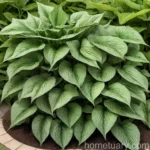
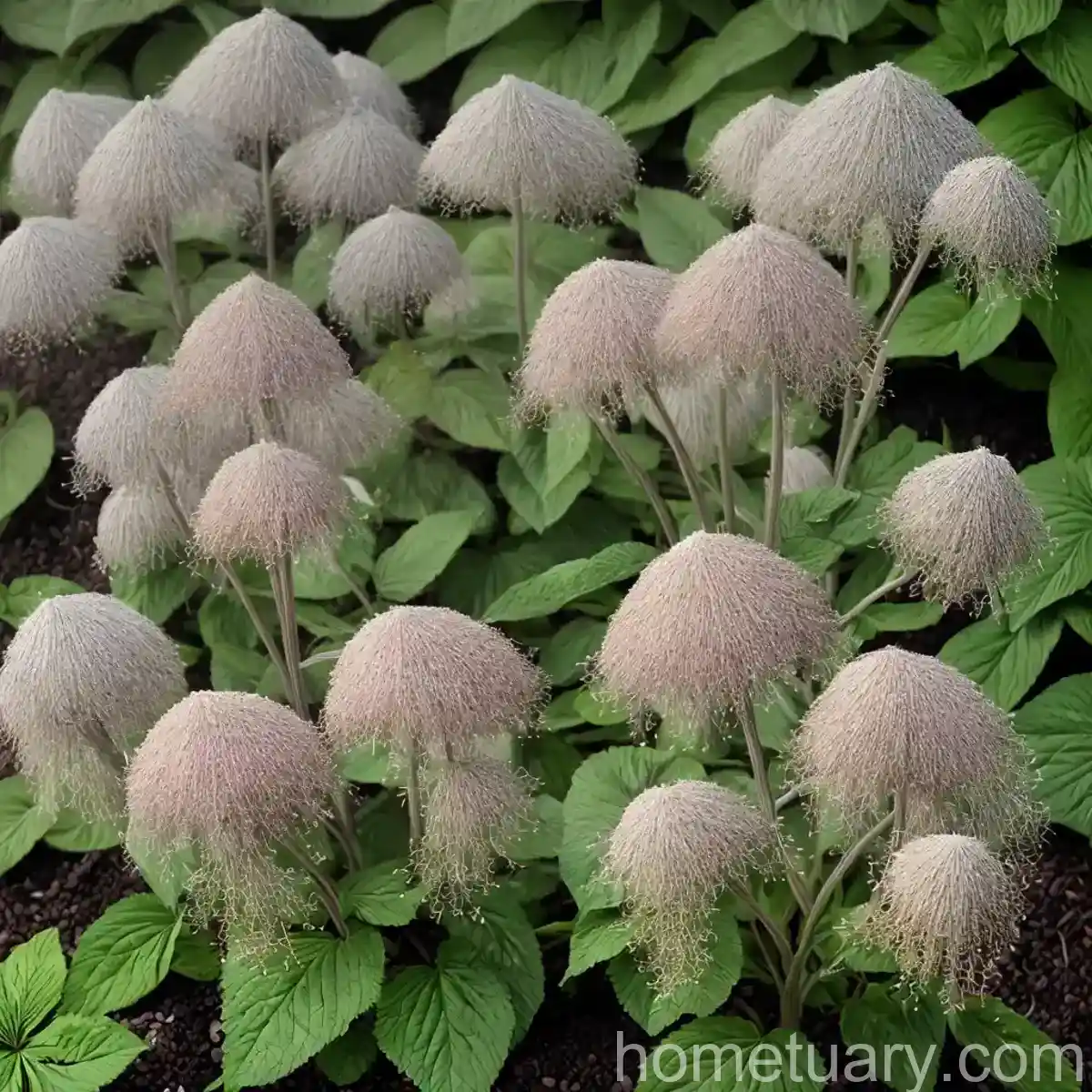
- The plant is renowned for its large, attractive leaves and feathery plumes of delicate flowers.
- Its cultural significance extends beyond its aesthetic appeal, with diverse uses ranging from ornamental landscaping to medicinal applications.
- By understanding its water, sunlight, soil, and fertilizer requirements, one can ensure the healthy growth and abundant blossoming of this enchanting plant.
- Pruning and propagation techniques are essential for maintaining the vitality and beauty of Elderberry Rodgersia.
Now, let’s delve deeper into the various aspects of caring for this exquisite plant.
Culture
Cultivating Elderberry Rodgersia requires a nuanced understanding of its cultural preferences, encompassing factors such as watering, sunlight, fertilizer, soil, and pruning. By aligning with its natural inclinations, we can create an environment that nurtures its growth and accentuates its splendor.
Water
Elderberry Rodgersia thrives in moist, well-drained soil but can tolerate brief periods of inundation, making it an excellent choice for gardens with occasional waterlogging. During its active growing phase, the plant benefits from regular watering, with the soil being kept consistently moist. However, it is important to avoid water stagnation, as it can lead to root rot and other detrimental conditions.
Sunlight
One of the defining attributes of Elderberry Rodgersia is its preference for shaded environments. It flourishes in partial to full shade, displaying its optimal growth and blooming potential when shielded from direct sunlight. This makes it an ideal candidate for woodland gardens, shaded borders, and areas with dappled light.
Fertilizer
When it comes to fertilizing Elderberry Rodgersia, a balanced approach is key. Applying a slow-release, all-purpose fertilizer in the spring can provide the plant with the necessary nutrients to support its growth and flowering. Additionally, incorporating organic matter into the soil can enhance its fertility and create a conducive environment for the plant to thrive.
Soil
The soil requirements of Elderberry Rodgersia revolve around moisture retention and nutrient richness. It thrives in humus-rich, slightly acidic to neutral soil with good drainage. Adding organic amendments such as compost or leaf mold can bolster the soil structure and enhance its capacity to sustain the plant’s vigor.
Pruning
Pruning plays a crucial role in maintaining the health and aesthetics of Elderberry Rodgersia. In late winter or early spring, it is beneficial to remove any damaged or dead foliage to stimulate new growth. Additionally, as the plant matures, dividing the clumps every few years can prevent overcrowding and rejuvenate its vitality.
Propagation
The propagation of Elderberry Rodgersia can be achieved through division or seed sowing. Dividing the plant in early spring allows for the creation of new specimens, while sowing seeds provides an alternative approach to expanding its presence in the garden. Both methods require attention to detail and a commitment to nurturing the young plants as they take root and flourish.
Container Popularity
While Elderberry Rodgersia’s natural habitat consists of woodlands and riverbanks, it also adapts well to container gardening, adding a touch of elegance and charm to patios, balconies, and shaded outdoor spaces. The plant’s distinctive foliage and graceful flowers infuse containers with an understated allure, offering a versatile option for gardeners seeking to accentuate their outdoor living areas.
Container Common Diseases
When growing Elderberry Rodgersia in containers, it is essential to be mindful of potential diseases that can affect the plant. Common issues such as root rot and fungal diseases may arise in containers with poor drainage or inadequate air circulation. By ensuring proper soil moisture levels and utilizing well-draining containers, these challenges can be mitigated.
Disease Diagnosis
Diagnosing diseases in Elderberry Rodgersia involves careful observation of the plant’s foliage and overall appearance. Symptoms such as yellowing leaves, wilting, or discolored spots can signal underlying issues that warrant attention. Prompt identification and targeted interventions, such as adjusting watering practices or applying appropriate treatments, can safeguard the plant from succumbing to diseases.
Common Pests
While Elderberry Rodgersia is relatively resistant to pests, it may occasionally encounter challenges from pests such as slugs and snails, particularly in moist environments. Vigilance and preemptive measures, such as utilizing organic pest control methods or physical barriers, can help prevent pest infestations and protect the plant’s well-being.
Botanist’s Tips
To ensure the flourishing of Elderberry Rodgersia, incorporating the following tips can contribute to its sustained health and vitality:
- Provide consistent moisture without waterlogging, especially during the active growth period.
- Select shaded locations with well-drained, humus-rich soil to accommodate the plant’s preferences.
- Employ a balanced fertilizer application to support the plant’s nutrient requirements and promote robust growth.
- Conduct regular pruning and division to rejuvenate the plant and maintain its ornamental appeal.
- Monitor containers for adequate drainage and airflow to prevent common diseases and ensure thriving growth.
Fun Facts
Delving into the realm of Elderberry Rodgersia reveals an array of captivating insights and intriguing facts that enrich our appreciation for this remarkable plant:
- The genus name “Rodgersia” pays homage to Rear Admiral John Rodgers, a distinguished American naval officer who commanded a historic expedition to Korea in the mid-19th century, during which the first samples of the plant were collected.
- The large and distinctive leaves of Elderberry Rodgersia are reminiscent of those of the elderberry plant, contributing to the common name that references the elderberry shrub.
- While revered for its beauty and allure in ornamental gardening, Elderberry Rodgersia also holds medicinal significance in traditional herbal practices, with its roots being utilized for their purported therapeutic properties.
Links to External Resources
For further exploration of Elderberry Rodgersia and related topics, the following external resources offer valuable insights and in-depth knowledge:
- Royal Horticultural Society – Rodgersia
- Missouri Botanical Garden – Rodgersia sambucifolia
- North Carolina State University – Elderberry Rodgersia Propagation
- American Horticultural Society – Tropical Gardening
- The Plant List – Rodgersia sambucifolia
As we conclude our exploration of the captivating world of Elderberry Rodgersia, may the insights gained from this guide inspire your gardening endeavors and kindle a deeper appreciation for the remarkable beauty of this enchanting plant. Whether adorning shaded gardens, container arrangements, or natural landscapes, Elderberry Rodgersia exudes an irresistible charm that enriches the tapestry of horticultural splendor.
Nurture its growth, embrace its elegance, and revel in the enchantment of the marvelous Elderberry Rodgersia.
In this in-depth guide, we’ve covered every aspect of caring for the Elderberry Rodgersia plant, from its cultural preferences to its propagation techniques and its significance in garden landscapes. I hope this comprehensive resource serves as a valuable reference for plant enthusiasts and horticulturists alike.
If you have any feedback, suggestions, or further inquiries, feel free to reach out. Happy gardening!