The Pink-Shell Azalea: Exploring Rhododendron Vaseyi
Rhododendron vaseyi, commonly known as Pink-Shell Azalea, is a stunning deciduous shrub that belongs to the Ericaceae family. With its delicate pink flowers and year-round appeal, it has become a favored choice for gardens and landscapes. In this comprehensive guide, we will delve into the essential aspects of caring for Rhododendron vaseyi, offering insights into its culture, uses, maintenance, and much more.
What is Rhododendron Vaseyi?
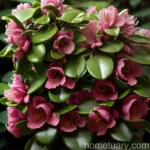
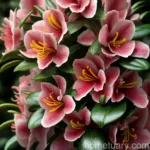
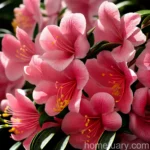
Rhododendron vaseyi, named after the American botanist George B. Vasey, is a native of the southeastern United States. It typically thrives in the woodlands of North Carolina, South Carolina, Tennessee, Georgia, and Virginia. This species is celebrated for its stunning display of pink, shell-shaped flowers, hence it is commonly referred to as the Pink-Shell Azalea.
This deciduous shrub can reach heights of 6 to 10 feet, and its blooms appear in late spring, offering a delightful spectacle that captivates onlookers. The Pink-Shell Azalea is an ideal choice for woodland gardens, where it adds a touch of elegance and charm. Its lustrous green foliage further enhances its appeal, and the vibrant display of flowers makes it a standout feature in any landscape.
Key Takeaways – Rhododendron vaseyi (Pink-Shell Azalea)
Before delving into the intricacies of caring for Rhododendron vaseyi, let’s summarize the key takeaways when it comes to this captivating plant:
- Scientific Name: Rhododendron vaseyi
- Common Name: Pink-Shell Azalea
- Family: Ericaceae
- Native Habitat: Southeastern United States
- Flowering Period: Late spring
- Characteristics: Deciduous, pink shell-shaped flowers, lustrous green foliage
- Ideal Use: Woodland gardens, landscaping focal point
With these fundamental aspects in mind, we can now explore the culture, uses, and maintenance requirements of the Pink-Shell Azalea in greater detail.
Culture of Rhododendron Vaseyi
Understanding the cultural requirements of Rhododendron vaseyi is essential for ensuring its sustained health and vitality. From the ideal soil conditions to suitable pruning techniques, each cultural aspect plays a pivotal role in nurturing this exquisite species. Let’s unravel the cultural intricacies of the Pink-Shell Azalea.
Soil
The first step to cultivating a thriving Pink-Shell Azalea is to ascertain the optimal soil conditions. Rhododendron vaseyi flourishes in acidic, well-draining soil with a pH range between 4.5 and 6.0. The soil should be rich in organic matter, offering a fertile and moisture-retentive environment for the roots to establish themselves.
Soil Requirements for Rhododendron vaseyi:
| Soil Attribute | Ideal Conditions |
|---|---|
| Soil pH | 4.5 to 6.0 |
| Texture | Well-draining |
| Composition | Rich in organic matter |
To create the perfect soil environment for the Pink-Shell Azalea, consider incorporating a blend of acidic compost and pine bark mulch into the planting area. This will provide the necessary acidity and organic content that fosters optimal growth and blooming.
Water
Proper watering is paramount in ensuring the vigor and vitality of Rhododendron vaseyi. As with most Azalea species, the Pink-Shell Azalea has specific water requirements that must be met to facilitate its well-being. It is crucial to strike a balance between providing adequate moisture and preventing waterlogged conditions, which can adversely impact the plant’s health.
Watering Guidelines for Rhododendron vaseyi:
- Frequency: Water deeply and consistently, particularly during dry spells or the plant’s active growth phases.
- Avoidance: Prevent water stagnation and ensure the soil has good drainage to avert waterlogging.
By adhering to these watering principles, gardeners can effectively maintain the Pink-Shell Azalea’s hydration needs, promoting robust growth and vibrant flowering.
Sunlight
The Pink-Shell Azalea thrives in partial shade, making it well-suited for woodland gardens and shaded landscapes. While it can tolerate some sunlight, particularly in the morning, it generally benefits from indirect light and protection from harsh afternoon sun.
Sunlight Preferences for Rhododendron vaseyi:
- Ideal Exposure: Partial shade
- Morning Sun: Tolerated and beneficial
- Afternoon Sun: Strong avoidance
By positioning the Pink-Shell Azalea in a location that provides dappled sunlight and shelter from intense afternoon rays, gardeners can ensure its optimal development and floral abundance.
Uses of Rhododendron Vaseyi
The Pink-Shell Azalea holds various uses and applications, ranging from ornamental accents to landscape enhancements. Understanding the versatility of this species can inspire diverse utilization in gardening and horticultural endeavors. Let’s explore the primary uses of Rhododendron vaseyi.
Ornamental Accent
One of the predominant uses of Rhododendron vaseyi is its role as an ornamental accent in gardens and landscapes. The delicate pink flowers, set against the backdrop of lush green foliage, create a mesmerizing visual impact that enlivens any outdoor space. Whether integrated into woodland gardens as a focal point or utilized in shaded border plantings, the Pink-Shell Azalea exudes charm and elegance, elevating the aesthetic appeal of its surroundings.
Woodland Gardens
The natural habitat of Rhododendron vaseyi has heavily influenced its suitability for woodland gardens. Its preference for partial shade and acidic soil aligns seamlessly with the conditions found in woodland settings, making it an ideal candidate for integrating into such environments. When incorporated into woodland gardens, the Pink-Shell Azalea establishes a harmonious coexistence with native flora, contributing to the biodiversity and visual allure of the space.
Landscaping Focal Point
In landscaping endeavors, Rhododendron vaseyi serves as a captivating focal point that draws attention and admiration. Whether positioned within mixed borders, alongside pathways, or within shaded areas, the Pink-Shell Azalea commands attention with its arresting floral display and verdant foliage. Its inherent beauty and graceful demeanor make it an invaluable asset in landscaping design, enriching the overall appeal of the outdoor environment.
Fragrance
Aside from its visual allure, the Pink-Shell Azalea also offers a subtle yet enchanting fragrance, adding an olfactory dimension to its ornamental value. The delicate, sweet scent of its blossoms enhances the sensory experience of the garden, inviting visitors to savor the multi-faceted beauty of Rhododendron vaseyi.
With its array of uses and botanical capacities, the Pink-Shell Azalea emerges as a versatile and enchanting addition to gardens and landscapes, enriching the natural tapestry and delighting all who encounter it.
Fertilizer and Pruning for Rhododendron Vaseyi
Caring for Rhododendron vaseyi involves meticulous attention to fertilization and pruning practices. These nurturing actions are instrumental in fostering robust growth, sustaining bloom production, and maintaining the overall vitality of the Pink-Shell Azalea. Let’s delve into the fertilization regimen and pruning techniques tailored to Rhododendron vaseyi.
Fertilizer
Applying the appropriate fertilizer is pivotal in providing Rhododendron vaseyi with the essential nutrients that bolster its growth and blooming capacity. The formulation and timing of fertilizer application significantly impact the plant’s overall health and flowering prowess.
Fertilization Guide for Pink-Shell Azalea:
- Type: Acidic, slow-release fertilizer formulated for Azaleas and Rhododendrons
- Frequency: Apply in early spring before new growth emerges, and once again in late spring after the bloom period.
Selecting a fertilizer specifically designed for acid-loving plants, such as Azaleas and Rhododendrons, is paramount for meeting the Pink-Shell Azalea’s nutritional requirements. The slow-release nature of the fertilizer ensures a gradual and sustained release of nutrients, providing long-term nourishment for the plant.
Pruning
Pruning plays a defining role in shaping the growth habits, aesthetics, and vigor of Rhododendron vaseyi. Skillful pruning practices not only promote a compact and well-branched form but also encourage prolific flowering and rejuvenated growth.
Pruning Techniques for the Pink-Shell Azalea:
- Timing: Prune immediately after flowering to shape the plant and remove spent blossoms.
- Method: Employ selective pruning to eliminate dead or damaged branches and maintain an open, airy structure.
By adhering to proper pruning techniques and timing, gardeners can instill Rhododendron vaseyi with a rejuvenated vigor and sculpt its form to align with their aesthetic and spatial preferences.
Propagation and Container Gardening for Rhododendron Vaseyi
For individuals seeking to propagate Rhododendron vaseyi or cultivate it in container gardens, understanding the specific protocols and considerations is imperative. The propagation process and container gardening nuances for the Pink-Shell Azalea warrant close attention to ensure successful outcomes. Let’s explore the particulars of propagation and container gardening for Rhododendron vaseyi.
Propagation
Propagating Rhododendron vaseyi can be achieved through various methods, including seed propagation, softwood cuttings, and layering. Each approach presents its unique advantages and considerations, offering gardeners flexibility in propagating this noteworthy species.
Propagation Techniques for Pink-Shell Azalea:
- Seed Propagation: Gather mature seeds in the fall and sow them in a prepared seed bed, providing a cool, moist environment for germination.
- Softwood Cuttings: Select healthy, non-flowering shoots in early summer, and root them in well-draining, sterile media to initiate new plants.
- Layering: Encourage the formation of roots on low branches by securing them to the ground with soil, facilitating their independent growth before separation.
Employing these propagation strategies enables enthusiasts to cultivate new Pink-Shell Azalea plants, perpetuating their beauty and presence in diverse settings.
Container Gardening
The adaptability of Rhododendron vaseyi to container gardening allows for its integration into various outdoor spaces, providing versatility and mobility in garden design and ornamentation. Cultivating the Pink-Shell Azalea in containers requires consideration of specific requisites to ensure its continued health and vigorn.
Key Considerations for Container Gardening with Rhododendron vaseyi:
- Container Size: Choose a spacious container that accommodates the plant’s growth and promotes root development.
- Soil Mix: Utilize a well-aerated, acidic potting mix formulated for Azaleas and Rhododendrons to provide an ideal rooting environment.
- Drainage: Ensure the container has adequate drainage holes to prevent waterlogging and maintain optimal soil moisture.
By adhering to these container gardening principles, gardeners can harness the adaptability of Rhododendron vaseyi and integrate it into diverse garden settings, from patios and balconies to compact urban landscapes.
Popularity of Rhododendron Vaseyi
The enduring popularity of Rhododendron vaseyi stems from its captivating attributes, horticultural adaptability, and ornamental significance. As a prized member of the Rhododendron genus, the Pink-Shell Azalea continues to captivate enthusiasts, drawing acclaim for its enduring allure and botanical prowess.
Horticultural Appeal
The Pink-Shell Azalea’s horticultural appeal lies in its enchanting floral display, graceful form, and adaptability to diverse garden settings. These qualities make it a beloved choice for both seasoned gardeners and budding enthusiasts, fostering an enduring appeal that transcends generations.
Ornamental Significance
As an ornamental shrub, Rhododendron vaseyi holds significant decorative value, adding a touch of elegance and color to gardens, landscapes, and outdoor environments. Its delicate pink flowers and verdant foliage create an enchanting tableau that elevates the aesthetic appeal of any setting.
Botanical Resilience
The resilience and adaptability of Rhododendron vaseyi underscore its popularity as a favored garden specimen. Its capacity to thrive in woodland settings, tolerate shade, and endure varying soil conditions endear it to a wide audience, affirming its enduring stature in horticultural circles.
Common Diseases and Pests Affecting Rhododendron Vaseyi
While Rhododendron vaseyi boasts resilience and durability, it is susceptible to certain diseases and pests that can hinder its growth and vitality. Recognizing these potential adversaries and implementing proactive measures is essential in safeguarding the Pink-Shell Azalea’s well-being.
Common Diseases
Rhododendron vaseyi may be vulnerable to certain diseases, including:
- Powdery Mildew: A fungal disease that manifests as powdery, white growth on the foliage, potentially leading to stunted growth and diminished flowering.
- Phytophthora Root Rot: This soil-borne pathogen can cause root rot, resulting in wilting, yellowing foliage, and overall decline in plant health.
Implementing preventive measures, such as ensuring proper air circulation, maintaining soil drainage, and employing appropriate fungicidal treatments, can mitigate the occurrence and impact of these diseases.
Common Pests
The Pink-Shell Azalea may fall prey to various pests, including:
- Azalea Lace Bug: These small, winged insects can cause stippling on the foliage, leading to weakened plants and diminished vigor.
- Spider Mites: Infestations of spider mites may result in stippled and discolored leaves, affecting the overall aesthetic and health of the plant.
Implementing vigilant monitoring, practicing good garden hygiene, and employing targeted pest control measures are critical in managing and preventing pest infestations that can compromise the Pink-Shell Azalea’s well-being.
Botanist’s Tips for Optimal Rhododendron Vaseyi Care
As a distinguished member of the Rhododendron genus, Rhododendron vaseyi benefits from specific care protocols that enhance its growth, floral abundance, and long-term vitality. Botanists offer valuable insights and recommendations to guide gardeners in nurturing the Pink-Shell Azalea to its full potential.
Sustained Moisture
Maintaining consistent soil moisture, particularly during the plant’s active growth phases and flowering period, is crucial for sustaining the vigor and robustness of Rhododendron vaseyi. Additionally, ensuring adequate hydration minimizes stress and promotes a resilient plant constitution.
Acidic Soil Environment
Creating and upholding an acidic soil environment is fundamental to meeting the Pink-Shell Azalea’s nutritional and physiologic requisites. By amending the soil with acidic organic matter and employing appropriate mulching, gardeners can sustain the necessary pH and encourage optimal nutrient uptake.
Vigilant Pest and Disease Monitoring
Regular monitoring for potential pests and diseases ensures prompt identification and intervention, preempting the onset of infestations and infections that can compromise the Pink-Shell Azalea’s vigor and ornamental value.
By integrating these botanist-endorsed tips into the care regimen of Rhododendron vaseyi, gardeners can foster its sustained health and maximize its aesthetic and horticultural potential.
Fun Facts about Rhododendron Vaseyi
Delving into the realm of fun and intriguing trivia about Rhododendron vaseyi sheds light on its captivating nature and botanical allure, offering a deeper appreciation for this entrancing species.
Fragrant Varieties
Some exemplars of Rhododendron vaseyi exhibit a heightened fragrance in their blossoms, imbuing the garden with a delightful, sweet scent that adds an olfactory dimension to the Pink-Shell Azalea’s ornamental allure.
Wildlife Attraction
The robust floral display of Rhododendron vaseyi entices various pollinators, including butterflies and hummingbirds, which frequent the blossoms in search of nectar. This botanical interaction enriches the ecological tapestry of the garden, fostering biodiversity and natural vitality.
Seasonal Changes
The Pink-Shell Azalea undergoes distinctive seasonal changes, from the emergence of vibrant new growth in spring to the dynamic transformation of leaf color in autumn. This seasonal variability imbues the plant with a dynamic visual presence, reflecting the shifts within the natural environment.
These captivating fun facts impart a deeper understanding of Rhododendron vaseyi’s unique characteristics and botanical charisma, providing a more holistic perspective on this enchanting species.
Links to External Resources
For additional insights, resources, and guidance on Rhododendron vaseyi care, cultivation, and ornamental utilization, you may find the following external links and references valuable:
- American Rhododendron Society
- The Azalea Society of America
- North Carolina State University Extension – Azaleas and Rhododendrons
- The Rhododendron Species Foundation & Botanical Garden
Each of these resources provides invaluable insights, expertise, and support for cultivating, appreciating, and cherishing Rhododendron vaseyi and the broader spectrum of Azalea and Rhododendron species.
In conclusion, the Pink-Shell Azalea, or Rhododendron vaseyi, epitomizes botanical grace and ornamental splendor, enriching gardens, woodlands, and landscapes with its captivating presence. By embracing its cultural nuances, leveraging its uses, and observing essential care guidelines, gardeners can celebrate the enduring allure of this remarkable plant, perpetuating its beauty for generations to come.
Remember, the Pink-Shell Azalea embodies a legacy of botanical marvel, and its cultivation engenders a profound connection with nature’s splendor.
Happy gardening!